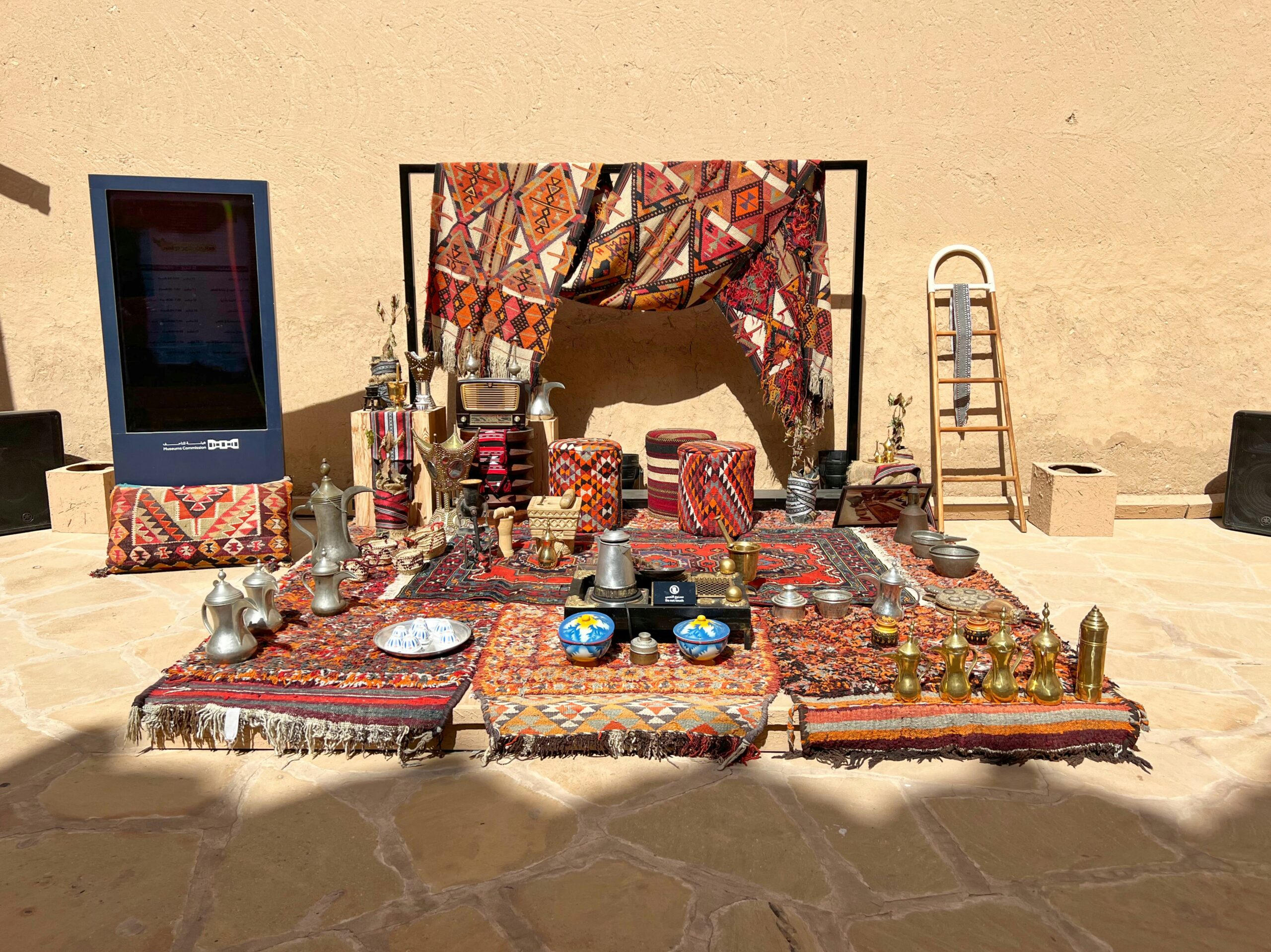
The vast expanse of Arabia, often perceived as a monolithic desert landscape sculpted by wind and time, holds a profound secret: a layered history far richer and more complex than its sandy facade suggests. Beneath the scorching sun and shifting dunes lie the echoes of ancient civilizations, forgotten trade routes, and cultural exchanges that shaped not only the Arabian Peninsula but also the wider world. Unveiling Arabia: The Hidden History Beneath the Desert Sands embarks on a journey to unearth these submerged narratives, revealing a past teeming with innovation, resilience, and influence.
Whispers from the Ancient Past: Early Settlements and Civilizations
The notion of Arabia as an uninhabited wasteland before the advent of Islam is a misconception that modern archaeology is actively dismantling. Evidence points to human habitation stretching back millennia, with early inhabitants adapting ingeniously to the arid environment. These pioneers laid the groundwork for a sophisticated understanding of resource management and territorial organization.
The Dawn of Human Presence: Paleolithic and Neolithic Footprints
The earliest signs of human activity in Arabia date back to the Paleolithic era. Archaeological excavations have uncovered stone tools, suggesting the presence of nomadic hunter-gatherer groups who traversed the landscape, exploiting temporary water sources and fauna. These early societies, though seemingly rudimentary, demonstrate a remarkable ability to survive and thrive in challenging conditions. As the climate shifted and became more favorable, the Neolithic period witnessed a significant change. Evidence of early agriculture and the domestication of animals began to emerge in certain regions, particularly in areas with more consistent rainfall or access to oases. Settlements, though likely small and seasonal, started to form, indicating a growing reliance on settled lifestyles and the development of early forms of social organization. The discovery of pottery fragments and early farming implements further corroborates this transition.
The Flourishing Kingdoms of Antiquity: From Saba to the Nabataeans
Long before the rise of Islam, the Arabian Peninsula was home to powerful and prosperous kingdoms, many of which carved their destinies through control of lucrative trade routes. The most famous of these are the incense kingdoms of southern Arabia, whose wealth was built on the maritime and overland trade of frankincense and myrrh, highly prized commodities in the ancient world.
The South Arabian Kingdoms: Masters of Incense and Irrigation
The kingdoms of Saba (Sheba), Ma’in, Qataban, and Hadhramaut, centered in modern-day Yemen, represent a pinnacle of ancient Arabian civilization. Saba, in particular, is renowned for its sophisticated irrigation systems, including the colossal Marib Dam, an engineering marvel that transformed arid lands into fertile agricultural centers. This mastery of water management allowed for substantial population growth and the development of complex urban centers. The wealth generated from the frankincense and myrrh trade, sourced from the Dhofar region, flowed into these kingdoms, funding monumental architecture, intricate craftsmanship, and extensive diplomatic networks with empires like Rome, Egypt, and Persia. Their scripts, known as Old South Arabian languages, offer invaluable insights into their political, religious, and economic lives.
The Nabataean Empire: Architects of Petra and Desert Commerce
Further north, the Nabataeans, an Arab nomadic people who gradually settled and established a powerful empire, left an indelible mark on the region. Their capital, Petra, carved directly into sandstone cliffs, stands as a testament to their architectural ingenuity and their strategic brilliance in controlling the caravan routes that connected the Arabian Peninsula to Mesopotamia, Egypt, and the Levant. The Nabataeans were not just traders; they were also skilled engineers, developing complex water-harvesting systems to sustain their desert cities. Their empire flourished from roughly the 4th century BCE to the 1st century CE, before being absorbed by the Roman Empire. The Hellenistic and Roman influences on Nabataean art and architecture are evident, showcasing a fascinating cultural synthesis. Their ability to thrive in the harsh desert, by controlling vital trade routes and managing precious water resources, highlights a sophisticated understanding of their environment and a remarkable capacity for organization and commerce.
The hidden history of Arabia is a fascinating topic that reveals the rich cultural and historical tapestry of the region, often overshadowed by more prominent narratives. For those interested in exploring the enigmatic past of other regions, a related article delves into the mysteries of Antarctica and its unknown history. You can read more about this intriguing subject by visiting this article, which uncovers the secrets lying beneath the ice and their potential connections to ancient civilizations.
The Veins of Arabia: Ancient Trade Routes and Cultural Crosscurrents

The Arabian Peninsula has always been a crucial crossroads, a bridge between continents and cultures. Its strategic location facilitated the flow of goods, ideas, and peoples, forging connections that shaped the destinies of distant lands. The ancient trade routes, etched into the desert landscape, are the arteries through which this historical exchange pulsed.
The Frankincense Trail: Aromatic Empires and Global Reach
The trade in frankincense and myrrh was the lifeblood of ancient southern Arabia. These aromatic resins, used in religious ceremonies, perfumes, and medicines across the ancient world, were a source of immense wealth for the kingdoms that controlled their production and distribution. Caravans laden with these precious commodities traversed vast distances, connecting the Arabian heartland to the Mediterranean, the Indian Ocean, and beyond.
The Rise and Fall of the Incense Trade
The incense trade reached its zenith between the 3rd century BCE and the 2nd century CE. The demand from empires like Rome, where frankincense was essential for religious rituals and imperial ceremonies, fueled the prosperity of the South Arabian kingdoms. The trade routes, often perilous and stretching for thousands of miles, were meticulously organized, with caravans comprising hundreds of camels and guarded by seasoned warriors. The wealth generated by this trade allowed for the construction of grand cities, sophisticated irrigation systems, and opulent palaces, the ruins of which still bear witness to this golden age. However, the rise of Roman direct trade with India and the disruption of overland routes by various political upheavals eventually led to a decline in the significance of the Arabian incense trade, marking a shift in global economic power.
The Cultural Exchange Along the Incense Routes
Beyond the economic impact, the incense trade fostered significant cultural exchange. Merchants and travelers moving along these routes carried not only goods but also ideas, languages, and religious beliefs. Greek, Roman, Persian, and Indian influences can be found in the art, architecture, and inscriptions of ancient Arabia. Similarly, Arabian traders and their goods introduced new flavors, scents, and customs to distant lands. This constant ebb and flow of cultural elements contributed to the unique cosmopolitan character of many Arabian settlements, demonstrating that even in antiquity, the region was far from isolated.
The Silk Road’s Southern Arm: Connecting East and West
While the Silk Road is most famously associated with Central Asia, its southern extensions reached into the Arabian Peninsula, further solidifying its role as a global connector. These routes facilitated the movement of luxury goods, including silk from China, spices from India, and precious metals from the West, creating a complex network of exchange.
The Desert Highways: Caravans and Their Legacy
The vast deserts of Arabia were not insurmountable barriers but rather highways for intrepid traders. The development of sophisticated navigation techniques, the breeding of hardy camels, and the establishment of a network of wells and oasis settlements made long-distance desert travel feasible. These caravan routes were the arteries of commerce, sustaining settlements and fostering a distinct desert culture adapted to the rhythms of trade and travel. The legacy of these routes can still be traced in the landscape, with ancient waystations and the remnants of caravansaries offering glimpses into this vibrant past.
The Maritime Silk Road and Arabian Ports
In addition to overland routes, Arabia played a vital role in the maritime Silk Road. Its strategic location along the Arabian Sea and the Indian Ocean made its ports crucial hubs for seafaring merchants. Cities like Aden, Qusair al-Qadim, and ports along the Omani coast became bustling centers where goods from the East, including spices, textiles, and gemstones, were exchanged for goods from the West, such as frankincense, myrrh, and manufactured items. These maritime connections fostered a unique blend of cultures in the port cities, with traders and travelers from diverse backgrounds interacting and influencing each other. The monsoon winds were skillfully utilized by these mariners, allowing for regular voyages between Arabia, India, and East Africa, further expanding the reach of Arabian commerce and cultural influence.
Innovations and Adaptations: Living with the Desert
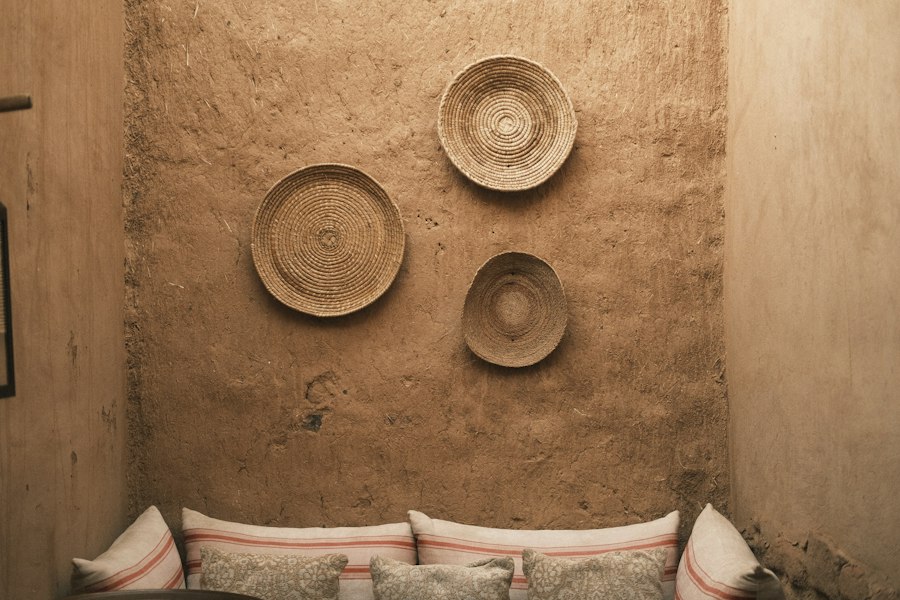
The inhabitants of Arabia were not merely passive recipients of external influences; they were active innovators and resourceful adaptors, developing unique solutions to thrive in their challenging environment. Their ingenuity in water management, their understanding of astronomy for navigation, and their sophisticated social structures are testaments to their resilience.
Masters of Water: Engineering for Aridity
Water, the most precious resource in the desert, was the subject of intense study and ingenious engineering. The development of sophisticated irrigation techniques, from underground channels to complex dam systems, allowed for the cultivation of crops and the sustenance of large populations in otherwise barren lands.
The Qanat System: Underground Lifelines
One of the most remarkable water management technologies developed in the region is the qanat system, also known as the karez. These underground aqueducts tapped into groundwater sources in higher elevations and channeled water by gravity to settlements and agricultural lands, minimizing evaporation. The construction and maintenance of qanats required immense skill and collective effort, reflecting a high degree of social organization and technical expertise. Traces of these ancient qanats can still be found across the Arabian Peninsula, silent witnesses to the ingenuity of its ancient peoples.
Oasis Agriculture and Nomadic Water Wisdom
Beyond grand engineering projects, the inhabitants developed a deep understanding of oasis ecosystems and the patterns of rainfall. Oasis agriculture, meticulously managed, provided vital sustenance. Nomadic groups, while seemingly transient, possessed an intimate knowledge of seasonal water sources, developing techniques for locating and accessing hidden springs and dew. This practical wisdom, passed down through generations, was crucial for survival in the vast desert expanses. Their understanding of the desert’s subtle cues, from the behavior of animals to the patterns of vegetation, allowed them to navigate and subsist where others would perish.
Celestial Navigation and Desert Survival
The seemingly empty expanse of the desert sky held the key to safe passage for Arabian travelers. Ancient Arabs developed sophisticated knowledge of astronomy, using the stars and celestial bodies for navigation. Their ability to read the night sky allowed them to traverse vast distances with remarkable accuracy, a skill essential for the success of trade routes and the sustenance of nomadic life.
Charting the Stars: Ancient Astronomical Knowledge
Evidence suggests that ancient Arabian peoples possessed a developed understanding of astronomical cycles and constellations. This knowledge was not only practical for navigation but also deeply intertwined with their cosmology and religious beliefs. Star charts and celestial observations likely guided their movements, ensuring they could find their way through the featureless desert and return to their home bases or rendezvous points. The predictability of the stars offered a sense of order and certainty in an unpredictable environment.
The Art of the Caravan Leader: Guiding Through the Sands
The success of long-distance trade depended heavily on the skill and knowledge of caravan leaders. These individuals were not just guides; they were seasoned navigators, resource managers, and diplomats. They understood the desert’s topography, its weather patterns, and the locations of vital water sources. Their ability to interpret the subtle signs of the desert, coupled with their astronomical knowledge, ensured the safe and efficient passage of caravans, maintaining the flow of commerce and the connections between disparate communities. Their expertise was invaluable, making them central figures in the economic and social fabric of ancient Arabia.
The Dawn of a New Era: The Rise of Islam and Its Arabian Roots
While this exploration delves into the pre-Islamic history of Arabia, it is impossible to ignore the profound transformative impact of the rise of Islam. Emerging from the Arabian Peninsula, Islam not only reshaped the region but also profoundly influenced the course of global history. Understanding the pre-Islamic context is crucial to appreciating the fertile ground from which this new faith and civilization sprang.
Mecca and Medina: Hubs of Faith and Commerce
The cities of Mecca and Medina, already established centers of trade and pilgrimage, became the focal points of early Islamic history. Mecca, with its Kaaba, was a significant religious site, drawing pilgrims from across Arabia. Medina, a thriving agricultural and commercial center, became the first capital of the nascent Islamic state.
Pre-Islamic Mecca: A Crossroads of Trade and Religion
Long before the advent of Islam, Mecca was a vital commercial hub, situated at the convergence of several major trade routes. Its fame was also tied to the Kaaba, a shrine believed to have been built by Abraham and Ishmael, which attracted pagan pilgrims and facilitated a degree of intertribal peace and economic activity. This established infrastructure of trade and pilgrimage provided a ready-made network for the dissemination of the new faith. The economic prosperity derived from these activities meant that Meccan society was already accustomed to inter-regional interactions and the exchange of ideas.
Medina: The Sanctuary and the First Islamic State
Medina, then known as Yathrib, offered a welcoming sanctuary for the Prophet Muhammad and his followers fleeing persecution in Mecca. It was here that the first Islamic community was established, laying the foundations for a new political and social order. Medina became the administrative and spiritual heart of the early Muslim state, demonstrating the ability of the Arabian people to forge a unified identity and establish a coherent governance system that would eventually expand across continents. The unique social dynamics of Medina, with its diverse population and the need to integrate different tribes, provided fertile ground for the development of Islamic principles of justice, compassion, and community.
The Arabian Empire: Expansion and Legacy
The rapid expansion of the Islamic empire, originating from the Arabian Peninsula, was a testament to the unifying power of faith and the organizational capabilities of its leaders. This empire, stretching from Spain to India, became a center of learning, science, and culture, building upon and synthesizing knowledge from the civilizations it encountered.
The Ummayad and Abbasid Caliphates: Centers of Learning
Following the Rashidun Caliphate, the Ummayad and Abbasid dynasties established vast empires with their capitals in Damascus and Baghdad, respectively. These caliphates fostered an unprecedented era of intellectual and scientific advancement, often referred to as the Islamic Golden Age. Scholars translated and built upon the works of Greek, Persian, and Indian thinkers, making groundbreaking contributions in fields such as mathematics, astronomy, medicine, philosophy, and literature. The Arabian Peninsula, while no longer the direct political center of the empire, remained the spiritual heartland, and its influence continued to be felt.
The Enduring Influence of Arabian Culture
The historical narrative of Arabia is not confined to its ancient kingdoms or the early Islamic empire. The innovations, cultural exchanges, and societal structures developed over millennia laid a foundation for the region’s enduring influence. From the sophisticated water management techniques that continue to be relevant today to the rich literary traditions and the profound philosophical and scientific contributions, the “hidden history beneath the desert sands” continues to resonate, revealing a past that is as dynamic and complex as the Arabian landscape itself. The resilience, adaptability, and intellectual curiosity of its ancient inhabitants offer valuable lessons and a compelling testament to the multifaceted legacy of this extraordinary region.
The hidden history of Arabia reveals a rich tapestry of cultures and civilizations that have shaped the region over centuries. For those interested in exploring how historical trade routes influenced modern economic practices, a related article discusses the implications of nearshoring in today’s global economy. You can read more about this fascinating connection in the article found here. Understanding these historical contexts can provide valuable insights into the ongoing developments in the Arabian Peninsula.
The Sands of Time: Enduring Legacies and Unanswered Questions
| Aspect | Description | Significance | Time Period |
|---|---|---|---|
| Pre-Islamic Trade Routes | Extensive caravan routes connecting Arabia with the Mediterranean, Africa, and Asia. | Facilitated cultural exchange and economic prosperity before Islam. | Up to 7th century CE |
| Ancient Kingdoms | Kingdoms like Saba, Himyar, and Nabateans thrived in southern and northern Arabia. | Developed advanced irrigation, architecture, and script systems. | 1000 BCE – 300 CE |
| Archaeological Discoveries | Findings of inscriptions, temples, and artifacts revealing unknown cultural practices. | Provide insight into religious beliefs and social structures. | 20th – 21st century |
| Role of Arabia in Silk Road | Arabian ports and cities acted as key nodes in the maritime Silk Road. | Enhanced Arabia’s role in global trade and cultural diffusion. | 1st century BCE – 15th century CE |
| Hidden Religious Practices | Pre-Islamic polytheistic and monotheistic beliefs coexisted in the region. | Influenced the development of early Islamic theology and culture. | Before 7th century CE |
The desert sands of Arabia are not mere passive repositories of history; they are active participants, shaping and preserving the narratives that lie beneath. As archaeology continues to unearth new discoveries, our understanding of Arabia’s past expands, revealing a civilization far more intricate and influential than previously imagined. Yet, the desert still guards many secrets, inviting further exploration and contemplation.
Ongoing Discoveries: Rewriting the Arabian Narrative
Recent archaeological expeditions and advancements in scientific dating techniques are continually shedding new light on Arabia’s ancient past. From the discovery of new settlements and trade outposts to the deciphering of previously unknown inscriptions, each new finding contributes to a more nuanced and comprehensive understanding of the region’s history. The ongoing work promises to further challenge existing paradigms and reveal even more about the interconnectedness of ancient Arabia with the wider world. These discoveries are not just about cataloging artifacts; they are about understanding the lives, beliefs, and achievements of the people who inhabited this land, revealing their agency and their impact on the global stage.
The Desert’s Silent Testimony: Preserving the Past
The arid climate of Arabia, while challenging for life, has proven to be an exceptional preserver of historical remains. Intact structures, well-preserved artifacts, and even organic materials buried beneath the sand have survived for millennia, offering unparalleled insights into past societies. The vastness and relative inaccessibility of many desert regions have also protected numerous archaeological sites from modern disturbance, allowing for the potential discovery of pristine evidence that can revolutionize our understanding of ancient Arabia. The desert acts as a silent witness, its dunes a shifting mantle over the stories waiting to be retold.
Unanswered Questions and Future Horizons
Despite remarkable progress, much of Arabia’s ancient history remains veiled. The full extent of its early trade networks, the complexities of its political structures, and the nuances of its religious and cultural practices are still subjects of ongoing research and debate. Future archaeological endeavors, coupled with interdisciplinary approaches, will undoubtedly continue to unveil more layers of this captivating history. The challenge lies in meticulously excavating, analyzing, and interpreting the evidence, piecing together a grand mosaic from fragmented remnants, ensuring that the voices of Arabia’s past are heard with clarity and respect. The journey to unveil Arabia is far from over; it is a continuous process of discovery, offering a profound appreciation for the enduring human spirit and its capacity to shape civilizations against all odds.
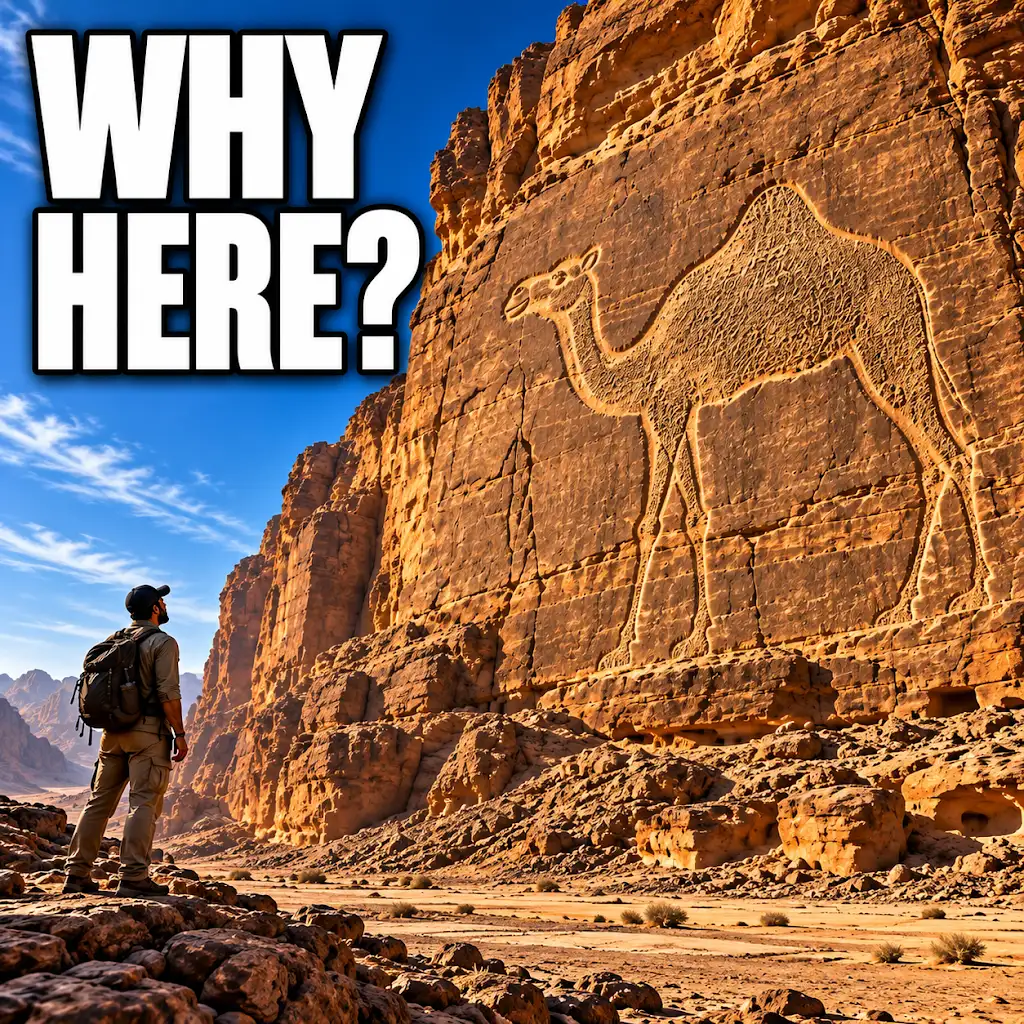
Why Were Giant Camels Carved Above the Desert?
FAQs
What is the hidden history of Arabia?
The hidden history of Arabia refers to the lesser-known historical events, civilizations, and cultures that have existed in the Arabian Peninsula over the centuries.
What are some key archaeological discoveries in Arabia?
Archaeologists have uncovered ancient cities, trade routes, burial sites, and artifacts in Arabia that provide insights into the region’s rich history, including the ancient civilizations of Dilmun, Magan, and Gerrha.
How did the geography of Arabia influence its history?
The diverse geography of Arabia, including deserts, oases, and coastlines, played a significant role in shaping the region’s history by influencing trade routes, settlement patterns, and cultural exchanges with neighboring regions.
Who were some of the prominent historical figures from Arabia?
Arabia has been home to influential figures such as Queen of Sheba, Prophet Muhammad, and various tribal leaders who have left a lasting impact on the region’s history and culture.
What role did Arabia play in ancient trade networks?
Arabia served as a crucial hub in ancient trade networks, connecting the civilizations of Mesopotamia, Egypt, India, and the Mediterranean world through the trade of valuable commodities such as spices, incense, and precious metals.