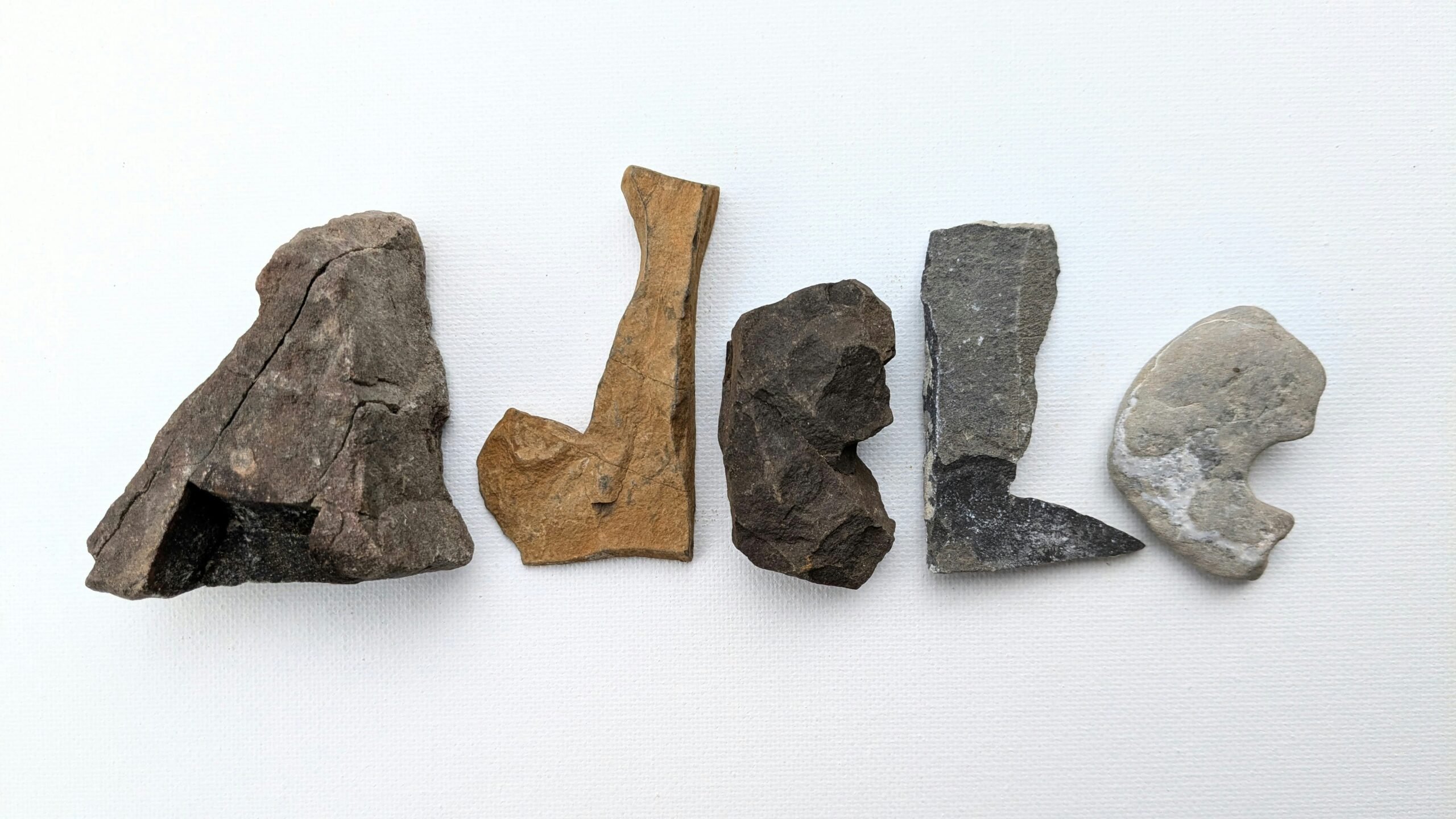
The rhythmic clang of hammer against stone, the steady scrape of abrasive material, the patient chipping and pecking – these are the sounds that echo through millennia when contemplating the incredible skill of ancient stone workers. Long before the advent of sophisticated metallurgy or power tools, humanity harnessed the inherent properties of stone, transforming raw geological formations into tools, shelters, and artistic expressions that shaped civilizations. The study of these ancient stone working tools, the techniques employed, and the remarkable artifacts they produced offers a profound glimpse into the ingenuity, perseverance, and evolving capabilities of our ancestors. It is a narrative written in rock, a testament to human adaptation and innovation.
The Foundations of Stone Tool Production: Early Lithic Technologies
The very beginnings of human tool use are inextricably linked to stone. The earliest evidence of hominin activity reveals a reliance on readily available stone, often river cobbles, which were modified to serve basic functions. These rudimentary tools, while seemingly simple, represented a monumental leap in cognitive and physical development, allowing early humans to exploit new food sources, defend themselves, and process materials more effectively. The sheer longevity of these early lithic technologies underscores their profound importance in the unfolding story of human evolution.
The Oldowan Revolution: The Dawn of Intentional Toolmaking
The Oldowan tool industry, dating back approximately 2.6 million years, marks the earliest widely recognized evidence of intentional stone tool manufacture. Characterized by simple choppers, scrapers, and hammerstones, these tools were not randomly flaked but rather systematically produced by striking one stone against another. The primary objective was to expose sharp edges for cutting, scraping, and pounding. Sites like Gona in Ethiopia have yielded a rich assemblage of Oldowan tools, providing invaluable insights into the cognitive abilities of early hominins such as Australopithecus and early Homo. The process involved selecting suitable stones, often quartzite or basalt, and then using a harder stone, a hammerstone, to detach flakes from the core. This controlled flaking was a learned behavior, passed down through generations, demonstrating an understanding of fracture mechanics and the desired properties of the tool. The resulting tools, though basic, allowed for more efficient butchery of carcasses, processing of plant materials, and the creation of other tools, significantly expanding the dietary and behavioral repertoire of these early hominins.
The Acheulean Expansion: Bifaces and a Growing Toolkit
Building upon the foundation of the Oldowan, the Acheulean industry, emerging around 1.7 million years ago, introduced a significant innovation: the handaxe. This distinctive tool, typically teardrop-shaped and meticulously flaked on both sides (bifacial), represented a considerable advancement in terms of planning, symmetry, and skill. The production of a well-formed Acheulean handaxe required a sophisticated understanding of stone behavior, including predicting fracture patterns and maintaining controlled blows. It was a multi-purpose tool, likely used for a wide range of tasks including chopping, digging, scraping, and butchering. Associated with this period are also cleavers, which had a straight, transverse cutting edge, and other specialized tools like picks. The widespread distribution of Acheulean tools across Africa, Europe, and parts of Asia suggests the movement and adaptability of Homo erectus, the hominin species most strongly associated with this technology. The standardization of the handaxe form across vast geographical regions indicates a degree of cultural transmission and shared knowledge. The development of more refined techniques for shaping and finishing these tools, including the use of softer hammerstones made of bone or wood to achieve finer retouching, further highlights the growing sophistication of stone working.
Ancient stone working tools played a crucial role in the development of early civilizations, enabling artisans to create intricate structures and artifacts. For those interested in exploring the historical context of such tools, a related article discusses the significance of ancient maps and their impact on navigation and exploration. You can read more about this fascinating topic in the article titled “Exploring Topkapi Palace with Piri Reis Map” available at this link.
Mastering the Art of Stone Shaping: Techniques and Technologies

The effectiveness of stone tools is directly proportional to the skill and knowledge of the individuals who crafted them. Over millennia, a diverse array of techniques evolved, each suited to different types of stone, intended tool function, and desired level of refinement. These techniques, developed through trial and error and passed down through generations, reveal a deep understanding of material properties and the precise application of force.
Percussion Flaking: The Primary Method of Stone Shaping
Percussion flaking forms the bedrock of ancient stone tool production. This method involves striking a core stone with another object – a hammerstone, a bone, or a piece of antler – to detach flakes. The angle, force, and type of hammerstone all influence the size, shape, and scar pattern of the detached flake, as well as the modification of the core. Two primary forms of percussion flaking were employed: direct percussion and indirect percussion.
Direct Percussion: The Forceful Approach
Direct percussion, the most straightforward and earliest form, involves striking the core directly with a hammerstone. This technique was used for creating robust tools like choppers and early handaxes. The effectiveness of direct percussion depends on the type of hammerstone used. Hard hammerstones, typically made of quartzite or basalt, produce larger, coarser flakes suitable for initial shaping and roughing out. As toolmaking became more refined, softer hammerstones, made from bone, antler, or even wood, were introduced. These softer materials allow for greater control, producing thinner, more predictable flakes and enabling more precise retouching and edge refinement. The development of the controlled use of soft hammers was a significant step in the evolution of stone tool technology, allowing for the creation of finer, sharper edges and more symmetrical forms.
Indirect Percussion: Precision Through Intermediaries
Indirect percussion introduces an intermediary object between the hammerstone and the core. A punch of bone, antler, or hardened wood is placed on the edge of the core, and then the hammerstone strikes the punch. This technique allows for greater precision and control, enabling the removal of smaller, more controlled flakes. It was particularly useful for thinning thick flakes, creating intricate serrations on blades, and for pressure flaking. The ability to direct force more precisely with indirect percussion was crucial for the production of highly specialized tools and for achieving delicate retouching that could significantly enhance a tool’s effectiveness. This method suggests a higher level of planning and dexterity, as the knapper had to coordinate three elements: the core, the punch, and the hammerstone.
Pressure Flaking: The Art of Fine Detail
Pressure flaking represents the pinnacle of ancient stone tool refinement. Instead of striking, pressure is applied to the edge of a flake or core using a pointed tool, typically made of antler or bone. This controlled pressure detaches very small, predictable flakes, allowing for precise retouching, sharpening, and the creation of intricate details such as notches and serrations. Pressure flaking was essential for creating the fine edges of projectile points, the decorative elements on some artifacts, and for the final finishing of many tools. It requires a delicate touch, immense patience, and a profound understanding of the stone’s fracture mechanics. The ability to achieve such fine detail through pressure flaking transformed simple cutting edges into highly specialized implements capable of penetrating, piercing, and even inflicting a wider range of wounds, crucial for hunting and warfare.
Abrasion and Polishing: Smoothing and Sharpening
While flaking was the primary method for shaping stone, abrasion and polishing played crucial roles in finishing and enhancing the functionality of certain tools. Grinding stones, typically made of sandstone or other abrasive rock, were used to smooth rough surfaces, sharpen edges, and even create new shapes. This technique was particularly important for the production of axes, adzes, and other woodworking tools, where a smooth, sharp edge was essential for efficient cutting. Polishing, often achieved by rubbing with fine sand or leather, could further refine the surface, reducing friction and increasing durability. The development of polished stone tools, such as Neolithic axes, represented a significant advancement in woodworking capabilities, allowing for the clearing of forests and the construction of more substantial dwellings and watercraft. The combination of flaking and grinding allowed for the creation of tools with distinct cutting edges and smooth, ergonomic handles.
The Artifacts of Ingenuity: Tools of Daily Life and Specialized Use

The stone tools unearthed by archaeologists are not merely inanimate objects; they are tangible evidence of the daily struggles, triumphs, and innovations of past societies. From the simplest scraping tools used for processing hides to the intricately crafted projectile points that secured sustenance, each artifact tells a story of purpose, skill, and the deep connection between humans and their material world.
Domestic Necessities: Tools for Survival and Sustenance
The majority of stone tools discovered are those that facilitated the fundamental needs of survival: acquiring food, processing resources, and maintaining shelter. Scrapers, with their sharp edges, were indispensable for preparing animal hides, removing flesh and fat to make them pliable for clothing and shelters. Knives and cleavers, often made from large flakes or shaped cores, were used for butchering game, cutting meat, and processing plant materials. Grinding stones, paired with mortars, were vital for pulverizing grains and seeds, a crucial step in making plant-based foods digestible and storable. Digging sticks, often tipped with fire-hardened stone or simply sharpened wood, were used to excavate roots and tubers. The sheer volume and ubiquity of these tools at archaeological sites attest to their constant use and importance in the daily lives of ancient peoples. Their forms, while seemingly basic, were optimized for efficiency and durability, reflecting a deep understanding of the materials and the tasks at hand.
The Hunt and the Battlefield: Weapons and Projectiles
The pursuit of game and the need for defense spurred the development of specialized stone tools designed for projectile weaponry. Arrowheads and spear points, meticulously flaked and often barbed, were hafted onto wooden shafts to create effective hunting implements. The variety of shapes and sizes of these projectile points reflects adaptation to different prey animals and hunting strategies, as well as regional traditions. The development of the bow and arrow, which utilized smaller, lighter arrowheads, revolutionized hunting by allowing for greater accuracy and range. Similarly, handaxes and clubs, with their heavy, dense forms, served as effective close-combat weapons. The skill involved in producing symmetrical and sharp projectile points demonstrates a sophisticated understanding of aerodynamics and the forces required for effective penetration. The presence of these weapons at sites also provides insights into the prevalence of hunting and potential intergroup conflict.
Craftsmanship and Artistry: Tools for Creation and Expression
Beyond purely utilitarian purposes, stone tools also played a role in the creation of other objects and in artistic expression. Small, finely flaked blades were used for engraving bone, antler, and wood, allowing for decorative patterns and symbolic markings. Chisels and gouges, often made from durable stone like chert or obsidian, were used for shaping wood, bone, and even softer stones. The existence of polished stone axes and adzes facilitated the construction of more complex wooden structures, boats, and tools. In some cultures, stone was also a medium for artistic expression, with small figurines, beads, and decorative elements being carved and polished. While the primary function of many stone tools was practical, the meticulous craftsmanship and occasional decorative elements suggest an appreciation for aesthetics and the ability to imbue objects with meaning beyond their immediate utility. The refinement of these tools indicates a developing sense of specialization within communities, where individuals focused on honing specific crafts.
Uncovering the Past: The Science of Lithic Analysis
Archaeologists employ a range of scientific methods to study ancient stone tools, deciphering their origins, uses, and the societies that created them. This field, known as lithic analysis, combines meticulous observation with cutting-edge technology to extract maximum information from these enduring artifacts.
Typology and Technology: Classifying and Understanding Tool Production
A fundamental aspect of lithic analysis is typology, the classification of stone tools into distinct types based on their form and function. Archaeologists develop typologies by examining attributes such as shape, size, flaking patterns, edge morphology, and evidence of use wear. This systematic classification allows for the comparison of tool assemblages across different sites and time periods, helping to identify cultural traditions, technological advancements, and migration patterns. Coupled with typology is the study of lithic technology, which focuses on understanding how the tools were made. This involves examining the core, the flakes, the waste material, and the manufacturing debris to reconstruct the chaîne opératoire – the sequence of actions involved in tool production. Experimental archaeology, where researchers attempt to replicate ancient toolmaking techniques, is a crucial component of this process, providing invaluable insights into the practicalities and challenges faced by ancient knappers.
Traceology and Use-Wear Analysis: Revealing the Tool’s Story
Traceology, also known as use-wear analysis, examines microscopic traces left on the working edges of stone tools. By observing characteristic striations, polishes, and residues under high-powered microscopes, archaeologists can infer the specific materials the tool was used on (e.g., wood, bone, hide, plant fibers) and the type of action performed (e.g., cutting, scraping, sawing, boring). This micro-wear analysis provides direct evidence of the tool’s function, moving beyond assumptions based solely on its form. For example, a scraper that appears smooth might reveal microscopic polish from scraping hide, while another with sharp striations might indicate use on wood. The presence of pollen or organic residues on the tool’s surface can further corroborate its use, offering a tangible link to the ancient environment and the activities that took place. This meticulous examination allows us to understand not just what tools were made, but how they were actively used in the daily lives of our ancestors.
Material Sourcing and Provenance: Tracing the Origins of Stone
Understanding where the raw stone materials for tool production originated is another critical area of lithic analysis. Geologists and archaeologists collaborate to identify the geological sources of different types of stone, such as chert, obsidian, and quartzite. By analyzing the chemical composition and microscopic characteristics of the stone from archaeological sites and comparing them to known geological deposits, researchers can determine the provenance, or origin, of the raw materials. This information can reveal patterns of trade, exchange networks, and the extent of territorial ranges of ancient populations. For instance, the presence of obsidian tools at a site far from any known obsidian source strongly suggests long-distance trade. Conversely, a site where all stone originates from nearby sources indicates a more localized resource procurement strategy. This aspect of lithic analysis helps reconstruct the economic and social interactions of past communities.
Ancient stone working tools have fascinated archaeologists and historians alike, revealing insights into the technological advancements of early civilizations. These tools, crafted from materials like flint and obsidian, played a crucial role in the development of human society by enabling more efficient hunting and gathering practices. For those interested in the broader implications of ancient technologies, a related article discusses the potential military applications of modern advancements in lunar payload services, which can be found here. This connection between ancient and contemporary tool-making highlights the enduring importance of innovation throughout human history.
The Enduring Legacy: Stone Tools in Human Civilization
| Tool Type | Material | Estimated Age (Years) | Primary Use | Region Found |
|---|---|---|---|---|
| Hand Axe | Flint | 1,500,000 – 200,000 | Cutting, chopping | Africa, Europe, Asia |
| Chisel | Obsidian | 40,000 – 10,000 | Carving, shaping stone | Europe, Middle East |
| Flint Knife | Flint | 300,000 – 10,000 | Cutting, scraping | Worldwide |
| Grinding Stone | Sandstone | 20,000 – 5,000 | Grinding grains, pigments | Worldwide |
| Hammerstone | Quartzite | 2,000,000 – 100,000 | Shaping other stones | Africa, Asia |
The story of ancient stone working tools is not merely a chapter in prehistory; it is a foundational narrative that underpins the entire trajectory of human civilization. The ability to fashion and utilize stone provided the essential toolkit for innovation, adaptation, and expansion, laying the groundwork for subsequent technological and societal developments.
The Stepping Stone to Advanced Technologies
The ingenuity displayed in stone tool production, particularly the understanding of fracture mechanics and controlled flaking, was a critical precursor to later technological advancements. The principles learned from knapping stone directly influenced the development of metalworking. The careful selection of raw materials, the precise application of force, and the understanding of material properties were all directly transferable to the smelting and shaping of metals. Furthermore, the development of specialized tools for woodworking, enabled by polished stone axes, facilitated the construction of more complex structures, tools, and watercraft, which in turn supported increased mobility, trade, and settlement. The very concept of toolmaking as a deliberate, skill-based craft, honed over generations, became a fundamental element of human technological progress.
Shaping Landscapes and Lifestyles
The impact of stone tools extended beyond immediate survival. The ability to clear land with axes, dig for resources with stone-tipped implements, and build shelters with stone tools allowed humans to actively modify their environments. This environmental shaping, in turn, influenced human lifestyles, leading to settled agriculture, the development of permanent villages, and the beginnings of urbanization. The construction of monumental structures, from early megalithic tombs to later cities, would have been impossible without the strength and durability of stone, shaped and quarried with the aid of stone tools. The very landscapes we inhabit today bear the imprint of these early stone workers, from terraced fields to ancient quarry sites.
A Window into the Human Mind
Perhaps the most profound legacy of ancient stone working tools lies in what they reveal about the human mind. The planning, foresight, problem-solving, and skill required to produce even the simplest stone tool demonstrate advanced cognitive abilities. The transmission of knowledge and techniques across generations speaks to the development of complex social learning and cultural transmission. The variability in tool forms and the emergence of distinct tool industries across different regions and time periods highlight the capacity for innovation, adaptation, and cultural expression. Studying these artifacts allows us to connect with our ancestors on a fundamental level, appreciating their resourcefulness, their determination, and their remarkable ability to transform the raw materials of the earth into the very building blocks of civilization. They are silent witnesses to the dawning of human intellect and the enduring spirit of innovation that continues to shape our world.

Why Were Giant Camels Carved Above the Desert?
FAQs
What were some common ancient stone working tools?
Ancient stone working tools included chisels, hammers, mallets, saws, drills, and polishing tools made from materials like flint, obsidian, bronze, and iron.
How were ancient stone working tools used?
Ancient stone working tools were used to shape, cut, carve, and polish stones for various purposes such as building construction, sculpture, and tool making.
What advancements were made in ancient stone working tools over time?
Advancements in ancient stone working tools included the development of more specialized tools, improved materials like bronze and iron, and more efficient techniques for working with stone.
Which ancient civilizations were known for their stone working skills?
Ancient civilizations such as the Egyptians, Greeks, Romans, and Mayans were known for their advanced stone working skills and the impressive structures and sculptures they created using stone.
How were ancient stone working tools made?
Ancient stone working tools were typically made by skilled craftsmen who would shape and sharpen the tools using other tools like hammers, anvils, and grinding stones.