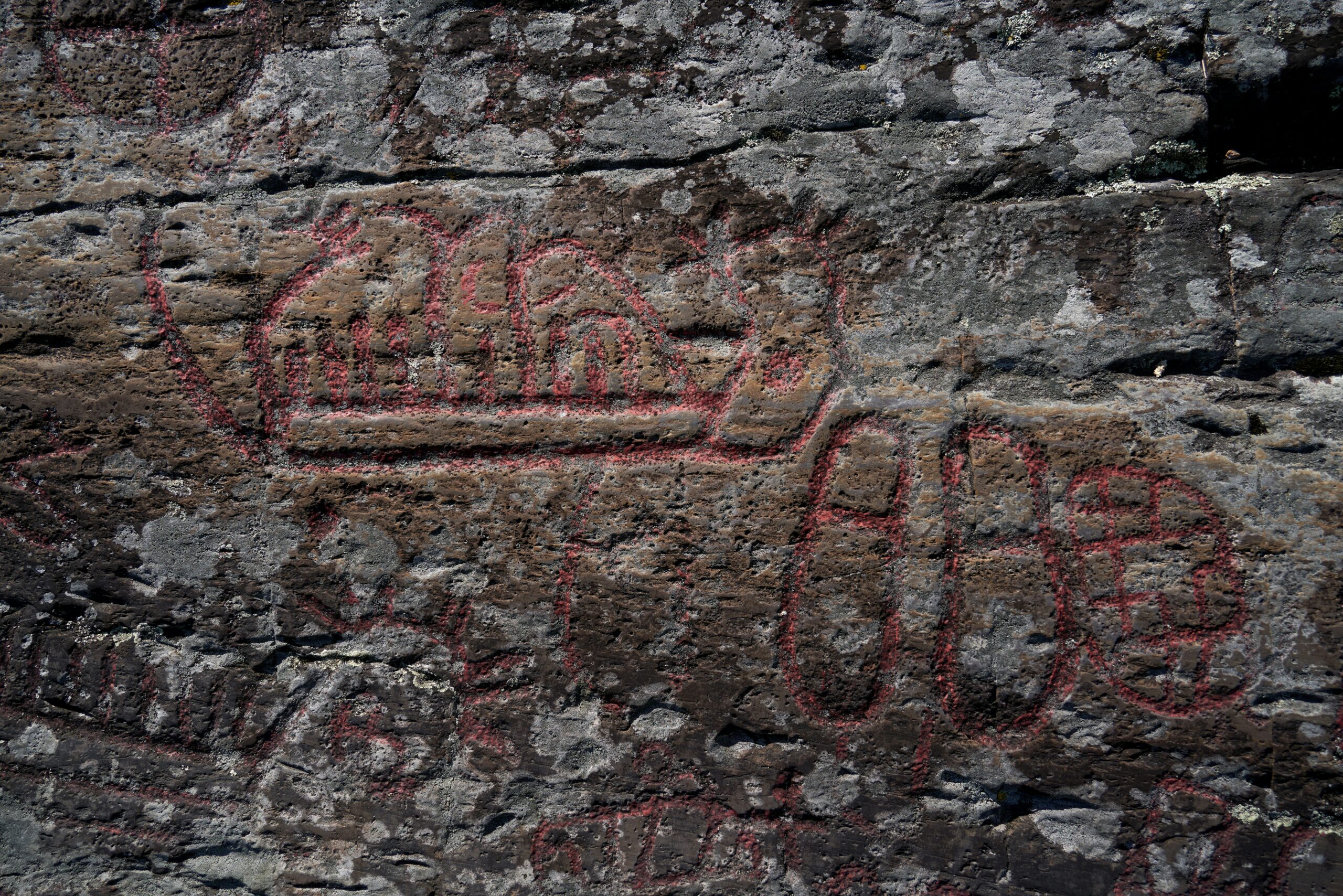
The dust, disturbed for the first time in millennia, settled slowly, revealing secrets long buried. Recent archaeological excavations at several prominent ancient rock art sites across disparate geographical regions have yielded a wealth of new details, fundamentally altering previous understandings of the people who created these enduring works and the contexts in which they were made. These discoveries, ranging from intricate tool fragments to microscopic organic residues, are not merely adding footnotes to existing knowledge; they are prompting a significant re-evaluation of the cultural, social, and environmental landscapes of these prehistoric communities. The meticulous work of archaeologists, employing advanced scientific techniques alongside traditional excavation methods, has brought these ancient artists and their worlds vividly back into focus.
Echoes of Creation: Unearthing the Tools of the Ancient Artists
The revelation of the specific tools used to create these remarkable rock carvings and paintings has been a cornerstone of the recent excavations. For years, scholars speculated about the materials and techniques employed, often relying on indirect evidence or artistic interpretations. However, the discovery of actual implements, meticulously preserved beneath layers of sediment, has provided concrete answers and, in some cases, raised new questions. These findings suggest a surprising level of sophistication and specialization in the methods employed by these early humans.
Pigment Preparation and Application
One of the most exciting breakthroughs has been the identification of the tools and materials used for pigment creation. Excavations at a site known for its vibrant red and yellow ochre paintings have unearthed small, smoothed grinding stones, often found in close proximity to deposits of raw ochre. Microscopic analysis of these stones has revealed residual traces of the pigments, confirming their role in preparing the paints. Furthermore, the discovery of hollowed-out bone fragments and small, shell-like containers near these grinding stones strongly suggests they were used for mixing pigments with binders, such as animal fat or plant sap. The presence of various sizes and shapes of these bone and shell implements hints at the deliberate preparation of different paint consistencies, perhaps for different artistic effects or application methods. Some fragments also show evidence of being chewed or frayed, indicating the potential use of animal hair or plant fibers as brushes. This level of detail was previously inferred but is now directly supported by tangible archaeological evidence.
Engraving and Incising Instruments
Beyond painting, the sites also showcase impressive examples of rock engraving and incising. Here, the excavated finds have been equally illuminating. Small, sharp flakes of flint and obsidian, often with highly polished edges, have been discovered at sites featuring intricate geometric patterns and figurative engravings. These stone tools, likely hafted onto wooden handles, would have provided the necessary precision and force to etch into the hard rock surfaces. The careful curation of these tools, often found in dedicated caches, suggests they were valuable and perhaps passed down through generations. Some of the more finely detailed engravings exhibit marks that align perfectly with the edges of these discovered stone flakes, offering compelling visual proof of their use. The identification of different types of stone, sometimes sourced from considerable distances, also speaks to the mobility and trade networks of these ancient populations, as they sought out the best materials for their artistic endeavors.
Evidence of Planning and Practice
The excavations have also uncovered evidence that suggests a degree of planning and even practice before the final artwork was executed. Small, unfinished engravings on loose stones or less prominent areas of rock faces have been found, appearing to be trial runs for more elaborate designs. These “practice pieces” provide invaluable insight into the artistic process, demonstrating that these were not spontaneous creations but rather the result of thought, skill development, and likely, a desire for perfection. The presence of discarded tools and pigment residues near these practice areas further supports this interpretation, indicating dedicated spaces for artistic learning and experimentation.
Excavation at rock art sites is a crucial aspect of understanding ancient cultures and their artistic expressions. A related article that explores the broader implications of archaeological practices and their socio-economic impacts can be found at The Impact of the 16 USMCA Wage Requirement. This piece delves into how modern regulations can affect archaeological work, including excavations at significant historical sites, highlighting the intersection of policy and preservation in the field of archaeology.
Beyond the Canvas: Contextualizing the Art in Daily Life
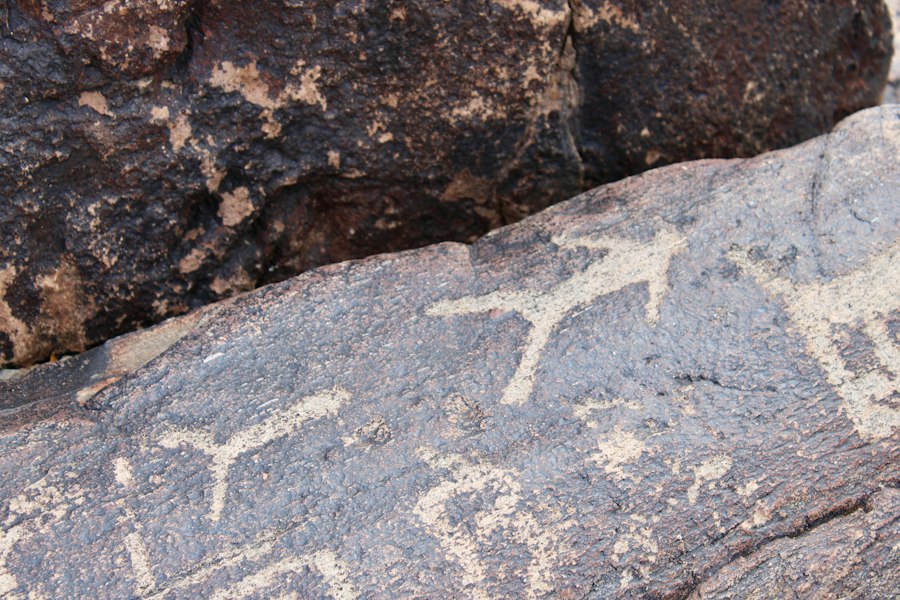
The excavations have moved beyond simply identifying the tools and techniques; they are providing crucial context, situating the rock art within the broader spectrum of daily life for the ancient communities. The proximity of art sites to living areas, the discovery of associated artifacts, and the analysis of environmental data are painting a richer, more nuanced picture of why and how these artworks were created.
Settlements and Activity Areas
A significant finding has been the consistent association of rock art sites with evidence of human habitation. Excavations of nearby campfires, hearths, and the remains of stone structures have revealed that these artistic expressions were often integrated into the daily lives of settled or semi-settled communities. This challenges earlier theories that suggested rock art was exclusively created by nomadic groups or in isolated, ritualistic locations. The discovery of domestic artifacts, such as pottery shards, bone tools for processing food, and grinding stones for grain, within the immediate vicinity of rock art panels indicates that these were active living spaces where art played a role in the social fabric. This suggests that the creation and viewing of rock art may have been part of everyday social gatherings, storytelling, or even educational activities for younger members of the community.
Ritual and Symbolic Significance
While domestic associations are prominent, the excavations have also uncovered evidence that points towards the ritual and symbolic importance of these sites. In some instances, rock art panels have been found in natural shelters or caves that show signs of repeated use and may have served as ceremonial spaces. The discovery of specific types of artifacts, such as polished stones, animal bones carefully arranged, or fragments of what appear to be personal adornments, near particularly significant artworks, suggests offerings or activities with a strong symbolic or spiritual dimension. The careful placement of certain motifs within the landscape, often overlooking important natural features like water sources or prominent geological formations, further reinforces the idea that the art was deeply intertwined with the beliefs and worldview of these ancient peoples. The analysis of faunal remains from these areas can also provide clues, with the presence of certain animal bones potentially linked to totemic beliefs or specific ceremonies depicted in the art.
Environmental Adaptations and Depictions
The rock art itself, when examined in conjunction with environmental data unearthed during excavations, reveals a profound connection to the natural world and the adaptations of these ancient populations. Detailed analysis of pollen and seed remains found in the soil layers at and around the art sites offers insights into the local flora at the time of creation. This allows archaeologists to correlate depicted animals with their known habitats and seasonal movements, and to understand the plants that may have been used for pigments or as medicinal resources. For example, the depiction of specific migratory bird species might coincide with evidence of their seasonal presence in the excavated strata. This integration of archaeobotanical and zooarchaeological data with the visual record of the rock art provides a unique window into the environmental knowledge and reliance of these prehistoric cultures. It suggests that the art was not merely decorative but also a form of record-keeping, teaching, and even prediction related to their survival and relationship with the natural world.
Chronological Refinements: Dating the Ancient Masterpieces

One of the most persistent challenges in rock art studies has been accurate dating. Without precise chronological markers, understanding the evolution of styles, the duration of artistic traditions, and the relationship between different art-making periods has been difficult. Recent excavation techniques and the application of advanced scientific dating methods have begun to rectify this, providing more robust timelines for these ancient artistic expressions.
Radiocarbon Dating of Organic Materials
The advent and refinement of radiocarbon dating have revolutionized the ability to assign absolute dates to rock art. Excavations have yielded organic materials directly associated with the art, such as charcoal from fires that occurred during the period of painting or microscopic fragments of organic binders within the pigments themselves. Careful excavation protocols ensure that these materials are collected without contamination and are directly linked to the artistic layer. For instance, discovering charcoal deposits that are clearly sealed beneath a layer of pigment, or finding organic binders that have been directly dated to a specific period, provides a much more reliable chronological anchor than relying solely on stylistic comparisons or stratigraphic context. These dates, when applied to multiple sites and different artistic motifs, are beginning to reveal the longevity and evolution of specific rock art traditions.
Luminescence Dating of Sediments and Pigments
Beyond radiocarbon dating, luminescence dating techniques, such as optically stimulated luminescence (OSL) and thermoluminescence (TL), are proving invaluable, particularly for dating inorganic materials. OSL dating can be used on sediments that have been buried over the rock art, effectively dating the time since the sediment was last exposed to sunlight. This can provide a minimum age for the artwork if the art is found below the dated sediment layer. TL dating, on the other hand, can be applied to heated materials like fired pottery or heated quartz within the rock itself, or even to quartz grains within certain mineral-based pigments. When applied to sediments found directly overlying or underlying rock art features, or to materials within the rock art layers themselves, these methods offer complementary chronological data. This is especially useful for sites where organic materials are scarce or have degraded over time. The combined application of these different dating methods is allowing for more precise and reliable chronological frameworks to be established for rock art sites.
Stylistic Evolution and Stratigraphic Evidence
While scientific dating provides absolute timelines, traditional archaeological methods of stratigraphic analysis and stylistic evolution remain crucial. Excavations meticulously document the layering of sediments and artifacts. If different styles of rock art are found superimposed, with one layer clearly beneath another, and if associated artifacts from those layers can be dated, then a relative chronology can be established. Furthermore, the detailed observation of stylistic changes within a single rock face or across different sites, when correlated with established chronological data, allows for the reconstruction of artistic trends and developments over time. This includes the emergence and disappearance of specific motifs, changes in artistic conventions, and the adoption of new techniques. The integration of both scientific and traditional methods is essential for building comprehensive and accurate chronologies.
Unveiling Social Structures: Who Were the Artists and Their Audiences?
The recent excavations have begun to shed light on the social dynamics surrounding the creation and use of rock art. While direct identification of individual artists remains elusive, the patterns of discovery and the nature of the associated artifacts are offering tantalizing clues about the social structures, the division of labor, and the intended audiences of these ancient masterpieces.
Evidence of Specialized Roles and Learning
The presence of different types of tools, the varying levels of skill evident in some artworks, and the discovery of “practice pieces” suggest that artistic creation may not have been a universal activity but potentially involved individuals with specialized roles. Excavations have uncovered areas with a higher concentration of high-quality tools and pigment residues, possibly indicating workshops or areas where master artists worked. Conversely, areas with simpler tools and less refined artwork might represent the learning stages of apprentices or less experienced individuals. The careful curation and caching of sophisticated tools could also imply that their use was restricted to certain individuals or groups within the community, perhaps based on age, gender, or social status. This suggests a more structured approach to artistic transmission, involving teaching and mentorship.
Gender and Age Considerations
While definitive proof remains difficult, some of the excavated evidence allows for speculation about the roles of different genders and age groups. The discovery of rock art in domestic contexts, alongside tools associated with food preparation and childcare, could suggest the involvement of women. Conversely, some rock art motifs, particularly those depicting hunting scenes or warfare, might be more strongly associated with male activities. However, it is crucial to avoid rigid gender stereotypes, as societal roles were likely more fluid than modern interpretations might suggest. The presence of simpler, less technically complex artwork alongside more elaborate creations could also indicate the involvement of children in artistic activities, perhaps as part of their cultural education or as a form of early creative expression. Further research, potentially involving more advanced DNA analysis of associated human remains if found, might offer more direct insights into the demographics of the artists.
Communal and Individual Expression
The sheer scale and complexity of some rock art sites suggest that their creation was a communal undertaking, requiring the coordinated efforts of multiple individuals. The long periods of time over which some art panels appear to have been created, indicated by stylistic changes and stratigraphic layering, further support the idea of ongoing traditions passed down through generations. However, the discovery of unique or highly personalized motifs within larger panels could also point to individual artistic expression or the work of specific individuals leaving their mark. The interpretation of these sites as both communal spaces for shared cultural narratives and individual canvases for personal expression is likely the most accurate representation of their function. The balance between these two aspects is a key area of ongoing research, informed by the detailed contextual data unearthed during excavations.
Excavation at rock art sites provides invaluable insights into the cultural practices and technological advancements of ancient civilizations. Researchers often uncover artifacts that reveal how these societies utilized their environment and developed complex social structures. For a deeper understanding of how ancient technology influenced political control, you can explore this related article that discusses the broader implications of such discoveries. The findings from these excavations not only enhance our knowledge of art but also shed light on the intricate relationships between technology and governance in ancient times. To learn more, visit this article.
Future Trajectories: Unanswered Questions and Emerging Technologies
| Site Name | Location | Excavation Year | Depth Excavated (m) | Artifacts Found | Estimated Age (years) | Rock Art Type | Preservation Status |
|---|---|---|---|---|---|---|---|
| Bhimbetka | India | 2018 | 3.5 | 150 | 30,000 | Petroglyphs and Paintings | Good |
| Altamira | Spain | 2019 | 2.8 | 120 | 36,000 | Polychrome Paintings | Fair |
| Twfelfontein | Namibia | 2020 | 1.2 | 80 | 6,000 | Engravings | Good |
| Serra da Capivara | Brazil | 2021 | 4.0 | 200 | 25,000 | Paintings | Excellent |
| Ubirr | Australia | 2017 | 2.0 | 95 | 20,000 | Paintings | Good |
The insights gleaned from these recent excavations are not endpoints but rather new starting points for understanding ancient rock art. The discoveries have opened up new avenues of inquiry, highlighting areas where our knowledge is still nascent and pointing towards the critical role of emerging technologies in pushing the boundaries of discovery even further.
The Puzzle of Meaning and Interpretation
Despite the wealth of new data on creation and context, the ultimate meaning and symbolic intent behind much of the rock art remain elusive. While associations with rituals, daily life, and environmental knowledge are becoming clearer, the specific narratives, beliefs, and cosmological understandings encoded in the art continue to be subjects of intense debate. Future excavations will need to focus on collecting even more detailed contextual information, perhaps by employing non-invasive techniques like ground-penetrating radar to map subsurface features without disturbing the site. The multidisciplinary approach, integrating archaeology with anthropology, linguistics (where applicable through comparative studies), and even cognitive science, will be crucial in developing more robust interpretive frameworks.
Advanced Imaging and Digital Reconstruction
The application of advanced imaging technologies is set to play an increasingly vital role in future research. High-resolution photogrammetry and 3D laser scanning are already allowing for incredibly detailed digital models of rock art sites and individual artworks. These digital reconstructions permit in-depth analysis and comparison of motifs across vast distances without the need for physical access to often fragile sites. Furthermore, hyperspectral imaging can help to reveal faded pigments or identify the chemical composition of paints with unprecedented accuracy, potentially leading to the discovery of new pigments or binders previously undetected. The use of AI and machine learning algorithms to analyze vast datasets of rock art imagery could also help to identify recurring patterns, stylistic affinities, and potential symbolic codes that might be missed by human observation alone.
Interdisciplinary Collaboration and Global Networks
The complexity of modern rock art research demands an increasingly interdisciplinary approach. Future breakthroughs will undoubtedly arise from collaborations between archaeologists, geologists, chemists, botanists, zoologists, and computer scientists. Establishing and strengthening global networks for data sharing and collaborative research will be essential. As these excavations demonstrate, rock art is not confined to single regions or cultures; it is a global phenomenon. By pooling resources, expertise, and findings, researchers can begin to identify universal patterns in human creativity, communication, and symbolic expression, bridging geographical and temporal divides. The continued excavation and meticulous study of these ancient canvases promise to unlock ever deeper understandings of our shared human heritage.

Why Were Giant Camels Carved Above the Desert?
FAQs
What is the purpose of excavating at rock art sites?
Excavating at rock art sites helps archaeologists uncover artifacts, tools, and other evidence that can provide insights into the culture, lifestyle, and beliefs of the people who created the rock art.
How do archaeologists determine where to excavate at rock art sites?
Archaeologists use various methods such as ground-penetrating radar, aerial surveys, and studying the rock art itself to identify areas that may contain buried artifacts or structures for excavation.
What challenges do archaeologists face when excavating at rock art sites?
Archaeologists face challenges such as preserving the delicate rock art while excavating, dealing with remote locations, and interpreting the meaning of the rock art in relation to the artifacts found during excavation.
What techniques are used during excavation at rock art sites?
Archaeologists use tools such as trowels, brushes, screens, and sometimes even drones to carefully excavate and document artifacts found at rock art sites. They also use techniques like stratigraphy to understand the layers of soil and artifacts.
How does excavation at rock art sites contribute to our understanding of ancient cultures?
Excavation at rock art sites provides valuable information about the daily lives, rituals, and artistic expressions of ancient cultures. By studying the artifacts and structures found, archaeologists can reconstruct aspects of these cultures that may not be evident from the rock art alone.