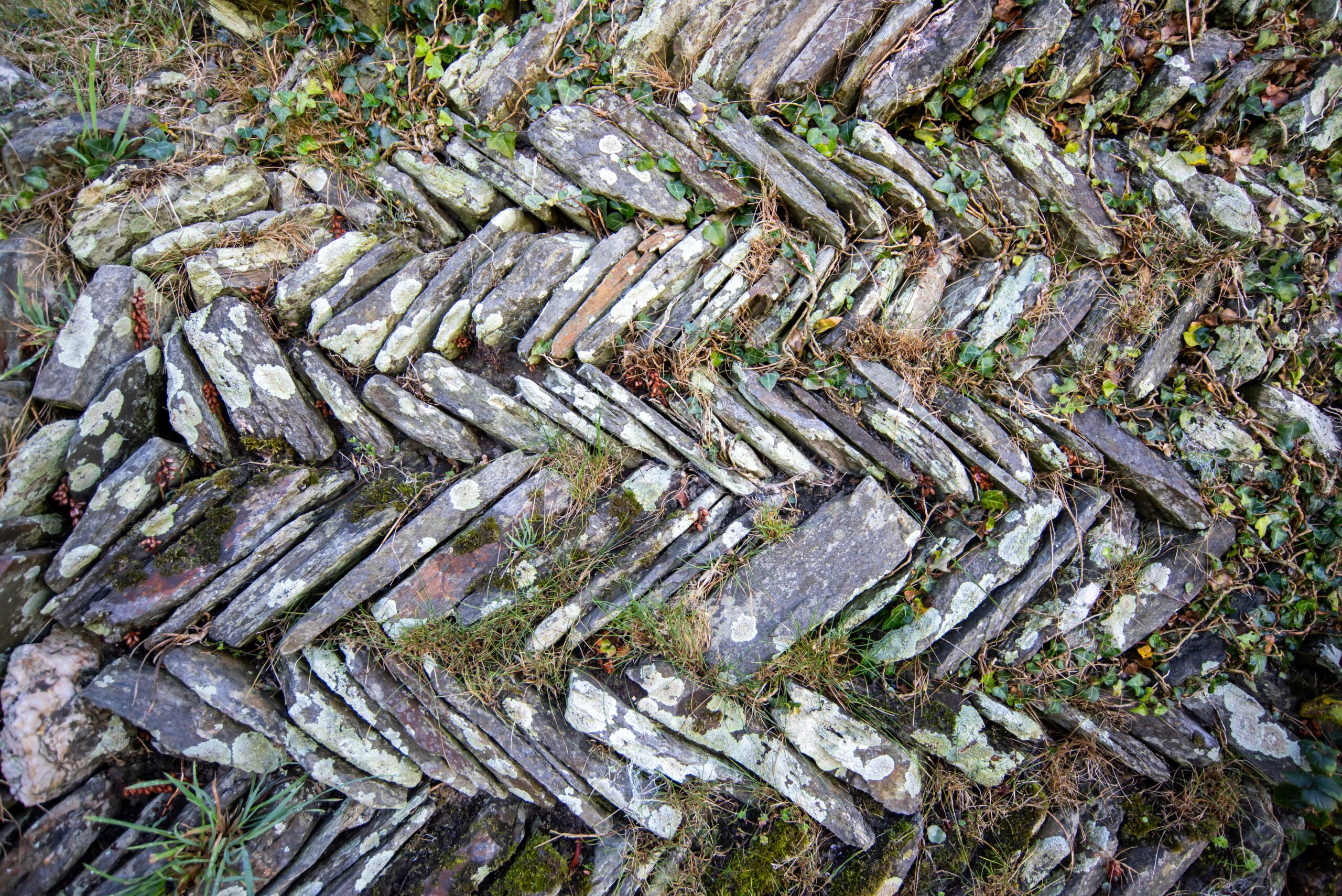
The whisper of the wind across ancient landscapes often carries more than just the scent of dust and time. Sometimes, it brings to light the silent pronouncements of civilizations long gone, etched not in ephemeral ink, but in the enduring permanence of stone. These ancient road signs, more than mere markers of direction, are tangible fragments of human history, revealing the concerns, beliefs, and practicalities of our ancestors. They speak of journeys undertaken, destinations sought, and the very fabric of societies that once thrived.
Echoes of the Journey: The Purpose and Preservation of Ancient Road Markers
The impulse to guide and inform travelers is as old as humanity’s need to move beyond its immediate surroundings. From the earliest footpaths trodden by hunter-gatherers to the grand imperial highways of antiquity, the desire to facilitate safe and efficient passage has been a constant. Ancient road signs, carved directly into the bedrock or on standing stones, served a multitude of purposes, far exceeding the simple indication of a turn. They were advertisements for trade routes, pronouncements of territorial boundaries, spiritual signposts, and even warnings. Their enduring nature, carved into materials that have withstood millennia of erosion and human intervention, offers an unparalleled window into the past, a testament to the ingenuity and foresight of those who laid them. The sheer effort involved in carving these messages into stone speaks volumes about their perceived importance. These were not casual inscriptions; they were deliberate, labor-intensive communications intended to last.
From Tracks to Highways: The Evolution of Ancient Road Networks
The development of recognizable pathways and the subsequent need for directional assistance mirrored the growth of human settlements and trade. Early “roads” were often little more than well-worn tracks, their routes dictated by terrain and natural features. However, as communities grew and interaction intensified, the need for more defined routes emerged. This led to the development of more sophisticated road-building techniques, particularly in empires like Rome, whose vast network of paved roads facilitated military movement, trade, and communication. Alongside these infrastructural marvels, the need for navigational aids became paramount. Initially, natural landmarks might have sufficed, but as routes became more complex, artificial markers became essential. These could range from simple piles of stones (cairns) to more elaborate carved monoliths. The Romans, renowned for their organizational prowess, were particularly adept at employing stone markers, often inscribed with distances and the names of cities, transforming the act of travel into a more predictable and quantifiable experience. The very act of carving these markers into stone suggests a long-term vision, an understanding that these routes would be used for generations.
Beyond Direction: The Multifaceted Roles of Stone Signposts
While guiding travelers was a primary function, the inscriptions on ancient road stones often carried deeper meanings. In many cultures, road markers were imbued with religious or spiritual significance. They could indicate the proximity of sacred sites, offer blessings for safe passage, or even serve as places of worship. Territorial claims were also frequently asserted through stone markers, delineating the boundaries of kingdoms, city-states, or even private land. These inscriptions acted as legal pronouncements, visible to all who traversed the routes. Furthermore, road signs could be economic tools, advertising the distances to important market towns or highlighting the presence of vital resources. Warnings of dangerous terrain, impassable areas, or even hostile territories were also etched into stone, a somber but crucial form of communication for those venturing into the unknown. The complexity of these messages highlights a sophisticated understanding of social, economic, and spiritual needs.
Ancient road signs carved in stone provide fascinating insights into the transportation and communication methods of early civilizations. These markers not only guided travelers but also reflected the cultural and historical contexts of their time. For a deeper understanding of ancient navigation and cartography, you can explore the article on the Piri Reis map, which highlights the sophistication of ancient map-making techniques and their relevance to modern science. To read more, visit this article.
Unveiling the Messages: Deciphering Ancient Inscriptions
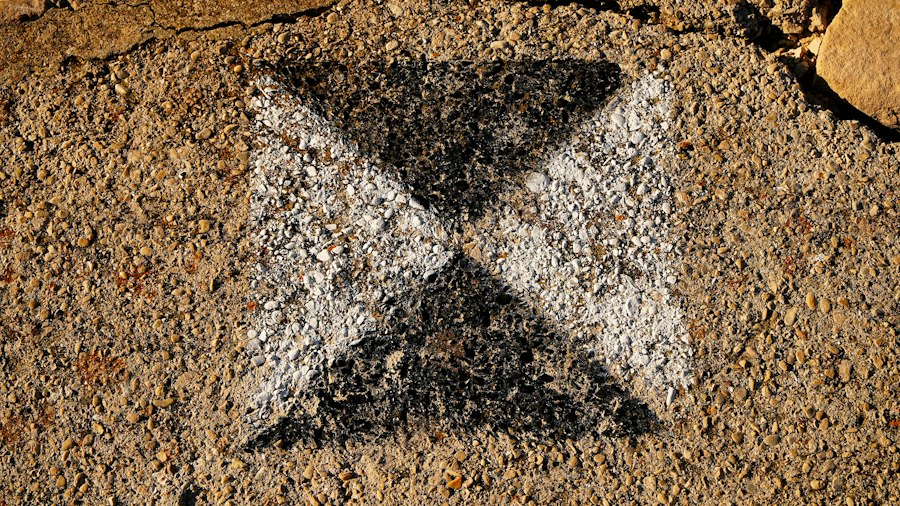
The act of reading ancient road signs is a detective story of sorts, requiring linguistic expertise, archaeological context, and a keen understanding of historical practices. The languages themselves are often a barrier, requiring skilled epigraphers to translate archaic scripts. The condition of the stone, weathered by centuries of exposure, can make decipherment a painstaking process. However, the rewards are immense, offering direct insights into the minds and lives of people from the distant past. Each inscription, once unlocked, becomes a voice from history, sharing its story.
The Rosetta Stones of the Road: Linguistic Keys to the Past
The challenges of deciphering ancient scripts are significant. Many of the languages used on road markers are no longer spoken, and the scripts themselves may be unfamiliar. However, as with the famous Rosetta Stone, the discovery of bilingual or multilingual inscriptions has been crucial in unlocking these ancient tongues. When an inscription contains the same text in a known language alongside an unknown one, it provides a vital key for translation. For example, the discovery of Roman milestones inscribed in Latin and local languages has been instrumental in understanding the spread of Roman influence and the linguistic landscape of their empire. Paleographers and epigraphers meticulously study the shapes of the letters, the stroke order, and the grammatical structures to reconstruct the meaning. The process is akin to piecing together a complex puzzle, where each symbol represents a fragment of lost knowledge.
Context is King: Archaeological Clues and Interpretive Frameworks
Deciphering an inscription is only part of the story. The archaeological context in which a stone marker is found is equally crucial for interpretation. The location of the marker, its relationship to the road, and the presence of other artifacts or structures can all shed light on its meaning. For instance, a stone found at a crossroads might have a different set of inscriptions than one marking a single route. A marker near a temple would likely bear religious connotations, while one near a border would emphasize territoriality. Archaeologists use their knowledge of ancient settlement patterns, trade networks, and social structures to create frameworks for understanding these inscriptions. This interdisciplinary approach, combining linguistic analysis with archaeological investigation, allows for a more comprehensive and accurate interpretation of the messages carved in stone. Without this contextual understanding, an inscription, even if translated, might remain a mere curiosity.
Typologies of Stone: A Material History of Communication
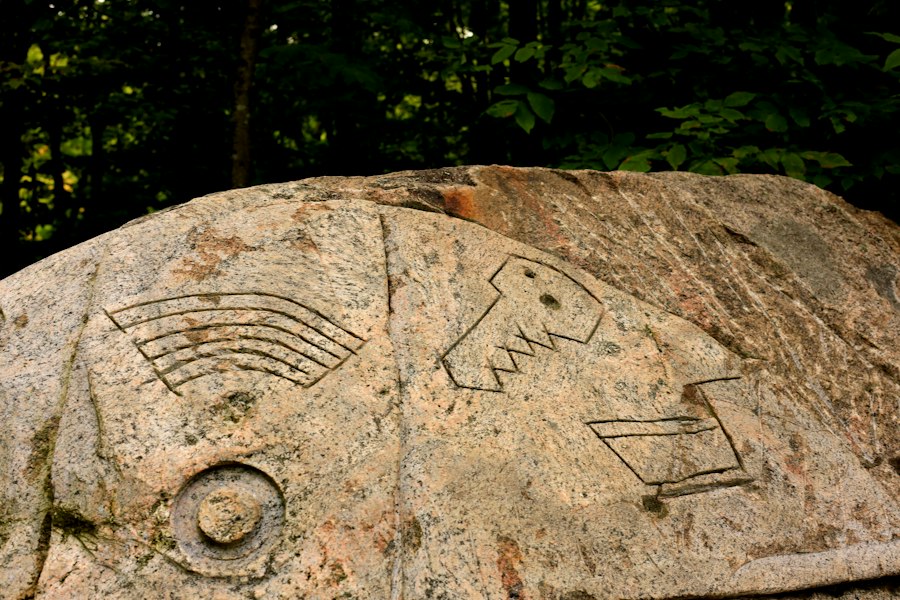
The choice of stone for road markers was not arbitrary. Different types of stone offered varying degrees of durability, workability, and aesthetic qualities. The geological availability of certain materials in a region also played a significant role. Examining the type of stone used provides insights into the technological capabilities of the civilization, their understanding of material properties, and their access to resources. From rough-hewn granite to finely polished marble, the very substance of these ancient road signs tells a story of human ingenuity and environmental interaction.
Local Quarries and Imperial Mandates: Sourcing the Stone
The decision of where to source the stone for road markers often reflected the logistical capabilities and administrative structures of the civilization. In smaller, localized systems, local quarries would have been the primary source, utilizing readily available materials. This often resulted in a greater variety of stone types being used within a given region, depending on the local geology. However, in large empires, such as the Roman Empire, the sourcing of stone could be dictated by imperial mandates. Valuable quarries might be exploited to produce standardized milestones or monumental markers that were then transported over long distances. The presence of specific types of stone far from their natural geological source is a strong indicator of organized labor and transportation networks. Studying the petrology of the stone can help archaeologists trace the origin of the materials, offering further clues about trade routes and imperial logistics.
Durability and Aesthetics: The Practical and Symbolic Qualities of Stone
The primary consideration for road markers was undoubtedly durability. The inscriptions needed to withstand weathering, erosion, and the passage of time. This led to the selection of hard, resilient stones like granite, basalt, and certain types of sandstone. However, the choice of stone also had symbolic and aesthetic dimensions. In some cultures, certain stones were considered sacred or auspicious, and their use in road markers would have carried spiritual weight. For monumental markers or those placed in prominent locations, the aesthetic qualities of the stone might have been a factor, with finely polished or attractively veined stones being chosen for their visual appeal. The very act of carving into a substantial block of stone conveyed a sense of permanence and authority, reinforcing the message being communicated. The contrast between rough, utilitarian markers and more finely crafted ones can speak volumes about the intended audience and the significance of the message.
Case Studies from Across the Globe: Global Glyphs of Guidance
The phenomenon of ancient road signs carved in stone is not confined to a single civilization or continent. Across diverse cultures and geographical regions, similar practices emerged, driven by the universal need for navigation and communication. Examining specific examples from different parts of the world reveals the remarkable parallels and fascinating divergences in how these ancient societies inscribed their messages onto the landscape. From the vast Roman network to the indigenous routes of North America, these stone messengers offer a rich tapestry of human experience.
The Roman Milestones: Imperial Reach Etched in Stone
Perhaps the most iconic and extensive examples of ancient road signs are the Roman milestones. These cylindrical or rectangular stone pillars were erected along the vast network of Roman roads, typically at intervals of one Roman mile. Inscribed with the name of the emperor under whom the road was built or repaired, the distance to the nearest major city, and sometimes other imperial decrees or dedications, they served as a constant reminder of Roman power and organizational prowess. Their sheer number and widespread distribution across the Roman Empire, from Britain to North Africa and the Middle East, attest to the scale of Roman infrastructure projects and the importance placed on facilitating travel and communication. The standardization of their design and inscription also reflects the centralized nature of Roman administration.
Indigenous Markers: Trails and Traditions of the Americas
While not always as monumental as their Roman counterparts, indigenous peoples in the Americas also utilized stone markers to guide travelers along ancient trails. These could take the form of carefully placed boulders, carved rocks with symbolic imagery, or cairns. These markers often served not only as directional aids but also as spiritual or ceremonial signposts, indicating sacred sites, ancestral lands, or places of importance for hunting or gathering. The interpretation of these markers often requires deep knowledge of local traditions and folklore, as their meanings were frequently embedded in oral histories and spiritual beliefs. Unlike the imperial pronouncements of Roman milestones, these indigenous markers often represent a more intimate and integrated relationship with the land and its inhabitants.
Asian Arteries: Silk Road Signals and Beyond
Along the legendary Silk Road and other ancient trade routes of Asia, stone markers played a vital role in guiding merchants and travelers across vast and often treacherous terrains. These could include inscribed stelae, carved directional stones, and even stupas that also served as landmarks. The inscriptions often indicated distances to important oases or cities, provided warnings of potential dangers, and sometimes carried Buddhist or other religious messages, offering spiritual guidance and protection to those on their arduous journeys. The sheer scale of the Silk Road, connecting East and West for centuries, necessitated robust navigational aids, and stone markers were an integral part of this ancient logistical marvel.
Ancient road signs carved in stone provide fascinating insights into the transportation and communication methods of early civilizations. These enduring markers not only guided travelers but also reflected the cultural and social dynamics of their time. For those interested in exploring more about the hidden histories of such artifacts, a related article delves into the significance of these ancient relics and their impact on our understanding of the past. You can read more about it in this intriguing piece on unearthing ancient secrets.
Legacy and Lessons: What Stone Road Signs Tell Us Today
| Location | Estimated Age | Material | Type of Sign | Purpose | Notable Features |
|---|---|---|---|---|---|
| Roman Empire (Via Appia, Italy) | ~2,000 years | Stone (Marble, Limestone) | Mile markers (Milliaria) | Distance measurement and directions | Inscribed with distances to Rome and other cities |
| Ancient Egypt (Nile Valley) | ~3,000 years | Sandstone, Limestone | Directional markers | Guidance for travelers and traders | Hieroglyphic inscriptions with symbols and directions |
| Mesopotamia (Babylon) | ~4,000 years | Basalt, Clay tablets | Boundary and route markers | Marking city limits and trade routes | Cuneiform inscriptions detailing distances and warnings |
| Ancient Greece (Athens) | ~2,500 years | Marble | Milestones and directional signs | Distance and direction for travelers | Engraved with city names and distances in stadia |
| Inca Empire (Peru) | ~600 years | Stone (Andesite) | Trail markers (Apachetas) | Marking important trail points and sacred sites | Stacked stones often used as offerings and guides |
The enduring presence of these ancient road signs offers more than just historical curiosity. They provide invaluable lessons about human communication, societal organization, and our relationship with the environment. By studying these silent witnesses, we gain a deeper appreciation for the challenges and triumphs of past civilizations, and we can even glean insights that are relevant to our modern world. Their very existence is a testament to a fundamental human need to connect, to share knowledge, and to leave a lasting mark on the world.
The Enduring Human Drive for Connection and Navigation
The continued existence of ancient road signs across vastly different cultures underscores a universal and persistent human drive: the need to connect with others and to navigate the world around us. These markers are tangible evidence of our ancestors’ desire to share knowledge, facilitate trade, and ensure the safety of those who ventured beyond familiar horizons. They speak to a fundamental aspect of human nature – our inherent curiosity and our drive to explore, which in turn necessitates the development of systems for communication and guidance. Even in an age of GPS and digital maps, the basic principle of providing directional information remains the same.
Archaeological Insights and Future Discoveries
The ongoing study of ancient road signs continues to yield new discoveries and deepen our understanding of the past. Each newly unearthed or deciphered inscription can rewrite historical narratives, shed light on forgotten trade routes, or reveal previously unknown aspects of ancient cultures. Archaeologists and epigraphers are constantly developing new techniques and technologies, from advanced imaging to DNA analysis of associated human remains, to extract more information from these ancient artifacts. The vastness of the ancient world and the many unexcavated or undiscovered road systems suggest that many more “messages from the past” are still waiting to be revealed, promising to further enrich our comprehension of human history.
Echoes for the Modern World: Lessons in Infrastructure and Communication
The lessons learned from ancient road signs extend beyond the purely academic. They offer valuable insights into the importance of robust infrastructure, clear communication, and the long-term planning necessary to build and maintain vital networks. The Roman Empire’s success, for instance, was intrinsically linked to its sophisticated road system, facilitating not only military movement but also the efficient flow of goods and information. In our own era of rapid technological advancement, understanding the principles that underpinned these ancient systems can inform our own infrastructure projects and communication strategies. The enduring power of a clear, permanent message, etched in stone for millennia, is a reminder that some forms of communication possess a timeless efficacy.
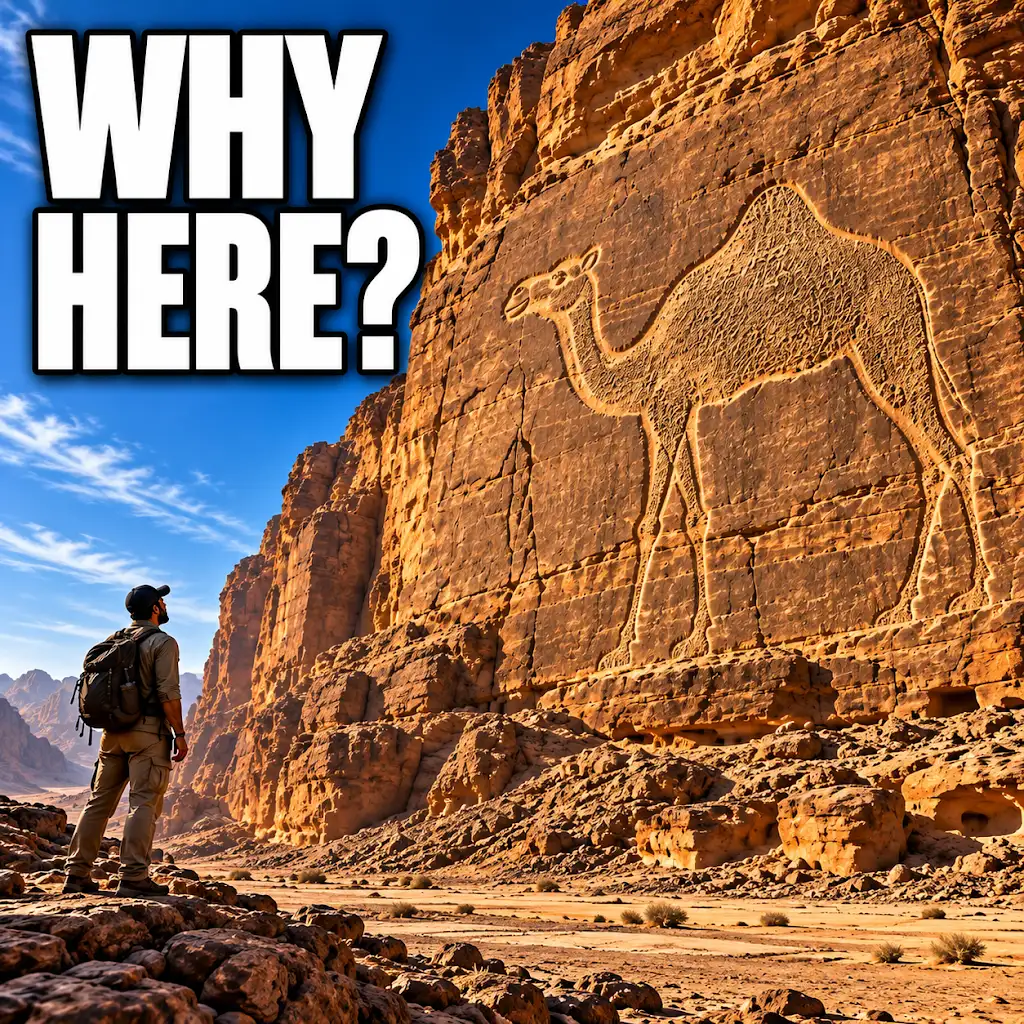
Why Were Giant Camels Carved Above the Desert?
FAQs
1. What are ancient road signs carved in stone?
Ancient road signs carved in stone are markers or inscriptions made on rocks or stones along ancient roads to provide directions, distances, or warnings to travelers.
2. Where can ancient road signs carved in stone be found?
Ancient road signs carved in stone can be found in various parts of the world, including ancient civilizations such as the Roman Empire, Egypt, Greece, and the Inca Empire.
3. How were ancient road signs carved in stone created?
Ancient road signs carved in stone were typically created by skilled craftsmen who used tools such as chisels and hammers to carve the inscriptions or symbols onto the surface of rocks or stones.
4. What information do ancient road signs carved in stone convey?
Ancient road signs carved in stone convey a range of information, including directions to nearby towns or landmarks, distances to specific destinations, warnings of potential hazards, and historical or religious significance of certain locations.
5. Why were ancient road signs carved in stone important?
Ancient road signs carved in stone were important for guiding travelers along ancient roads, facilitating trade and communication between different regions, and preserving historical and cultural information for future generations.