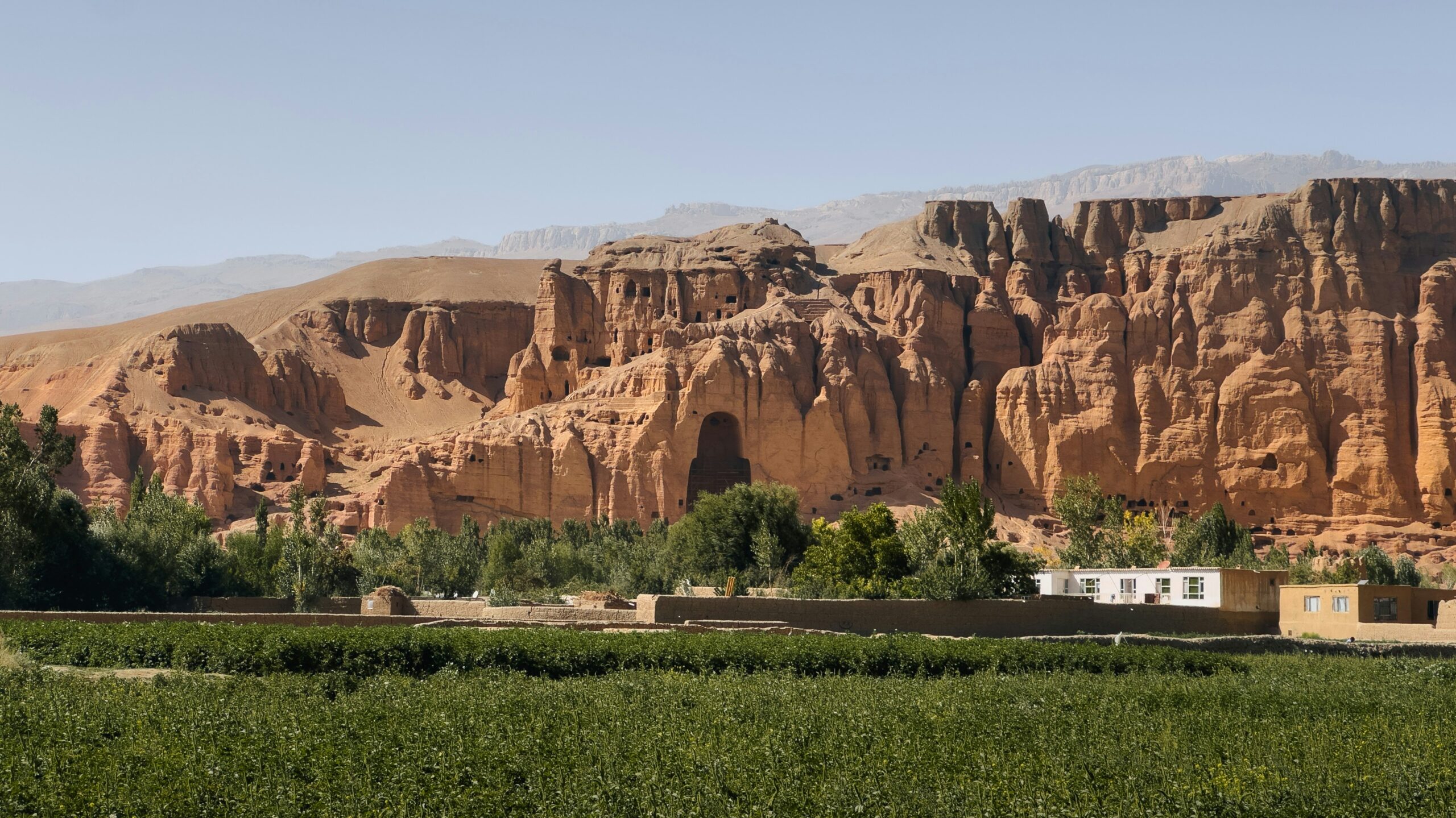
The relentless sun beats down on the vast, undulating expanse of sand, a seemingly barren canvas that has witnessed millennia of human endeavor. Yet, beneath this arid facade lies a vibrant tapestry of history, a testament to civilizations long past. The desert, often perceived as a void, is in reality a treasure trove, a silent guardian of ancient art and artifacts waiting to be unearthed. These hidden masterpieces, sculpted by skilled hands from perishable materials or etched into the very rock, offer an unparalleled window into the beliefs, rituals, and daily lives of peoples who once thrived in these seemingly inhospitable environments. The ongoing process of unearthing these timeless treasures is not merely an archaeological pursuit; it is a profound journey into the human spirit, revealing the enduring power of creativity and the indelible mark humanity has left upon the planet.
Echoes in Stone: The Enduring Legacy of Rock Art
The desert, in its stark beauty, has served as an immense gallery for ancient artists. The enduring nature of rock, exposed to the elements for thousands of years, has preserved a remarkable collection of petroglyphs and pictographs, offering a direct dialogue with our ancestors. These etched and painted images are not mere decorations; they are imbued with meaning, serving as records of hunts, spiritual journeys, astronomical observations, and social structures. The sheer scale and ubiquity of desert rock art across the globe speak to a fundamental human drive to communicate, to leave a lasting impression, and to connect with the divine.
Whispers from the Deep Past: Prehistoric Visions
In the remote corners of the world’s deserts, archaeologists and art historians are continuously discovering rock art sites that push back the boundaries of our understanding of early human cognition and artistic expression. These ancient images, often rendered with remarkable sophistication, depict a diverse array of subjects. The Saharan rock art, for instance, reveals vibrant scenes of pastoral life, with depictions of cattle, antelopes, and even humans engaged in activities like dancing and hunting. The sheer volume of these images, meticulously carved into the sandstone cliffs, suggests a society deeply connected to its environment and rich in symbolic thought. Similarly, the rock shelters of Australia’s Arnhem Land hold an astonishing collection of Aboriginal rock paintings, some dating back over 40,000 years. These paintings, often executed with ochre and charcoal, feature intricate depictions of Dreamtime spirits, ancestral beings, and the local fauna, providing a visual narrative of a complex cosmology and a profound spiritual connection to the land. The act of creating these images was likely not just an artistic endeavor but a ritualistic practice, a way of appeasing the gods, ensuring successful hunts, or passing down cultural knowledge through generations. The ephemeral nature of paint and the durability of stone have created a unique juxtaposition, allowing us to witness these ancient visions that have endured the ravages of time, offering silent testimonies to the early creative impulses of humanity.
Symbols of Power and Passage: Rituals and Beliefs Carved in Time
Beyond depictions of daily life, desert rock art frequently delves into the realm of the spiritual and the ceremonial. Many sites are strategically located in places of natural significance – near water sources, at the convergence of valleys, or on prominent rock formations – suggesting their use as sacred sites. The figures depicted often transcend the mundane, taking on exaggerated or stylized forms that hint at supernatural beings, shamans in trance, or important communal rituals. In the American Southwest, the petroglyphs of the Ancestral Puebloans often feature geometric patterns, anthropomorphic figures with headdresses, and depictions of celestial events, pointing to a deep understanding of astronomy and a reverence for the cosmos. The spiral motifs, for example, are thought to represent creation, the cycle of life, or journeys into the spiritual realm. The recurring presence of certain symbols across vast geographical distances also hints at shared belief systems and cultural exchange between ancient desert-dwelling peoples. These rock carvings were not static; some were likely added to over centuries, with different layers of meaning accumulating with each generation. The process of creating and interpreting these images was a dynamic engagement with the sacred, a way of solidifying social cohesion and reinforcing the fundamental tenets of their worldview. Studying these symbols allows us to reconstruct fragments of ancient belief systems, to understand how these communities navigated the challenges of their environment and sought meaning in the face of the unknown, all preserved in the enduring medium of stone.
Ancient art often holds secrets that connect us to the past, and a fascinating example can be found in the hidden treasures of the desert. The intricate designs and symbols carved into rock formations reveal the cultural significance and celestial knowledge of ancient civilizations. For a deeper exploration of how ancient cultures utilized celestial navigation, you can read the article on Minoan celestial navigation, which delves into the mysteries of their artistic expressions and navigational techniques. Check it out here: Unlocking the Secrets of Minoan Celestial Navigation.
Fleeting Forms: The Fragile Art of Organic Materials

While stone art endures, the desert’s arid climate also paradoxically preserves objects made from more delicate materials. The extreme dryness inhibits decomposition, allowing for the survival of textiles, basketry, wooden carvings, and even human remains adorned with intricate artwork. These finds, though often more fragile and less numerous than rock art, offer an intimate glimpse into the craftsmanship, daily life, and aesthetic sensibilities of ancient desert populations.
Threads of Time: Textiles and Basketry as Cultural Narratives
The deserts of the world have yielded astonishing examples of ancient textiles and basketry, objects that speak volumes about the ingenuity and artistry of their creators. In the Peruvian desert, for example, the dry climate has preserved textiles from the Paracas and Nazca cultures that are centuries old, yet still vibrant in color and intricate in design. These fabrics, woven from cotton and camelid fibers, feature complex geometric patterns, zoomorphic figures, and anthropomorphic representations. The dyes used, derived from plants and insects, demonstrate a sophisticated understanding of natural pigments. The sheer labor involved in creating these textiles, from spinning the fibers to weaving the intricate patterns, underscores their immense cultural and economic value. They were not merely functional garments but elaborate expressions of identity, social status, and religious beliefs. Similarly, basketry found in regions like the American Southwest, from ancient Pueblo cultures to the Anasazi, showcases remarkable skill and diversity. Made from yucca, yucca fibers, or willow, these baskets were used for a multitude of purposes, from storing food and water to carrying infants. The patterns woven into them, often using different colored reeds or by employing various weaving techniques, are not only aesthetically pleasing but also carry symbolic meanings, sometimes representing clan affiliations or cosmological beliefs. The survival of these organic artifacts is a testament to the desert’s ability to act as a natural conservator, allowing us to appreciate the delicate artistry that might have long since vanished in more humid environments. Each thread and every woven strand tells a story of human connection to the natural world and the persistent desire to create beauty and order.
Sculpted by Hand: Wooden Artifacts and Their Stories
Wooden artifacts, though more susceptible to decay than stone, have also been remarkably preserved in some desert environments, offering another layer of insight into ancient cultures. In regions with minimal rainfall and organic matter, wooden carvings and tools can survive for millennia. The ancient Egyptians, for instance, buried their dead with a wealth of wooden artifacts, from funerary statues and furniture to everyday tools and even model boats. The dry air of the tombs has kept these objects remarkably intact, allowing us to admire the skill of their woodworkers. These carvings often depict deities, pharaohs, animals, and scenes of daily life, providing invaluable information about their religious beliefs, social hierarchy, and artistic conventions. The meticulous detail and skilled craftsmanship evident in these wooden pieces highlight a sophisticated understanding of different wood types and carving techniques. In other desert regions, such as parts of the Arabian Peninsula, wooden implements and decorative objects have been found in ancient settlements and burial sites. These might include combs, small figurines, or parts of tools, each offering a tangible link to the past. The use of wood, a material that was likely scarce in many desert landscapes, further emphasizes its importance and the value placed on its artistic and utilitarian application. The survival of these wooden treasures, like their textile counterparts, is a testament to the unique preservative qualities of the desert, allowing these fleeting forms to endure and to whisper their stories across the vastness of time.
Treasures from the Tomb: The Art of the Underearth
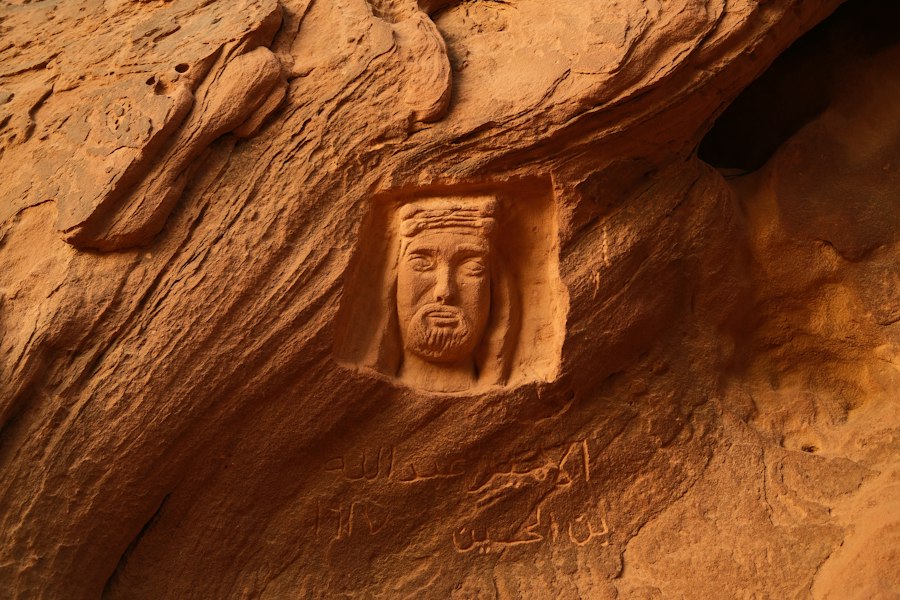
The desert’s arid embrace extends not only to open-air sites but also to the subterranean realms of ancient tombs and burial chambers. These hidden repositories, often sealed from the elements for millennia, have yielded a breathtaking array of artistic treasures, providing some of the most intact and informative archaeological finds. The preservation within these tombs is often exceptional, safeguarding delicate materials and intricate details that would have long since perished on the surface.
The Eternal Dwelling: Funerary Art and Beliefs in the Afterlife
Across many ancient desert cultures, a profound focus was placed on the afterlife, and this preoccupation is vividly reflected in the art found within their tombs. The Egyptian pharaohs, for example, invested enormous resources into creating elaborate tombs filled with treasures intended for their eternal journey. The walls of these tombs are adorned with vibrant hieroglyphs and meticulously painted scenes depicting the deceased interacting with gods, participating in funerary rites, and enjoying the pleasures of the afterlife. Statues of the deceased, designed to house their spirit, were often placed within the tomb, rendered with remarkable realism and artistic skill. The materials used ranged from stone and wood to precious metals and faience, each chosen for its durability and symbolic significance. The purpose of this funerary art was not merely decorative; it was believed to possess magical efficacy, ensuring the continued well-being of the deceased in the next world. The offerings of food, drink, and personal belongings, often accompanied by artistic representations, were intended to sustain them eternally. In other desert regions, such as the ancient Silk Road oases, tombs have revealed a diverse array of grave goods, including painted pottery, metalwork, and even textiles, all reflecting the artistic traditions of their respective cultures and their beliefs about the transition from life to death. The preservation of these artifacts within the stable, dry environment of the tomb allows us a remarkably complete and intimate view of these ancient customs and their artistic manifestations.
Gilded Remains: Adornment and Personal Expression in Death
Beyond the grand funerary monuments, even the personal adornments found with ancient desert burials offer a fascinating glimpse into artistic expression and social identity. Necklaces, bracelets, earrings, and amulets, crafted from a variety of materials including precious metals, semi-precious stones, and beads, have been recovered from desert tombs, many in astonishing condition. The intricate craftsmanship and the choice of materials often reflect the status and wealth of the individual. The symbolic meanings embedded in these adornments are also significant. For instance, certain amulets were believed to offer protection from evil spirits, while others were associated with fertility or good fortune. The style and design of these personal ornaments can also provide crucial clues about cultural connections and artistic influences. Cross-cultural trade along ancient desert routes led to the exchange of artistic ideas and materials, resulting in unique hybrid styles. The desert’s ability to preserve these delicate items, often made of organic materials like bone or shell alongside more durable metals and stones, allows us to appreciate the artistry of personal adornment and understand how individuals expressed themselves and their beliefs, even in death. These gilded remains are not just historical curiosities; they are deeply personal artifacts that connect us to the individuals who wore them, offering a poignant reminder of our shared humanity and the enduring desire for beauty and self-expression.
Oasis of Creativity: The Art of Desert Settlements
While tombs and rock faces preserve artistic legacies, the remains of ancient settlements in desert regions offer a different, yet equally vital, perspective on the art that permeated daily life. The arid conditions often preserve foundations, pottery shards, tools, and even the layouts of ancient homes, providing a tangible connection to the communities that once flourished in these landscapes. The art found in these settlements speaks of domestic life, community rituals, and the practical application of artistic skill.
Echoes in Clay: Pottery as a Canvas for Daily Life
Pottery is perhaps one of the most ubiquitous forms of art recovered from ancient desert settlements, and its significance cannot be overstated. The dry climate excels at preserving ceramic fragments, allowing archaeologists to reconstruct entire vessels and analyze their designs. These pottery pieces, ranging from simple utilitarian bowls to elaborately decorated ceremonial vessels, served as a canvas for the artistic expression of everyday people. The materials used, typically local clays, and the firing techniques employed reveal a deep understanding of the environment and its resources. The decorative techniques are incredibly diverse, including incised patterns, painted designs using ochre and other natural pigments, and the application of slip for added texture and color. The motifs found on pottery often reflect the natural world – animals, plants, and geometric patterns that mimic natural formations. They can also offer insights into mythology, social customs, and religious beliefs, with certain symbols or imagery appearing repeatedly on ceremonial pieces. For example, the painted pottery of the ancient inhabitants of the Indus Valley, with its intricate geometric patterns and depictions of animals, provides a rich visual record of their culture. Similarly, the pottery unearthed from sites in the American Southwest, such as those of the Mogollon or Hohokam cultures, showcases a remarkable range of styles, from the abstract geometric designs of the Mogollon to the curvilinear patterns of the Hohokam, often reflecting their unique cultural traditions and artistic innovations. The study of these pottery traditions allows us to understand the economic activities, trade networks, and the aesthetic sensibilities of these ancient desert dwellers, revealing that art was not confined to temples or tombs but was an integral part of their daily lives.
Crafted for Comfort and Ceremony: Architecture and Decorative Elements
The remnants of ancient desert settlements also reveal artistic considerations in their architecture and decorative elements. While often built from readily available materials like mud brick, stone, and thatch, the design and embellishment of these structures often incorporated aesthetic principles. The orientation of buildings to take advantage of prevailing winds for cooling, the use of decorative patterns in plasterwork, and the incorporation of symbolic elements into gateways or courtyards all speak to a deliberate artistic engagement with the built environment. In ancient Mesopotamia, for instance, the city of Ur, situated in a desert region, featured elaborate ziggurats and palaces adorned with intricate relief carvings and colorful glazed bricks, showcasing a sophisticated understanding of monumental art and architecture. Even in simpler settlements, the careful arrangement of dwellings, the construction of communal spaces, and the embellishment of thresholds could have held artistic and social significance. The discovery of painted murals within the homes of some desert cultures, though often less well-preserved than those in tombs, offers glimpses into their domestic aesthetic. These murals might depict scenes of nature, abstract patterns, or even narrative sequences, bringing color and life to their living spaces. The artistic intent behind these architectural and decorative choices was not solely functional; it was also about creating a sense of place, reinforcing community identity, and potentially expressing spiritual beliefs. The art embedded within the fabric of these ancient settlements offers a grounded perspective on the lives of desert peoples, demonstrating that creativity flourished not only in monumental works but also in the everyday spaces they inhabited.
Recent discoveries in the vast deserts have unveiled ancient art that offers a glimpse into the lives of long-lost civilizations. These remarkable findings not only highlight the creativity of early societies but also raise questions about their social structures and economic systems. For a deeper understanding of how these ancient cultures may have functioned, you can explore a related article that delves into historical perspectives on debt and peonage systems, which can provide valuable context to the art found in the desert. To read more about this intriguing topic, visit this article.
Preserving the Past, Inspiring the Future: The Modern Endeavor
| Artifact | Location | Estimated Age (Years) | Material | Significance |
|---|---|---|---|---|
| Petroglyphs of Wadi Rum | Wadi Rum Desert, Jordan | 4,000 – 6,000 | Rock carvings | Depict ancient Bedouin life and animals |
| Nasca Lines | Nasca Desert, Peru | 1,500 – 2,000 | Geoglyphs in soil | Large-scale drawings with possible astronomical significance |
| Thamudic Inscriptions | Arabian Desert, Saudi Arabia | 2,000 – 3,000 | Stone inscriptions | Ancient script providing insight into pre-Islamic cultures |
| Great Sphinx of Giza | Giza Desert, Egypt | 4,500 | Limestone | Iconic statue representing royal power and protection |
| Gobustan Rock Art | Gobustan Desert, Azerbaijan | 5,000 – 40,000 | Petroglyphs | Depicts prehistoric human life and rituals |
The unearthing of ancient desert art is not a passive act of discovery but an active and ongoing endeavor that requires dedication, scientific rigor, and a deep respect for the past. The challenges of preserving these fragile treasures in their harsh environments, coupled with the ethical considerations of their removal and display, are at the forefront of modern archaeological and conservation efforts. Yet, the rewards are immense, offering invaluable insights into human history and inspiring new forms of artistic expression.
The Delicate Dance of Preservation: Protecting Fragile Legacies
The very desert conditions that have preserved ancient art also pose significant threats to its continued existence. The relentless sun, extreme temperature fluctuations, sandstorms, and the risk of human interference all contribute to the deterioration of these irreplaceable artifacts. Modern archaeological science plays a crucial role in mitigating these threats. Advanced dating techniques, non-invasive imaging technologies, and careful excavation methods help to minimize damage during the unearthing process. Once discovered, conservationists employ a range of sophisticated techniques to stabilize and protect the art. For rock art, this might involve reinforcing unstable rock faces, cleaning away harmful accretions, and implementing measures to prevent erosion. For organic materials, such as textiles or wooden artifacts, careful climate control and specialized treatments are essential to prevent decay and insect infestation. The development of digital documentation techniques, including high-resolution photography, 3D scanning, and virtual reality reconstructions, is also vital. These digital records provide a permanent archive of the art, allowing for study and appreciation even if the original artifact is lost or further degrades. Furthermore, community involvement and education are increasingly recognized as critical components of preservation. Empowering local communities to act as stewards of their cultural heritage fosters a sense of ownership and responsibility, ensuring the long-term protection of these fragile legacies. The ongoing challenge lies in balancing the desire for access and study with the imperative to safeguard these treasures for future generations, a delicate dance that requires continuous innovation and collaboration.
Footprints on the Sands of Time: The Ethical Landscape of Archaeology
The unearthing of ancient art from desert landscapes is inextricably linked to a complex ethical landscape. For decades, the pursuit of archaeological treasures often occurred without full consideration for the communities whose ancestors created them. The removal of artifacts from their original contexts, sometimes for private collections or distant museums, raised profound questions about ownership, repatriation, and the cultural significance of these objects. Today, the field of archaeology is increasingly guided by principles of ethical practice and collaboration. This involves working closely with indigenous communities and descendant groups, respecting their cultural heritage, and ensuring that they have a voice in how their past is studied and presented. The concept of cultural patrimony, which recognizes that cultural heritage belongs to the people who created it, has gained significant traction. This has led to the repatriation of many artifacts to their rightful owners, fostering a more equitable and respectful approach to archaeological research. Furthermore, modern archaeology emphasizes the importance of studying art within its original context. Understanding where a piece was found, its relationship to other artifacts, and its intended purpose provides a far richer and more accurate interpretation than studying it in isolation. The ethical challenges are ongoing, and the dialogue between archaeologists, heritage professionals, and descendant communities is crucial for navigating this evolving landscape. The goal is not simply to unearth treasures, but to do so in a manner that honors the people who created them, respects their cultural legacy, and ensures that their stories are told responsibly and inclusively, leaving only footprints on the sands of time.
The desert, once seen as a silent, empty expanse, is now recognized as a vibrant repository of human creativity and a profound source of knowledge about our collective past. The ancient art hidden within its sands and etched into its rocks speaks a universal language, transcending time and culture. Each unearthed artifact, each rediscovered image, is a testament to the enduring human spirit, a reminder of our shared heritage, and an inspiration for the future. The ongoing quest to unearth these timeless treasures is not merely about academic pursuit; it is about connecting with the essence of humanity itself, understanding where we came from, and appreciating the boundless capacity for art and expression that has always been an intrinsic part of the human journey.
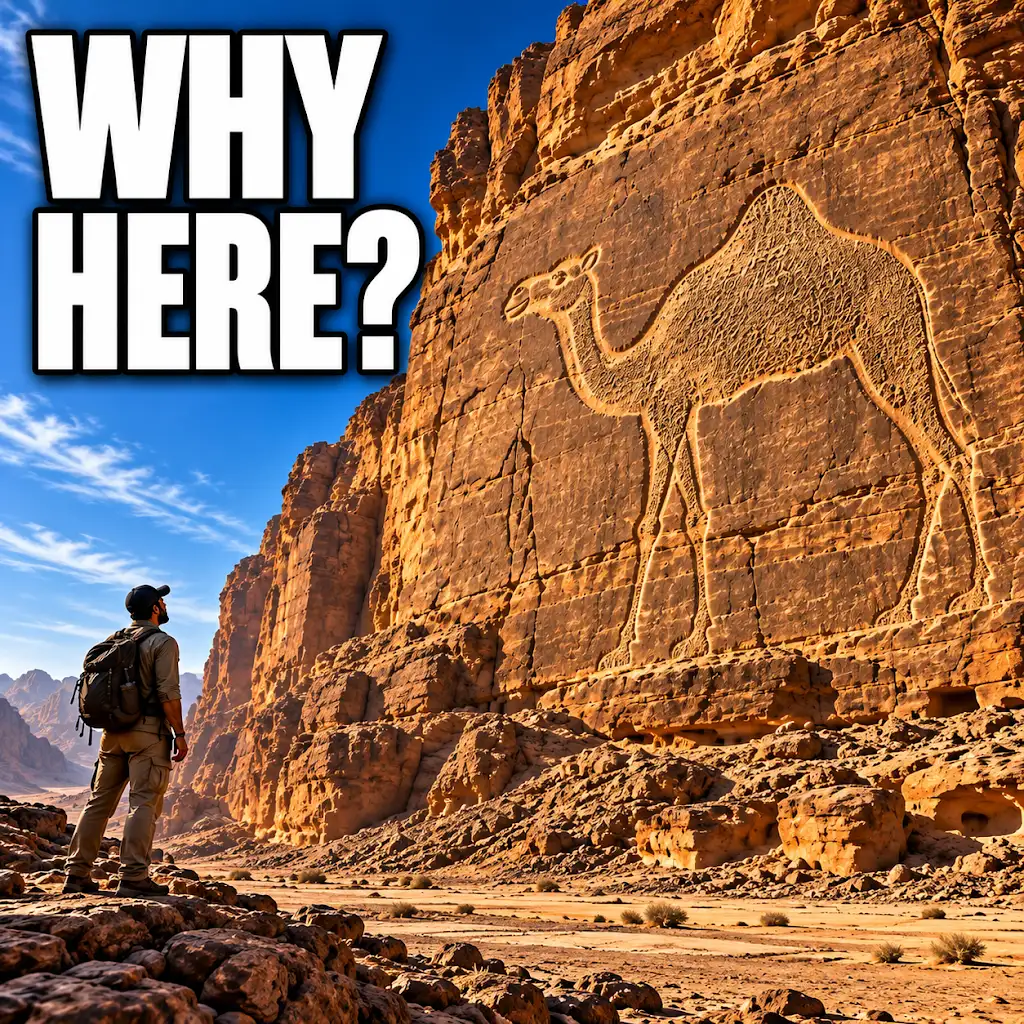
Why Were Giant Camels Carved Above the Desert?
FAQs
What is the significance of ancient art hidden in the desert?
Ancient art hidden in the desert provides valuable insights into the culture, beliefs, and practices of ancient civilizations that once inhabited the area.
How are ancient artworks preserved in the desert?
Ancient artworks in the desert are often preserved due to the arid climate, which helps protect them from erosion and other forms of deterioration.
Who created the ancient art found in the desert?
Ancient art in the desert was created by the inhabitants of the region thousands of years ago, showcasing their artistic skills and cultural expressions.
What techniques were used to create ancient art in the desert?
Ancient artists in the desert used various techniques such as rock carving, painting, and engraving to create their artworks on rocks, caves, and other surfaces.
Why is it important to study and preserve ancient art hidden in the desert?
Studying and preserving ancient art hidden in the desert helps us better understand the history and development of human civilization, as well as appreciate the artistic achievements of our ancestors.