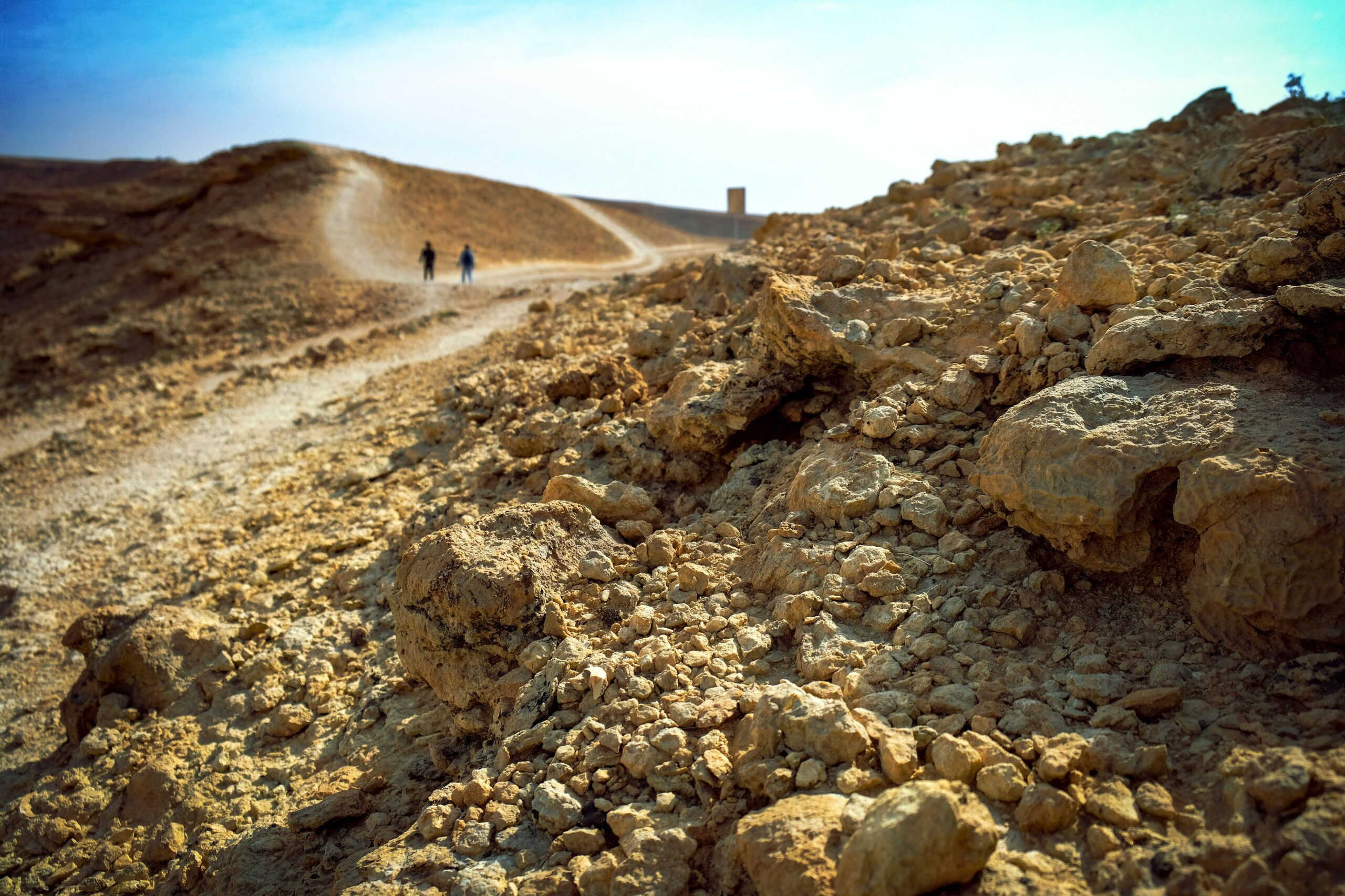
The sun beat down on the ochre sands, a familiar, unrelenting force. For millennia, life in ancient Arabia was a delicate dance with this harsh climate. Yet, evidence unearthed from the very earth reveals a startling truth: this arid land was not always so. It endured profound climatic shifts, periods of verdant abundance interspersed with eras of profound drought. Understanding these ancient environmental transformations offers more than just a glimpse into a bygone era; it provides invaluable lessons for navigating the climate challenges of our own time. The Arabian Peninsula, often perceived as an unchanging desert, has in fact been a dynamic canvas painted by dramatic climate fluctuations throughout its long history.
The Shifting Sands of Time: Prehistoric Arabian Greenings
The popular image of Arabia as perpetually arid is a relatively recent phenomenon. Geological and archaeological evidence paints a far more complex and surprising picture. Far from being a static desert, the Arabian Peninsula has experienced significant periods of increased rainfall and flourishing vegetation, transforming vast swathes of the landscape into savannas, grasslands, and even lakes. These “Green Arabia” phases were not mere anomalies but recurring chapters in the region’s climatic narrative, fundamentally shaping its ecosystems and the trajectory of human settlement.
The Great Interglacial Periods: A Flourishing Past
The most dramatic of these wetter periods coincided with interglacial epochs, particularly the African Humid Period, which extended its influence northward to the Arabian Peninsula. During these times, monsoon systems, which now largely bypass the peninsula, penetrated further inland, bringing significantly more rainfall. This moisture transformed the landscape. Rivers, now reduced to dry wadis, would have flowed consistently. Lakes, some covering hundreds of square kilometers, dotted the interior, providing crucial water sources for both wildlife and early human populations. The evidence for these lush eras is compelling. Paleoclimatic proxies, such as lake sediments and speleothems (cave formations), reveal high levels of precipitation. Paleobotanical studies of fossil pollen and plant remains indicate the presence of trees, grasses, and other vegetation not found in the region today.
Echoes in the Rocks: Archaeological Traces of Abundance
The archaeological record offers compelling corroboration. During these wetter phases, human activity intensified. Stone tools, settlements, and rock art sites are found in areas that are now extremely arid and inhospitable. The presence of these artifacts in such locations strongly suggests that these environments were once capable of supporting human populations. Early humans, following game and seeking water, would have been drawn to these greener oases. The famous “white horse” rock art panels in Saudi Arabia, depicting a thriving fauna including horses, camels, and other large mammals, are testament to a more verdant past, a time when such animals could subsist on the abundant vegetation. The discovery of freshwater fossils and the analysis of sediment cores from ancient lakebeds further solidify the understanding of these dramatically different climatic conditions. These findings collectively paint a vivid picture of an Arabia far removed from the stereotypical desert, a land once capable of sustaining diverse ecosystems and human life on a grander scale.
Recent studies have shed light on how ancient Arabia adapted to climate change, revealing the resilience and ingenuity of early civilizations in the region. These findings are discussed in detail in the article titled “The Lost Power of Ancient Technology,” which explores the innovative methods used by ancient societies to cope with environmental challenges. For more insights on this topic, you can read the article here: The Lost Power of Ancient Technology.
Adapting to Aridity: Human Ingenuity in a Changing Landscape

As the monsoon rains receded and the Arabian climate shifted back towards aridity, the inhabitants of the peninsula were forced to adapt. This was not a passive surrender to environmental pressures but a testament to human resilience and innovation. Across millennia, various cultures and communities developed sophisticated strategies to survive and thrive in increasingly challenging conditions, demonstrating a deep understanding of their environment and a remarkable capacity for resource management.
Water Management: The Lifeline of Civilizations
The scarcity of water became the defining challenge, and its management became paramount to survival and the development of complex societies. Ancient Arabians, facing dwindling rainfall, developed ingenious methods to capture, store, and distribute this precious resource. The construction of vast networks of qanats, underground water channels, is a prime example. These engineering marvels, which channeled water from distant aquifers to settlements, minimized evaporation and ensured a consistent supply. Examples of qanats have been found across the Arabian Peninsula, with some dating back to antiquity. Beyond qanats, the construction of cisterns, reservoirs, and carefully designed wells also played a crucial role in water security. These structures, often built from local stone and earth, were designed to maximize rainfall capture and minimize loss. The meticulous planning and execution of these water management systems highlight a profound understanding of hydrology and a long-term vision for sustainability.
Pastoralism and Nomadism: A Mobile Existence
In response to the dispersed nature of water and grazing resources, pastoralism and nomadic lifestyles became deeply ingrained in Arabian culture. These modes of existence were not simply about following the rain; they represented a dynamic adaptation to a fluctuating environment. Herds of camels, goats, and sheep, well-suited to arid conditions, provided sustenance, transport, and a form of mobile capital. Nomadic communities possessed an intimate knowledge of the land, understanding seasonal patterns of vegetation, water sources, and the migratory routes of animals. This knowledge allowed them to navigate vast distances, exploit ephemeral resources, and avoid the worst impacts of drought. Their flexibility and mobility were key to their survival, enabling them to move to areas where resources were still available when others became depleted. This intricate relationship between people, livestock, and the land demonstrates a sophisticated understanding of ecological cycles and a successful strategy for resilience.
Early Agricultural Endeavors: Cultivating Resilience
While vast swathes of Arabia remained better suited to pastoralism, evidence suggests that early agricultural practices also emerged, particularly in areas with more reliable water sources. These might have involved small-scale cultivation of drought-resistant crops or oases farming. The development of irrigation techniques, however rudimentary, would have been essential. The cultivation of date palms, a highly drought-tolerant and nutritious crop, became a cornerstone of many Arabian societies, providing food, shade, and building materials. The success of these early agricultural ventures, though often limited in scope, further illustrates the human capacity to adapt and exploit even the most challenging environments through careful resource management and technological innovation.
Unforeseen Consequences: The Human Impact on Ancient Ecosystems

The story of ancient Arabia’s climate change is not solely a narrative of natural fluctuations and human adaptation; it also includes the emergent understanding of how human actions, even on a smaller scale than today, could interact with and exacerbate environmental pressures. While natural climatic shifts were the primary drivers of major transformations, evidence suggests that human activities began to leave their mark, particularly in areas of intense settlement and resource utilization.
Overgrazing and Desertification: A Subtle Erosion
As human and animal populations grew, particularly during periods of increased rainfall that supported larger herds, the pressure on vegetation increased. The practice of overgrazing, where livestock consume plants faster than they can regenerate, can lead to a gradual degradation of rangelands. In areas where rainfall was already variable, intense grazing could have accelerated the process of desertification, transforming productive grasslands into sparser, more arid landscapes. While the scale of this impact may have been localized compared to modern desertification, it represents an early example of human-induced environmental change that could have compounded the effects of natural climate variability, making regions more vulnerable to drought.
Resource Depletion and Land Use Change
The demands of growing settlements, the construction of infrastructure like irrigation systems and fortifications, and the need for fuel and building materials also placed pressure on local resources. Deforestation, even if limited to specific areas for timber, could have altered local microclimates and reduced soil stability. The intensive use of land for agriculture, even in smaller pockets, could have depleted soil nutrients over time, especially without advanced techniques for replenishment. These localized changes, when combined with natural climatic stresses, could have created feedback loops where human pressures made the environment less resilient to drought, leading to a more rapid or severe decline in productivity.
The Historical Record: Clues in the Decline of Settlements
Archaeological evidence sometimes points to the abandonment of settlements or a decline in prosperity that could be linked to environmental degradation. While the reasons for such declines are often multifaceted, including social and political factors, environmental stress, potentially exacerbated by human activities, may have played a significant role. The inability to sustain populations due to dwindling resources, whether natural or human-induced, could have been a contributing factor in societal shifts and migrations. This suggests that even in ancient times, a recognition of the delicate balance between human needs and environmental capacity was crucial for long-term survival.
Lessons from the Past: Ancient Arabia’s Relevance Today
The climatic history of ancient Arabia offers a profound and timely set of lessons for contemporary society. The dramatic shifts from verdant landscapes to arid deserts, and the human ingenuity and eventual challenges faced, provide a historical mirror to our current environmental predicaments. By examining how past populations navigated similar, albeit differently scaled, climatic transitions, we can glean insights that inform our strategies for adaptation, resilience, and sustainable coexistence with our planet.
The Power of Adaptation and Innovation
The ancient Arabians’ success in adapting to a changing climate underscores the critical importance of human ingenuity and flexible strategies. Their development of sophisticated water management systems, their mastery of pastoralism and nomadism, and their understanding of resource utilization demonstrate that even in the face of significant environmental challenges, adaptation is possible. This historical precedent encourages us to invest in innovative solutions for water conservation, explore sustainable agricultural practices suited to arid and semi-arid regions, and develop flexible socio-economic models that can withstand climatic shocks. The ancient ingenuity in managing scarcity serves as a powerful reminder that human innovation remains a key tool in our arsenal against climate change.
The Fragility of Ecosystems and the Risk of Exacerbation
The evidence of localized human impact on ancient Arabian ecosystems serves as a stark warning about the potential for human activities to exacerbate natural climate variability. While natural forces drove the major climatic shifts, human pressures like overgrazing and resource depletion could have amplified the negative consequences of drought. This historical dynamic highlights the interconnectedness of natural and human systems and the crucial need to manage our impact on the environment. For today, it reinforces the urgency of addressing issues like deforestation, unsustainable land use, and the consequences of unchecked resource extraction, which can make natural climate phenomena more destructive. Understanding this feedback loop is essential for effective mitigation and adaptation strategies.
Long-Term Thinking and Intergenerational Responsibility
The ancient Arabians who invested in qanats and developed nomadic traditions were, in essence, engaging in long-term thinking and ensuring the survival of future generations. Their actions were driven by the immediate need for survival, but their legacy was one of sustained resource management. This contrasts with many modern approaches that can prioritize short-term gains over long-term environmental health. The history of ancient Arabia compels us to adopt a similar long-term perspective in our climate policies and resource management. It emphasizes the ethical responsibility we have to future generations to leave them a habitable planet, fostering a sense of intergenerational stewardship.
Recent studies have shed light on the impact of climate change in ancient Arabia, revealing how shifting environmental conditions influenced the region’s early civilizations. For a deeper understanding of how communication and infrastructure can be affected by environmental factors, you might find the article on securing cislunar communication lines particularly insightful. It highlights best practices that can be applied to modern challenges, drawing parallels to historical adaptations. To explore this further, you can read the article here.
Modern Echoes: Connecting Ancient Lessons to Contemporary Challenges
| Metric | Data/Value | Time Period | Source/Study | Notes |
|---|---|---|---|---|
| Average Annual Rainfall | 100-200 mm | 3000 BCE – 1000 BCE | Palynological Studies, Arabian Peninsula | Higher rainfall supported more vegetation and human settlements |
| Temperature Anomaly | +1.5°C | Mid-Holocene (~6000 years ago) | Speleothem Records from Oman | Warmer climate contributed to desertification trends |
| Desert Expansion Rate | Approx. 0.5 km/year | 2000 BCE – 500 BCE | Geomorphological Surveys | Expansion of Rub’ al Khali desert influenced migration patterns |
| Vegetation Cover | Decreased by 40% | 4000 BCE – 1000 BCE | Pollen Analysis, Arabian Peninsula | Shift from savanna to arid desert vegetation |
| Lake Levels | Drop of 10-15 meters | Late Holocene (~3500 years ago) | Lake Sediment Cores, Yemen | Indicative of prolonged drought periods |
The narrative of ancient Arabia’s climate change is not confined to dusty archaeological sites and academic journals. Its echoes resonate powerfully in the challenges faced by the region and the world today. The lessons learned from past environmental transformations offer a framework for understanding and addressing the complex climate dynamics that define our current era, providing a historical context that can inform our present and future actions.
The Arabian Peninsula Today: A Case Study in Climate Vulnerability
The Arabian Peninsula, now a global hub of energy production, remains a region acutely vulnerable to climate change. Rising temperatures, increasing water scarcity, and the potential for more extreme weather events pose significant threats to its economies, societies, and ecosystems. The historical experience of Green Arabia phases, followed by periods of intense aridity, provides a stark reminder of the region’s inherent climatic dynamism. This historical understanding can inform contemporary efforts to develop sustainable water management strategies, invest in renewable energy sources, and build climate-resilient infrastructure. The past teaches that reliance on fossil fuels, while historically significant, is unsustainable in the long run and that adaptation to a changing climate is not an option but a necessity.
Global Implications: A Blueprint for Resilience
The story of ancient Arabia’s climate change extends beyond regional concerns; it offers a global blueprint for resilience. The principles of water conservation, diversified resource management, and adaptive socio-economic structures are universally applicable. As the world grapples with the escalating impacts of climate change, from droughts and floods to sea-level rise and extreme heat, the historical precedents of past civilizations offer valuable insights. Understanding how past societies succeeded and, at times, struggled in the face of climatic shifts can guide our own efforts to build more sustainable and resilient societies. It encourages a move away from exploitative practices and towards a harmonious coexistence with the natural world, recognizing that our actions have long-term consequences.
The Importance of Paleoclimate Research for Future Planning
The continued study of ancient Arabia’s climate, through disciplines like paleoclimatology, archaeology, and paleoenvironmental science, is not merely an academic pursuit. It is a vital undertaking for informing present-day climate modeling and future planning. By understanding the range and pace of past climatic variations, scientists can refine their predictions of future climate scenarios. The discovery of “Green Arabia” periods, for example, highlights that significant shifts are possible, even in seemingly stable arid regions. This knowledge is crucial for developing effective mitigation and adaptation strategies that account for the full spectrum of potential climate futures, ensuring that our responses are not based on assumptions of static conditions but on a deep understanding of Earth’s dynamic climatic history. The past, in this sense, serves as an invaluable teacher, illuminating the path forward for a climate-conscious future.
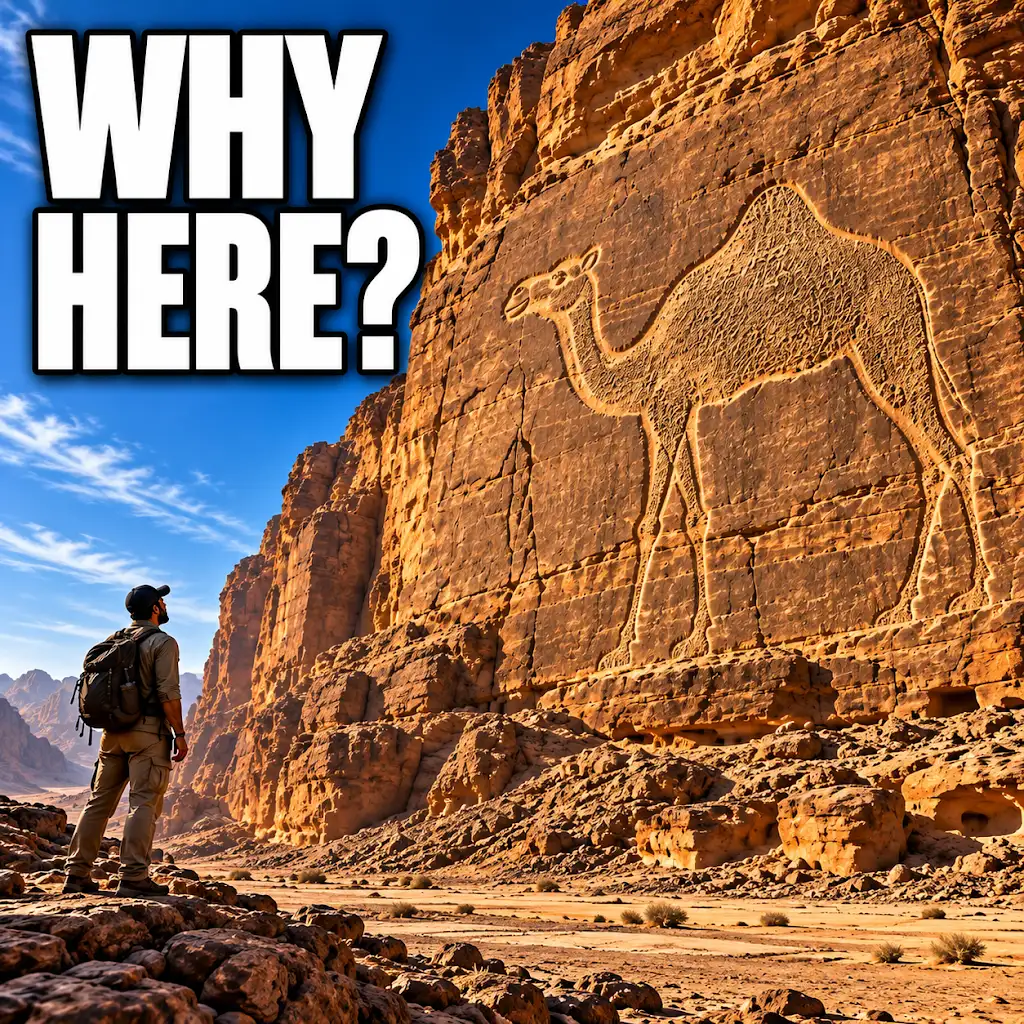
Why Were Giant Camels Carved Above the Desert?
FAQs
What evidence suggests that ancient Arabia experienced climate change?
Studies of sediment cores from ancient lakes in Arabia show fluctuations in pollen and charcoal deposits, indicating shifts in vegetation and fire activity due to changing climate conditions.
How did climate change impact ancient Arabian civilizations?
Climate change in ancient Arabia led to periods of drought, which affected agriculture, water availability, and trade routes, ultimately influencing the rise and fall of civilizations in the region.
Were there any adaptations to climate change in ancient Arabia?
Ancient Arabian civilizations developed sophisticated water management systems, such as falaj irrigation networks, to cope with changing climate conditions and ensure sustainable agriculture in arid environments.
What role did the Arabian Peninsula play in global climate dynamics in ancient times?
The Arabian Peninsula acted as a climate bridge between Africa and Asia, influencing the movement of monsoons and the distribution of rainfall, which had significant impacts on regional and global climate patterns.
How does studying climate change in ancient Arabia help us understand current climate trends?
By examining past climate changes in Arabia, scientists can gain insights into natural climate variability, human adaptations to environmental challenges, and the long-term impacts of climate change, which can inform strategies for addressing current climate issues.