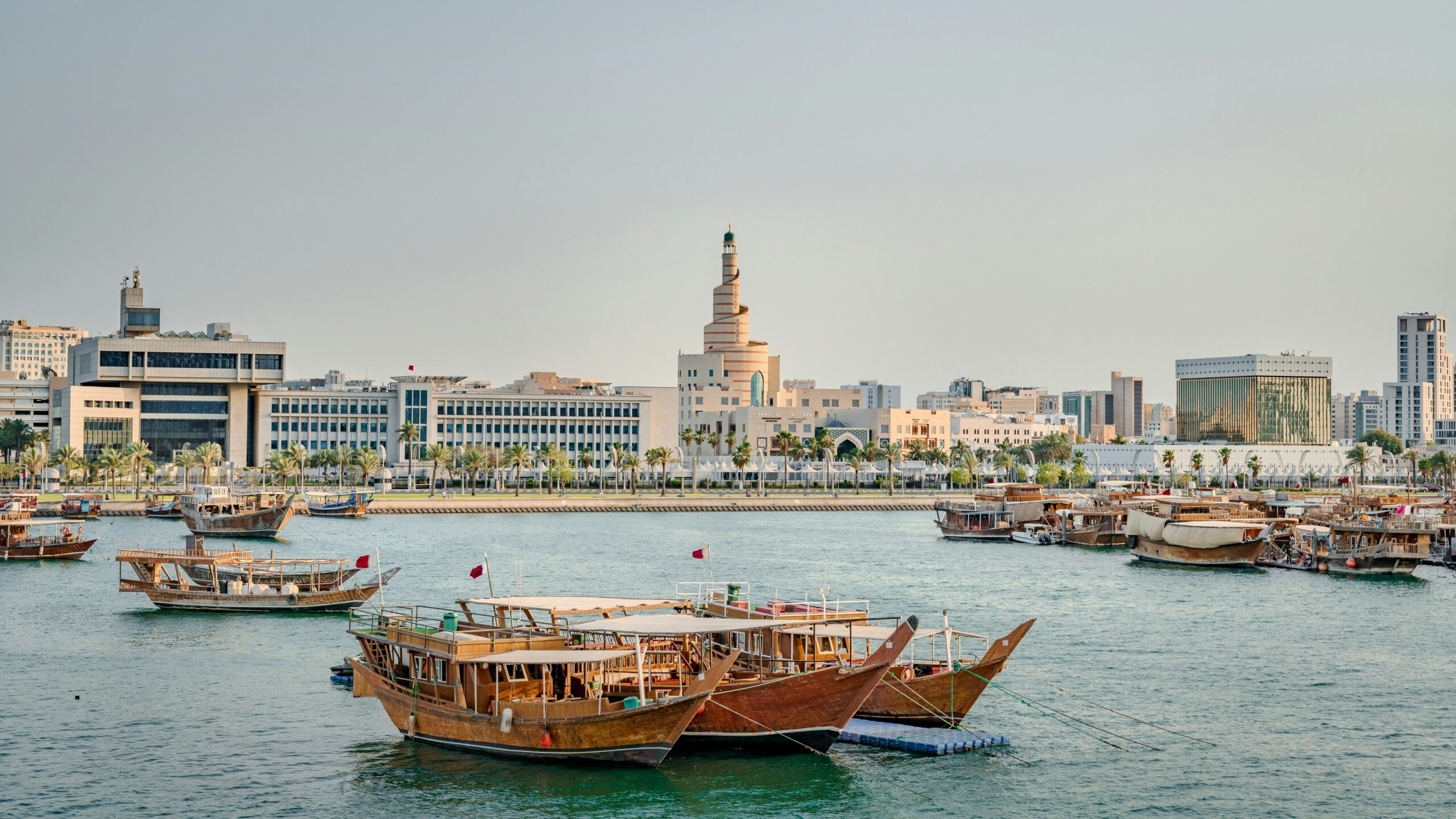
The Sands of Time: Unearthing the Earliest Inhabitants of Arabia
The Arabian Peninsula, a vast expanse of arid desert and rugged mountains, has long been perceived as a stark and inhospitable land. Yet, beneath its sun-baked surface lies a rich tapestry of human history, woven by the ancient peoples who navigated its challenging terrain and forged vibrant societies. Far from being a barren wasteland, ancient Arabia was a crucible of innovation, trade, and cultural exchange, with its inhabitants leaving an indelible mark on the trajectory of human civilization. These early peoples, their ingenuity, and their enduring legacy are a testament to the resilience and adaptability of humankind. The story of ancient Arabia is not merely one of survival against the odds, but of thriving and shaping the very landscapes they inhabited.
The ancient people of the Arabian Peninsula played a significant role in the development of trade routes that connected various civilizations, facilitating the exchange of goods, culture, and ideas. Their strategic location allowed them to become intermediaries between the East and West, influencing the economic and social dynamics of the region. For a deeper understanding of how trade impacts societies, you might find it interesting to explore the article on supply chain risks in Mexico, which highlights the complexities of modern trade networks. You can read it here: Understanding the Risks of Mexico’s Supply Chain.
Echoes from the Past: Early Human Presence and Adaptation

The earliest evidence of human presence in the Arabian Peninsula stretches back to the Paleolithic era, with stone tools and fossilized remains indicating that hominins ventured into the region during periods of more favorable climate. These early pioneers were hunter-gatherers, adapting to the changing environments that characterized the peninsula. As the climate shifted, becoming more arid, human populations developed specialized strategies for survival, mastering the art of finding and conserving water, and domesticating animals suited to the harsh conditions.
The Neolithic Revolution in Arabia: A Shift Towards Settlement
The advent of the Neolithic period brought about significant transformations. While not as pronounced as in some other parts of the world, the Arabian Neolithic witnessed a gradual shift towards more settled lifestyles and the development of early forms of agriculture and animal husbandry. Evidence suggests the cultivation of drought-resistant crops and the herding of goats, sheep, and cattle. This transition laid the groundwork for more complex social structures and the emergence of distinct cultural groups. Archaeological sites from this era reveal the construction of permanent dwellings, the development of pottery, and the creation of sophisticated tools, signaling a move away from purely nomadic existence. The impact of these changes extended beyond subsistence, influencing social organization, belief systems, and territoriality.
The Chalcolithic and Bronze Ages: The Rise of Complex Societies
The Chalcolithic and Bronze Ages marked a significant acceleration in societal development across the Arabian Peninsula. This period witnessed the emergence of more sophisticated settlements, often strategically located near water sources or along trade routes. The discovery of copper and its subsequent exploitation led to advancements in metallurgy, revolutionizing toolmaking and warfare. Evidence of monumental architecture, such as tombs and early fortifications, points to the development of hierarchical societies with established leadership. Trade networks began to expand, connecting Arabian communities with Mesopotamia, the Levant, and even as far as the Indus Valley. This burgeoning trade not only facilitated the exchange of goods but also the dissemination of ideas, technologies, and cultural practices. The development of irrigation systems, though rudimentary, allowed for more intensive agriculture in fertile pockets, further supporting population growth and specialization.
Kingdoms and Crossroads: The Flourishing of Ancient Arabian Civilizations

The subsequent millennia saw the rise of powerful kingdoms and sophisticated civilizations that leveraged Arabia’s strategic location as a nexus for international trade. These entities were not merely desert dwellers but astute merchants, diplomats, and innovators who commanded immense wealth and influence. Their existence profoundly shaped the political and economic landscape of the ancient Near East.
The Dilmun Civilization: A Maritime Powerhouse
Located in the Persian Gulf, the Dilmun civilization emerged as a formidable maritime and trading power. flourishing from the 3rd millennium BCE. Dilmun served as a crucial entrepôt, facilitating trade between Mesopotamia and the Indus Valley. Its strategic position allowed it to control the flow of goods such as copper, pearls, and timber. Archaeological excavations have revealed a sophisticated urban culture with impressive temples, palaces, and a well-developed administrative system. The Dilmunites possessed advanced seafaring capabilities and a complex understanding of navigation. Their economic prosperity was built on their ability to manage and facilitate intercontinental commerce, making them indispensable players in the ancient world economy. The extensive trade networks fostered by Dilmun also led to the exchange of cultural motifs and religious ideas, contributing to a broader regional cultural synthesis.
The Kingdom of Saba (Sheba): Incense, Trade, and Grandeur
The Kingdom of Saba, famously known in Western traditions as Sheba, rose to prominence in what is now Yemen. Its wealth was primarily derived from the lucrative incense trade, particularly frankincense and myrrh, highly prized commodities in the ancient world for religious rituals, perfumery, and medicine. The Sabeans were renowned for their agricultural prowess, developing sophisticated irrigation systems, including the Great Dam of Marib, which transformed arid lands into fertile oases. This agricultural surplus, combined with their control over trade routes, allowed them to build a prosperous and influential kingdom. The Sabean script, an early form of South Arabian script, provides valuable insights into their language, society, and religious beliefs, often depicting powerful rulers and deities. The grandeur of their cities, characterized by monumental architecture and intricate craftsmanship, speaks volumes about their societal organization and economic might.
The Nabataean Kingdom: Masters of the Desert Routes
Further north, the Nabataeans carved out their own impressive dominion, establishing their capital at the remarkable rock-cut city of Petra. From roughly the 4th century BCE to the 1st century CE, they controlled vital caravan routes that transported goods such as spices, silks, and precious metals between Arabia, the Mediterranean, and Mesopotamia. The Nabataeans were exceptionally skilled engineers and architects, evident in their ability to harness scarce water resources in the desert and their breathtaking urban planning and construction. Their mastery of trade allowed them to amass considerable wealth, which they invested in their cities and fortifications. The Nabataean culture was a fascinating blend of Arabian, Hellenistic, and Roman influences, reflected in their art, architecture, and religious practices. Their unique script, a precursor to modern Arabic script, is another significant legacy. The Nabataeans’ success was a testament to their understanding of desert survival, their entrepreneurial spirit, and their diplomatic acumen, allowing them to navigate complex geopolitical relationships.
The Legacy Etched in Stone and Script: Enduring Contributions
The ancient peoples of the Arabian Peninsula left behind a rich and multifaceted legacy that continues to resonate today. Their innovations in trade, agriculture, engineering, and culture laid the groundwork for future developments and left an indelible mark on the wider world.
Architectural Marvels and Engineering Prowess
The architectural achievements of ancient Arabians are perhaps their most tangible legacy. From the monumental dams of Saba to the rock-cut facades of Petra, these structures demonstrate an exceptional understanding of engineering, hydraulics, and construction techniques. The Nabataeans’ ability to manage water in an arid environment through cisterns, channels, and dams was a feat of remarkable ingenuity. Similarly, the Sabeans’ irrigation systems transformed vast tracts of land, showcasing advanced agricultural engineering. These ancient edifices stand as silent witnesses to the technical skills and aesthetic sensibilities of these early civilizations. The sheer scale and precision of these constructions, often achieved with rudimentary tools, continue to inspire awe and admiration. Their enduring presence serves as a constant reminder of the capabilities of ancient peoples to shape and master their environments.
Trade Networks and Cultural Exchange
The Arabian Peninsula’s position as a natural crossroads facilitated the development of extensive trade networks that connected distant civilizations. The incense trade, in particular, fueled economic growth and cultural diffusion. As merchants traversed the peninsula, they not only exchanged goods but also ideas, languages, religions, and technologies. This constant flow of information and innovation enriched the cultures of Arabia and its neighbors, contributing to a vibrant and interconnected ancient world. The influence of Arabian trade can be seen in the archaeological records of societies as far afield as the Roman Empire and India, highlighting the peninsula’s pivotal role in global commerce and cultural exchange. These trade routes were not merely conduits for material goods but also pathways for the dissemination of knowledge and belief systems, fostering a degree of cosmopolitanism in ancient Arabia.
Linguistic and Epigraphic Contributions
The ancient inscriptions found throughout the Arabian Peninsula offer invaluable insights into the languages, histories, and societies of these peoples. The development of various South Arabian scripts, such as the Sabean script, and the Nabataean script, represents significant advancements in written communication. These scripts preserved religious texts, royal decrees, economic records, and personal stories, providing a direct window into the minds of ancient Arabians. The study of these epigraphs continues to be a crucial endeavor for understanding the evolution of Semitic languages, including the eventual development of the Arabic language, which would become a major global tongue. The decipherment of these ancient texts has unlocked a wealth of information, allowing scholars to reconstruct historical narratives and understand the complexities of ancient Arabian societies.
The ancient people of the Arabian Peninsula played a significant role in the development of trade routes and cultural exchanges that shaped early civilizations. Their contributions to agriculture, architecture, and trade were pivotal in connecting various regions. For a deeper understanding of how ancient technologies were lost over time and the implications of such losses on civilizations, you can explore this insightful article on the destruction of ancient technology. This piece delves into the reasons behind the decline of advanced practices that once thrived in various cultures, including those in the Arabian Peninsula.
The Modern Echo: Enduring Influence and Rediscovery
| Ancient People | Region | Time Period | Key Characteristics | Notable Contributions |
|---|---|---|---|---|
| Thamud | Northwestern Arabian Peninsula | c. 8th century BCE – 2nd century CE | Rock-cut architecture, inscriptions in Thamudic script | Advanced stone carving and early writing systems |
| Qedarites | Northern Arabia | 8th century BCE – 2nd century CE | Nomadic tribes, controlled trade routes | Influence on Arabian trade and culture |
| Sabaeans | Southern Arabian Peninsula (modern Yemen) | c. 1000 BCE – 275 CE | Kingdom with advanced irrigation, monumental architecture | Development of the Ma’rib Dam, early South Arabian script |
| Himyarites | Southern Arabia (Yemen) | c. 110 BCE – 525 CE | Unified southern Arabian kingdoms, polytheistic then Christian | Expansion of trade networks, cultural synthesis |
| Kindah | Central and Northern Arabia | c. 4th century CE – 6th century CE | Nomadic and semi-nomadic tribes, early Arab kingdom | Early Arab political organization and tribal confederations |
The ancient peoples of the Arabian Peninsula may be long gone, but their legacy is far from forgotten. Their achievements continue to inspire, their historical narratives are being painstakingly unearthed, and their influence can be seen in various aspects of modern Arabian culture and identity.
Archaeological Excavations and Historical Understanding
Modern archaeological endeavors in the Arabian Peninsula are continuously revealing new facets of its ancient past. Teams of international and local scholars are meticulously excavating sites, employing advanced technologies to uncover buried cities, settlements, and artifacts. These discoveries are not only adding to our understanding of Arabian history but also challenging previous assumptions and filling crucial gaps in historical knowledge. The ongoing work of archaeologists is vital for preserving this heritage and ensuring that the stories of these ancient peoples are told accurately for future generations. Each unearthed artifact and every deciphered inscription contributes to a richer, more nuanced understanding of this complex and dynamic region’s past. The collaboration between different nations in these archaeological efforts also fosters a shared appreciation for this common human heritage.
Cultural Heritage and National Identity
The rich history of ancient Arabia plays a significant role in shaping modern national identities across the peninsula. The grandeur of ancient kingdoms and the ingenuity of their peoples are often celebrated as foundational elements of contemporary culture. Heritage sites are increasingly recognized as invaluable cultural assets, attracting tourism and fostering a sense of pride and continuity with the past. The rediscovery and appreciation of these ancient achievements contribute to a robust and multifaceted cultural landscape in the modern Arabian world. This connection to ancient roots provides a sense of depth and belonging, linking contemporary societies to a long and storied lineage. The preservation of these sites is not just about archaeology; it is about safeguarding the very essence of regional identity.
Enduring Traditions and Modern Relevance
While the world has changed dramatically, certain aspects of the ancient Arabian way of life and their innovations continue to hold relevance. The principles of water management in arid regions, for instance, pioneered by ancient civilizations, remain critical in contemporary efforts towards sustainability. The spirit of entrepreneurship and trade that characterized ancient Arabians is echoed in the modern economic dynamism of the region. Furthermore, the enduring allure of ancient sites like Petra and Marib draws people from around the globe, showcasing the timeless appeal of human ingenuity and resilience. The lessons learned from the successes and challenges faced by these ancient peoples offer valuable insights for navigating the complexities of the present and the future. Their ability to adapt, innovate, and thrive in a challenging environment serves as a perennial source of inspiration.
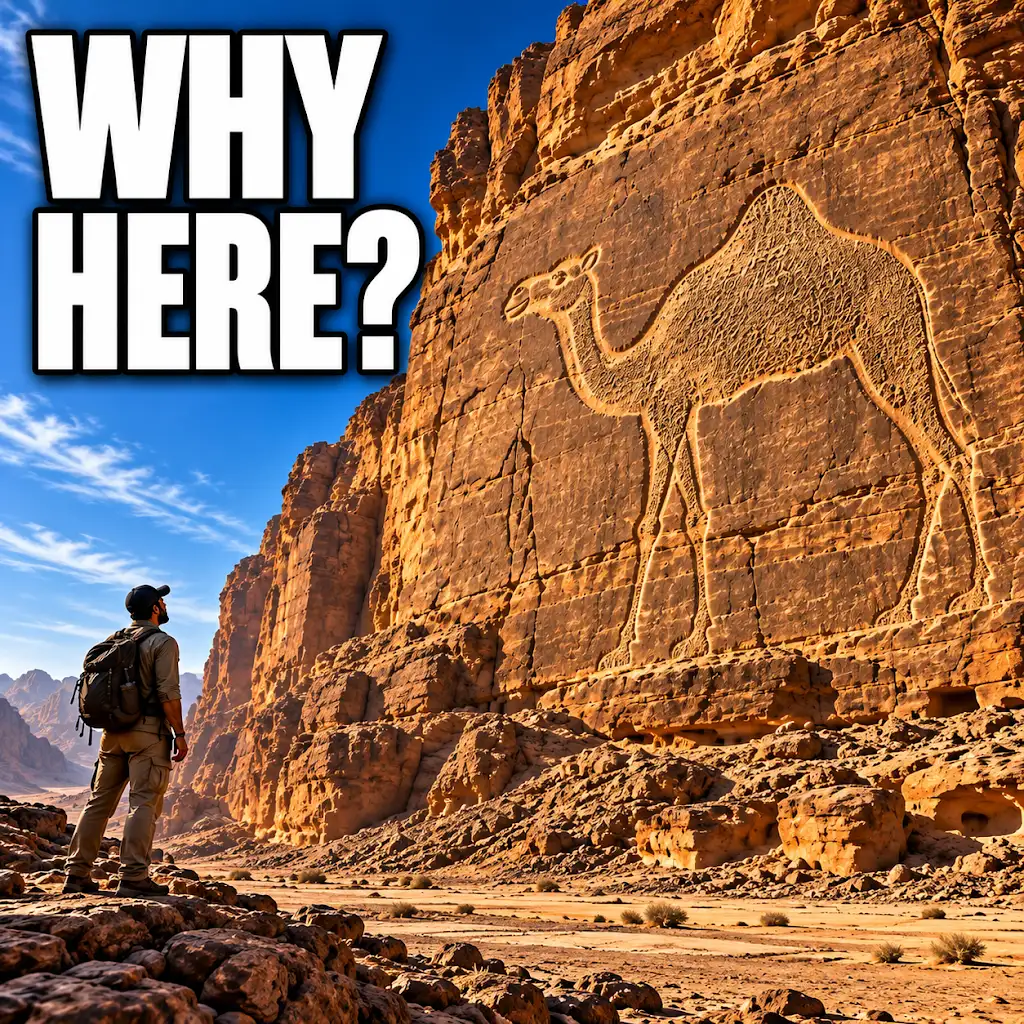
Why Were Giant Camels Carved Above the Desert?
FAQs
What were some of the ancient civilizations that inhabited the Arabian peninsula?
Some of the ancient civilizations that inhabited the Arabian peninsula include the Nabateans, the Sabaean kingdom, the Lihyanites, and the Qedarites.
What were the main sources of livelihood for the ancient people of the Arabian peninsula?
The main sources of livelihood for the ancient people of the Arabian peninsula were agriculture, trade, and herding. They also engaged in activities such as fishing and pearl diving along the coast.
What role did religion play in the lives of the ancient people of the Arabian peninsula?
Religion played a significant role in the lives of the ancient people of the Arabian peninsula. Many of them practiced polytheistic religions, with deities associated with natural elements such as the sun, moon, and stars. Some also practiced Judaism and Christianity.
What were some of the notable achievements of the ancient people of the Arabian peninsula?
Some notable achievements of the ancient people of the Arabian peninsula include the development of sophisticated irrigation systems, the construction of impressive cities and monuments, and advancements in trade and navigation.
How did the geography of the Arabian peninsula influence the way ancient people lived?
The geography of the Arabian peninsula, with its vast deserts and limited arable land, influenced the way ancient people lived by shaping their nomadic lifestyle, reliance on trade routes, and development of oasis settlements for agriculture and water sources.