
Echoes in the Stone: Unveiling Ancient Societies Through Cliffside Art
The silent sentinels of the earth, sandstone cliffs, have long held secrets within their weathered faces. For millennia, these natural canvases have been transformed by human hands, etched with symbols and stories that offer a profound glimpse into the minds and lives of early civilizations. These ancient carvings, often overlooked or dismissed as mere decoration, are in fact invaluable historical documents, providing tangible evidence of belief systems, social structures, technological advancements, and even environmental interactions of peoples long gone. Far from being static relics, these petroglyphs and pictographs are dynamic narratives, whispering tales of a shared human past, revealing the ingenuity and complexity of societies that predate written records.
The sheer durability of stone has preserved these artistic endeavors through the ages, weathering the ravages of time, climate, and human intervention. The arid environments in which many of these sites are found have also contributed to their remarkable preservation, preventing the rapid decay that would occur in more humid regions. This fortunate confluence of material and environment allows archaeologists and historians to meticulously study these carvings, piecing together fragmented histories and challenging previously held assumptions about the capabilities and sophistication of our ancestors. The process of deciphering these stone records is akin to solving a complex puzzle, where each symbol, each recurring motif, and each stylistic variation contributes to a larger, more coherent understanding of the past.
The study of these ancient carvings is not confined to a single geographical region or time period. From the vast expanses of North America to the remote deserts of Australia, from the rugged terrains of Europe to the sun-baked landscapes of Africa, similar practices of marking stone surfaces with symbolic imagery have emerged independently, underscoring a fundamental human impulse to record, communicate, and leave a lasting legacy. The diversity of these sites, while presenting unique challenges in interpretation, also highlights the universal nature of human expression and the shared desire to imbue the natural world with meaning. Each carving, regardless of its origin, represents a deliberate act of communication, a conscious effort to transmit information across time and space, and it is this inherent communicative intent that makes them such powerful historical artifacts.
Sandstone cliff carvings have long fascinated archaeologists and historians, revealing insights into ancient cultures and their artistic expressions. For those interested in exploring the broader implications of ancient civilizations and their knowledge, a related article titled “The Suppressed Ancient Science: Unearthed Evidence” delves into the discoveries that challenge our understanding of historical advancements. You can read more about these intriguing findings by following this link: The Suppressed Ancient Science: Unearthed Evidence.
The Unfolding Tapestry of Ancient Beliefs and Rituals
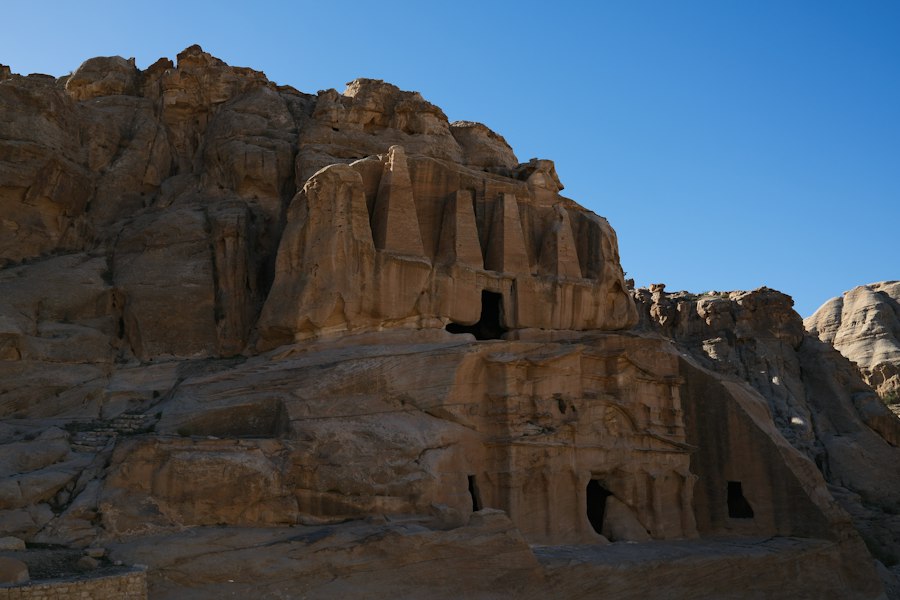
The most pervasive themes found within ancient sandstone cliff carvings frequently revolve around the spiritual and cosmological beliefs of the societies that created them. These etchings offer a window into the ways early humans understood their place in the universe, their relationship with the divine, and the forces that shaped their lives and the natural world around them. Many carvings depict anthropomorphic figures, often embellished with animalistic features or adorned with elaborate headdresses, suggesting a complex pantheon of deities or spirits with which humans interacted. These figures might represent gods, ancestral spirits, or powerful shamans who served as intermediaries between the human and spirit realms. The posture, gestures, and surrounding iconography associated with these figures often provide clues about their roles and the rituals performed in their honor.
Beyond depictions of divine beings, the carvings frequently illustrate scenes of ceremony and ritual. Elaborate processions, dances, and sacrifices are sometimes represented, offering insights into the practices that maintained social order, ensured fertility, or appeased potentially malevolent forces. The repetition of certain symbols or motifs within these ritualistic scenes can indicate their significance and the emphasis placed upon them by the community. The presence of specific animals, such as bison, deer, or birds, in conjunction with human figures in ritualistic contexts, often points to totemistic beliefs, where particular animals were revered as clan ancestors or spiritual guides.
Celestial Observations and Cosmic Narratives
A particularly fascinating aspect of these ancient carvings is their engagement with the celestial realm. Many scholars have identified depictions of constellations, the sun, moon, and stars, suggesting a sophisticated understanding of astronomy. These astronomical observations were not merely academic pursuits; they were deeply intertwined with agricultural cycles, seasonal changes, and the timing of important ceremonies and migrations. The alignment of certain carvings with celestial events, such as solstices or equinoxes, further supports the notion that these rock art sites served as astronomical observatories or calendars, helping communities track the passage of time and navigate their world. The intricate patterns and geometric designs found in some carvings may also represent attempts to map the cosmos or to depict the underlying order of the universe as understood by these early peoples.
Mythological Encounters and Legendary Beings
The sandstone canvases also serve as a repository for the myths and legends that formed the bedrock of early cultural narratives. Depictions of legendary creatures, often combining the features of different animals or humans with fantastical elements, suggest the presence of rich oral traditions and epic tales. These mythical beings might represent primordial forces, the origins of the world, or cautionary figures used to impart moral lessons. The stories associated with these carvings, though often lost to time, can be partially reconstructed by analyzing the recurring motifs and the relationships between the depicted figures. The sheer variety of these fantastical beings underscores the boundless imagination of early humans and their attempts to explain the inexplicable through the power of storytelling.
Tracing the Footprints of Daily Life and Social Structures

While spiritual beliefs and mythological narratives are prominent, ancient sandstone cliff carvings also offer invaluable insights into the mundane, yet crucial, aspects of daily life and the organizational structures of early societies. These carvings provide a visual record of the activities that sustained communities, the tools they used, and the ways they interacted with each other. Hunting scenes are among the most common and revealing depictions, showcasing the strategies, techniques, and prey of ancient peoples. The accurate portrayal of animals, their behavior, and the implements used to hunt them, such as spears, bows and arrows, and traps, can provide detailed information about the subsistence strategies and technological capabilities of these cultures. The success or failure depicted in these hunting scenes may also reflect the importance of these activities for survival and the anxieties associated with securing food.
Beyond hunting, carvings sometimes illustrate other activities essential to community life, such as gathering, fishing, or even early forms of agriculture. Depictions of plant life, gathering tools, and the cultivation of crops can shed light on the development of agricultural practices and the reliance on domesticated resources. The presence of different individuals engaged in these activities, their spatial arrangements, and their interactions can also offer clues about the division of labor and the roles played by men, women, and children within these societies.
The Elusive Nature of Kinship and Community Organization
Understanding the intricate social structures of ancient peoples can be particularly challenging, yet cliff carvings offer tantalizing hints. Recurring groupings of human figures, sometimes in distinct arrangements or associated with specific symbols, might represent family units, clans, or larger societal divisions. The presence of markers or symbols indicating ownership or territory could also provide evidence of early concepts of property and social hierarchy. The scale and complexity of certain communal scenes might suggest organized societies with leadership roles and established customs for decision-making and conflict resolution. While definitive interpretations of kinship systems remain elusive, the visual evidence provides a starting point for hypotheses and further investigation.
Technological Innovations and Material Culture Revealed
The very act of creating these carvings is a testament to technological prowess. The selection of specific types of sandstone, the development of tools for etching and painting, and the mastery of artistic techniques all speak to the ingenuity of these early cultures. Beyond the creation of the art itself, the carvings often depict the tools and technologies that were integral to their daily lives. Representations of axes, adzes, grinding stones, pottery, and various forms of weaponry can offer precise details about the material culture and technological advancements of these societies. The wear patterns on depicted tools or the specific methods of their use, as suggested by the carvings, can provide further insights into their practical application and the skill with which they were employed.
Environmental Interconnections and the Human Footprint
Ancient sandstone cliff carvings are not solely focused on human activities; they are also deeply intertwined with the natural environment that shaped these early civilizations. The fauna and flora depicted in these carvings offer invaluable information about the ecosystems in which these people lived, the resources they utilized, and the challenges they faced from the natural world. The presence or absence of certain animal species in the carvings can indicate changes in their populations over time, perhaps due to climate shifts, human hunting pressures, or other environmental factors. Similarly, depictions of plants can reveal their importance as food sources, medicinal remedies, or materials for construction and craft.
The carvings often serve as a direct response to environmental events, whether they be floods, droughts, earthquakes, or the presence of dangerous predators. These depictions can function as a form of historical record, documenting significant environmental occurrences and the community’s experience of them. They may also represent attempts to understand, control, or appease the forces of nature, reflecting a deep respect and, at times, a sense of vulnerability in the face of environmental power.
Mapping the Landscape and Resource Utilization
The location and content of many cliff carving sites suggest a deliberate connection to the surrounding landscape. Carvings are often found in prominent locations, overlooking valleys, water sources, or important travel routes, indicating their role in navigation and territorial marking. The imagery within these sites can also reveal how ancient peoples understood and utilized their environment. Depictions of specific geological features, water sources, or valuable resource areas might have served as maps or guides, conveying vital information about the land to younger generations or to outsiders. The careful selection of these sites, often with commanding views, also suggests an intentional placement, perhaps for communicative purposes or to imbue the landscape with symbolic meaning.
Human Impact and Environmental Stewardship
In some instances, cliff carvings can provide early evidence of human impact on the environment. Changes in the depicted fauna over time, or the overrepresentation of certain species in hunting scenes, might suggest periods of intense resource extraction. Conversely, some carvings may convey a sense of environmental stewardship, with depictions of harmonious coexistence between humans and nature, or rituals aimed at ensuring the sustainability of resources. The careful observation of the natural world, evidenced by the detailed and accurate portrayals of animals and plants, speaks to a deep connection and reliance on the environment, a relationship that shaped their survival and cultural development.
Sandstone cliff carvings have long fascinated archaeologists and historians, revealing insights into ancient cultures and their beliefs. These intricate designs often tell stories of the past, but they can also be shrouded in mystery and controversy. For those interested in exploring the complexities surrounding ancient history, a related article discusses the political implications of such discoveries and how they may be influenced by modern narratives. You can read more about this intriguing topic in the article found here.
The Enduring Legacy of Rock Art: Preservation and Interpretation
| Metric | Value | Unit | Description |
|---|---|---|---|
| Average Depth of Carvings | 5 | cm | Typical depth of sandstone cliff carvings |
| Age Range | 500 – 3000 | years | Estimated age of carvings found in various locations |
| Sandstone Hardness | 6 – 7 | Mohs scale | Hardness level of sandstone used for carvings |
| Average Length of Carvings | 1.2 | meters | Typical horizontal length of carvings |
| Preservation Rate | 75 | percent | Estimated percentage of carvings remaining intact over 100 years |
| Common Themes | Animals, Symbols, Human Figures | N/A | Frequent subjects depicted in sandstone cliff carvings |
The study of ancient sandstone cliff carvings is a dynamic and evolving field, fraught with challenges but rich in potential discoveries. The sheer volume of these sites worldwide, coupled with the often remote and inaccessible nature of their locations, means that many remain undiscovered or underexplored. The ongoing process of preservation is paramount, as these fragile artworks are susceptible to natural erosion, vandalism, and the cumulative effects of environmental change. International collaborative efforts and local community engagement are crucial for safeguarding these irreplaceable cultural heritage sites for future generations.
The interpretation of these ancient symbols remains a complex and often speculative endeavor. Without direct written accounts, scholars must rely on comparative analysis, ethnographic parallels, and an understanding of the cultural contexts in which these carvings were created. The risk of imposing modern interpretations onto ancient expressions is a constant consideration, demanding a cautious and multidisciplinary approach. However, as new technologies emerge and our understanding of ancient societies deepens, the potential to unlock the secrets held within these stone narratives continues to grow.
Deciphering the Language of Symbols and Motifs
The core of interpreting cliff carvings lies in understanding the language of symbols and motifs. Recurring patterns, abstract designs, and figurative representations all carry potential meaning. Archaeologists and art historians meticulously document each element, noting its position, scale, and relationship to other depicted elements. The use of digital imaging, 3D scanning, and advanced analytical techniques allows for detailed examination of the carvings, revealing subtle details and hidden layers that may not be apparent to the naked eye. Comparative studies across different regions and time periods can help identify shared symbolic systems or independent developments in artistic expression.
Collaborative Efforts and Future Directions in Research
The future of understanding ancient sandstone cliff carvings hinges on continued collaboration between archaeologists, anthropologists, art historians, geologists, and indigenous communities. Indigenous knowledge holders, whose ancestors created these carvings, often possess invaluable oral traditions and cultural understandings that can shed light on the meaning and purpose of these artworks. The integration of scientific methodologies with traditional ecological and cultural knowledge offers the most promising path forward for accurate and respectful interpretation. As these stone narratives continue to be revealed and studied, they promise to rewrite our understanding of early human history, revealing the profound depth and complexity of the civilizations that have shaped our world.
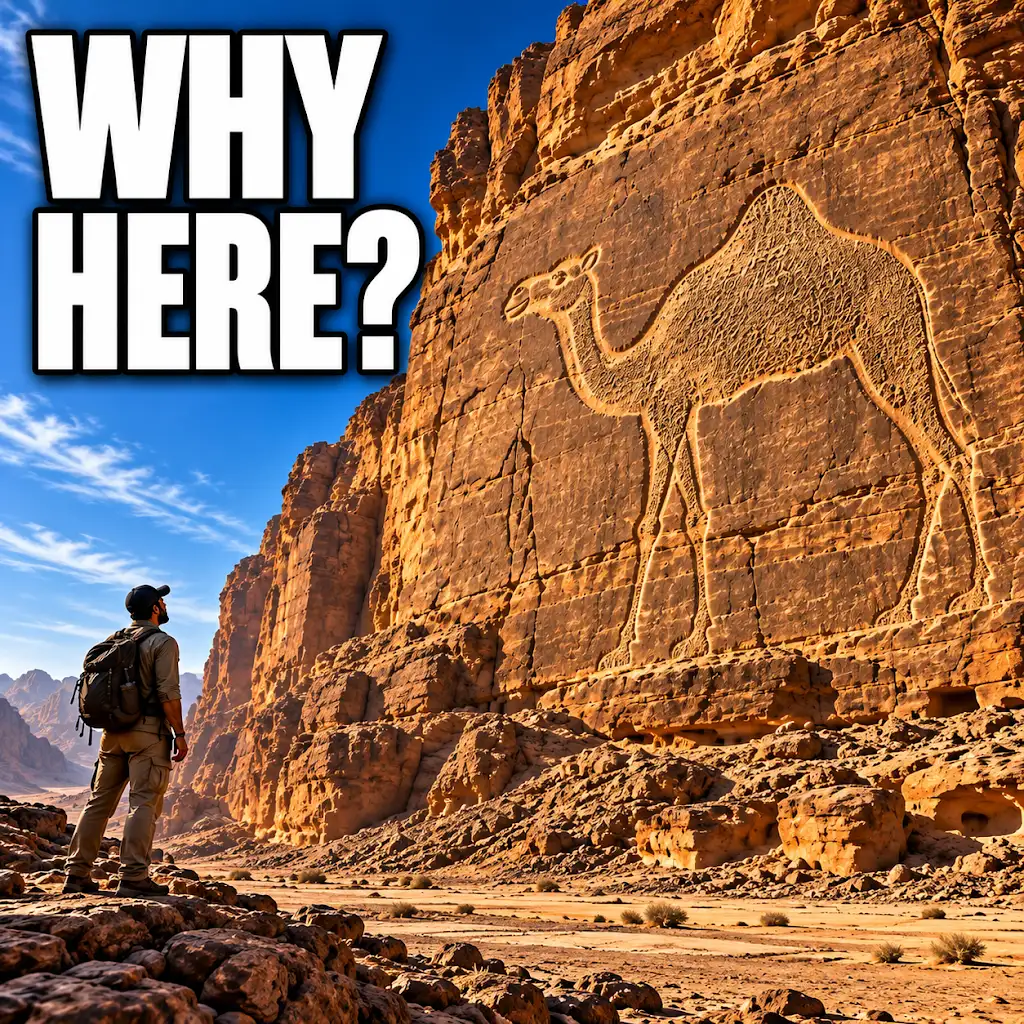
Why Were Giant Camels Carved Above the Desert?
FAQs
What are sandstone cliff carvings?
Sandstone cliff carvings are intricate designs or images that have been carved into the surface of sandstone cliffs by ancient civilizations or modern artists.
Where can sandstone cliff carvings be found?
Sandstone cliff carvings can be found in various locations around the world, including national parks, archaeological sites, and cultural heritage areas.
How were sandstone cliff carvings created?
Sandstone cliff carvings were typically created using simple tools like chisels, hammers, and picks to carve the designs directly into the surface of the sandstone.
What is the significance of sandstone cliff carvings?
Sandstone cliff carvings often hold cultural, historical, or religious significance, providing insights into the beliefs, practices, and artistic abilities of the people who created them.
Are sandstone cliff carvings protected?
Many sandstone cliff carvings are protected by local authorities or heritage organizations to prevent damage or vandalism, ensuring that these unique cultural treasures are preserved for future generations.