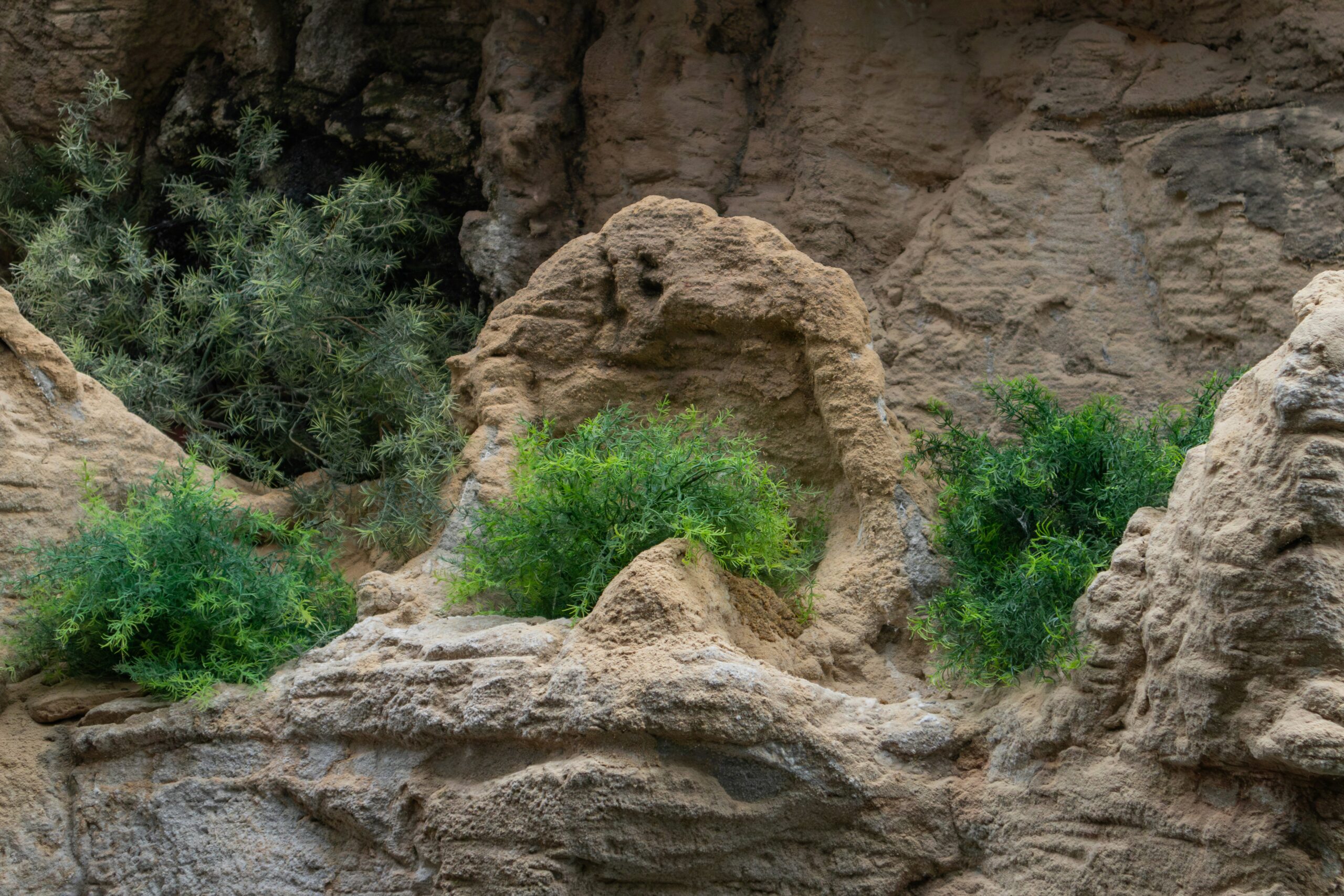
The Sahara Desert, a name synonymous with vast, arid expanses and scorching sun, holds within its seemingly barren heart a secret more profound than its sandy dunes suggest: the memory of a verdant past. It is a landscape of extremes, a place where life clings precariously to existence, yet beneath the relentless glare of the sun lies a rich tapestry of history, geology, and ecological transformation. To explore the Sahara is to traverse a realm that defies immediate comprehension, a desert not just of sand, but of time itself, a testament to the dramatic shifts our planet has undergone.
Echoes of a Greener Past
The modern Sahara is an icon of aridity, a colossal sea of sand and rock stretching across North Africa. Yet, geological evidence and ancient rock art paint a vivid picture of a drastically different environment that existed not so long ago in geological terms. This transformation from a lush, life-sustaining landscape to one of extreme desiccation is one of the most compelling environmental stories on Earth. Understanding this metamorphosis is key to appreciating the dynamic nature of our planet and the forces that shape its surface.
The Sahara’s Ancient Lakes and Rivers
For millennia, the Sahara was not the parched wasteland it is today. During wetter periods, known as “Green Sahara” phases or African Humid Periods, the landscape was dotted with vast lakes and traversed by mighty rivers. These bodies of water were not ephemeral trickles but significant hydrological features, supporting diverse ecosystems. Evidence of these ancient water systems can be found in the form of dry riverbeds, fossilized lake sediments, and the remains of aquatic life. The sheer scale of these ancient water sources is staggering, suggesting a climate that was not only temperate but also significantly more humid, capable of sustaining extensive plant and animal life. These green periods were driven by complex orbital cycles of the Earth, influencing monsoon patterns and rainfall across the continent.
Paleontological Clues to a Vibrant Ecosystem
The fossil record unearthed within the Sahara provides irrefutable proof of its former vitality. Remains of crocodiles, hippopotamuses, and various species of fish, animals that are unequivocally tied to water-rich environments, have been discovered in areas now utterly devoid of surface water. These findings are not isolated incidents; they are widespread, indicating that these creatures once thrived across a vast region. Furthermore, fossilized pollen and plant matter suggest the presence of lush vegetation, including grasses, trees, and aquatic plants, forming the foundation of a complex food web. The discovery of such diverse fauna and flora paints a picture of a savanna-like or even woodland environment, a stark contrast to the desolate beauty of the present day.
The Art of the Ancients: A Visual Chronicle
Perhaps the most evocative evidence of the Sahara’s green past comes from the remarkable rock art found throughout the region. Cave paintings and engravings, dating back thousands of years, depict scenes teeming with life. These ancient artists meticulously documented the world around them, and their canvases reveal a Sahara populated by giraffes, elephants, lions, antelopes, and numerous other animals that are no longer found in this arid zone. The presence of these animals, along with human figures hunting and herding, provides a vivid and deeply personal testament to a time when the desert was a thriving wilderness. The styles and subjects of this art offer insights into the cultural practices and daily lives of the people who inhabited this forgotten green Sahara.
The transformation of once lush landscapes into arid deserts is a phenomenon that has intrigued scientists and historians alike. An interesting article that delves into the broader implications of environmental changes, including the impact of rising sea levels, can be found at this link. It explores how climate change not only affects coastal regions but also contributes to desertification, altering ecosystems and threatening biodiversity.
The Geologic Underpinnings of Transformation

The dramatic shift in the Sahara’s climate and landscape is not a matter of random chance. It is deeply rooted in the planet’s geological and orbital mechanics. Understanding these underlying forces helps to explain the cyclical nature of the Sahara’s wet and dry phases and the immense power of long-term geological processes.
Orbital Cycles and Earth’s Tilt: The Milankovitch Effect
The primary driver behind the Sahara’s periodic greening and drying is the Earth’s orbital behavior, specifically the Milankovitch cycles. These cycles describe variations in Earth’s orbit around the sun, including changes in its eccentricity (the shape of the orbit), axial tilt (obliquity), and precession (the wobble of its axis). During certain periods, these variations align in a way that increases the amount of solar radiation reaching the Northern Hemisphere, particularly during the summer months. This intensified solar energy drives stronger monsoon systems, bringing increased rainfall to the Sahara and surrounding regions, initiating the Green Sahara phases. Conversely, when these orbital configurations shift, the monsoons weaken, leading to prolonged droughts and the desertification that defines the Sahara today.
Tectonic Plates and Continental Drift: A Broader Perspective
While orbital cycles explain the shorter-term fluctuations, the long-term geological history of the African continent also plays a role. Plate tectonics, the slow but constant movement of Earth’s lithospheric plates, has influenced regional topography and atmospheric circulation patterns over millions of years. The formation and breakup of supercontinents, the uplifting of mountain ranges, and the opening and closing of oceans have all subtly altered global wind patterns and oceanic currents, which in turn affect precipitation regimes. While not the direct cause of the immediate wet/dry cycles, these larger geological forces have shaped the overall climatic context in which the orbital variations operate, contributing to the enduring arid conditions of the Sahara over geological timescales.
The Sahara’s Geological Features: A Window to the Past
The Sahara’s diverse geological formations are themselves a testament to its long and varied history. Vast sandstone plateaus, such as the Tassili n’Ajjer, bear the marks of ancient erosion by water and wind. The presence of salt flats (chotts and sebkhas) points to evaporated ancient lakes, their mineral residues a stark reminder of once-abundant water. The volcanic mountains, like the Tibesti Massif, offer insights into the region’s fiery geological past. Studying these formations allows geologists to reconstruct past environments and understand the processes of erosion, deposition, and climate change that have shaped the desert over eons. Each rock, each dune, tells a silent story of a world very different from the one we see today.
Life’s Tenacity in the Face of Extremes

Despite its harsh reputation, the Sahara is not devoid of life. The organisms that inhabit this extreme environment have evolved remarkable adaptations to survive in one of the planet’s most challenging ecosystems. Their resilience is a testament to the persistent drive of life to find a foothold, even in the most inhospitable conditions.
Desert Flora: Masters of Survival
The plants of the Sahara have developed ingenious strategies to cope with intense heat, scarce water, and sandy soils. Many are xerophytes, plants adapted to arid conditions. They often possess deep root systems to reach underground water sources, small or waxy leaves to minimize water loss through transpiration, and the ability to store water in their stems or leaves. Some plants, like the acacia trees, have thorns for protection and specialized leaves that can capture dew. Others, such as various grasses and wildflowers, are ephemerals, completing their entire life cycle – germinating, flowering, and producing seeds – in the brief period after rare rainfall, their seeds lying dormant for years until the next opportune moment. The camelthorn tree, with its deep taproot, is a classic example of a species that has mastered the desert’s challenges.
Desert Fauna: Ingenuity in Adaptation
The animal life of the Sahara is equally impressive in its capacity for survival. Many desert animals are nocturnal, avoiding the peak heat of the day by being active during the cooler nights. They have developed physiological adaptations to conserve water, such as highly efficient kidneys that produce concentrated urine and the ability to obtain moisture from their food. The fennec fox, with its large ears, not only helps it to hear prey but also to dissipate heat. Camels, famously known as “ships of the desert,” have a remarkable ability to endure dehydration, tolerate extreme body temperature fluctuations, and utilize fat reserves stored in their humps for energy and metabolic water. Reptiles, such as lizards and snakes, are well-suited to the desert, often burying themselves in the sand to regulate their body temperature. Insects, too, exhibit incredible adaptations, with many possessing exoskeletons that prevent water loss.
The Role of Oases: Lifeblood of the Desert
Oases are vital pockets of life within the vast desert, sustained by underground water sources or natural springs. These fertile patches support a richer diversity of plant and animal life, and have historically been crucial for human survival and trade routes. Palm trees, date palms in particular, are a staple, providing shade, food, and building materials. The water supporting these oases often originates from distant mountain ranges, filtered and stored in underground aquifers. Human ingenuity has often played a role in managing and expanding these precious resources, creating sophisticated irrigation systems to make the most of every drop. Oases are not just natural phenomena; they are also centers of human activity and cultural exchange, proving that even in the most arid regions, life can flourish with the right conditions and resource management.
Human History and the Sahara’s Shifting Sands
The Sahara has been a crossroads of civilizations and a theatre for human adaptation for millennia. The ebb and flow of its climate have profoundly influenced human migration patterns, trade routes, and the rise and fall of empires. The desert’s history is inextricably linked to its environmental transformations.
Early Human Presence and Hunter-Gatherer Societies
The earliest human inhabitants of the Sahara were hunter-gatherers who followed the abundant wildlife that thrived during the Green Sahara periods. Rock art from this era depicts them living in a rich savanna environment, hunting large game and fishing in the lakes and rivers. Their lives were closely tied to the natural cycles of rainfall and the availability of resources. Archaeological evidence, such as stone tools and skeletal remains, reveals sophisticated hunting techniques and social structures. These early peoples were not merely surviving; they were actively shaping and interacting with a vibrant and dynamic landscape.
The Dawn of Agriculture and Pastoralism
As the climate began to shift and arid conditions intensified, human societies in the Sahara adapted. The development of agriculture and pastoralism allowed for more settled lifestyles, even in less fertile areas. People learned to cultivate drought-resistant crops and to herd animals like cattle and goats, which could survive on sparser vegetation. This period saw the emergence of more permanent settlements and the development of sophisticated water management techniques, such as cisterns and rudimentary irrigation. The transition from a nomadic hunter-gatherer existence to more sedentary agricultural and pastoral communities marked a significant turning point in the human history of the Sahara.
The Trans-Saharan Trade Routes: A Desert Silk Road
The Sahara, despite its formidable barriers, became a vital artery for trade between sub-Saharan Africa and the Mediterranean world. For centuries, camel caravans traversed the vast desert, transporting goods such as gold, salt, slaves, ivory, and textiles. These trans-Saharan trade routes fostered the growth of powerful empires and city-states, such as the Ghana, Mali, and Songhai empires, whose wealth was largely derived from controlling the flow of goods. The camel, with its remarkable adaptation to desert travel, was the indispensable vehicle of this commerce, facilitating a connection between disparate cultures and economies. The routes, though arduous, were the lifelines of a thriving desert civilization.
Modern Challenges and the Future of the Sahara
Today, the Sahara faces new challenges, including climate change, desertification, and resource scarcity. The pressures of a growing population and unsustainable land-use practices are exacerbating existing environmental problems. Efforts are underway to combat desertification through reforestation, sustainable agriculture, and improved water management. The Sahara’s past, with its periods of fertility and abundance, offers valuable lessons for the future, highlighting the importance of ecological balance and the need for responsible stewardship of this unique and historically significant landscape. Understanding the Sahara’s past is crucial for charting a sustainable path forward.
The transformation of once lush landscapes into arid deserts is a phenomenon that has intrigued scientists and historians alike. An insightful article explores how regions that were once teeming with vegetation have succumbed to desertification due to various environmental and human factors. For a deeper understanding of the complexities surrounding land use and its impact on ecosystems, you can read more in this related article. This shift not only affects biodiversity but also poses significant challenges for communities that rely on these ecosystems for their livelihoods.
The Sahara’s Enduring Mystique and Scientific Importance
| Desert Name | Location | Former Vegetation | Time Period of Greenness | Current Climate | Key Evidence |
|---|---|---|---|---|---|
| Sahara Desert | North Africa | Grasslands, Shrubs, Lakes | 10,000 to 5,000 years ago | Arid, Hot | Fossilized pollen, ancient lake beds, rock art |
| Gobi Desert | Mongolia and China | Grasslands, Forests | Approximately 2 million years ago | Cold desert, semi-arid | Fossilized plants and animal remains |
| Thar Desert | India and Pakistan | Woodlands, Grasslands | Up to 8,000 years ago | Arid, Hot | Ancient river channels, archaeological sites |
| Atacama Desert | Chile | Grasslands during wetter periods | Several thousand years ago | Hyper-arid | Soil analysis, ancient lake sediments |
The Sahara continues to captivate the human imagination. Its sheer scale, its stark beauty, and its hidden history inspire awe and a sense of wonder. Beyond its aesthetic and historical appeal, the Sahara is a crucial natural laboratory for understanding Earth’s climate systems, past and present.
A Laboratory for Climate Change Research
The Sahara serves as a critical site for studying climate change. The rapid desertification of the region in recent millennia provides a real-world example of how climate shifts can dramatically alter landscapes. Scientists study paleoclimate data from sediments, ice cores (where available), and ancient soils to reconstruct past climatic conditions and understand the mechanisms driving these changes. By analyzing the rate and extent of past desertification, researchers can develop more accurate models for predicting future climate scenarios and their potential impacts on ecosystems and human societies worldwide. The Sahara’s history is a warning and a guide.
Unveiling Archaeological Treasures
The sands of the Sahara have preserved a wealth of archaeological sites, offering invaluable insights into human history. Remote sensing technologies and archaeological expeditions continue to uncover lost cities, ancient burial grounds, and rock art sites that shed light on forgotten civilizations and the evolution of human culture. The challenges of excavating in such an arid and vast environment are immense, but the rewards are equally significant. Each discovery pushes back the boundaries of our understanding of early human societies and their interactions with their environments. The desert is a vast, silent museum, holding secrets waiting to be revealed.
The Global Impact of Sahara Dust
While often perceived as a purely regional phenomenon, dust from the Sahara has a significant global impact. Saharan dust plumes, carried by winds across the Atlantic, fertilize the Amazon rainforest by depositing essential minerals like phosphorus, which are scarce in the Amazonian soil. This dust also plays a role in cloud formation and atmospheric processes in the Caribbean and even influences plankton blooms in the Atlantic Ocean. The Sahara’s influence extends far beyond its geographical boundaries, demonstrating the interconnectedness of Earth’s systems and the far-reaching consequences of even seemingly localized environmental processes.
The Enduring Allure of the Vast Unknown
The sheer immensity and enigmatic nature of the Sahara continue to inspire exploration, art, and scientific inquiry. It is a place where the veil between past and present seems thinner, where the raw power of nature is on full display, and where the resilience of life is a constant source of wonder. The Sahara is more than just a desert; it is a testament to the planet’s dynamic history, a crucible of adaptation, and a reminder of the profound transformations that shape our world. Its allure lies not just in its sands, but in the stories it holds and the lessons it continues to teach.

Why Were Giant Camels Carved Above the Desert?
FAQs
1. What caused the transformation of the desert that was once green?
The transformation of the desert that was once green was primarily caused by climate change and human activities such as deforestation and overgrazing.
2. What evidence exists to show that the desert was once green?
Evidence of the desert that was once green includes fossil records, ancient plant remains, and historical accounts from early explorers and settlers who described the area as lush and fertile.
3. How has the loss of vegetation impacted the local ecosystem?
The loss of vegetation has led to soil erosion, decreased biodiversity, disrupted water cycles, and increased desertification, negatively impacting the local ecosystem and wildlife.
4. Can the desert that was once green be restored to its former state?
Efforts to restore the desert that was once green include reforestation projects, sustainable land management practices, and conservation efforts to protect remaining vegetation and wildlife habitats.
5. What lessons can be learned from the transformation of the desert that was once green?
The transformation of the desert that was once green serves as a cautionary tale about the importance of sustainable environmental practices, conservation of natural resources, and the long-term consequences of human impact on ecosystems.