The whisper of wind across endless dunes often carries with it the echoes of distant lives, lives intertwined with the camel, the undisputed monarch of the desert. For millennia, this resilient creature has been more than just a mode of transport; it has been a companion, a provider, and a profound symbol for the people who have carved their existence from the arid landscapes. Archaeological discoveries, particularly in the realm of ancient art, are now offering a vivid, tangible glimpse into these desert life scenes, revealing not just the prevalence of the camel, but the multifaceted relationship between humans and these iconic beasts. From the rock faces of remote canyons to the surfaces of pottery shards unearthed from ancient settlements, the camel emerges as a central figure, its depiction a testament to its vital importance and the rich cultural tapestry it helped weave.
The Silent Canvases of the Sands
The desert, often perceived as a barren expanse, has proven to be a treasure trove of ancient artistry. Unlike more temperate regions where perishable materials like wood and fabric decompose, the dry, stable conditions of arid environments have preserved a remarkable array of visual records. These “silent canvases,” etched, painted, and sculpted into existence by long-vanished hands, provide an invaluable window into the past. The recurring motif of the camel across these diverse mediums speaks volumes about its profound impact on ancient societies. Archaeologists have meticulously cataloged these findings, piecing together narratives from fragmented images and often interpreting their significance through careful contextual analysis.
Pictographs and Petroglyphs: Desert Chronicles
One of the most striking forms of ancient art found in desert regions are pictographs (painted images) and petroglyphs (images carved into rock). These markings, often found in remote wadis and on canyon walls, were likely created by nomadic or semi-nomadic peoples who traversed these lands. The sheer number of camel depictions in these rock art sites is astonishing. Figures of camels are frequently shown in herds, being ridden by humans, or laden with goods. Their elegant, elongated forms are often rendered with remarkable detail, capturing the characteristic humps, long legs, and distinctive gait of the dromedary and Bactrian camel. The styles vary widely, from simple, iconic representations to more elaborate and naturalistic portrayals. These rock art panels are not mere decorations; they are visual chronicles, recording daily activities, migratory routes, and perhaps even spiritual beliefs associated with these essential animals.
The careful observation of these rock carvings reveals nuances in how ancient peoples interacted with camels. The presence of riders, often depicted with spears or bows, suggests hunting or warfare. Camels shown carrying burdens, such as water skins or bundles of goods, highlight their role in trade and long-distance travel. In some instances, camels are depicted in contexts that hint at their ceremonial or symbolic importance. While definitive interpretations remain elusive, the sheer volume and prominence of camel imagery in these desert chronicles strongly indicate that these animals were deeply embedded in the fabric of ancient desert life, shaping both the practicalities of survival and the cultural expressions of their human counterparts.
Ceramic Narratives: Vessels of Life
Beyond the enduring medium of stone, the camel also finds its place on the fragile yet revealing surfaces of ancient pottery. Excavations of settlements and burial sites have yielded countless ceramic fragments, many adorned with intricate designs. These painted or incised decorations on pots, bowls, and storage jars offer a domestic perspective on camel usage. While rock art might depict grander scenes of travel or ceremony, pottery often reveals more intimate aspects of daily life. The camel, depicted in various states of activity, suggests its integration into the everyday routines of settled communities as well as nomadic camps.
The artistic styles employed on pottery can also provide clues about regional variations and chronological development. Some pottery features stylized camel figures, reduced to essential lines and shapes, reflecting a more abstract or symbolic approach. Others showcase more detailed and realistic renditions, mirroring the artistry found in rock carvings. The context in which these pottery pieces are found is crucial for interpretation. A camel motif on a storage jar might signify its importance in carrying goods, while a depiction on a ritualistic vessel could point towards a more symbolic or religious association. The humble pot, therefore, transforms into a narrative vessel, carrying not only sustenance but also stories of the camel’s place in the ancient world.
Recent discoveries in archaeological evidence have shed light on ancient camel art, revealing the cultural significance of these animals in early human societies. For a deeper understanding of how environmental factors influenced the depiction of camels in ancient art, you can explore the article available at this link. This resource provides valuable insights into the relationship between ancient civilizations and their surroundings, highlighting the role of camels in their daily lives and artistic expressions.
The Camel as Navigator and Provider

The artistic representations of camels across ancient desert landscapes consistently underscore their fundamental role in human survival and societal development. They were not merely animals; they were indispensable partners in navigating the harsh realities of arid environments, facilitating trade, and providing sustenance. The art serves as a testament to this indispensable partnership, immortalizing the camel’s contribution to the flourishing of civilizations in regions where life would otherwise be unsustainable.
Caravans and Commerce: Picturing the Trade Routes
The camel’s extraordinary endurance and ability to traverse vast distances made it the linchpin of ancient trade networks. Artistic depictions of caravans, with strings of camels laden with merchandise, are a common theme in ancient art. These images offer tangible evidence of the sophisticated commercial exchanges that took place across deserts, connecting distant cultures and fostering the exchange of goods, ideas, and technologies. The art vividly brings to life the bustling activity of these overland routes, where the rhythmic gait of camels, the cries of their drivers, and the rustle of traded wares filled the desert air.
Rock art sites, often situated along historically recognized trade routes, frequently feature scenes of camels being led or driven by human figures. These depictions can convey the scale of trade, with multiple camels appearing together, suggesting large expeditions. The types of goods being transported are not always explicitly depicted, but the sheer volume of camel imagery associated with these routes strongly implies their central role in moving resources and commodities. For example, in regions known for spice or incense trade, the prevalence of camel art along ancient paths could be directly linked to these lucrative enterprises. The artistic record serves as a visual confirmation of the economic powerhouse that the camel represented, enabling the flow of wealth and sustenance across formidable geographical barriers.
Sustenance and Survival: The Camel’s Bounty
Beyond its role in commerce, the camel was a direct source of sustenance and a provider of essential resources for desert dwellers. Artistic representations can sometimes hint at these more immediate uses, though often subtly. The milk of the camel has been a vital source of nutrition for millennia in arid regions, and its meat, while perhaps less frequently consumed than milk, has also been an important foodstuff. The hides and wool of camels provided materials for clothing, shelter, and tools. While direct depictions of butchery or milking might be rare, the overall presence of camels in scenes of daily life, in proximity to human settlements, implicitly suggests their multifaceted contribution to survival.
In some instances, artistic portrayals of camel herds in proximity to human dwellings or encampments might subtly allude to their role as a source of livestock and resources. The image of a grazing camel, for example, within a broader scene depicting a nomadic encampment, speaks to its integral presence in the economic and nutritional sustenance of the community. While art primarily captures the visible and striking aspects of the camel’s utility, the consistent and widespread presence of its image serves as an indirect confirmation of its foundational importance in providing the necessities of life for those who lived in and depended upon the desert’s resources.
Symbolic Significance: More Than Just an Animal

The camel’s importance in ancient desert societies transcended its practical applications. Its unique physical characteristics, its resilience in extreme environments, and its essential role in human life imbued it with profound symbolic meaning. Ancient artists, through their depictions, not only documented the camel’s utility but also sought to capture its essence, its power, and its place in the spiritual and cosmological beliefs of their people.
Sacred Herds and Mythological Connections
In many ancient cultures, animals that were vital to survival often acquired sacred or mythological status. The camel, given its indispensable nature in desert environments, is no exception. Artistic representations can sometimes offer clues about these deeper connections. The portrayal of camels in seemingly ritualistic settings, or in conjunction with deities or mythical figures, suggests a spiritual dimension to their existence. In some rock art panels, camels are depicted with unusual markings or in exaggerated forms, which could indicate their association with supernatural powers or their role in religious ceremonies.
The interpretation of these sacred connections is often speculative, relying on comparative mythology and anthropological studies. However, the consistent reappearance of the camel in artistic contexts that suggest reverence or awe cannot be ignored. For instance, if a particular rock art site with numerous camel depictions is also found to contain evidence of ancient altars or offerings, it strengthens the hypothesis of a sacred relationship. The awe-inspiring ability of the camel to endure and thrive in the seemingly lifeless desert could easily have led to its veneration, positioning it as a creature blessed by the gods or embodying the very spirit of the arid lands.
Status and Power: The Camel in Social Hierarchies
The ownership and control of camels often translated into social status and economic power in ancient desert societies. Those who possessed large herds or were skilled in camel husbandry likely held positions of influence. Artistic depictions can sometimes reflect these social hierarchies. For example, if certain figures are consistently shown riding camels or being accompanied by larger or more elaborately decorated camels, it could indicate their higher social standing. The camel, in such contexts, becomes a visual signifier of wealth, prestige, and authority.
The depiction of a chieftain or a powerful individual on camelback, perhaps in a scene of triumph or leadership, would further reinforce this association. The art, therefore, acts as a form of social commentary, illustrating the dynamics of power and influence within these ancient communities. The camel, in its grandeur and utility, naturally lent itself to becoming a symbol of leadership and prosperity, a tangible representation of a society’s ability to master its challenging environment and thrive.
Regional Variations and Artistic Styles
The artistic expressions of the camel are not monolithic. Across different geographical regions and temporal periods, distinct styles and interpretations emerged, reflecting the unique cultural contexts and artistic traditions of the peoples who created them. Examining these variations allows for a deeper understanding of the diverse ways in which the camel was perceived and represented throughout the ancient world.
The Arabian Peninsula: Dromedary Dominance
In the Arabian Peninsula, the dromedary camel, with its single hump, has been the dominant species for millennia. Ancient art from this region, including rock art and inscriptions, frequently features the elegant and swift dromedary. The artistic style often emphasizes the animal’s speed and agility, with flowing lines and dynamic poses. Depictions might show the dromedary in hunting scenes, or as mounts for warriors, highlighting its importance in the mobility and martial prowess of Arabian peoples. The arid landscapes of the Peninsula, with their vast deserts and wadis, provided the natural backdrop for these depictions, reinforcing the intrinsic link between the dromedary and the region’s identity.
Excavations in areas like the Najd region or the Empty Quarter have uncovered pottery shards and other artifacts adorned with camel motifs that echo the styles found in nearby rock art. The continuity of these artistic themes across different mediums suggests a deeply ingrained cultural reverence for the dromedary. The art often captures the distinctive features of the dromedary, such as its long, slender neck and its characteristic gait, rendered with a sensitivity that speaks to a profound familiarity with the animal.
Central Asia: The Double-Humped Companion
Further north, in the vast steppes and deserts of Central Asia, the two-humped Bactrian camel has been the primary beast of burden. Ancient art from this region, such as that found in the burial mounds of the Pazyryk culture or on Scythian artifacts, often depicts the sturdier Bactrian camel. These depictions may emphasize its strength and resilience, suited for the harsher, colder climates of Central Asia. The artistic styles might be more robust and stylized, reflecting the nomadic traditions and warrior culture of the peoples of this region.
The famous “animal style” prevalent in Scythian art, for instance, often incorporates stylized depictions of animals, including camels, rendered with a fierce energy. The Bactrian camel, with its imposing physique and its ability to carry heavy loads across challenging terrains, would have been a vital element in the lives of these nomadic societies. Artistic representations, whether on gold plaques, carpets, or tomb paintings, would have served to both celebrate and commemorate the indispensable role of the Bactrian camel in their survival and their expansionist endeavors.
Recent discoveries in archaeological evidence have shed light on ancient camel art, revealing insights into the cultural significance of these animals in early societies. Researchers have found intricate carvings and paintings that depict camels in various contexts, suggesting their importance in trade and transportation. For those interested in exploring more about how ancient civilizations interacted with their environment and the science behind these findings, a related article can be found here. This article delves into the broader implications of such archaeological discoveries and their impact on our understanding of history.
Echoes in the Modern Desert
| Site | Region | Period | Type of Art | Description | Estimated Date |
|---|---|---|---|---|---|
| Tassili n’Ajjer | Algeria, Sahara Desert | Neolithic to Bronze Age | Rock Paintings | Depictions of camels in hunting and pastoral scenes | 4000 – 2000 BCE |
| Jubbah | Saudi Arabia | Pre-Islamic | Petroglyphs | Engravings of camels with riders and domesticated scenes | 3000 – 1000 BCE |
| Wadi Mathendous | Libya | Late Neolithic | Rock Engravings | Images of camels alongside wild animals and human figures | 3500 – 2500 BCE |
| Al-Jawf | Saudi Arabia | Iron Age | Petroglyphs | Camels depicted in caravan and trade contexts | 1000 – 500 BCE |
| Thar Desert | India/Pakistan | Indus Valley Civilization | Seals and Pottery Art | Stylized camel motifs possibly indicating domestication | 2500 – 1900 BCE |
The artistic legacy of the camel continues to resonate in the modern desert world, albeit through different mediums and with evolved interpretations. While ancient rock art and pottery offer a direct glimpse into the past, contemporary art and cultural practices often draw inspiration from this rich heritage, acknowledging the enduring significance of the camel. The stories etched in stone and painted on clay continue to inform and inspire, bridging the gap between antiquity and the present day.
Contemporary Interpretations and Artistic Revival
In many contemporary desert communities, there is a growing appreciation for and a revival of traditional art forms. Artists are increasingly turning to ancient motifs, including camel imagery, to express their cultural identity and connect with their ancestral heritage. This can manifest in various forms, from modern paintings and sculptures that reinterpret ancient styles to the use of camel imagery in textiles, jewelry, and digital art. The resurgence of interest in camel art serves as a testament to the animal’s enduring cultural importance and its ability to transcend time.
These contemporary artists often blend ancient techniques with modern aesthetics, creating works that are both deeply rooted in tradition and relevant to a global audience. They might study the lines and forms of ancient rock carvings or the patterns on historical pottery, adapting them into new compositions. The narrative of the camel, as told through millennia of art, finds new voices and new visual languages, ensuring that its story continues to be told and celebrated in the 21st century.
The Camel in Cultural Heritage and Tourism
The enduring fascination with ancient camel art also plays a significant role in cultural heritage preservation and tourism. Archaeological sites featuring rock art with camel depictions are often key attractions, drawing visitors who are eager to connect with the region’s history and its iconic animal. The interpretation of these artworks, supported by archaeological evidence, provides a narrative framework for understanding the past. The camel, as a symbol of the desert and its ancient inhabitants, becomes a central element in the marketing and promotion of cultural tourism.
Preservation efforts at these sites are crucial, not only to protect the fragile artworks themselves but also to ensure that future generations can continue to learn from these invaluable visual records. The educational value of ancient camel art is immense, offering a unique and engaging way to teach about history, culture, and the intricate relationship between humans and the natural world. The silent canvases of the sands, adorned with the enduring image of the camel, continue to speak volumes, offering a timeless connection to the lives and landscapes of our ancestors.
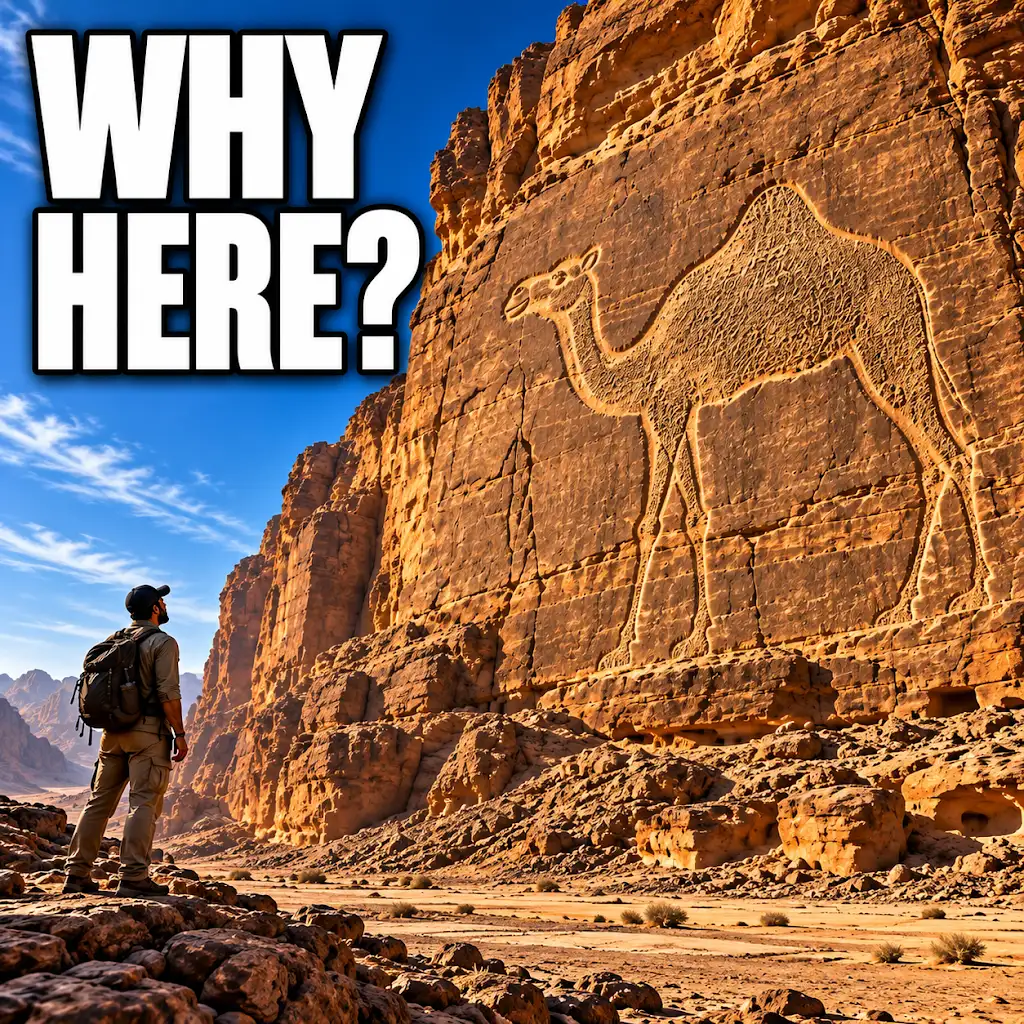
Why Were Giant Camels Carved Above the Desert?
FAQs
What is ancient camel art?
Ancient camel art refers to depictions of camels found in archaeological evidence, such as rock art, pottery, or sculptures, created by ancient civilizations.
Where has archaeological evidence of ancient camel art been found?
Archaeological evidence of ancient camel art has been found in various regions, including the Middle East, North Africa, and Central Asia.
What do these depictions of camels in ancient art reveal about the relationship between humans and camels?
These depictions suggest that camels played a significant role in the lives of ancient civilizations, serving as transportation, sources of milk and meat, and symbols of wealth and status.
How do archaeologists interpret ancient camel art?
Archaeologists interpret ancient camel art by analyzing the context in which the art was created, studying the style and techniques used, and comparing the depictions to other archaeological findings.
Why is the study of ancient camel art important in understanding past civilizations?
The study of ancient camel art provides valuable insights into the cultural, social, and economic significance of camels in ancient societies, as well as the artistic techniques and beliefs of these civilizations.