Echoes from the Dawn of Humanity
The wind, a constant sculptor of the arid landscape, whispered secrets across the sun-baked plateau. For millennia, it has swept over this remote corner of the world, a place where geological formations twist and turn into abstract shapes, and where scattered fragments of ochre and charcoal hint at a vibrant past. It is here, on the periphery of a recently identified, deeply enigmatic rock art site, that archaeologists have unearthed a treasure trove of ancient stone tools, each artifact a silent testament to the ingenuity and perseverance of our earliest ancestors. The discovery is poised to rewrite our understanding of human habitation and artistic expression in this region, potentially pushing back the timeline of human presence and offering new insights into the lives of those who once walked this land.
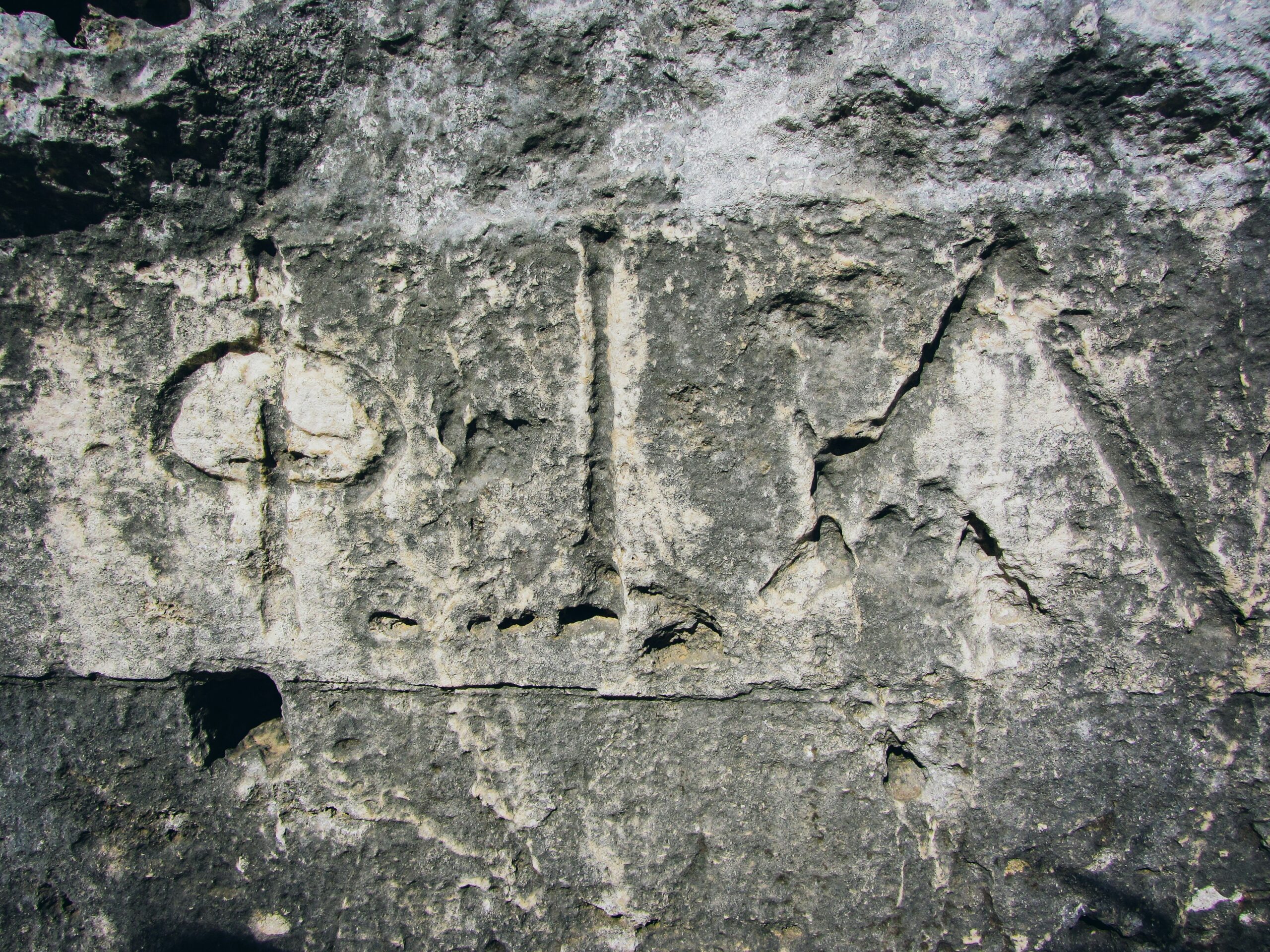
The rock art itself, a collection of striking geometric patterns and stylized animal figures adorning the walls of a shallow cave and several sheltered rock faces, had previously defied easy categorization. Lacking the characteristic narrative scenes found at many well-known sites, its abstract nature had led to speculation about its purpose – perhaps ritualistic, shamanistic, or even a form of proto-writing. The discovery of associated lithic assemblages, however, has provided a tangible anchor to these enigmatic markings, firmly placing them within the context of human activity and offering a tantalizing glimpse into the lives of the people who created both the art and the tools.
Recent discoveries of stone tools in proximity to ancient rock art have sparked significant interest among archaeologists, as they suggest a deeper connection between early human creativity and technological innovation. These findings are discussed in detail in a related article that explores how revolutionary tech breakthroughs are reshaping our understanding of history. For more insights, you can read the full article here: Revolutionary Tech Breakthroughs Changing History.
The Site and Its Geological Setting

The discovery site is nestled within a rugged, sparsely vegetated region characterized by ancient sedimentary rock formations. Erosion has played a significant role in shaping the landscape, creating a series of natural shelters, overhangs, and narrow canyons that would have been attractive to early human groups seeking refuge from the elements and protection from predators. The specific location of the stone tools, found in several distinct concentrations in the vicinity of the rock art panels, suggests a deliberate and sustained occupation or at least a series of repeated visits over a considerable period. The geological context of the site is crucial for understanding the raw materials available to the toolmakers.
Local Stone Sources and Material Selection
The toolmakers were remarkably adept at identifying and utilizing the available lithic resources. Analysis of the discovered tools reveals a preference for certain types of stone, primarily chert and quartzite, which are naturally occurring in the surrounding geological strata. Chert, with its fine-grained texture and conchoidal fracture properties, is ideal for producing sharp edges and delicate retouching, making it a favored material for crafting cutting and scraping implements. Quartzite, a harder and more durable stone, would have been employed for tools requiring greater force, such as pounding or heavy-duty scraping. The presence of worked pieces of both materials, alongside evidence of debitage (waste flakes produced during tool manufacture), indicates that the crafting of tools was likely carried out directly at or very near the art site. This suggests that the location was not merely a temporary stop but a place where essential activities, including the production of essential tools, took place. The spatial distribution of these lithic concentrations, some found closer to the cave art and others in more open, exposed areas, hints at different activities or phases of occupation.
Environmental Conditions and Their Impact
The ancient environment of this region was likely different from the arid conditions seen today. Paleoclimatic reconstructions suggest periods of increased rainfall and more abundant vegetation, supporting a richer fauna that would have been a primary food source for early humans. The presence of these nomadic or semi-nomadic groups would have been directly influenced by the availability of water and game. The rock art site, with its natural shelters and proximity to potential water sources (even if now dry), would have offered a strategic advantage. The tools themselves also provide clues about the environment. For instance, the types of scrapers and cutting tools found are consistent with processing animal hides, butchering carcasses, and preparing plant materials for consumption or other uses. The environmental conditions, therefore, not only dictated where early humans lived but also shaped the very nature of the tools they created to survive and thrive.
The Lithic Assemblage: A Chronicle in Stone

The collection of stone tools unearthed represents a significant archaeological find, offering a tangible link to the past. Each artifact, from the crudest choppers to finely flaked handaxes, tells a story of innovation, adaptation, and the evolving capabilities of early humans. The sheer quantity and diversity of the lithic assemblage are remarkable, suggesting a prolonged period of human activity. Careful excavation and documentation have allowed archaeologists to categorize these tools based on their form, function, and manufacturing techniques, providing a detailed picture of the technological sophistication of the people who made them.
Typology and Classification of Tools
The lithic assemblage has been meticulously classified into various tool types, each defined by its morphology and apparent function. At the most basic level, several simple choppers and handaxes have been identified. These are characterized by a core of stone that has been partially flaked to create a cutting or chopping edge. They would have served a variety of purposes, from breaking bones to rudimentary woodworking. Moving up in complexity, numerous scrapers have been found, including end scrapers, side scrapers, and concave scrapers. These are distinguished by their steeply angled working edges and are indicative of tasks such as hide preparation, wood shaping, and processing of plant matter.
The presence of points, both projectile and perhaps for hafting, suggests more advanced tool use, potentially for hunting. These are typically leaf-shaped or triangular flakes with one or both edges retouched to form a sharp point. Furthermore, a variety of blades and awls have been noted, indicating finer crafting and more specialized tasks. The debitage, or waste flakes, found in association with the tools, provides invaluable information about the knapping techniques employed. The presence of micro-debitage suggests pressure flaking, a more refined technique used for creating sharp edges and delicate retouching, often associated with later Stone Age technologies.
Manufacturing Techniques and Skill Levels
The stone tools showcase a range of manufacturing techniques, indicating a progression in skill and technological understanding over time. The earliest tools appear to be made using direct percussion, where a hammerstone is used to strike the core, removing flakes. This method is relatively simple and effective for producing basic tools. As time progressed, indirect percussion, which involves using a punch to strike the core, and pressure flaking, where a pointed tool is used to push off small flakes, became more prevalent. These more advanced techniques allowed for greater control over the flaking process, resulting in more refined tool forms and sharper edges.
The uniformity in the manufacturing of certain tool types, such as the consistent flaking patterns on a series of scrapers, suggests that these techniques were passed down through generations and that there was a high level of skill within the community. The presence of unfinished tools and exhausted cores also provides direct evidence of the tool-making process, allowing researchers to reconstruct the chaîne opératoire – the sequence of actions involved in transforming raw stone into a functional artifact. The level of skill demonstrated in the creation of these tools challenges previous assumptions about the cognitive abilities and technological prowess of early human populations in this region.
Evidence of Tool Use and Maintenance
Beyond their manufacturing, the stone tools offer direct evidence of their use and subsequent maintenance. Microscopic analysis of the working edges reveals characteristic wear patterns. For example, polish and striations on scrapers are indicative of prolonged contact with organic materials like hides or wood. Similar wear patterns on cutting edges suggest use in butchery or processing plant materials. The presence of secondary retouching on some tools indicates that they were repaired and resharpened after extensive use, demonstrating a practical and resource-conscious approach to tool management.
The abandonment of tools, when they became too worn or difficult to resharpen, also provides valuable data. The distribution of these discarded tools within the site can help archaeologists understand activity areas and settlement patterns. The fact that many of these tools were found in close proximity to the rock art suggests a strong connection between the daily lives of the inhabitants and their artistic endeavors. It is plausible that the same individuals who crafted these essential implements were also responsible for the creation of the enigmatic markings on the cave walls.
The Enigmatic Rock Art: A Window into Ancient Minds
The rock art site itself is a source of profound mystery. The abstract nature of the engravings and paintings, composed of geometric shapes, lines, and dots, along with a limited number of stylized zoomorphic figures, sets it apart from many other prehistoric art sites. The lack of clear narrative elements has led to much debate about its purpose and meaning, but the discovery of associated stone tools provides a crucial grounding for these interpretations, placing the art within the tangible context of human life.
The Style and Subject Matter of the Art
The art consists of a complex tapestry of geometric designs, including spirals, concentric circles, parallel lines, and intricate lattice patterns. These abstract forms are interspersed with depictions of animals, though often highly stylized and lacking fine detail. The fauna represented appears to be local, though definitive identification can be challenging due to the abstract rendering. In some instances, the figures appear almost like skeletal representations, hinting at a focus on the essence of the animal rather than its realistic portrayal. The dominant medium appears to be ochre, likely derived from local mineral deposits, applied with fingers or rudimentary brushes. Some areas also show evidence of engraving, where the rock surface has been incised.
The limited palette of colors, primarily reds, oranges, and browns, is consistent with the natural pigments available in the region. The sheer number of distinct geometric motifs is striking, suggesting a deliberate and perhaps systematic approach to their creation. The repetition of certain patterns across different panels hints at a shared cultural language or a system of communication, even if its meaning remains elusive to modern observers.
Potential Interpretations of the Art’s Purpose
The abstract nature of the art has led to a variety of hypotheses regarding its purpose. Some scholars suggest a ritualistic or shamanistic function, where the geometric patterns served as mnemonic devices for mnemonic practices, trance induction, or representations of spiritual journeys. The stylized animals could represent totemic figures or important prey animals imbued with symbolic meaning. Another perspective proposes that the art served as a form of proto-writing or a system for recording information, such as astronomical observations, environmental cycles, or tribal histories. The geometric patterns, in this view, might represent symbols or concepts within a larger system of communication.
The proximity of the stone tools to the art panels is a key factor in these interpretations. It is possible that the creation of the art was intrinsically linked to the activities carried out at the site, perhaps during periods of rest or contemplation following hunting or tool-making. The energy and focus required to produce both the tools and the art suggest a people deeply connected to their environment and their cultural practices. The possibility of the art serving a social function, such as marking territory or signifying group identity, also remains open for consideration.
Dating and Chronological Placement
Determining the precise age of the rock art and the associated lithic assemblage is a critical step in understanding the timeline of human occupation and artistic expression in the region. While direct dating of the rock art itself can be challenging, relying on techniques like radiocarbon dating of organic materials found within the pigments or on the cave floor is often employed. Similarly, the stone tools can be dated through their stratigraphic context – their position in relation to other dated layers of sediment – and by association with organic materials that might have been used or deposited alongside them. Preliminary analyses suggest that the lithic assemblage dates back to the Middle to Late Stone Age, potentially pushing back the established timeline of human presence in this particular area by several millennia. Further extensive dating campaigns are planned, which will be crucial in establishing a more precise chronological framework for both the tools and the art, allowing for comparisons with other known prehistoric sites globally.
Recent discoveries of stone tools near ancient rock art have sparked significant interest among archaeologists, as they suggest a deeper connection between early human creativity and technology. These findings highlight the importance of understanding the cultural context in which these tools were used, shedding light on the daily lives of our ancestors. For a broader perspective on how human innovation has evolved over time, you can explore the fascinating article on the space race and its implications for technological advancement in various fields by following this link: space race.
Unraveling the Connection: Tools and Art
| Site Name | Location | Number of Stone Tools Found | Type of Stone Tools | Estimated Age (Years) | Associated Rock Art Style |
|---|---|---|---|---|---|
| Blombos Cave | South Africa | 150 | Scrapers, Points, Blades | 75,000 | Abstract Engravings |
| Altamira | Spain | 45 | Flint Knives, Scrapers | 36,000 | Polychrome Animal Figures |
| Chauvet Cave | France | 60 | Flint Points, Burins | 32,000 | Realistic Animal Depictions |
| Bhimbetka | India | 200 | Choppers, Scrapers, Blades | 30,000 | Geometric and Figurative Paintings |
| Kimberley Region | Australia | 120 | Grinding Stones, Scrapers | 17,000 | Wandjina and Gwion Gwion Figures |
The discovery of ancient stone tools in such close proximity to the mysterious rock art site is not merely a coincidental geological alignment; it strongly suggests a profound and intentional connection between the material culture and the symbolic expressions of the people who inhabited this region. This convergence offers a rare opportunity to bridge the gap between the practical necessities of survival and the abstract realm of human creativity and cognition. The artifacts provide the context, the “how,” for the enigmatic markings, potentially illuminating the “why” behind their creation.
Functional Integration of Tool Use and Art Creation
The spatial association of the tool assemblages with the rock art panels points towards a functional integration of these two aspects of human activity. It is highly probable that the same individuals or groups who were engaged in the daily tasks of hunting, processing food, and crafting essential tools were also the creators of the rock art. This suggests that the artistic impulse was not a separate, specialized endeavor but rather an integral part of their lives, perhaps undertaken during moments of leisure, reflection, or during specific seasonal gatherings. The raw materials for both activities – the stone for tools and the mineral pigments for art – were likely sourced from the immediate vicinity, further emphasizing the site’s importance as a hub of human activity. The presence of debitage from stone tool manufacture near the art could even indicate that the artists were working on their tools while contemplating or creating the art, or vice versa.
Behavioral Inferences from the Assemblage
The nature of the stone tools provides significant behavioral inferences about the people who made them. The variety of scrapers and cutting tools strongly indicates activities related to processing animal hides for clothing or shelter, butchering carcasses, and preparing plant-based foods. The presence of projectile points suggests hunting as a primary subsistence strategy. The skill and refinement evident in some of the toolmaking techniques imply a well-developed understanding of materials and a sophisticated knowledge base passed down through generations. The maintenance and repair of tools, as evidenced by secondary retouching, speak to a practical and resource-conscious approach to their technology. When these behaviors are overlaid onto the context of the rock art, it suggests that these were not simply basic survivalists but individuals with the capacity for complex thought, planning, and symbolic expression. The artistic expressions might have been a way to process their experiences, to communicate ideas, or to engage with the spiritual or cosmological aspects of their world, all while living a life defined by the use and creation of these very tools.
Interdisciplinary Approaches to Understanding
To truly unravel the complex relationship between the tools and the art, an interdisciplinary approach is essential. Archaeologists are working in tandem with geologists to understand the provenance of the raw materials used for both tools and pigments. Paleobotanists and paleozoologists are analyzing ancient pollen and faunal remains to reconstruct the environment and diet of the inhabitants, providing context for their subsistence strategies and the fauna depicted in the art. Anthropologists and art historians are contributing by comparing the motifs and styles with those found at other prehistoric sites globally, looking for patterns and potential shared cultural influences. Furthermore, advancements in scientific dating techniques, such as luminescence dating of sediments and refined radiocarbon dating, are crucial for establishing a robust chronological framework. This collaborative effort aims to move beyond mere description of artifacts to a deeper understanding of the cognitive abilities, social structures, and belief systems of these ancient peoples.
Recent discoveries of stone tools near ancient rock art sites have sparked significant interest among archaeologists, as these findings may provide insights into the lives of early humans. The relationship between tool-making and artistic expression is a fascinating area of study, highlighting the cognitive and cultural developments of our ancestors. For a deeper understanding of how resource scarcity influenced early human behavior, you can explore this related article on resource wars and their implications for ancient societies here.
Future Research and Broader Implications
The discovery of these ancient stone tools near the mysterious rock art site marks not an endpoint but a new beginning for research in this region and beyond. The implications of these findings are far-reaching, promising to reshape our understanding of early human history, technological development, and the origins of symbolic thought. Further investigations are already being planned, building upon the initial success of the excavation and analysis.
Ongoing Excavations and Artifact Analysis
The current excavation is ongoing, with archaeologists carefully expanding the explored areas around the initial discovery zones. The aim is to identify further lithic concentrations, potential hearths, or other features that could shed light on the site’s occupation history and the daily lives of its inhabitants. A significant portion of the unearthed artifacts are currently undergoing detailed analysis in specialized laboratories. This includes microscopic examination of wear patterns, residue analysis to identify the types of materials processed by the tools, and detailed typological and technological studies. The raw materials themselves are being subjected to geochemical analysis to pinpoint their geological origin, potentially revealing ancient trade routes or the extent of the inhabitants’ territory. Efforts are also underway to gather more samples for precise dating, which will be critical for establishing a firm chronological sequence for the site.
Comparative Studies with Global Sites
The significance of this discovery is amplified when considered in the context of other prehistoric sites worldwide. Researchers are actively engaged in comparative studies, juxtaposing the lithic technology and artistic styles found at this site with those from other ancient human settlements across different continents. This comparative approach seeks to identify potential cultural connections, diffusion of technologies, or independent developments in human ingenuity. For instance, similarities in tool typologies with sites from Africa or Eurasia could suggest migration patterns or shared ancestral technologies. Likewise, comparisons of the abstract art with other geometric rock art traditions could shed light on universal aspects of human symbolic expression or regional variations in artistic conventions. This global perspective is crucial for placing the discoveries within the broader narrative of human evolution and migration.
Redefining Prehistoric Cognitive Abilities and Artistic Origins
The ongoing research holds the potential to fundamentally redefine our understanding of prehistoric cognitive abilities and the origins of art. The sophisticated toolmaking techniques, coupled with the complex abstract art, suggest a level of cognitive sophistication that may have been previously underestimated for early hominin populations in this region. The abstract nature of the art, in particular, challenges the notion that early art was solely representational and narrative-driven. It suggests that early humans were capable of abstract thought, symbolic representation, and perhaps even the development of complex conceptual systems. This discovery could push back the timeline for the emergence of these advanced cognitive faculties and contribute to a more nuanced understanding of how human consciousness and creativity evolved. Ultimately, these ancient stone tools and the enigmatic art they accompany offer a profound glimpse into the minds of our distant ancestors, reminding us of the enduring human drive to create, to understand, and to leave a mark on the world.

Why Were Giant Camels Carved Above the Desert?
FAQs
What are stone tools?
Stone tools are tools and artifacts that were made by shaping, flaking, chipping, or grinding a piece of stone to create a useful implement.
What is rock art?
Rock art refers to human-made markings on natural stone surfaces. These markings can include paintings, engravings, and carvings.
Where were the stone tools found in relation to the rock art?
The stone tools were found near the rock art, suggesting a possible connection between the two and providing insights into the activities of the people who created them.
What can the discovery of stone tools near rock art tell us about ancient civilizations?
The discovery of stone tools near rock art can provide valuable information about the tools and techniques used by ancient civilizations, as well as their daily activities, rituals, and cultural practices.
How do archaeologists determine the age of stone tools found near rock art?
Archaeologists use various dating techniques such as radiocarbon dating, thermoluminescence dating, and stratigraphy to determine the age of stone tools found near rock art, helping to establish a timeline of human activity in the area.