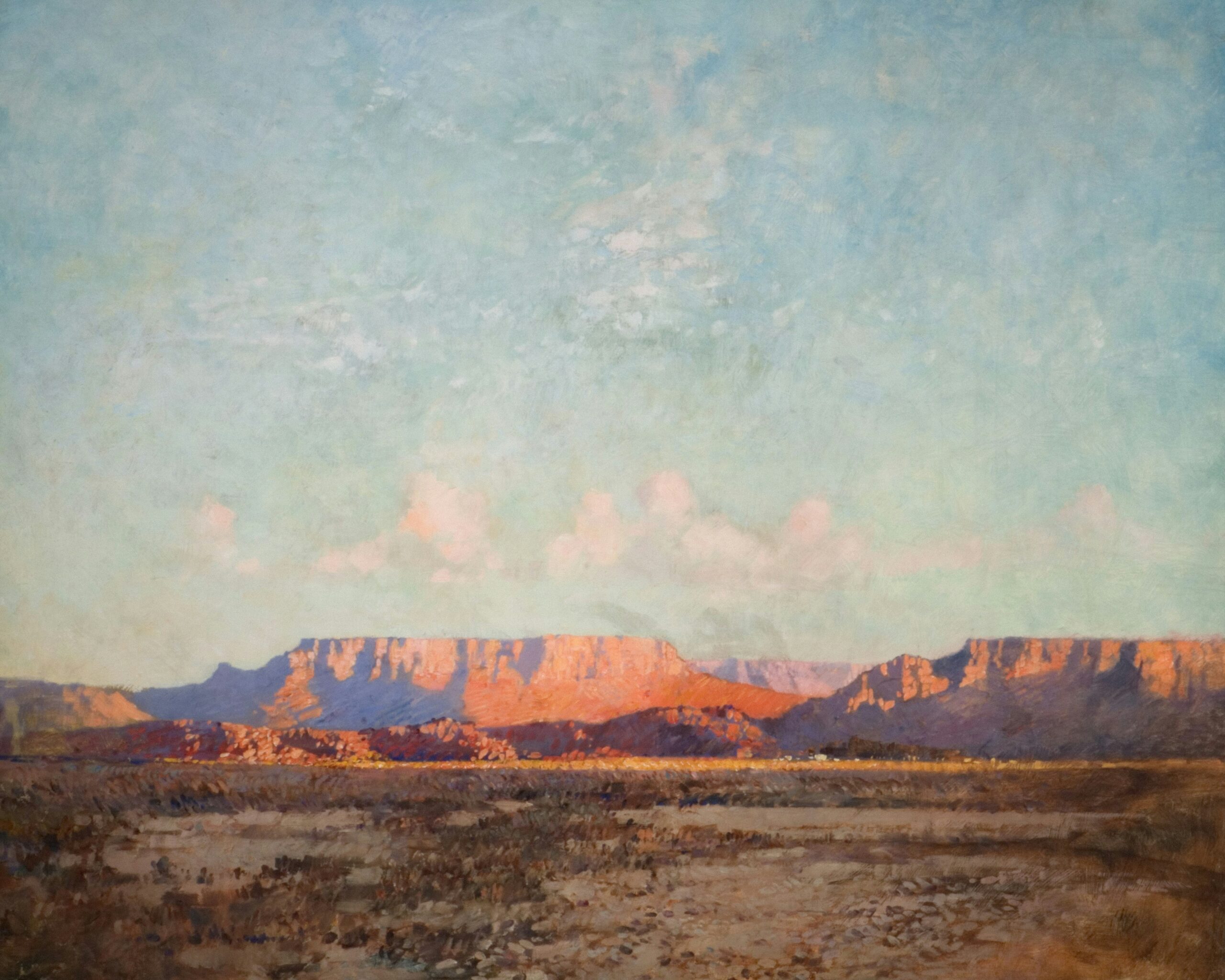
The vast, ochre expanse of the desert, often perceived as a barren canvas, has for millennia served as a gallery for some of humanity’s most enduring and awe-inspiring artistic expressions. These are not the fleeting strokes of paint or the chiseled forms of stone found in more temperate climes, but rather monumental works etched into the very earth, created by the sun, wind, and the hands of ancient peoples. Ancient desert land art stands as a testament to human ingenuity, spiritual connection, and a profound understanding of the environment, its creations weathering the relentless forces of nature to whisper stories across the ages.
Whispers from the Sands: The Dawn of Earthly Canvases
The origins of land art in arid regions are as ancient as human settlement itself, deeply intertwined with early agricultural practices, spiritual beliefs, and the need to mark territory or communicate with the divine. Before the advent of writing or complex architectural endeavors, the land provided the most readily available and enduring medium for artistic and symbolic expression. These early artists, lacking sophisticated tools, harnessed the natural topography, the contrasting colors of soil and rock, and the sheer scale of the desert landscape to create their masterpieces. The permanence of these works, achieved through simple yet ingenious methods, speaks volumes about the artists’ connection to their surroundings and their desire for their messages to transcend generations.
The Nasca Lines: Geoglyphs of Mystery and Meaning
Perhaps the most iconic example of ancient desert land art are the Nasca Lines in Peru. These colossal geoglyphs, etched into the desert floor over 2,000 years ago by the Nasca culture, depict a bewildering array of figures – hummingbirds, monkeys, spiders, lizards, and abstract geometric shapes, some stretching for hundreds of meters. Viewed from the ground, their intricate designs are often lost, a fact that fuels much of the speculation surrounding their purpose. It is only from an elevated vantage point, made possible by modern aircraft or the surrounding foothills, that the full scope and artistry of these geoglyphs become apparent. Their creation involved painstakingly removing the reddish-brown surface layer of stones to expose the lighter soil beneath, a monumental task that required meticulous planning and execution. The sheer scale and precision of these designs, especially considering the tools available at the time, are astounding.
Pathways to the Sky: Ritualistic and Astronomical Significance
The enduring mystery of the Nasca Lines lies in their intended function. While definitive answers remain elusive, prevailing theories suggest a complex interplay of ritualistic and astronomical purposes. Some scholars propose that the lines served as pathways for religious processions, leading participants to sacred sites or facilitating communication with deities. Others point to the remarkable alignment of certain figures and lines with celestial events, suggesting they functioned as an enormous astronomical calendar or observatory, marking solstices, equinoxes, and the movements of stars. The act of creating these massive designs, requiring a coordinated effort from a community, likely held significant social and spiritual importance, reinforcing group identity and shared beliefs. The dedication required to undertake such an endeavor, spanning generations, highlights the profound reverence the Nasca people held for their cosmology and their desire to leave an indelible mark upon the earth.
The Enigma of the Builders: Unraveling Nasca Intent
Despite extensive research, the specific intent behind each geoglyph, and the overarching purpose of the entire complex, remains a subject of ongoing debate. Were they solely for the gods? A form of terrestrial map? A game for the sky? The lack of written records from the Nasca culture leaves these questions open to interpretation. However, the sheer artistry and engineering involved underscore the sophisticated understanding of geometry, surveying, and project management possessed by these ancient peoples. The deliberate contrast between the dark desert varnish and the lighter subsoil, the clean lines, and the precise execution all point to a culture deeply invested in the visual and symbolic manipulation of their environment. The enduring enigma only adds to their allure, inviting continued exploration and contemplation.
Ancient land art in the desert has long fascinated archaeologists and art enthusiasts alike, as it offers a glimpse into the cultural practices of early civilizations. The intricate designs carved into the earth not only serve as a testament to human creativity but also raise questions about the relationship between art and the environment. For a deeper exploration of how perception shapes our understanding of reality, you might find the article “The Illusion of Truth: How Power Conceals Reality” insightful. It discusses the ways in which narratives are constructed and can influence our interpretation of historical artifacts, including ancient land art. You can read the article here: The Illusion of Truth: How Power Conceals Reality.
Echoes of Ancestors: Symbols Carved in Stone and Earth
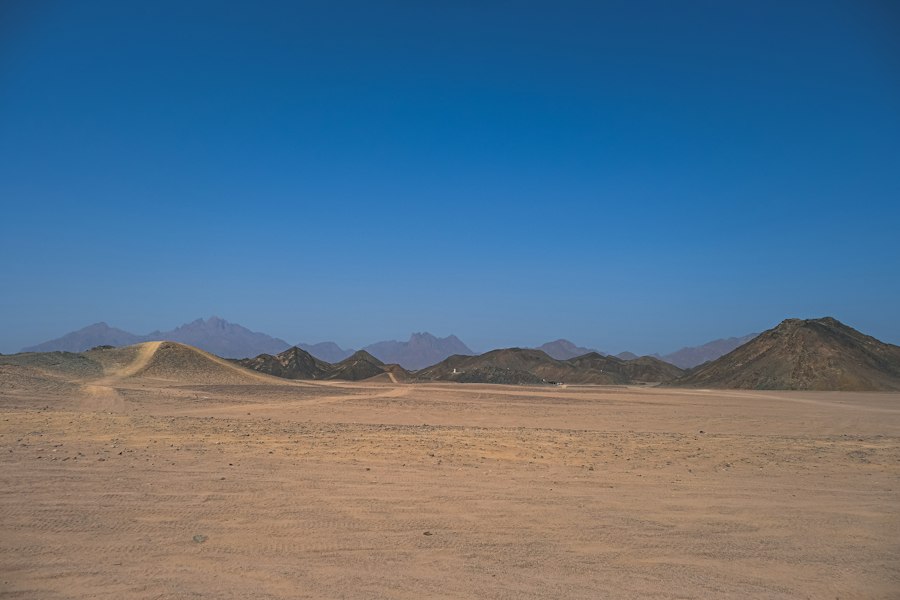
Beyond the monumental scale of the Nasca Lines, desert land art encompasses a broader spectrum of creations, from intricate petroglyphs and pictographs etched onto rock faces to earthworks designed to manipulate water flow or create ceremonial spaces. These works, though often smaller in scale, are equally rich in meaning, offering glimpses into the daily lives, spiritual practices, and mythologies of ancient desert dwellers. The durability of stone and the inherent resistance of arid landscapes to rapid erosion have preserved these ancient markings, acting as silent storytellers for those who know how to read them.
Petroglyphs and Pictographs: Ancient Narratives on Rock Faces
Across the globe, from the American Southwest to the Sahara Desert and the Australian Outback, ancient peoples adorned rock surfaces with a variety of images. Petroglyphs, created by incising, abrading, or pecking away at the rock surface, and pictographs, painted using natural pigments, offer a visual lexicon of ancient cultures. These images often depict animals significant to the local ecosystem, human figures engaged in hunting or ritual, abstract symbols, and what appear to be narrative scenes. The locations where these artworks are found often hold clues to their purpose, frequently situated near water sources, in caves offering shelter, or on prominent rock formations.
Understanding the Visual Language: Decoding Ancient Symbolism
Deciphering the precise meaning of these rock carvings is a complex and often speculative endeavor. Unlike written languages, the visual language of petroglyphs and pictographs lacks a direct Rosetta Stone. However, by studying the context in which they are found, cross-referencing with oral traditions of descendant communities, and analyzing recurring motifs, archaeologists and anthropologists have made significant progress in understanding their potential significance. They may have served as territorial markers, records of important events, shamanistic visions, instructional guides for hunting, or simply as expressions of aesthetic and spiritual connection to the land. The act of creating these images, often in challenging or sacred locations, underscores their importance to the cultural fabric of these ancient societies.
Earthworks and Sacred Sites: Shaping the Landscape for Purpose
In many arid regions, land art extended beyond rock surfaces to encompass deliberate alterations of the landscape itself. These earthworks could include raised mounds, depressions, or intricate patterns of stones arranged to serve specific functions. In parts of North America, for instance, ancient peoples constructed elaborate effigy mounds shaped like animals, the purpose of which is still debated but likely held significant ceremonial or cosmological meaning. In other areas, carefully constructed channels and basins were designed to capture and conserve scarce water resources, a testament to the practical ingenuity of these societies. These earthworks, often vast in scale, demonstrate a profound understanding of hydrology and a commitment to shaping the environment for survival and spiritual fulfillment.
The Desert as Cathedral: Spirituality and Cosmic Connections

For many ancient desert cultures, the vast, seemingly empty expanses of sand and rock were not merely physical spaces but sacred realms, imbued with spiritual significance. Land art served as a crucial bridge between the earthly and the divine, a means of communicating with ancestral spirits, appeasing deities, or attuning oneself to the cosmic order. The sheer scale and permanence of these creations, often requiring collective effort and spanning generations, suggest a deep-seated commitment to these spiritual beliefs. The stark beauty of the desert landscape itself, with its dramatic shifts in light and shadow, its boundless horizons, and its often-harsh conditions, likely fostered a sense of awe and reverence that found expression in these enduring artworks.
Celestial Alignments and Cosmic Maps: Reading the Heavens on Earth
A recurring theme in ancient desert land art is the apparent connection to astronomical phenomena. As seen with the Nasca Lines, many geoglyphs and stone arrangements exhibit precise alignments with celestial events, such as solstices, equinoxes, and the rising or setting of significant stars and planets. These alignments suggest that the creation of these artworks was not merely artistic but also a sophisticated form of calendrical tracking and cosmic observation. By inscribing these patterns onto the earth, ancient peoples sought to mirror the celestial order, to understand their place within the universe, and perhaps to harness the power of the cosmos. The desert, with its clear, unpolluted night skies, provided an ideal observatory for such pursuits.
Sacred Spaces and Ritual Pathways: Grounding the Divine
Many desert land art sites appear to have served as sacred spaces, dedicated to religious rituals, ceremonies, or as places of pilgrimage. The deliberate arrangement of stones, the creation of specific pathways, or the orientation of artworks towards particular landmarks or celestial bodies all point to a carefully designed spiritual landscape. These sites may have been where important rites of passage were celebrated, where offerings were made to deities, or where shamans communed with the spirit world. The act of traversing these ancient pathways or engaging with these earthbound symbols would have been a deeply immersive spiritual experience, connecting individuals to their ancestors, their community, and the fundamental forces of the universe.
Ancestral Connections and the Realm of Spirits
For many indigenous desert cultures, the land itself is alive and imbued with the spirits of ancestors and the natural world. Land art often served as a way to honor these spirits, to maintain a connection with the past, and to ensure the continuity of life. The creation of an artwork could be seen as a form of dialogue with the spiritual realm, a plea for guidance, or a celebration of the interconnectedness of all things. The enduring nature of stone and earth art resonated with the belief in the eternal presence of the spiritual world, a world that was not separate from the physical but intricately woven into it.
The Language of Line and Form: Techniques of the Ancient Earth Artisans
The creation of land art in arid environments required a profound understanding of the available materials and a mastery of techniques adapted to the harsh conditions. The very elements that posed challenges to survival – the sun, wind, and scarce water – were also harnessed and manipulated by these ancient artists to create their enduring works. The simplicity of their tools belies the sophistication of their engineering and their artistic vision.
Harnessing the Desert’s Palette: Utilizing Natural Materials
The primary “paint” and “canvas” for desert land artists were the inherent properties of the landscape itself. The contrasting colors of different soil layers, the distinct hues of desert varnish (a dark, mineral coating on rocks), and the varied textures of sand and stone provided a rich palette. Techniques involved carefully removing the darker surface layer of soil to expose lighter subsoil, a process that created sharp, defined lines. In other instances, stones of differing colors were meticulously arranged to form patterns and images. The sheer volume of material moved or rearranged for these monumental works underscores the immense human effort and organizational capacity involved.
Precision and Scale: Engineering with Primitive Tools
The creation of large-scale geoglyphs and earthworks demanded an impressive degree of surveying, geometry, and precision. Without modern instruments, ancient artisans relied on methods such as sighting with plumb bobs, using ropes for measurement, and understanding basic geometric principles to achieve the scale and accuracy evident in their works. For instance, the straightness and curvature of lines in the Nasca Lines suggest a sophisticated understanding of proportion and spatial relationships. The planning and execution of these projects likely involved the coordination of large groups of people over extended periods, demonstrating a remarkable capacity for collective endeavor and project management.
Enduring Materials: The Elements as Collaborators and Custodians
The desert environment, while challenging, also contributed to the longevity of these land art creations. The arid climate minimizes erosion from rainfall, and the desert varnish on rocks provides a protective layer that can preserve incised or painted images for millennia. The wind, while a force of erosion, also plays a role in maintaining the sharpness of lines by sweeping away loose debris. In a sense, the desert itself became a collaborator and a custodian of these ancient artworks, helping to preserve them against the ravages of time and the elements. The very act of creating art in such a durable medium was a testament to the desire for their creations to endure, to speak across vast stretches of time.
Ancient land art in the desert has captivated historians and artists alike, showcasing the profound connection between humanity and the natural landscape. These remarkable creations, often formed by indigenous cultures, serve as a testament to the spiritual and cultural significance of the environment. For those interested in exploring how such ancient practices might influence contemporary perspectives, a related article discusses the implications of economic shifts on cultural heritage and art preservation. You can read more about this intriguing connection in the article found here.
Legacy in the Landscape: The Enduring Power of Ancient Desert Art
| Artwork Name | Location | Estimated Age (Years) | Dimensions (meters) | Material Used | Cultural Significance |
|---|---|---|---|---|---|
| Desert Spiral | Atacama Desert, Chile | 1500 | 120 x 120 | Stone and Sand | Symbolizes the cycle of life and nature |
| Sand Glyphs | Sahara Desert, Algeria | 2000 | 50 x 30 | Sand and Pebbles | Ancient communication and storytelling |
| Circle of Stones | Negev Desert, Israel | 1800 | 80 diameter | Basalt Stones | Ritualistic and ceremonial use |
| Desert Lines | Namib Desert, Namibia | 2200 | 200 x 100 | Rock and Sand | Marking territorial boundaries |
| Sun Path | Gobi Desert, Mongolia | 1700 | 90 x 40 | Stone and Earth | Tracking solar movements for agriculture |
The ancient desert land art that graces our planet is more than just a collection of historical curiosities; it is a profound testament to the enduring human spirit, our innate drive to create, to connect, and to imbue our surroundings with meaning. These timeless creations, etched into the very fabric of the earth, continue to inspire awe and wonder, prompting us to contemplate the ingenuity, spirituality, and deep connection to the natural world that characterized the peoples who made them. Their silent narratives whisper across the ages, reminding us of our shared humanity and the profound legacy we inherit from those who shaped the earth before us.
A Source of Ongoing Discovery and Wonder
The study of ancient desert land art remains a vibrant field of research, constantly yielding new insights and challenging existing theories. Each new discovery, whether it be an overlooked geoglyph, a previously undeciphered petroglyph, or a reinterpretation of celestial alignments, adds another layer to our understanding of these ancient cultures. The sheer scale and mystery of many of these sites continue to fuel public fascination, drawing visitors from around the world who seek to witness firsthand these extraordinary achievements. The enduring power of these artworks lies not only in their physical presence but also in the questions they provoke and the sense of wonder they ignite.
Preserving the Arid Galleries: Challenges and Conservation Efforts
Protecting these fragile desert landscapes and the invaluable art they contain is a critical challenge. The increasing pressures of tourism, development, and climate change pose significant threats to their long-term preservation. Conservation efforts are underway in many regions, involving archaeological research, site management, and educational initiatives aimed at fostering respect and understanding among visitors. The goal is to ensure that these ancient treasures can continue to speak to future generations, offering invaluable insights into the human past and the enduring relationship between humanity and the environment. The lessons learned from the preservation of these unique sites are crucial in our ongoing efforts to protect cultural heritage worldwide.
A Universal Human Impulse: Art as Connection and Meaning-Making
Ultimately, ancient desert land art speaks to a universal human impulse: the need to make our mark, to communicate, and to find meaning in our existence. The vast, silent canvases of the desert provided a unique and powerful medium for this impulse to flourish. These timeless creations, born from a deep understanding of the land and a profound connection to the cosmos, serve as enduring monuments to human creativity and resilience. They remind us that even in the harshest of environments, the human spirit can find ways to express itself in ways that transcend time, leaving a legacy etched in the very sands of existence.

Why Were Giant Camels Carved Above the Desert?
FAQs
What is ancient land art in the desert?
Ancient land art in the desert refers to large-scale artworks created by ancient civilizations in arid regions, often using natural materials found in the environment.
Where can ancient land art in the desert be found?
Ancient land art in the desert can be found in various locations around the world, including the deserts of Egypt, Peru, the American Southwest, and Australia.
What materials were commonly used to create ancient land art in the desert?
Ancient civilizations often used materials such as rocks, sand, dirt, and plants to create their land art in the desert, utilizing the natural resources available to them.
What was the purpose of ancient land art in the desert?
Ancient land art in the desert served various purposes, including religious or spiritual significance, marking territories, celestial alignments, and as a form of artistic expression.
How have modern researchers studied and preserved ancient land art in the desert?
Modern researchers use techniques such as aerial photography, satellite imaging, and ground surveys to study and document ancient land art in the desert. Preservation efforts include protective measures to prevent erosion and vandalism.