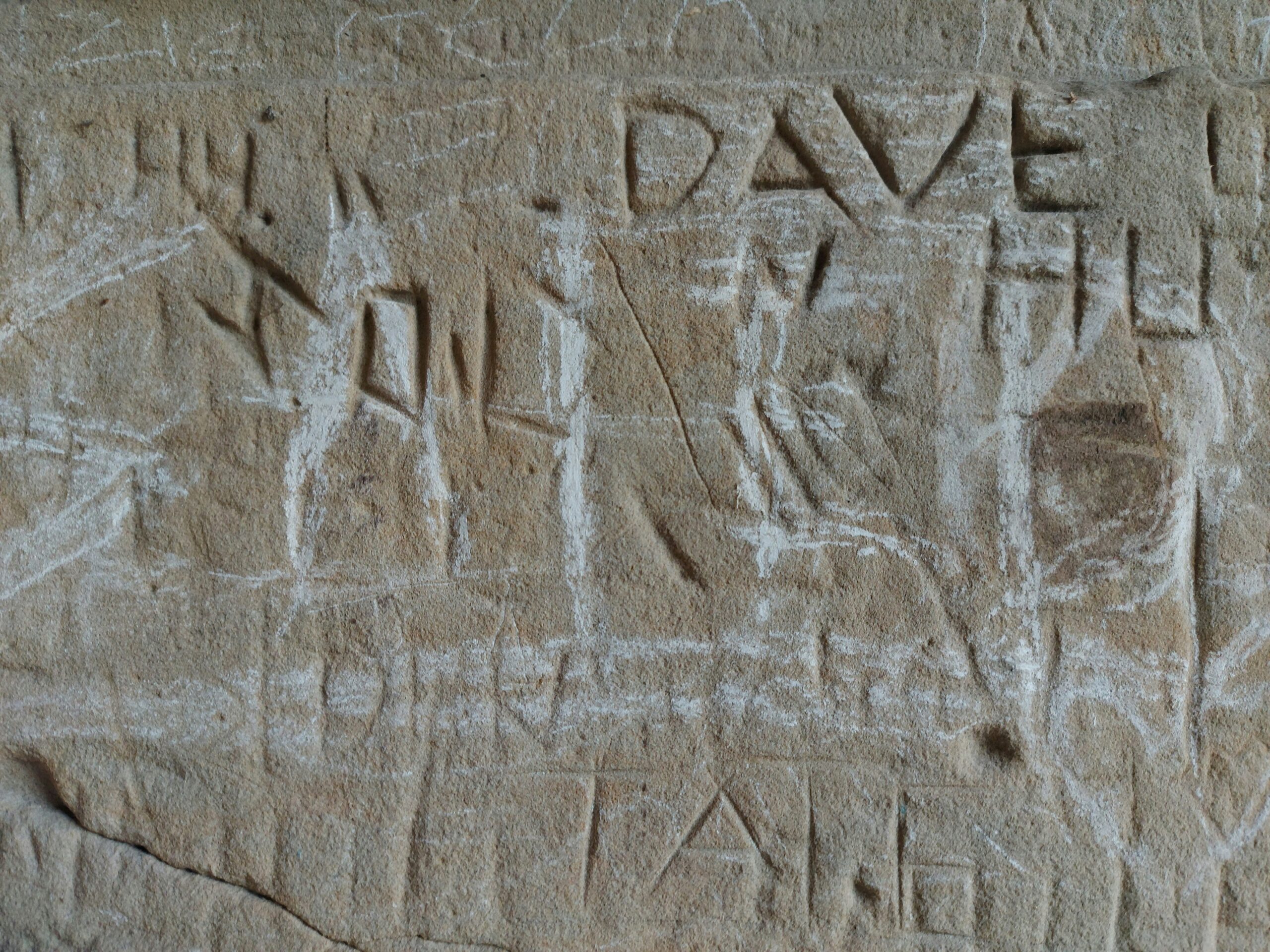
The sun, a painter of unimaginable skill, cast long shadows across the ochre-stained rock faces, imbuing the ancient depictions with a vibrant, almost spectral life. This was the canvas, a vast, open-air gallery preserved by time and the elements, holding within its sixty-two panels a silent narrative whispered across millennia. To stand before them was to embark on a timeless journey, a communion with artists whose hands had long since turned to dust, yet whose visions endured. The sheer number of panels, each a unique testament to human creativity and cultural expression, spoke of a community deeply connected to its environment, a community that found meaning and solace in the act of marking the stone. This was not mere decoration; it was a language, a form of communication that transcended spoken words and the limitations of perishable materials. The exploration of these sixty-two panels was a meticulous undertaking, a piecing together of fragments from a distant past, inviting contemplation and wonder at the enduring power of human storytelling.
Echoes from the Deep Past
The sixty-two panels lay scattered across a rugged landscape, weathered by centuries of wind and rain, yet remarkably intact. Their discovery was a testament to the persistence of archeological inquiry and the keen eyes of those who understood the subtle signs that hinted at hidden histories. Each panel presented a distinct tableau, a snapshot of a world long gone, populated by figures and symbols that sparked a thousand questions. The sheer density of the art within this limited geographical area suggested a significant cultural hub, a place of importance for the people who created these enduring works. The process of cataloging and understanding these panels was a multidisciplinary endeavor, drawing on the expertise of archeologists, art historians, anthropologists, and geologists, each contributing to a richer understanding of their context and meaning.
Unveiling the Significance of the Location
The strategic placement of these rock art panels was not accidental. They were often found in sheltered alcoves, on prominent cliff faces, or near natural water sources, indicating careful consideration in their selection. The sheer volume of art in this specific locale suggests it served as a focal point for a community or a series of communities over an extended period. Archeological evidence surrounding the panels, such as the presence of ancient hearths, tool fragments, and habitation sites, further solidifies the importance of this area as a place of human activity and cultural expression. The landscape itself seemed to hold a sacred aura, a deliberate choice by the artists to imbue their work with the power of its surroundings. Understanding the environmental and geographical context is crucial to deciphering the intentions behind the creation of this extensive body of rock art.
The Artistry of the Ancestors
The skill and artistry evident in the sixty-two panels were remarkable. The figures, though often stylized, possessed a dynamic quality, capturing movement and emotion with an economy of line. The variety of techniques employed, from shallow pecking to deep incising and the application of natural pigments, showcased a sophisticated understanding of their materials. The color palette, though limited by the available natural resources, was used with deliberate effect, with ochres and other mineral pigments lending a earthy vibrancy to the stone. The repetition of certain motifs and styles across different panels hinted at established artistic traditions and possibly the work of multiple generations of artists.
Decoding the Pictographic Language
The symbols and figures adorning the panels formed a complex visual language, open to interpretation yet resistant to definitive translation. Animal figures, often depicted with striking realism, were a recurring theme, suggesting a deep reverence for the natural world and its inhabitants. The presence of anthropomorphic figures, sometimes elaborately adorned or engaged in ritualistic activities, offered glimpses into the spiritual beliefs and social structures of the people. Geometric patterns, abstract shapes, and enigmatic signs added further layers of complexity, prompting speculation about their symbolic meanings, whether representing constellations, clan affiliations, or shamanic visions. The process of decoding this language was not about finding a direct one-to-one correspondence with modern concepts but rather about understanding the underlying worldview and cultural framework from which it emerged.
The discovery of sixty-two rock art panels provides invaluable insights into the cultural practices of ancient civilizations. These panels not only showcase artistic expression but also serve as a historical record of the environmental conditions that shaped the lives of the people who created them. For a deeper understanding of how paleoclimate data can illuminate the contexts in which such art was produced, you can explore a related article that discusses the connections between ancient civilizations and their environments. Check it out here: Uncovering Ancient Civilizations Through Paleoclimate Data.
A Symphony of Subjects

The subject matter depicted across the sixty-two panels was as diverse as the human experience itself. From the mundane to the mystical, these images offered a window into the daily lives, beliefs, and aspirations of ancient peoples. The recurring motifs and their variations provided a rich tapestry of information, allowing for inferences about their social organization, their relationship with the environment, and their spiritual understanding of the world. The sheer breadth of themes explored indicated a vibrant and multifaceted culture, one that found expression in the enduring medium of stone.
The Fauna of Their World
A significant portion of the rock art featured animals, depicted with varying degrees of naturalism and stylization. Graceful depictions of deer, bighorn sheep, and other game animals spoke of their importance as sources of sustenance and their integral role in the ecosystem. The artistic rendering of these creatures often highlighted their power, speed, and vitality, suggesting a deep respect and perhaps even a spiritual connection. Some animals were shown in hunting scenes, offering insights into their subsistence strategies and the challenges they faced. Others were depicted in isolation, their forms imbued with a sense of majesty and wildness. The consistent portrayal of certain animals across multiple panels suggested their symbolic significance, perhaps representing totemic animals, spirit guides, or mythological figures.
Recent discoveries in the field of archaeology have shed light on the significance of ancient rock art, including a remarkable collection of sixty-two rock art panels found in various locations. These panels not only provide insight into the cultural practices of early civilizations but also highlight the artistic expressions of the time. For those interested in exploring more about ancient engineering marvels, a related article discusses the revival of the ancient Assyrian aqueduct of Jerwan, which showcases the ingenuity of past societies. You can read more about it here.
Humanity in the Stone
Human figures, though often more abstract than the animal depictions, were equally compelling. These figures were presented in various guises: engaged in daily activities like hunting or gathering, participating in ceremonies, or standing alone as enigmatic presences. The details, when present, such as headdresses, ornaments, or distinctive postures, offered clues about social hierarchy, gender roles, or ritualistic practices. Some panels depicted large gatherings of people, suggesting communal events or important social interactions. The depiction of human forms often carried an emotional resonance, with stances and gestures conveying a sense of movement, action, or contemplation. The interplay between human and animal figures often hinted at a belief system where the boundaries between the natural and the supernatural were fluid.
Abstract Expressions and Symbolic Meanings
Beyond the representational figures, the panels were adorned with a rich array of geometric patterns and abstract symbols. Circles, lines, dots, and more complex geometric configurations appeared with deliberate regularity. The meaning of these abstract elements remained one of the most challenging aspects of interpretation. They could represent celestial bodies, calendrical markers, clan symbols, or abstract representations of spiritual concepts. The precise arrangement and repetition of these symbols often suggested a coded language, intended to convey information or beliefs that were not easily rendered in representational form. Understanding these abstract elements required looking beyond direct symbolism and considering their potential function within a broader cultural and ritualistic context.
A Chronicle of Time and Belief
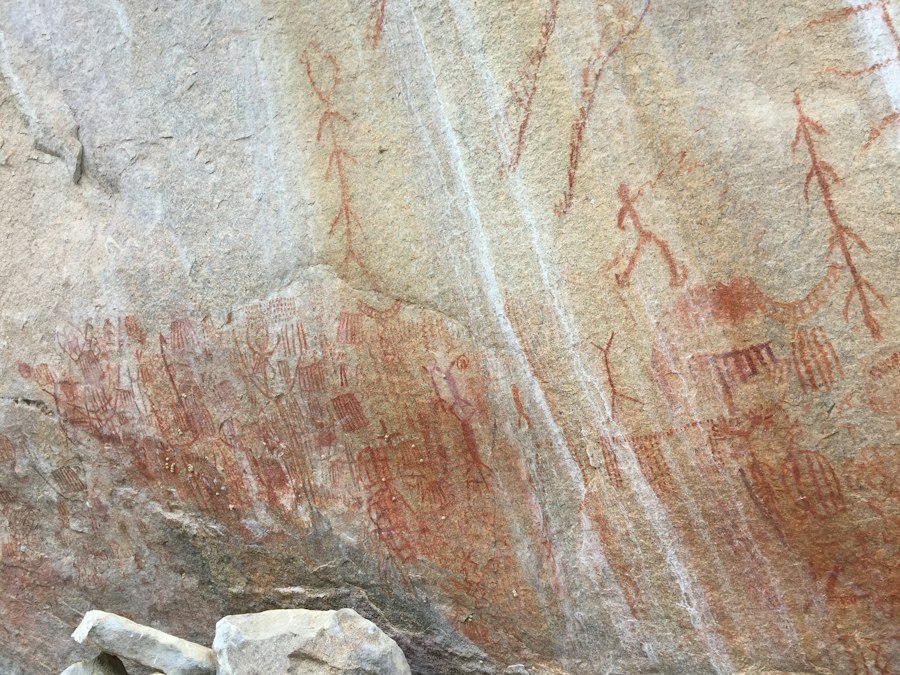
The sixty-two panels, when viewed collectively, offered more than just individual images; they provided a narrative, a chronicle of time, belief systems, and the lived experiences of ancient communities. The progression of styles, the recurrence of certain motifs, and the juxtaposition of different subjects offered clues about the evolution of their culture and the enduring nature of their spiritual practices. This was not a static collection of art but a dynamic testament to a living, breathing society.
Rhythms of Life and the Cosmos
Many of the images seemed to reflect a profound understanding of natural cycles and celestial phenomena. The depiction of animal migrations, the changing seasons, or the movements of the sun and moon may have been meticulously observed and recorded. The arrangement of certain symbols or figures could suggest astronomical observations, the marking of solstices or equinoxes, or a connection to specific lunar phases. This suggests a worldview deeply intertwined with the rhythms of the natural world and the cosmos, a society that found meaning and order in the predictable patterns of the universe. The rock art, in this context, served as a form of calendrical record, a spiritual guide, or a means of connecting with the larger forces that governed their existence.
Visions of the Sacred and the Spiritual
The spiritual dimension was undeniably a powerful force that shaped the rock art. Many depictions likely represented shamanic journeys, encounters with spirit beings, or visions experienced during altered states of consciousness. The presence of figures with exaggerated features, unusual postures, or in conjunction with powerful animal imagery could indicate a connection to the spirit world. The careful placement of certain panels in secluded or sacred locations further reinforced their spiritual significance. These images were not merely decorative; they were likely integral to ritual practices, ceremonies, and the transmission of spiritual knowledge from one generation to the next. The act of creating the art itself may have been a form of spiritual practice, a way of communing with the divine or the ancestral spirits.
Social Structures and Community Life
While much of the art focused on the natural and the spiritual, glimpses into social structures and community life were also discernible. The depiction of communal hunts, gatherings, or the presence of figures adorned with distinct regalia could offer insights into social hierarchy, leadership roles, or important community events. The repetition of certain symbols or motifs across different panels might indicate clan affiliations or territorial markers. The sharing of artistic styles and subject matter across multiple panels within the same locale suggested a shared cultural identity and a sense of collective ownership of these sacred spaces. The rock art served as a form of public declaration, a way of solidifying identity and shared values within the community.
The Art of Preservation and Interpretation
The challenge of exploring the sixty-two panels extended beyond their initial discovery. The delicate nature of the rock art and the passage of time necessitated careful preservation efforts. Furthermore, the interpretation of these ancient images required a rigorous and nuanced approach, acknowledging the limitations of modern understanding when confronting the perspectives of millennia past.
Safeguarding the Ancient Canvas
The fragility of rock art demanded a proactive approach to its preservation. Modern techniques involve meticulous documentation, environmental monitoring, and, in some cases, physical barriers to protect the panels from erosion, vandalism, and the impact of tourism. The use of advanced imaging technologies, such as high-resolution photography and 3D scanning, allows for detailed digital records that can be studied without direct physical contact, minimizing the risk of damage. Understanding the geological composition of the rock and the environmental factors that contribute to its degradation is crucial for developing effective long-term preservation strategies. The ongoing efforts to safeguard these panels ensure that future generations will have the opportunity to experience this remarkable cultural heritage.
Navigating the Labyrinth of Meaning
Interpreting ancient rock art is a complex and ongoing process, fraught with potential for misinterpretation. Scholars employ a variety of methodologies, drawing on ethnographic parallels, comparative analysis of motifs, and contextual evidence from archeological sites. However, it is crucial to acknowledge that the original meanings were deeply embedded in the cultural and spiritual context of the creators, a context that can never be fully recovered. The process of interpretation is not about arriving at a single, definitive truth but rather about constructing plausible understandings, acknowledging the inherent ambiguity, and respecting the mystery that endures. The goal is to illuminate, not to impose modern frameworks, allowing the art to speak for itself as much as possible.
The Enduring Legacy of Sixty-Two Panels
The sixty-two ancient rock art panels represent a priceless cultural inheritance. They are not merely static images but vibrant portals to the past, offering profound insights into the human condition. Their exploration is a journey of discovery, a testament to the enduring power of art to transcend time and connect us to our ancestors. The legacy of these panels lies not only in their historical significance but also in their ability to inspire awe, wonder, and a deeper appreciation for the rich tapestry of human history and creativity. They serve as a constant reminder of the ingenuity, spirituality, and artistic expression that have characterized humanity for millennia, a timeless dialogue etched in stone.

Why Were Giant Camels Carved Above the Desert?
FAQs
What is the significance of rock art panels?
Rock art panels provide valuable insights into the beliefs, practices, and daily lives of ancient cultures. They serve as a form of communication and expression, offering a glimpse into the past.
Where are the sixty two rock art panels located?
The sixty two rock art panels are located in a remote canyon in the southwestern region of the country. The exact location is carefully protected to preserve the integrity of the site.
How were the rock art panels created?
The rock art panels were created using various techniques such as carving, painting, and engraving on the surface of the rocks. These techniques were often passed down through generations.
What themes are depicted in the sixty two rock art panels?
The sixty two rock art panels depict a wide range of themes including hunting scenes, religious rituals, geometric patterns, and depictions of animals. Each panel tells a unique story.
Why is it important to preserve rock art panels?
Preserving rock art panels is crucial for maintaining our cultural heritage and understanding the history of human civilization. These ancient artworks are fragile and can be easily damaged by natural elements or human interference.