The Enduring Allure of Capturing Motion in Wood
The silent woods, the rustling leaves, the fleeting glimpse of a creature in its natural habitat – these are the moments that have inspired artists for millennia. Among the myriad forms of artistic expression, the art of naturalistic animal carving stands as a testament to human observation, patience, and an almost uncanny ability to imbue inanimate material with the essence of life. It is an art form that demands not just technical skill but a profound understanding of anatomy, behavior, and the subtle nuances that define each species. The master carver, through their deft manipulation of wood, does not merely replicate a form; they breathe spirit into it, transforming a static object into a vibrant representation of nature’s dynamic beauty. This dedication to fidelity, to capturing the very soul of the animal, elevates these carvings from mere decorative objects to profound artistic statements, bridging the gap between the created and the living world.
The appreciation for such artistry stems from a deep-seated human connection to the animal kingdom. Whether it is the raw power of a predator, the gentle grace of a deer, or the intricate detail of a bird’s feather, animals have always held a significant place in our collective imagination. Naturalistic animal carvings tap into this primal fascination, offering viewers a tangible, almost tactile experience of these creatures, often in ways that a photograph or even a live encounter cannot fully convey. The texture of the wood itself, when skillfully worked, can mimic the sheen of fur, the roughness of hide, or the delicate scales of a fish. The play of light and shadow across the carved surfaces can suggest musculature in motion, the intensity in an animal’s gaze, or the subtle shift of weight before a leap. This mastery of form and material allows the viewer to connect with the carved animal on a visceral level, sparking a sense of wonder and respect for the natural world.
The Unseen Studies: Anatomy and Observation
Before a single chisel touches the wood, the process of naturalistic animal carving begins with an intense period of study. The artist acts as both a scientist and an observer, delving deep into the intricacies of their chosen subject. This is not a superficial glance but a dedicated immersion in the life and form of the animal. Without this foundational understanding, any carving, no matter how skillfully executed, will ultimately fall short of true naturalism.
Skeletal Structures and Muscular Definition
The underlying architecture of an animal is paramount to its believable representation. Master carvers spend countless hours studying anatomical diagrams, x-rays, and skeletal specimens. Understanding the placement and function of bones provides the essential framework upon which the flesh and sinew are built. They learn how the scapula connects to the humerus, how the pelvis cradles the hindquarters, and how the vertebral column allows for flexibility and power. This knowledge informs the very pose and stance of the carving. A predator poised to strike will have its musculature tensed and defined in a way that differs dramatically from a grazing herbivore. The subtle bulge of a shoulder muscle, the tautness of a hind leg, the arch of a spine – all these details are born from an intimate knowledge of the animal’s skeletal and muscular system. It is this deep structural understanding that allows the carver to suggest movement and potential even in a static piece of wood.
Behavioral Nuances and Expressive Gaze
Beyond the physical form, naturalistic carvers are keen observers of animal behavior. They study how animals move, interact, and express themselves. The flick of a tail, the tilt of a head, the tension in a foreleg – these seemingly small details convey a wealth of information about an animal’s mood, intent, and personality. A robin perched on a branch might be captured with its head cocked, listening for prey, or puffed up in territorial display. A wolf’s muzzle might be subtly curled to reveal teeth in a silent snarl, or relaxed in contented companionship. The carver seeks to translate these behavioral cues into the language of wood. The eyes, in particular, are a focal point. They are the windows to the soul, and a carved eye that is lifeless or out of proportion can instantly mar the realism of the entire piece. Achieving a lifelike gaze often involves careful shaping of the eye socket, the precise placement of the pupil, and the subtle carving of eyelids to suggest depth and expression. This attention to behavioral detail transforms a mere representation of an animal into a character, a frozen moment of its living existence.
Naturalistic animal carvings have long been a significant aspect of various cultures, reflecting the deep connection between humans and the animal kingdom. These intricate artworks often serve as symbols of spirituality, identity, and tradition. For those interested in exploring the broader implications of craftsmanship and manufacturing in different regions, a fascinating article can be found at Exploring Mexico’s Electronics Manufacturing Hubs, which delves into the intersection of artistry and industry, highlighting how local traditions can coexist with modern manufacturing practices.
The Sculptor’s Palette: Wood Selection and Tool Mastery

The choice of material and the mastery of tools are the foundational elements that allow the artist to translate their observations into tangible form. Wood, with its diverse grains, textures, and colors, offers a rich and forgiving medium for the naturalistic carver. However, coaxing the desired form from this material requires not only an intimate knowledge of the wood itself but also a profound skill with a range of specialized tools.
The Intrinsic Qualities of Different Woods
Not all wood is created equal when it comes to carving. Each species possesses unique characteristics that make it more or less suitable for certain types of work and for achieving specific effects. The carver’s understanding of these properties is as crucial as their anatomical knowledge.
Grain, Texture, and Color as Expressive Elements
The grain of wood can be a powerful ally or a formidable adversary. A tight, consistent grain, like that found in basswood or tupelo, is ideal for intricate detail and smooth finishes, allowing for the delicate carving of feathers or the fine texture of fur. Conversely, a more pronounced grain, as seen in oak or walnut, can be used strategically to suggest musculature, coarse hair, or the ruggedness of an animal’s hide. The texture of the wood, whether naturally smooth or rough, can be further enhanced or altered by the carving process. The carver can sand surfaces to a silken finish or leave tool marks deliberately to create a desired tactile quality. Color also plays a role, though often it is the natural hue of the wood that is embraced rather than altered by paint, allowing the inherent beauty of the material to contribute to the overall aesthetic. Some woods, like cherry or walnut, deepen in color with age and exposure, adding a rich patina that enhances the realism and character of the finished piece.
Durability and Workability for Lifelike Forms
The durability of the wood is also a significant consideration, especially for carvings intended to be displayed for extended periods. Hardwoods like maple or oak offer exceptional longevity but can be challenging to carve, requiring more force and specialized tools. Softer woods, while easier to work with, may be more susceptible to damage. The carver must strike a balance between the workability of the wood and its ability to hold detail and withstand the test of time. The ability of a particular wood to be shaped without splintering or cracking is also vital. A wood that readily chips or tears will prevent the artist from achieving the fine details necessary for lifelike eyes, delicate ears, or the subtle curves of an animal’s form. The ideal wood allows for both precise detail and structural integrity, enabling the carver to create pieces that are not only beautiful but also robust.
The Artisan’s Arsenal: Tools of the Trade
The array of tools at a naturalistic animal carver’s disposal is both extensive and highly specialized. Each tool serves a specific purpose, from roughing out the initial shape to the final delicate detailing. The mastery of these instruments is as essential as the artist’s vision.
Chisels, Gouges, and Knives for Shaping and Detail
At the heart of the carver’s toolkit are the chisels and gouges. These come in a vast array of shapes and sizes, from broad chisels for removing large chunks of wood to finely pointed gouges for creating intricate curves and hollows. The carver learns to control the depth and angle of each cut, understanding how different tools will interact with the wood’s grain. Knives, from simple whittling knives to specialized carving knives with curved blades, are indispensable for finer work. They are used for shaving away thin layers of wood, refining edges, and creating sharp lines that define features like nostrils, lips, and the edges of fur. The ability to sharpen and maintain these tools is crucial; a dull tool can not only hinder the carving process but also damage the wood and the artist’s hands. The smooth, controlled strokes of a sharp blade are what allow for the delicate rendering of features that give an animal its lifelike appearance.
Power Tools and Specialized Equipment
While traditional hand tools remain the cornerstone of naturalistic carving, many modern artists also incorporate power tools to enhance efficiency and achieve specific effects. Rotary tools with various burrs and sanding attachments can be used for rapid material removal, sanding intricate areas, and even creating textured surfaces that mimic fur or feathers. Band saws are often used for initial roughing out of shapes, particularly for larger pieces. However, the true artistry lies in the judicious use of these tools, ensuring they complement rather than dominate the hand-carving process. The goal is always to achieve a refined, organic look, and the skilled carver knows when to employ power and when to rely on the precision and control of their hands. The balance between traditional techniques and modern innovations allows for a wider range of artistic possibilities, enabling carvers to tackle increasingly complex and ambitious projects while maintaining the integrity of naturalistic representation.
The Alchemical Process: Bringing Wood to Life

The transformation of a raw block of wood into a lifelike animal is a process akin to alchemy, where the artist’s skill, patience, and intuition are the catalysts. It is a journey of meticulous shaping, refining, and imbuing the material with the spirit of the living creature. Each stage, from the initial blocking out to the final finishing touches, is critical in achieving a compelling and believable representation.
From Rough Form to Refined Sculpture
The initial stages of carving are about establishing the fundamental form and proportions of the animal. This is where the artist’s anatomical knowledge and observational skills come to the fore, translating two-dimensional studies into three-dimensional reality.
Roughing Out the Basic Shape and Proportions
The process typically begins with selecting a suitable piece of wood that approximates the desired size and form. Using a band saw or larger chisels, the artist systematically removes excess wood to establish the overall silhouette of the animal. This is a critical phase where the fundamental proportions are set – the length of the body, the height of the legs, the shape of the head. The carver must constantly refer to their reference materials and their internal understanding of the animal’s anatomy to ensure accuracy. Errors made at this stage can be difficult to correct later, so a keen eye for proportion and a steady hand are essential. This phase is about broad strokes, about coaxing the potential form from the raw material without getting bogged down in minute details. It is the foundation upon which all subsequent work will be built.
Refining the Contours and Suggesting Musculature
Once the basic shape is established, the carver begins to refine the contours, using smaller gouges and chisels to define the curves and planes of the animal’s body. This is where the musculature starts to emerge. The artist will carve subtle indentations and swells to suggest the underlying muscle groups, hinting at the power and grace of the living creature. The way the legs attach to the body, the slope of the back, the curve of the neck – these are all shaped with an understanding of how the animal moves. Even in a static pose, the carving should convey a sense of potential energy and biological integrity. This stage requires a delicate touch, as too much material removed can weaken the structure or create an unnatural appearance. It is a gradual process of bringing the form to life, layer by layer, stroke by stroke.
The Delicate Dance of Detail and Finish
The final stages of carving are where the magic truly happens, where the abstract form becomes imbued with specific characteristics that bring the animal to life. This is the realm of fine detail, texture, and subtle manipulation of the surface.
Carving the Fine Features: Eyes, Ears, and Muzzle
The eyes are often the focal point of any naturalistic carving, and their successful rendering is paramount. The carver will carefully shape the eye socket, the eyelid, and the iris to create a sense of depth and life. The pupil is often carved as a slight indentation or a carefully placed dot, allowing light to play within it and create a spark of realism. Similarly, the ears are sculpted to convey their natural form and position, whether pricked forward in alertness or laid back in submission. The muzzle, with its intricate details of nostrils, lips, and whiskers, is sculpted with precision to capture the animal’s expression. The texture of the nose, the subtle parting of the lips, the way the fur might fall around the snout – these are all carefully considered and executed. These fine features, though small, are what elevate a good carving to an exceptional one.
Texture, Patina, and the Illusion of Life
The final surface treatment is crucial for achieving the illusion of life. The carver will employ a range of techniques to mimic the texture of fur, feathers, or scales. This might involve using specialized carving tools to create fine lines and cross-hatching for fur, or carefully shaping and layering to suggest the overlapping of feathers. Sanding plays a vital role in achieving different levels of smoothness or roughness. The choice of finish – whether a natural oil, wax, or a subtle stain – can enhance the wood’s natural beauty and bring out the depth of the carved details. The goal is not to make the wood look like anything other than wood, but to use the properties of wood and the skill of carving to create a texture that is evocative of the animal’s natural covering. This final alchemy transforms the sculpted form into a believable representation, a silent testament to the artist’s mastery of both material and observation.
The Artist’s Vision: Capturing Essence and Emotion
Beyond the technical prowess required for naturalistic animal carving, there lies a deeper artistic vision that separates mere replication from true artistry. This vision is about capturing not just the physical form but the essence, the spirit, and the inherent emotions of the animal being depicted. It is this intangible quality that resonates with viewers and imbues the carvings with enduring power.
Beyond the Surface: Infusing Spirit into Form
The most accomplished naturalistic carvers possess an innate ability to look beyond the superficial and capture the animating spirit of their subjects. This is a challenging endeavor, as it involves translating abstract concepts like courage, vulnerability, or wildness into tangible form.
The Dance of Light and Shadow: Creating Depth and Movement
The strategic use of light and shadow is a powerful tool in the carver’s arsenal for conveying emotion and suggesting movement. Sharp contrasts can accentuate powerful muscles or the tension in a predator’s stance. Softer transitions can imply gentleness or the stillness of a moment. The way light falls across a carved form can highlight the subtle curvature of a flank, the furrow of a brow, or the delicate structure of a wing. This play of light and shadow creates a sense of three-dimensionality that is more profound than mere form alone. It can evoke a feeling of dynamism, even in a static pose, suggesting the potential for immediate action or the lingering presence of a creature in its environment. A well-placed shadow under an eye can suggest a thoughtful gaze, while a highlight on a muscle can convey coiled energy.
The Unseen Narrative: Suggesting Behavior and Interaction
A truly masterful carving tells a story, even without a spoken word. The artist imbues the piece with a narrative through subtle cues in pose, expression, and context. A lone wolf, head held high and sniffing the wind, suggests a solitary hunt. A pair of mating birds, their beaks touching, conveys affection and commitment. A mother deer nudging her fawn implies nurturing and protection. These narratives are not explicitly depicted but are suggested through the carver’s keen understanding of animal behavior and their ability to translate these moments into wood. The viewer’s imagination fills in the blanks, creating a connection with the animal and its world. This narrative quality transforms a static object into a living tableau, inviting the viewer to ponder the lives and experiences of these creatures.
The Artist’s Legacy: Enduring Works of Art
The legacy of naturalistic animal carvers extends far beyond the exhibition hall. Their works become an enduring testament to the beauty and diversity of the natural world, often serving educational and inspirational purposes for generations to come.
Preserving Endangered Species and Natural Habitats
In an era of increasing environmental concern, the art of naturalistic animal carving can play a vital role in raising awareness about endangered species and the importance of preserving their habitats. By meticulously rendering these creatures in wood, artists create tangible representations that can foster empathy and a deeper appreciation for their fragility. A beautifully carved pangolin, for instance, might draw attention to its plight and inspire action. These carvings serve as a visual reminder of the biodiversity we stand to lose and can be powerful tools for conservation education. They offer a way for people to connect with animals they might never encounter in the wild, fostering a sense of responsibility for their protection.
Inspiring Future Generations of Artists and Naturalists
The intricate detail and lifelike quality of masterful naturalistic animal carvings can inspire aspiring artists and naturalists alike. They demonstrate the power of dedicated observation, the rewards of patience, and the profound beauty that can be found in the natural world. For young artists, these carvings can serve as a benchmark for excellence, encouraging them to develop their skills in observation and craftsmanship. For budding naturalists, they can spark a lifelong passion for understanding and protecting the animal kingdom. The enduring appeal of these works ensures that their influence continues to ripple through the art world and beyond, fostering a deeper connection between humanity and the wild.
Naturalistic animal carvings have long fascinated art enthusiasts and historians alike, as they often reflect the intricate relationship between humans and nature. These carvings, found in various cultures around the world, showcase not only artistic skill but also the symbolic significance of animals in different societies. For those interested in exploring the broader context of historical artifacts, a related article discusses the intriguing subject of lost maps and their connections to ancient civilizations. You can read more about this captivating topic in the article here.
The Cultural Significance of Naturalistic Animal Carvings
| Metric | Description | Example | Measurement/Value |
|---|---|---|---|
| Material Used | Type of material commonly used for carvings | Wood, Stone, Bone | Varies by region and tradition |
| Average Size | Typical dimensions of carvings | Small figurines | 5-20 cm in height |
| Detail Level | Degree of realism and intricacy | High detail with naturalistic features | Fine carving with texture and anatomical accuracy |
| Common Subjects | Animals most frequently depicted | Birds, Deer, Bears | Varies by culture |
| Age of Artifacts | Historical period of carvings | Prehistoric to modern | Up to 40,000 years old |
| Purpose | Function or use of carvings | Ritual, Decorative, Educational | Varies |
Across diverse cultures and throughout history, the impulse to represent animals in art has been a constant. Naturalistic animal carvings, in particular, hold a significant place in the tapestry of human creative expression, serving not only as aesthetic objects but also as repositories of cultural beliefs, traditions, and values. The skill involved in capturing the essence of a living creature in a seemingly inert material speaks to a deep-seated human desire to understand, connect with, and even revere the animal kingdom.
Symbolism and Spiritual Connections
In many societies, animals are not merely biological entities but potent symbols imbued with deep spiritual and cultural meanings. Naturalistic carvings often reflect these symbolic associations, serving as conduits for spiritual connection or as representations of specific deities, spirits, or ancestral beings.
Animals as Totems and Spiritual Guides
Throughout indigenous cultures, specific animals often serve as totems, representing clans, tribes, or individuals and embodying particular qualities like strength, wisdom, or cunning. Naturalistic carvings of these totemic animals are not simply decorative; they are sacred objects, imbued with the spirit of the animal and acting as intermediaries between the physical and spiritual realms. A caribou carving might represent resilience and sustenance for a nomadic people, while an eagle might symbolize vision and freedom. These carvings are often used in ceremonies, passed down through generations, and treated with profound respect. The detailed rendering ensures the accurate representation of the totem, preserving its power and significance. The act of carving itself can be a meditative practice, connecting the artist to the spiritual essence of the animal they are depicting, further enhancing the spiritual weight of the finished work.
Mythological Narratives and Cultural Stories
Many of the world’s myth
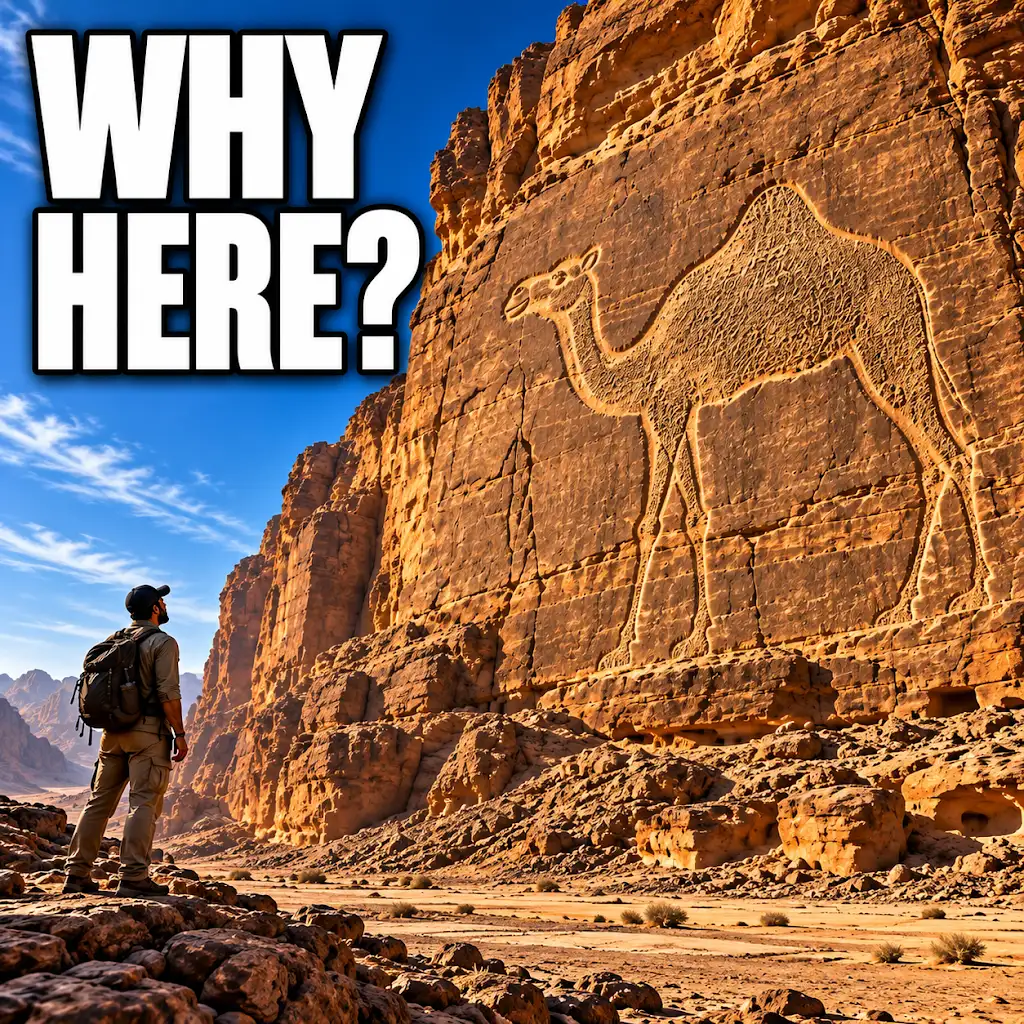
Why Were Giant Camels Carved Above the Desert?
FAQs
What are naturalistic animal carvings?
Naturalistic animal carvings are sculptures or carvings that are created to closely resemble real animals in their natural form and appearance.
What materials are commonly used for naturalistic animal carvings?
Wood, stone, bone, ivory, and antler are some of the common materials used for creating naturalistic animal carvings.
What is the history behind naturalistic animal carvings?
Naturalistic animal carvings have a long history and can be traced back to ancient civilizations where they were used for religious, ceremonial, or decorative purposes.
Are naturalistic animal carvings still popular today?
Yes, naturalistic animal carvings continue to be popular today among artists, collectors, and enthusiasts who appreciate the beauty and craftsmanship of these intricate sculptures.
Where can one find naturalistic animal carvings on display?
Naturalistic animal carvings can be found in museums, art galleries, cultural institutions, and private collections around the world, showcasing the talent and creativity of artists throughout history.