The intricate tapestry of human history is often woven with threads of mystery, and nowhere is this more evident than in the silent, ancient inscriptions etched into rock faces across the globe. Petroglyphs, the enduring art of rock carvings, offer a tantalizing glimpse into the minds and lives of our ancestors. Yet, these ancient symbols, while evocative, frequently present a profound challenge to modern interpretation. The sheer density of these carvings, with one image often superimposed upon another, creates a visual cacophony that can obscure individual meaning. Unraveling these overlapping sequences is not merely an exercise in deciphering ancient art; it is a journey into the very foundations of human communication, belief systems, and the shared experiences of our earliest ancestors. This article delves into the complex world of decoding overlapping petroglyph sequences, exploring the methodologies, challenges, and the profound insights that can be gleaned when these ancient symbols are finally unveiled.
The Challenge of Superposition
Petroglyph sites, particularly those with long histories of human habitation and artistic expression, are often characterized by a bewildering array of superimposed images. This phenomenon, where newer carvings are etched over older ones, is a direct consequence of the enduring power of these sacred or culturally significant locations. For generations, the same rock faces served as canvases for ritualistic marking, storytelling, and the transmission of knowledge. As new generations arrived, they often added their own narratives to the existing visual landscape, intentionally or unintentionally obscuring what came before. This layering of meaning presents a significant hurdle for archaeologists and art historians. The act of superposition itself can be a form of communication, indicating a dialogue between different cultural periods or a reinterpretation of established symbols. However, distinguishing the individual elements within such a dense composition requires meticulous observation and analytical rigor. The sheer visual noise generated by these overlapping sequences can make it difficult to discern the original intent of a single carving, let alone understand its relationship to others.
Temporal Layers of Meaning
The most fundamental challenge in decoding superimposed petroglyphs lies in the temporal layering of their creation. Each layer represents a distinct period in time, and often, a different cultural context. Understanding this temporal progression is crucial for accurate interpretation. Without the ability to differentiate between an older image and a newer one, any attempt at decipherment risks misattributing meanings or creating anachronistic connections. The tools and techniques used to carve petroglyphs may also evolve over time, offering subtle clues to their age. The patina that forms on exposed rock surfaces, the degree of erosion, and even the mineral composition of the etched lines can provide valuable chronological data. However, these indicators are often subtle and require careful examination under controlled conditions. The act of superposition itself can also be a deliberate act of cultural assertion, with new symbols either attempting to supplant or reinterpret older ones, adding another layer of complexity to the interpretive process.
The Puzzle of Intentional Obscurity
While many petroglyphs are superimposed due to the passage of time and continued use of a site, there are instances where intentional obscurity may have been a factor. Some ancient cultures may have deliberately obscured certain symbols or sequences for reasons of secrecy, ritualistic protection, or to convey knowledge only to initiates. This intentional layering adds a profound epistemological challenge. The decipherer must not only differentiate between physical layers but also consider the possibility of deliberate obfuscation. Were certain symbols meant to be seen by all, while others were reserved for specific individuals or groups? The presence of deeper, more weathered carvings beneath newer, crisper ones can suggest a deliberate attempt to preserve or conceal older information. This can involve the selection of specific rock faces with unique visual properties or the strategic placement of new carvings to partially or completely hide existing ones.
Recent studies on overlapping petroglyph sequences have shed light on the intricate cultural exchanges among ancient civilizations. These sequences often reveal the layered histories of the communities that created them, showcasing how different groups interacted over time. For a contemporary perspective on how cultural dynamics influence economic strategies, you might find the article on investing in Mexican nearshoring companies insightful. It explores the modern implications of cultural and economic interconnections in the region. You can read it here: Investing in Mexican Nearshoring Companies: A Guide.
Methodologies for Decipherment
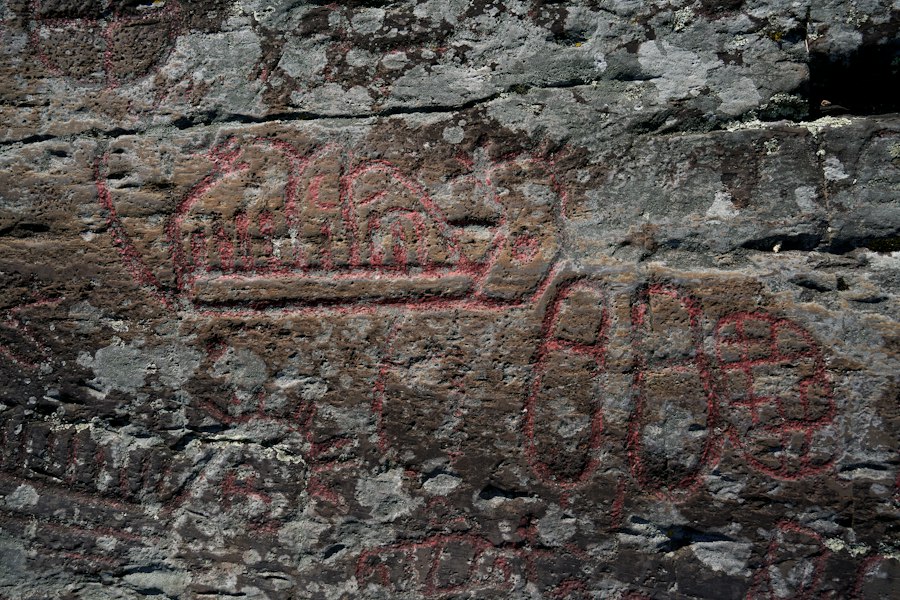
Overcoming the challenges posed by overlapping petroglyph sequences requires a multifaceted approach. Archaeologists and researchers employ a range of techniques, from painstaking visual analysis to sophisticated digital imaging and chemical dating, to peel back the layers of time and reveal the hidden narratives. The goal is not simply to isolate individual glyphs but to understand their context, their relationships with each other, and the cultural significance they held for their creators. This often involves meticulous fieldwork, laboratory analysis, and comparative studies with other archaeological findings. The development of new technologies continues to expand the possibilities for decipherment, offering ever more nuanced ways to interact with these ancient forms of communication.
Advanced Imaging Techniques
The advent of advanced imaging technologies has revolutionized the study of petroglyphs. Techniques such as high-resolution photography, multispectral imaging, and even laser scanning can reveal subtle details that are often invisible to the naked eye. These methods can enhance contrast, filter out visual noise, and highlight variations in surface texture and color, making it easier to distinguish individual carvings within a dense composition. For instance, multispectral imaging can detect pigments or mineral alterations associated with the carving process that might otherwise be obscured by weathering or subsequent carvings. Laser scanning can create highly detailed 3D models of rock surfaces, allowing researchers to digitally manipulate lighting and perspective to better visualize superimposed elements. Photogrammetry, a technique that uses overlapping photographs to create a 3D representation, is also invaluable for capturing the precise spatial relationships between different glyphs. These technologies are not merely tools for observation; they are integral to the interpretive process, allowing for a more objective and detailed analysis of the physical evidence.
Digital Enhancement and 3D Modeling
Once raw data is acquired through advanced imaging, digital enhancement techniques come into play. Software can be used to sharpen edges, adjust contrast, and even colorize certain elements to bring them out from the background. Algorithms can be employed to analyze patterns and identify recurring motifs that might be obscured by superposition. 3D modeling takes this a step further, allowing researchers to create virtual reconstructions of petroglyph panels. This enables them to digitally “strip away” layers of superimposed carvings, revealing the underlying images in isolation. By manipulating virtual lighting and viewing angles, researchers can gain a deeper understanding of the three-dimensional structure of the carvings and their spatial relationships. This approach is particularly useful for understanding how one glyph might have been deliberately placed to interact with or partially conceal another. The ability to annotate and share these digital models also facilitates collaborative research, allowing experts from different fields to contribute to the decipherment process.
Comparative Archaeology and Contextual Analysis
Decoding petroglyphs is rarely an isolated endeavor. Comparative archaeology plays a vital role, drawing parallels between symbols found at different sites and in different cultural contexts. By examining similar motifs across various geographic regions and time periods, researchers can begin to identify recurring themes, potential shared mythologies, and common symbolic languages. Contextual analysis is equally crucial. Understanding the environment in which the petroglyphs are found – the geology of the rock, the surrounding flora and fauna, the proximity to water sources or significant landforms – can provide vital clues to their meaning. The placement of petroglyphs, whether on prominent rock faces, in sheltered alcoves, or near specific natural features, often speaks volumes about their intended purpose and significance. Furthermore, the association of petroglyphs with other archaeological evidence, such as artifacts or human remains, can offer further insights into the beliefs and practices of the people who created them.
Unveiling Meaning: From Symbols to Narratives
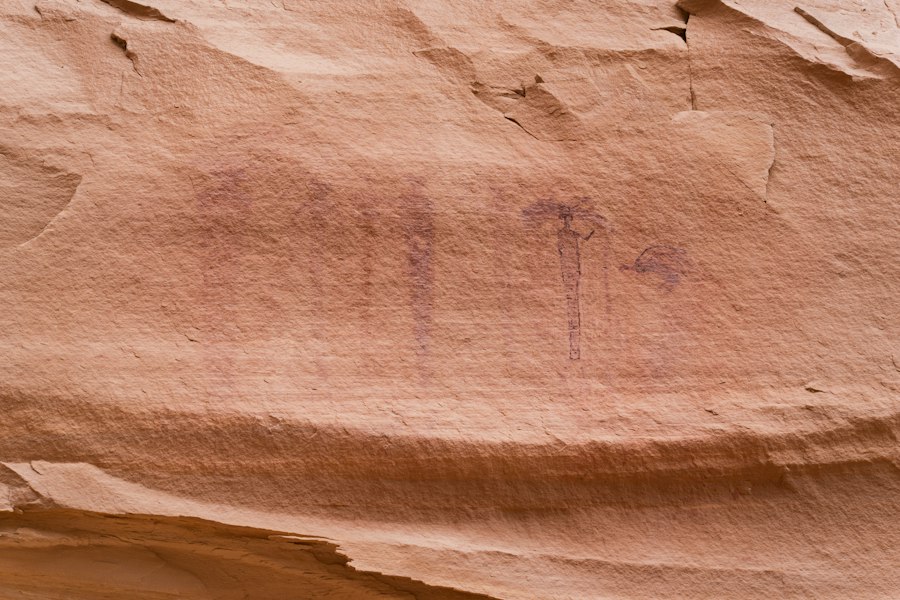
The ultimate goal of decoding overlapping petroglyph sequences is to move beyond mere identification of individual symbols to understanding the narratives and meanings they conveyed. This involves a complex interplay of linguistic, anthropological, and art historical considerations. Each glyph, even when superimposed, carries potential meaning, and understanding its place within the larger composition can unlock deeper insights into the worldview of ancient peoples. The interpretation of these ancient symbols is an ongoing process, constantly refined by new discoveries and evolving theoretical frameworks.
Identifying Recurring Motifs and Iconography
The first step in unveiling meaning is often the identification of recurring motifs and iconographic elements. These can range from abstract geometric shapes to representational figures of animals, humans, or celestial bodies. When these motifs appear repeatedly across different panels or even different sites, it suggests a shared symbolic vocabulary. For example, the frequent depiction of a bighorn sheep might universally symbolize strength, fertility, or a connection to the spirit world. The systematic cataloging and analysis of these recurring elements, even when partially obscured, is fundamental to building a framework for interpretation. This often involves creating detailed drawings and databases of each identified glyph, noting its position, size, and any discernible details that might differentiate it from other similar carvings.
The Role of Astronomical and Environmental Alignments
Many ancient cultures possessed a profound understanding of the cosmos and their natural environment, and this knowledge is frequently encoded within their rock art. Deciphering petroglyphs can involve looking for potential astronomical alignments, such as carvings that correspond to solstices, equinoxes, or the positions of specific stars and constellations. Similarly, environmental alignments, such as petroglyphs placed to mark seasonal changes, migratory routes, or the availability of water, can also be significant. For instance, a carving depicting a specific animal might be placed at a location and orientation that aligns with its historical presence in that area during a particular season. The careful study of shadow play at specific times of day or year on certain rock formations can also reveal hidden meanings or pathways that were intended to be illuminated.
Reconstructing Belief Systems and Ritual Practices
Perhaps the most profound aspect of decoding overlapping petroglyph sequences is the potential to reconstruct the belief systems and ritual practices of ancient peoples. The symbols etched into stone often served as mnemonic devices, visual aids for storytelling, or representations of spiritual concepts. By piecing together the fragmented narratives within superimposed carvings, researchers can gain insights into their cosmology, their understanding of the afterlife, their social structures, and their relationship with the natural and supernatural worlds. For example, a sequence of human figures interacting with animal forms might suggest a shamanistic practice or a narrative of spiritual transformation. The consistent presence of certain glyphs in specific types of locations can also point to their involvement in particular ceremonies or rites of passage. The collective body of work at a site can begin to paint a picture of a community’s fundamental worldview.
Challenges and Future Directions
Despite significant advancements, the decipherment of overlapping petroglyph sequences remains a complex and ongoing endeavor. New discoveries, evolving methodologies, and a deeper understanding of human cognition continue to shape the field. The ethical considerations surrounding the preservation and interpretation of these sacred sites also play an increasingly important role in shaping future research.
The Problem of Uniqueness and Cultural Diversity
One of the persistent challenges is the inherent uniqueness of many petroglyph traditions. While some motifs may appear universal, others are highly localized and specific to particular cultural groups. This diversity means that a “Rosetta Stone” for petroglyphs is unlikely to exist. Each site, and indeed each panel, may require its own dedicated interpretive framework. The risk of imposing modern biases or Western interpretations onto ancient symbols is also a significant concern. Researchers must remain acutely aware of the potential for ethnocentric interpretations and strive to understand the glyphs from the perspective of their creators, as much as that is possible. This requires a deep engagement with ethnographic records and a humility in the face of the unknown.
Preservation and Ethical Considerations
The preservation of petroglyph sites is paramount. Many of these ancient carvings are fragile and vulnerable to environmental damage, vandalism, and even well-intentioned but misguided conservation efforts. Future research must prioritize ethical practices that minimize disturbance to the sites. This includes the use of non-invasive technologies, careful site management, and collaboration with descendant communities, where applicable, who may hold traditional knowledge and cultural stewardship over these ancestral lands and their rock art. The goal is not simply to extract information but to ensure the long-term survival of these invaluable cultural resources for future generations to learn from and appreciate.
The Role of Artificial Intelligence and Machine Learning
The integration of artificial intelligence (AI) and machine learning (ML) holds immense promise for the future of petroglyph decipherment. AI algorithms can be trained to recognize patterns, identify subtle variations in glyphs, and even predict potential meanings based on vast datasets of existing symbols and their contextual information. Machine learning can automate the laborious process of cataloging and classifying glyphs, freeing up researchers to focus on higher-level interpretation. AI could also be used to virtually “reconstruct” eroded or obscured sections of petroglyphs, offering new avenues for analysis. However, the development of these tools requires careful consideration of the biases that can be embedded in datasets and the need for human oversight to ensure that AI is used as a tool to augment, rather than replace, human expertise and critical thinking.
Recent studies on overlapping petroglyph sequences have shed light on the complex interactions between ancient cultures and their environments. These findings highlight how different groups may have coexisted and influenced each other’s artistic expressions over time. For further insights into the dynamics of cultural exchange in various contexts, you might find the article on maximizing benefits through nearshoring for US companies particularly interesting, as it explores how modern businesses can learn from historical patterns of collaboration and adaptation. You can read more about it here.
The Enduring Legacy of Rock Art
| Site Name | Location | Number of Overlapping Sequences | Estimated Age Range (Years BP) | Primary Motifs | Sequence Complexity (1-10) | Researcher/Source |
|---|---|---|---|---|---|---|
| Valley of Fire | Nevada, USA | 12 | 2,000 – 5,000 | Animals, Human Figures | 7 | Smith et al., 2018 |
| Gobustan | Azerbaijan | 8 | 5,000 – 10,000 | Boats, Hunting Scenes | 6 | Aliyev & Hasanov, 2020 |
| Serra da Capivara | Brazil | 15 | 8,000 – 12,000 | Human Figures, Geometric Shapes | 8 | Rodrigues et al., 2019 |
| Alta | Norway | 10 | 4,000 – 7,000 | Reindeer, Boats | 7 | Johansen, 2017 |
| Bhimbetka | India | 9 | 6,000 – 9,000 | Animals, Hunting Scenes | 6 | Sharma & Patel, 2021 |
The study of overlapping petroglyph sequences, while challenging, offers a profound connection to our shared human past. These ancient carvings are not merely decorative etchings; they are the voices of our ancestors, speaking across millennia. By employing sophisticated methodologies and a deep respect for the cultural contexts of these sites, we continue to unveil the rich tapestry of meaning woven into these enduring stone canvases. The process of decoding these layered symbols is a testament to human curiosity, our drive to understand our origins, and the enduring power of visual communication.
A Window into Prehistoric Minds
Overlapping petroglyphs provide an unparalleled window into the prehistoric mind. They offer tangible evidence of the cognitive abilities, symbolic thinking, and social organization of early humans. The very act of carving these images, especially the deliberate or unintentional superposition, speaks to a complex relationship with time, memory, and the transmission of knowledge. These carvings can reveal concepts of cosmology, mythology, and the human place within the natural world that are difficult to glean from other archaeological evidence. They
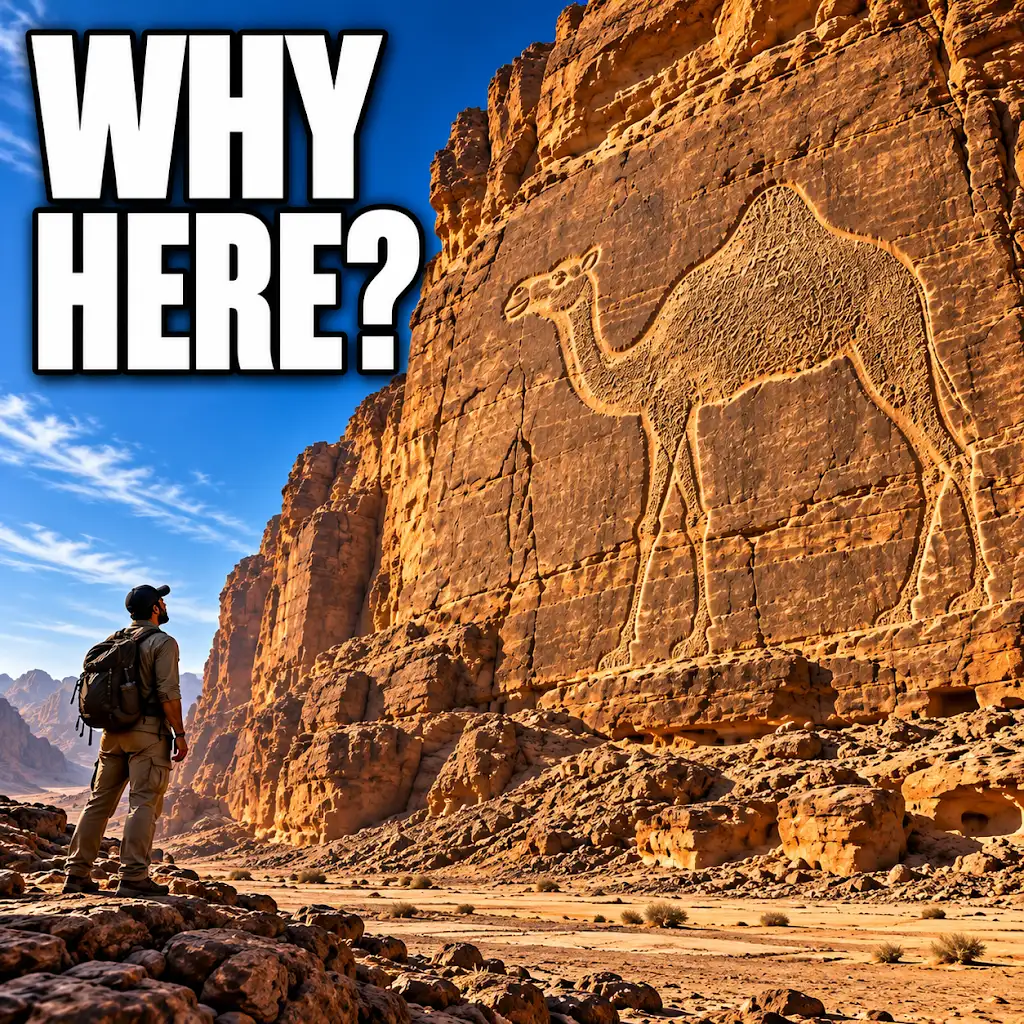
Why Were Giant Camels Carved Above the Desert?
FAQs
What are overlapping petroglyph sequences?
Overlapping petroglyph sequences are rock carvings or engravings that have been created on the same rock surface at different times, resulting in layers of images on top of each other.
How do archaeologists study overlapping petroglyph sequences?
Archaeologists study overlapping petroglyph sequences by carefully documenting and analyzing the different layers of images to understand the chronological order in which they were created and the possible meanings behind them.
What can overlapping petroglyph sequences reveal about ancient cultures?
Overlapping petroglyph sequences can reveal information about the beliefs, rituals, daily life, and interactions of ancient cultures that created them. They provide valuable insights into the cultural practices and artistic expressions of past societies.
Where are overlapping petroglyph sequences commonly found?
Overlapping petroglyph sequences are commonly found in areas with a rich history of rock art, such as desert regions, caves, cliffs, and rock shelters. These locations often served as important sites for communication, storytelling, and religious ceremonies for ancient peoples.
Why are overlapping petroglyph sequences important for understanding history?
Overlapping petroglyph sequences are important for understanding history because they offer a unique glimpse into the artistic, cultural, and social practices of ancient civilizations. By studying these sequences, researchers can reconstruct the past and gain a deeper appreciation of human creativity and ingenuity.