The Enduring Majesty of the Camel: A Journey Through Ancient Carvings
The desert, a realm of stark beauty and formidable challenges, has long been shaped by the resilience and adaptability of its most iconic inhabitant: the camel. For millennia, this remarkable creature has served as a vital lifeline for human civilizations, facilitating trade, travel, and survival across vast arid landscapes. It is no surprise, then, that the camel has also captured the human imagination, inspiring artistic expressions that transcend time and culture. Among the most profound of these are the ancient carved camels, intricate works of art that reveal a surprising depth of anatomical understanding and a profound reverence for these desert steeds. These carvings, unearthed from disparate archaeological sites across the ancient world, offer a unique window into the minds of our ancestors, demonstrating not only their artistic skill but also their keen observational powers and the deep symbiotic relationship they shared with these animals.
From the rocky outcrops of the Arabian Peninsula to the windswept plains of Central Asia, evidence of ancient camel husbandry and artistic representation abounds. These carvings, often fashioned from stone, bone, or even clay, are not mere rudimentary depictions. Instead, they showcase a meticulous attention to detail, a testament to the artists’ intimate knowledge of camel anatomy. The humps, the powerful legs, the distinctive gait, the very musculature that allows them to endure harsh conditions – all are rendered with a fidelity that speaks of countless hours spent observing, understanding, and working alongside these creatures. This article will delve into the fascinating world of ancient carved camels, exploring the artistic techniques employed, the anatomical insights they offer, and the cultural significance they held for the societies that created them. We will journey through different regions and time periods, unearthing the stories etched in stone and bone, and celebrating the enduring legacy of these magnificent beasts as immortalized by ancient artisans.
In exploring the fascinating world of ancient artifacts, one cannot overlook the significance of the intricately carved camels that have been discovered in various archaeological sites. These carvings not only showcase the artistic prowess of ancient civilizations but also provide valuable insights into the anatomical features of camels, such as their distinctive humps and elongated legs, which were essential for survival in arid environments. For a deeper understanding of how ancient cultures interacted with their surroundings and the implications for modern economies, you can read more in this related article: Chinese EVs: Threat to US Market.
Unveiling the Artisans’ Skill: Techniques and Materials
The creation of ancient carved camels was no simple undertaking. It demanded not only artistic vision but also a mastery of specific tools and materials, often dictated by the local environment and the available resources. The resulting artworks, therefore, often bear the imprint of their creation process, offering clues to the ingenuity and resourcefulness of the ancient carvers. The choice of medium profoundly influenced the style and detail achievable, leading to a diverse array of camel carvings, each with its own unique character and aesthetic. Whether carved into enduring stone or more ephemeral materials, the dedication to capturing the essence of the camel is evident across the spectrum of these ancient artworks.
Stone: The Enduring Medium of the Desert
Stone was a favored medium for many ancient carvers, its durability ensuring that their creations would withstand the ravages of time and the harsh desert elements. The choice of stone varied depending on regional availability, with harder stones like granite or basalt often used for monumental pieces, while softer stones like sandstone or soapstone lent themselves to finer details and smaller carvings. The process of carving stone was arduous, requiring specialized tools such as chisels, hammers, and abrasion techniques.
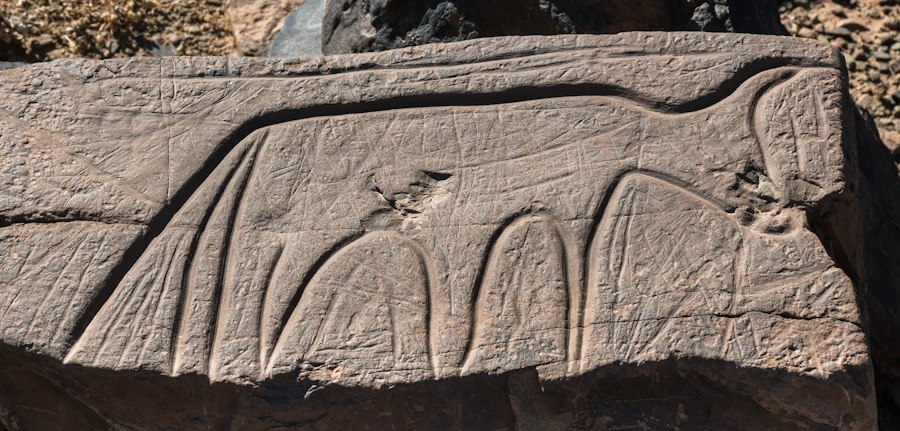
The techniques employed by stone carvers often involved a subtractive method, where material was chipped away to reveal the form of the camel beneath. In some instances, artists might have first outlined the desired shape and then proceeded to meticulously refine the contours and details. The sheer effort involved in working with stone highlights the importance of the camel to these ancient societies, as such dedicated craftsmanship was not undertaken lightly. Examples of stone carvings range from large, relief-like depictions on rock faces, serving as markers or votive offerings, to smaller, portable figurines found in tombs or domestic settings. The scale and context of these stone carvings offer further insights into their intended purpose and the cultural significance attributed to the camel. For instance, massive camel effigies carved into cliff faces might have served navigational aids for caravans or symbolized the dominion of a particular tribe over trade routes. Conversely, smaller stone camels found in burial sites suggest a belief in the camel’s role in the afterlife, perhaps as a companion or a means of transport in the journey beyond.
Bone and Ivory: Intricate Details from Organic Sources
When finer detail and a smoother finish were desired, ancient artisans turned to organic materials such as bone and ivory. These materials, readily available from hunted animals or trade, allowed for a more delicate approach to carving, enabling the depiction of subtle anatomical features that might be lost in coarser stone. The tools used for bone and ivory carving were typically smaller and sharper, including awls, scrapers, and fine chisels, often made of harder stone or metal.
The process of carving bone and ivory involved carefully shaping the material, often using abrasion with sand and water to achieve a polished surface. Artists could etch fine lines to represent fur, create delicate indentations for eyes, and meticulously model the musculature. The resulting carvings often possess a remarkable lifelike quality, imbued with a sense of movement and vitality. The use of bone and ivory is particularly prevalent in smaller, personal items like amulets, ornaments, or decorative elements on tools and weapons. These intricate carvings suggest a more intimate relationship with the camel, perhaps as a symbol of personal strength, endurance, or status. The presence of ivory, a material often acquired through long-distance trade, further indicates the camel’s role in facilitating these interregional connections. The rarity and cost of ivory likely meant that ivory camel carvings were reserved for elite individuals or held significant ritualistic importance, underscoring the elevated status of the camel in certain ancient cultures.
Terracotta and Clay: Versatile Forms for Diverse Purposes
Terracotta, a type of fired clay, offered a highly versatile and accessible medium for ancient camel carvings. Its malleability allowed for a wide range of forms, from simple, hand-molded figurines to more elaborate, wheel-thrown vessels adorned with camel imagery. The process of working with clay involved molding, shaping, and then firing the material to create a durable ceramic object.
The techniques for terracotta camel carvings varied. Some were solid figurines, meticulously sculpted with tools to define features. Others were hollow, allowing for the creation of larger forms or incorporating internal chambers for sound or ritualistic purposes. Many terracotta camels were decorated with incised lines, painted details, or applied ornamentation to enhance their visual appeal and convey additional symbolic meaning. The widespread availability of clay and its relative ease of use made terracotta an ideal medium for mass production and for incorporating camel imagery into everyday objects. Terracotta camels have been found in various contexts, including domestic settings, temple precincts, and burial sites. These finds suggest that clay camels served a multitude of purposes, from children’s toys and decorative items to religious offerings and representations of deities or household spirits associated with the camel. The diversity of terracotta camel forms reflects the adaptability of the medium and the pervasive presence of the camel in ancient life.
Anatomical Accuracy: A Mirror to Observation

The most striking aspect of many ancient carved camels is the surprising level of anatomical detail they exhibit. Far from being generalized representations, these carvings often reveal a keen eye for the specific features that define the camel, demonstrating a deep understanding of its form and function. This anatomical accuracy suggests that the artists were not merely relying on abstract ideas of what a camel should look like, but rather on direct, prolonged observation of the living animal. This close study likely stemmed from the camel’s integral role in daily life, making its physical characteristics intimately familiar to those who depended upon it.
Capturing the Unique Silhouette: Humps and Proportions
One of the most distinctive features of a camel is its hump (or humps). Ancient carvers consistently depicted these prominent features, and the variations in their representation can offer insights into regional differences or even specific breeds. The size, shape, and angle of the hump were often carefully rendered, indicating an awareness of its physiological importance as a fat reserve. Beyond the humps, the overall proportions of the camel – the long neck, the slender but powerful legs, the deep chest – were frequently captured with remarkable fidelity. The artisans understood the functional anatomy that allowed the camel to navigate sandy terrain, carry heavy loads, and endure long periods without water.
The careful attention paid to the camel’s silhouette suggests that the artists understood the animal’s silhouette as a defining characteristic, instantly recognizable and imbued with its inherent qualities of strength and resilience. The way the humps rise from the back, the posture of the head and neck, and the stance of the legs all contribute to the instantly recognizable form of the camel. Some carvings might even depict the subtle curvature of the spine or the muscular definition of the shoulders and haunches, demonstrating a level of observation that goes beyond superficial representation. This attention to proportion was crucial in conveying the animal’s capability and power, making the carvings not just artistic representations but also a testament to the functional understanding of the camel’s physique.
The Subtle Nuances: Eyes, Ears, and Feet
Beyond the most prominent features, ancient carvers often paid meticulous attention to the finer anatomical details of the camel. The eyes, often depicted as almond-shaped or with carefully incised pupils, convey a sense of alertness and awareness. The ears, whether short and pointed or longer and more expressive, were also frequently rendered, contributing to the overall character of the carving. The feet, with their broad, padded soles adapted for sandy environments, were sometimes depicted with a degree of realism, highlighting their crucial role in the camel’s locomotion.
The inclusion of these subtle nuances elevates the carved camels from mere sculptures to sophisticated anatomical studies. It suggests that the artists recognized the importance of these details in conveying the animal’s individual character and its specific adaptations. For instance, the shape and placement of the eyes could contribute to a feeling of placidity or vigilance in the carved creature. The rendering of the ears might hint at the animal’s responsiveness to its surroundings. The depiction of the broad, flat feet, often a more challenging anatomical element to represent effectively, particularly in stone, underscores the carvers’ commitment to capturing the camel’s specialized adaptations for desert life. This detailed observation of nuanced features indicates a profound respect for the camel’s biological engineering and its ability to thrive in an unforgiving environment.
Musculature and Movement: The Living Form in Stone
Some of the most impressive ancient carved camels go beyond static representation to suggest the underlying musculature and even the potential for movement. This is achieved through subtle shaping of the surfaces, creating a sense of tension and vitality. The curve of a leg might suggest the coiled power of an animal ready to spring, or the swelling of a shoulder could indicate the underlying strength of its build. These carvings capture not just the form but also the essence of the camel’s dynamism.
The ability to imbue a static carving with a sense of life and movement is a hallmark of accomplished artistry. Ancient carvers achieved this by understanding how muscles attach to bone and how they contract during different gaits. They might have subtly exaggerated certain muscle groups or used smooth, flowing lines to suggest the ripple of flesh beneath the skin. This anatomical understanding allowed them to create figures that seemed to possess an inner vitality, appearing poised to walk, trot, or even run across the desert landscape. The most sophisticated examples might even hint at the camel’s characteristic rolling gait, capturing the animal’s efficient and distinctive mode of locomotion. Such depictions are not merely decorative; they are informed by a deep, practical understanding of biomechanics, born from intimate familiarity with the living animal.
Cultural Significance: More Than Just an Animal
The prevalence and sophistication of ancient carved camels strongly suggest that these animals held a significance that extended far beyond their practical utility. These carvings offer a tangible link to the cultural, religious, and social beliefs of ancient peoples, revealing the camel’s elevated status in their worldviews. They served as powerful symbols, embodying a range of concepts that were vital to the survival and flourishing of these arid-zone civilizations. The artistic representations acted as a conduit for these beliefs, translating abstract notions into tangible forms that could be venerated, understood, and passed down through generations.
Symbols of Prosperity and Abundance
In societies heavily reliant on the camel for trade, transportation, and sustenance, the animal naturally became associated with prosperity and abundance. Successful caravans meant access to goods, wealth, and the ability to support a larger population. Therefore, carved camels often symbolized good fortune, fertility, and the blessings of a bountiful life. Their presence in art and ritual could have been a way to invoke these positive aspects and ensure continued prosperity.
The camel’s ability to traverse vast distances and connect disparate communities made it a vital component of economic success. Carvings depicting camels laden with goods, or even simply the presence of a camel effigy, could have served as a visual prayer or a declaration of wealth and influence. In agricultural communities, where camels might have been used for plowing or transporting harvests, their association with abundance would have been even more direct. The sheer capacity of the camel to carry heavy loads and endure hardship also linked it to the concept of resilience and provision, ensuring that resources were available even in challenging times. Consequently, representations of camels could have been seen as talismans against scarcity and as a means of securing a stable and prosperous future for the community.
Deities, Spirits, and the Sacred Journey
In many ancient cultures, animals were closely intertwined with religious beliefs, often seen as manifestations of deities or as intermediaries between the human and divine realms. The camel, with its extraordinary resilience and its ability to survive in the seemingly barren desert, was a prime candidate for such veneration. Carved camels may have represented specific deities associated with travel, the desert, or protection, or they could have served as votive offerings to appease these spiritual forces.
The camel’s perceived connection to the harsh and mystical desert environment might have led to its association with gods of the wilderness or even underworld deities, given the desert’s often stark and unforgiving nature. Alternatively, its role as a guide across treacherous landscapes could have led to its association with deities of travelers or protection. Some carvings might have been placed in temples or shrines as offerings to ensure safe passage for caravans or to seek divine favor for the community. The elaborate nature of some carvings suggests that they were not merely decorative but held a deep spiritual significance, possibly used in ceremonies or rituals to invoke the blessings of powerful entities. The idea of the camel as a guide on a sacred journey, whether across the physical desert or into the spiritual afterlife, is a recurring theme that likely imbued these carvings with profound meaning for ancient peoples.
Markers of Identity and Social Status
Beyond religious and economic significance, carved camels also played a role in defining group identity and social status. The ownership or creation of particularly intricate or valuable camel carvings, especially those made from rare materials like ivory, could have indicated wealth, power, and prestige within a community. Furthermore, the distinct styles of camel carvings found in different regions could have served as markers of tribal or cultural affiliation, distinguishing one group from another.
For nomadic or semi-nomadic peoples, the camel was an intrinsic part of their lifestyle and identity. Carved camels could have adorned their dwellings, their tools, or their personal adornments, serving as constant reminders of their connection to these vital animals and their way of life. The presence of a finely carved camel, particularly one of considerable size or made from precious materials, would have communicated a family’s or clan’s prosperity and influence. In more settled societies, the camel’s importance in long-distance trade would have made its depiction a symbol of mercantile success and social standing. The visual language of camel carvings thus became a complex system of communication, conveying not only aesthetic appreciation but also a wealth of social and cultural information to those who understood its nuances.
Recent discoveries of ancient carved camels have shed light on the intricate artistry and anatomical precision of these remarkable sculptures. These carvings not only showcase the skill of their creators but also provide insight into the cultural significance of camels in ancient societies. For a deeper understanding of how such historical artifacts can influence modern economic opportunities, you can explore this related article on Monterrey as a nearshoring investment opportunity here. The connection between ancient craftsmanship and contemporary business strategies highlights the enduring legacy of cultural symbols throughout history.
Regional Variations and Influences: A Global Tapestry
| Artifact Name | Location Found | Estimated Age (Years) | Material | Anatomical Details Highlighted | Dimensions (cm) | Current Location |
|---|---|---|---|---|---|---|
| Al-Ula Camel Carving | Al-Ula, Saudi Arabia | 2500 | Sandstone | Muscle structure, facial features, hump shape | 45 x 30 x 15 | National Museum, Riyadh |
| Petra Camel Relief | Petra, Jordan | 2000 | Limestone | Leg joints, neck anatomy, fur texture | 60 x 40 x 20 | Jordan Archaeological Museum |
| Siwa Oasis Camel Figurine | Siwa Oasis, Egypt | 3000 | Clay | Bone structure, hump detail, facial expression | 25 x 15 x 10 | Egyptian Museum, Cairo |
| Mesopotamian Camel Sculpture | Mesopotamia (modern Iraq) | 3500 | Bronze | Muscle definition, leg anatomy, tail detail | 50 x 35 x 25 | British Museum, London |
The ancient world was a dynamic network of interconnected cultures, and the art of carving camels was no exception. While the animal’s form and function remained constant, the artistic styles, techniques, and interpretations of its significance varied considerably across different regions. These variations reflect not only local artistic traditions and available materials but also the unique ways in which different societies interacted with and perceived the camel. Examining these regional differences allows us to appreciate the global tapestry of camel imagery and the diverse cultural narratives woven around this remarkable creature.
The Arabian Peninsula: Cradle of Camel Culture
The Arabian Peninsula, the ancestral home of the dromedary camel, boasts some of the oldest and most extensive evidence of camel art. Rock art, in particular, features numerous depictions of camels, often rendered with remarkable dynamism and detail. These carvings, found in sites like Saudi Arabia and Oman, likely served various purposes, from recording hunting scenes and daily life to marking territory and facilitating spiritual practices. The prevalence of camel imagery in this region speaks to the animal’s foundational role in Arabian civilization, providing the very means for survival and expansion in a challenging environment.
The rock carvings of the Arabian Peninsula are often characterized by their energetic lines and their focus on capturing the animal’s movement and spirit. We see camels depicted in processions, engaged in combat, or even seemingly in mid-stride. The anatomical detail, while sometimes stylized, consistently emphasizes the distinctive features of the dromedary, such as its single hump and its long, slender legs. The sheer volume of these carvings suggests that the camel was not merely an animal but a constant and integral presence in the visual and cultural landscape of the ancient Arabs. They may have served as mnemonic devices, teaching younger generations about the importance of the camel, or as expressions of reverence for the animal that sustained their way of life.
Central Asia: The Bactrian Camel and Trade Routes
In the vast expanse of Central Asia, the two-humped Bactrian camel reigned supreme, vital for traversing the Silk Road and connecting East and West. Archaeological finds from regions like modern-day Uzbekistan, Kazakhstan, and China reveal a rich tradition of camel carving, often integrated into the art of nomadic cultures and the sophisticated empires that controlled the trade routes. These carvings frequently appear on pottery, metalwork, and tomb artifacts, reflecting the camel’s crucial role in facilitating commerce and cultural exchange.
The depictions of Bactrian camels in Central Asia often emphasize their robust build and their double humps, a clear distinction from their Arabian counterparts. The artistic styles here can be diverse, ranging from the geometric and stylized motifs of nomadic pottery to the more naturalistic and detailed renditions found in the art of settled civilizations. The Bactrian camel’s association with the Silk Road also imbues its carvings with a sense of global connection and the flow of ideas and goods. These carvings might have adorned merchant caravans, acted as symbols of safe passage, or been placed in tombs to accompany travelers on their final journey, reflecting a belief in the camel’s continued utility in the afterlife. The presence of camel imagery on diverse artifacts highlights its pervasive importance in the economic, social, and spiritual lives of Central Asian peoples.
The Ancient Near East: Egypt, Mesopotamia, and Beyond
While the camel was not as central to the daily lives of the ancient Egyptians and Mesopotamians as it was in the desert regions, it still held a significant symbolic and practical importance. Evidence of camel carving exists in these regions, often appearing in more specialized contexts, such as religious iconography, royal art, or as exotic imports. These carvings might reflect the camel’s role in trade, warfare, or its symbolic association with the harsh lands beyond their fertile river valleys.
In Egypt, camels were introduced later and were often associated with foreign lands, particularly Nubia and the desert fringes. While not as ubiquitous as depictions of horses or cattle, camel imagery does appear in some tomb paintings and reliefs, often in scenes of foreign tribute or military campaigns. Mesopotamian cultures also had limited interaction with camels, primarily through trade networks. Carvings of camels from this region are less common but can be found, sometimes integrated into larger narrative scenes or as standalone decorative elements. The presence of camel carvings in these regions, even if less frequent, underscores the camel’s broader significance as an animal of the wider ancient world, a creature that connected disparate cultures and contributed to the complex economic and political landscapes of antiquity.
The Enduring Legacy: Echoes in Modern Art and Culture
The ancient carved camels, remnants of a bygone era, continue to resonate with us today. Their intricate craftsmanship and the evident deep connection they represent between humans and animals offer a timeless testament to the enduring power of art to capture the essence of our world and our relationships within it. The anatomical detail speaks to a shared human drive for understanding and appreciation of the natural world, while their cultural significance reminds us of the profound ways in which animals have shaped our societies and our beliefs. As we uncover and study these ancient creations, we are not just examining historical artifacts; we are engaging with the echoes of our ancestors’ lives, their reverence for nature, and their enduring fascination with the majestic camel.
The legacy of these ancient carvings extends beyond the archaeological record. They serve as inspiration for contemporary artists and designers, who draw upon the rich tradition of animal representation to create new works that honor both the past and the present. The meticulous anatomical studies of antiquity inform our modern understanding of animal form and function, fostering a continued appreciation for the biological marvels around us. Furthermore, the cultural narratives embedded within these carvings – of resilience, of prosperity, of the sacred journey – continue to hold relevance in a world that still grapples with themes of survival, connection, and the search for meaning.
The enduring majesty of the camel, captured in stone, bone, and clay by the hands of ancient artisans, serves as a powerful reminder of the profound and multifaceted relationship between humanity and the animal kingdom. These detailed anatomical artworks are not just relics of the past; they are living testaments to a shared history, a testament to the enduring power of observation, artistry, and the deep, often sacred, bond between people and the creatures that have shaped our world. By studying these ancient carvings, we gain a deeper appreciation for the ingenuity of our ancestors, the vital role of the camel in human history, and the timeless beauty that can be found in the careful study and artistic representation of the natural world. They encourage us to look closer, to observe more keenly, and to appreciate the intricate details that make life, in all its forms, so remarkable.
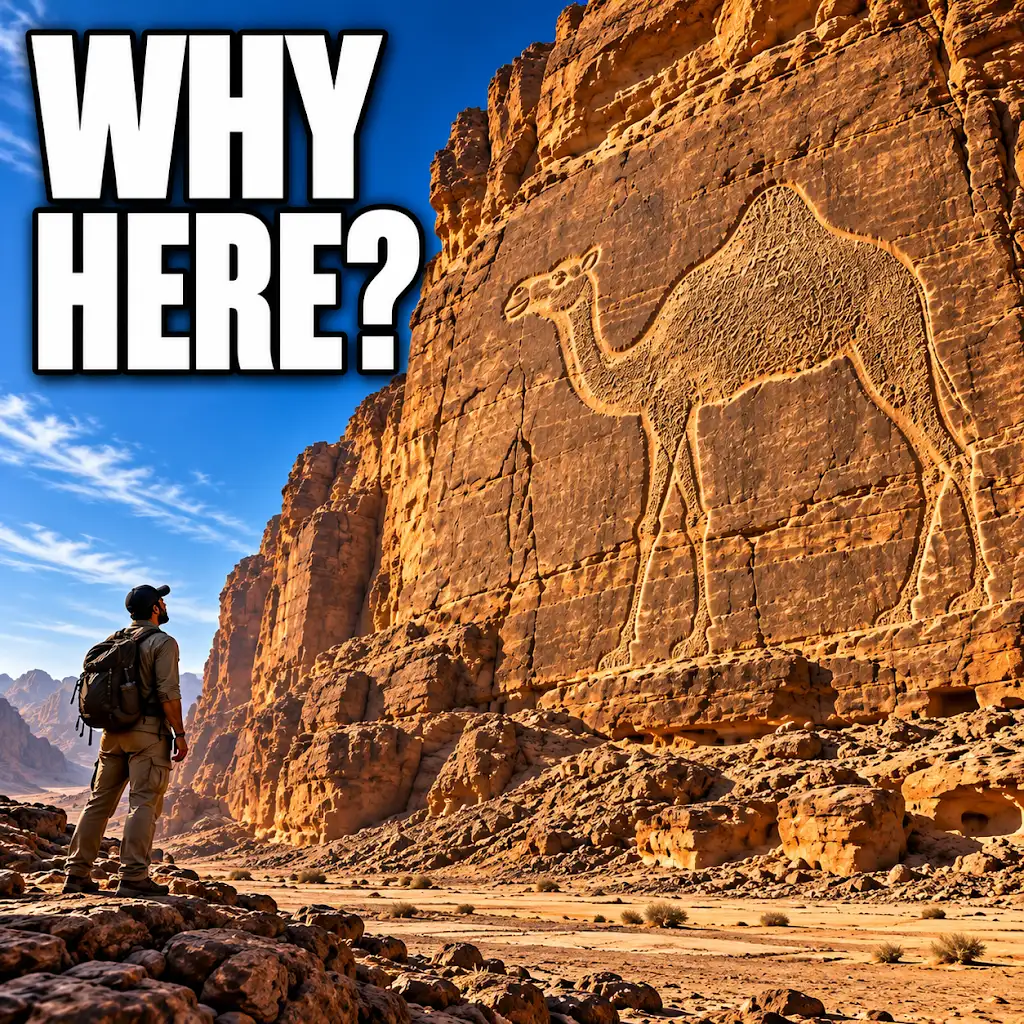
Why Were Giant Camels Carved Above the Desert?
FAQs
What are ancient carved camels with anatomical detail?
Ancient carved camels with anatomical detail are intricate sculptures of camels that were created in ancient times with a high level of anatomical accuracy and detail.
Where have ancient carved camels with anatomical detail been found?
Ancient carved camels with anatomical detail have been found in various archaeological sites in regions where camels were historically prevalent, such as the Middle East and Central Asia.
What is the significance of ancient carved camels with anatomical detail?
Ancient carved camels with anatomical detail provide valuable insights into the artistic skills, cultural beliefs, and importance of camels in ancient societies.
Who created the ancient carved camels with anatomical detail?
Ancient carved camels with anatomical detail were likely created by skilled artisans or craftsmen in ancient civilizations who had a deep understanding of camel anatomy and a talent for intricate carving.
How are ancient carved camels with anatomical detail preserved and displayed today?
Ancient carved camels with anatomical detail are often preserved in museums or private collections, where they are displayed to showcase the craftsmanship and historical significance of these unique artifacts.