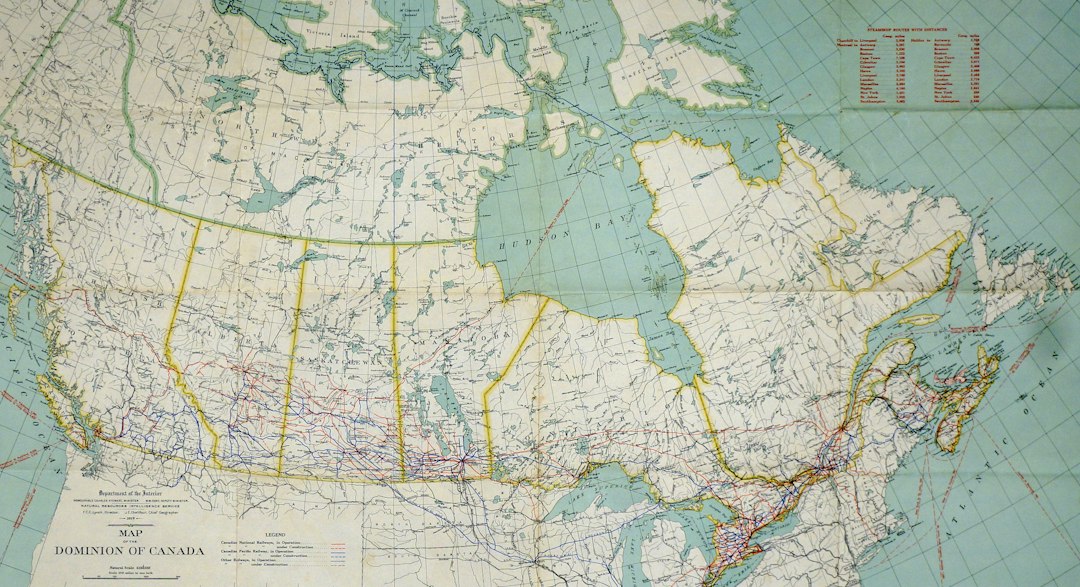
So, you’re curious about your French Canadian roots and how DNA can shed light on that journey? It’s a fascinating question! In a nutshell, tracing French Canadian ancestry through DNA primarily involves identifying markers that point to the original French settlers of New France, their subsequent blending with other European populations, and their movements within North America. This isn’t just about finding a French match; it’s about understanding the unique genetic tapestry woven by centuries of history.
The Foundation: Settlers of New France
The story of French Canadian ancestry begins with the establishment of permanent settlements in North America by the French in the early 17th century. These early settlers, often from specific regions of France, formed the bedrock of the French Canadian population. Understanding where they came from is the first step in interpreting your DNA results.
The Origins of the “Filles du Roi”
A crucial aspect of early French Canadian population growth was the “Filles du Roi” (King’s Daughters) program. These were young women sent from France, often from poorer backgrounds, to marry the male colonists and help establish families. Their origins are quite varied, but many came from provinces like Normandy, Poitou, and Aunis. Your DNA might carry echoes of these particular regions if your ancestors were among them.
The Role of Military Settlers
Alongside the Filles du Roi, many soldiers who served in New France chose to stay and settle after their enlistment was up. These men, too, came from various parts of France, and their presence contributed to the genetic makeup of the emerging population. Tracing their origins can sometimes be done through military records, which can then inform your understanding of DNA connections.
The Impact of Regional Fringes in France
It’s important to remember that France itself was a mosaic of regions with distinct dialects and customs. Early settlers often came from specific areas, and this provincial origin is reflected in their descendants’ genetics. For instance, many early settlers hailed from the northwest of France. Identifying these regional origins in your DNA can be a powerful indicator of your French Canadian heritage.
Exploring French Canadian ancestry can reveal fascinating migration paths that trace back to the early settlers of Canada. Understanding these routes not only sheds light on familial connections but also highlights the cultural influences that shaped the region. For those interested in the intersection of history and technology, a related article titled “Unlocking Ancient Technology in Times of Scarcity” offers insights into how past innovations have influenced modern practices, which can be particularly relevant when considering the resourcefulness of early French Canadian settlers. You can read the article [here](https://www.realloreandorder.com/unlocking-ancient-technology-in-times-of-scarcity/).
Early Migration Within North America
Once established in New France, the French Canadian population didn’t stay put. They moved, expanded, and interacted with other groups, creating distinct migration patterns that are visible in DNA.
Expansion Along the St. Lawrence River
The primary axis of early French Canadian settlement was the St. Lawrence River valley. Towns and villages sprung up along its banks, from Quebec City to Montreal and beyond. This geographical concentration meant that intermarriage within these communities was common, creating a relatively homogenous genetic pool in these core areas.
The Acadian Diaspora
The Acadians, descendants of French settlers in what is now Nova Scotia and New Brunswick, have a particularly dramatic migration story. Expelled by the British in the mid-18th century, they scattered across North America and even to France. Many eventually returned to the Maritimes, while others settled in Louisiana, forming the basis of the Cajun culture. If you have Acadian ancestry, your DNA might show connections not only to France but also to specific patterns of movement within North America.
Exploration and Fur Trade Routes
The French were also key players in the exploration and fur trade of North America. Voyageurs and coureurs des bois traveled vast distances, from the Great Lakes to the Rocky Mountains and down the Mississippi River. While not always forming permanent settlements, these journeys led to interactions with Indigenous populations and other European traders, leaving a genetic imprint.
Indigenous Contributions to the French Canadian Gene Pool
A significant and often overlooked aspect of French Canadian ancestry is the integration of Indigenous peoples. From the very beginnings of New France, relationships, both formal and informal, existed between French settlers and First Nations communities.
The “Métis” Connection
The term “Métis” often refers to people of mixed First Nations and European ancestry, particularly those with French Canadian heritage. These communities developed unique cultures and traditions. If your DNA reveals Indigenous heritage, it’s highly likely that your ancestors were among the Indigenous women who intermarried with or formed relationships with French settlers. This is a vital part of the French Canadian story.
Specific First Nations Groups Involved
Understanding which First Nations groups contributed to the French Canadian gene pool can be incredibly illuminating. Common connections are found with Indigenous peoples of the St. Lawrence Valley, such as the Huron-Wendat, Algonquin, and Iroquois nations. DNA testing can sometimes point to these specific ancestral groups.
Genetic Markers of Indigenous Ancestry
When you take a DNA test, Indigenous ancestry often shows up as distinct ethnic or continental groupings. It’s important to remember that Indigenous peoples are not a monolith; they are comprised of numerous distinct groups with unique genetic profiles. Companies often group these under broader categories, but further research can sometimes help pinpoint specific ancestral affiliations.
Later European Migrations and Diversification
While the initial French settlers laid the groundwork, the genetic landscape of French Canada continued to evolve with subsequent waves of migration from various European countries, especially during the 19th and early 20th centuries.
The Irish Influence
A notable influx of Irish immigrants occurred in the 19th century, often seeking refuge from famine and hardship. Many settled in Quebec and Ontario, and intermarriage with the existing French Canadian population was common. If your DNA shows strong Irish or British Isles markers alongside French Canadian ones, this is a likely explanation.
Other European Groups
Beyond the Irish, other European groups also contributed to the diversification of the population. Italians, Poles, and various Eastern European groups, among others, migrated to Canada, and some integrated into French Canadian communities, particularly in urban centers. Your DNA might reflect these more recent, but still important, ancestral connections.
The Impact of Industrialization and Urbanization
As industrialization progressed, people moved from rural areas to burgeoning cities like Montreal and Quebec City. This urbanization often led to increased interaction between people of different backgrounds, further diversifying the genetic makeup of the population in these areas.
Exploring the intricate migration paths of French Canadian ancestry can reveal fascinating insights into the historical movements of populations. For those interested in understanding how these migrations shaped cultural identities, a related article discusses the intriguing theories surrounding ancient maps and civilizations. You can read more about this captivating topic by visiting this article, which delves into the connections between historical navigation and the development of various communities.
Interpreting Your DNA Results: Practical Steps
| Migration Path | Time Period | Origin | Destination | Estimated Population Movement | Genetic Markers Identified |
|---|---|---|---|---|---|
| France to Quebec | 1608-1759 | Normandy, Brittany, Île-de-France | New France (Quebec) | ~10,000 settlers | Y-DNA haplogroups R1b, mtDNA haplogroups H, U |
| Quebec to New England | 1840-1930 | Quebec | Massachusetts, Vermont, Maine | ~900,000 migrants | Increased frequency of R1b and H haplogroups |
| Quebec to Ontario | 1800-1900 | Quebec | Ontario | ~200,000 migrants | Shared genetic markers with Quebec populations |
| Quebec to Western Canada | 1900-1950 | Quebec | Manitoba, Saskatchewan, Alberta | ~100,000 migrants | Preservation of French Canadian genetic signatures |
| Quebec to Louisiana (Cajun migration) | 1755-1785 | Acadia (Maritime Canada) | Louisiana | ~14,000 deported Acadians | Distinct mtDNA and Y-DNA haplogroups linked to French ancestry |
Now that you have a sense of the historical migration paths, how do you actually use your DNA results to trace your French Canadian ancestry? It’s a process of connecting historical knowledge with genetic clues.
Understanding Your Ethnicity Estimates
Most DNA testing companies provide an “ethnicity estimate.” For French Canadian ancestry, you’ll want to look for strong percentages in categories like “France,” “Belgium,” “French Canadian,” “Acadian,” or broad “European” categories that align with French historical settlement areas. Be aware that these estimates are just that – estimates – and can vary between testing companies due to different algorithms and reference populations.
Connecting with Other Ancestry DNA Users
One of the most powerful aspects of DNA testing is the ability to connect with other users who share your DNA. Look for matches who have extensive French Canadian family trees. By comparing your shared matches and their trees, you can often identify common ancestors and confirm your suspected ancestral lines.
The Importance of Genealogical Research
DNA is a fantastic tool, but it’s most powerful when combined with traditional genealogical research. Use your DNA results to guide your research. If your DNA suggests Acadian ancestry, focus your research on Acadian vital records and historical documents. If it points to a specific French province, dive into the archives for that region.
Refining Regional Origins with DNA
Advanced DNA analysis, often available through specialized services or by downloading your raw data and uploading it to other platforms, can sometimes offer more granular regional breakdowns within France or other European countries. This can be invaluable for pinpointing the specific villages or areas your ancestors came from.
Recognizing the Nuances of “French Canadian” DNA
It’s crucial to understand that “French Canadian” DNA isn’t a single, monolithic genetic signature. It’s a blend. It reflects the original settlers from France, but also the Indigenous peoples they encountered, and later European immigrants. Your results will likely be a fascinating mix, telling a story of centuries of movement, interaction, and family building. Don’t be surprised to find connections beyond just France; these are often integral parts of your French Canadian heritage.
Cajun or French Canadian? The DNA Looked the Same—Until Researchers Looked Closer
FAQs
What are some common migration paths of French Canadian ancestry DNA?
Common migration paths of French Canadian ancestry DNA include movements from France to Quebec, as well as migrations within Canada to areas such as Ontario, Manitoba, and the Maritimes.
How can DNA testing help trace French Canadian ancestry migration paths?
DNA testing can help trace French Canadian ancestry migration paths by providing information on genetic matches with individuals from specific regions, as well as by identifying genetic markers associated with certain migration patterns.
Are there specific genetic markers associated with French Canadian ancestry migration?
Yes, there are specific genetic markers associated with French Canadian ancestry migration, such as markers linked to French regions like Normandy, Brittany, and the Loire Valley.
What role did historical events play in shaping French Canadian ancestry migration paths?
Historical events such as the French colonization of Canada, the British conquest of Quebec, and economic opportunities in different regions influenced French Canadian ancestry migration paths over the centuries.
How can understanding migration paths of French Canadian ancestry DNA benefit genealogical research?
Understanding migration paths of French Canadian ancestry DNA can benefit genealogical research by providing insights into family origins, connections to specific regions, and potential avenues for further research into ancestral lines.