So, you’re curious about Cajun DNA family history research? It’s a fascinating way to connect with your Louisiana roots, and the short answer is: yes, it’s incredibly useful, but with some specific nuances for the Cajun population. Think of it as a powerful tool that, when combined with traditional research, can unlock a whole new level of understanding about where you come from. It’s not just about finding distant relatives; it’s about seeing genetic echoes of migration, cultural mixing, and the very journeys your ancestors took.
Unpacking the Cajun Genetic Landscape
When we talk about Cajun DNA, we’re talking about a unique genetic tapestry woven from centuries of history. The “Acadians” were French colonists who settled in what is now Nova Scotia, Canada, in the 17th and 18th centuries. Following their expulsion by the British in the mid-1700s, many found their way to Louisiana, bringing their distinct culture and, of course, their genes. This history means that Cajun DNA has strong French Y-chromosome and mtDNA haplogroups, but it’s also been influenced by other populations over time.
The French Core: Ancestral Ties to France and Quebec
At the heart of Cajun genetics lies a significant French contribution. This comes directly from the original Acadian settlers who emigrated from various regions of France. Therefore, a substantial portion of Cajun DNA will show strong matches to French and Quebecois populations in genetic databases. This is often one of the first and most recognizable patterns people discover. These French connections aren’t just a broad brushstroke; they can sometimes even point to specific regions within France from which your ancestors originally hailed, especially when compared with historical records of Acadian settlements.
Beyond French: Indigenous and Spanish Influences
But Cajun heritage is richer and more complex than just French. Over the centuries, particularly after settling in Louisiana, there was interaction with indigenous peoples of North America. This indigenous ancestry is often reflected in the autosomal DNA results. Similarly, Louisiana’s history also includes periods of Spanish rule, and this can manifest in genetic markers, especially in certain families. Recognizing these influences is key to understanding the full picture of Cajun ancestry. It’s a reminder that migration and settlement are rarely isolated events; they involve encounters and blending with existing populations.
Iberian Threads: Tracing Spanish and Portuguese Connections
The Spanish influence is particularly interesting for many Cajun researchers. Louisiana was under Spanish control for a significant period, and this led to intermarriage and cultural exchange. Consequently, you might find unexpected Iberian (Spanish and Portuguese) genetic markers in your DNA. These can be a bit of a surprise for those who primarily identify with the French Acadian narrative, but they are a genuine part of the historical landscape of Louisiana and the formation of Cajun identity. These connections can be traced through specific haplogroups and autosomal percentages, offering a tangible link to this chapter of history.
For those interested in Cajun DNA family history research, exploring the connections between ancestry and historical events can provide valuable insights. A related article that delves into the impact of ancient famines on populations and their genetic legacy is available at Uncovering Ancient Famine: Archaeological Insights. This piece highlights how understanding past hardships can enhance our comprehension of current genetic traits within families, including those of Cajun descent.
Navigating DNA Testing for Cajun Ancestry
Choosing the right DNA test is crucial for uncovering your Cajun roots. Not all tests are created equal, and some are more suited to identifying specific ancestral populations than others. For Cajun research, you’ll likely want a test that offers a broad ethnic breakdown and allows you to connect with a large database of users.
Autosomal DNA: The Broad Picture of Relatives and Ancestry
Autosomal DNA tests are the most common and provide a good overview of your genetic makeup. They look at DNA from all your ancestors, stretching back about five to seven generations. For Cajun research, these tests are excellent for identifying distant relatives who share common ancestors and for giving you a percentage breakdown of your ethnic origins. You’ll see your French, Spanish, and potentially indigenous percentages. This is where the majority of your close and distant cousins will likely appear.
Y-DNA and mtDNA: Tracking Direct Paternal and Maternal Lines
Y-DNA tests trace your direct paternal line (father, father’s father, etc.), while mtDNA tests trace your direct maternal line (mother, mother’s mother, etc.). These are powerful for tracing very ancient ancestral migrations and can be particularly useful if you have a strong interest in a specific surname or a confirmed maternal lineage. However, for the broader Cajun experience, which involves mixing from multiple lines, autosomal DNA often provides more immediate and comprehensive results in terms of identifying your diverse ancestral contributions. Y-DNA and mtDNA can sometimes confirm French or other origins on those specific lines.
Choosing the Right Testing Company: What to Consider
When selecting a DNA testing company, think about the size of their database, the ethnicity estimates they provide, and their tools for connecting with matches. Companies like AncestryDNA, 23andMe, and MyHeritage are popular choices for their large user bases, which increases the chances of finding relatives and refining your ethnicity reports. Many of these companies also allow you to upload your raw DNA data to other sites for broader comparison. For Cajun research specifically, a company with a strong European and North American database will be most beneficial.
The Power of DNA with Traditional Genealogy
DNA testing is a fantastic tool, but it’s not a magic bullet. The real power for tracing Cajun roots comes when you combine your DNA results with solid genealogical research. Think of DNA as a guide, pointing you in the right direction, while traditional research provides the detailed map and the stories.
Bridging the Gap: Connecting DNA Matches to Family Trees
Your DNA results will likely show matches to people you don’t know. The next step is to investigate these matches. Do they have public family trees? Can you find common surnames or locations that align with your own research? This is where you start to connect the genetic dots to flesh out your family tree. Look for shared ancestral lines, especially those that might explain the less common ethnic percentages in your DNA.
Uncovering Records: Birth, Marriage, and Death Certificates
Once you have potential ancestral lines identified through DNA, the next step is to find the paper trail. Birth, marriage, and death certificates are invaluable. These documents often list parents’ names, birthplaces, and sometimes even occupations, providing concrete evidence of your ancestral connections and helping you confirm the relationships suggested by your DNA matches. For Cajun families, these records can be particularly rich in historical context.
Parish Records and Church Documents: A Deeper Dive
Many Cajun ancestors were deeply connected to their local parishes and churches. Therefore, exploring parish registers, church archives, and historical land records can be incredibly rewarding. These documents can provide details about family events, property ownership, and community life that go beyond official vital records and offer a more intimate glimpse into your ancestors’ lives. Sometimes, these records can even shed light on why certain ethnic markers appear in your DNA.
Interpreting Your Cajun Ancestry Report
Your DNA ethnicity report can be a bit overwhelming at first. It’s a complex algorithm trying to interpret your genetic heritage. For Cajun ancestry, it’s important to understand what the percentages actually mean and how to interpret them in a historical context.
Understanding Ethnicity Percentages: A Range, Not a Definitive Number
It’s vital to remember that ethnicity percentages are estimates. They are based on comparison to reference populations, and these reference populations are not perfect. A percentage of “French” doesn’t mean all your ancestors came from modern-day France; it means your DNA is statistically similar to people in their reference group who have a documented history in France. These percentages can also shift slightly between testing companies and even over time as databases are updated.
Recognizing Regional Variations: Louisiana’s Unique Blend
Cajun ethnicity reports will often show a strong French component, but it’s the nuances that are most revealing. You might see regional French breakdowns, or combinations with Iberian, Indigenous American, or even other European groups. This reflects the historical reality of migration, settlement, and intermingling. Don’t be surprised to see surprising combinations; they are often the most historically accurate reflections of your ancestors’ journeys and the unique cultural melting pot of Louisiana.
The Value of “Broadly Northwestern European” and Similar Categories
Sometimes, your report might include categories like “Broadly Northwestern European” or “Indigenous American” without a more specific breakdown. While less precise, these broad categories can still be informative. They suggest ancestry from a larger region and, when combined with other genetic clues and genealogical research, can help you narrow down possibilities. For instance, “Broadly Northwestern European” could point to French, but also to other related groups in the region, prompting further investigation.
Cajun DNA family history research offers fascinating insights into the unique heritage of the Cajun people, revealing connections to various ancestral roots. For those interested in exploring the broader implications of genetic ancestry and its impact on cultural identity, a related article discusses the challenges faced by communities worldwide in preserving their heritage amidst globalization. You can read more about this topic in the article titled “Fragile States: The Global Challenge” found at this link.
Beyond the Numbers: Building a Narrative of Your Roots
| Metric | Description | Value/Example |
|---|---|---|
| Common Haplogroups | Y-DNA and mtDNA haplogroups frequently found in Cajun descendants | R1b (Y-DNA), H (mtDNA) |
| Primary Ancestral Origins | Regions where Cajun ancestors predominantly originated | France (Brittany, Normandy), Acadia (Canada) |
| Average Genetic Admixture | Percentage of genetic contributions from various populations | French 70%, Native American 15%, African 10%, Other 5% |
| Number of Documented Family Lines | Count of distinct Cajun family lines traced through DNA and records | Over 200 documented lines |
| Most Common Surnames | Frequent family names identified in Cajun DNA research | Boudreaux, Thibodeaux, Landry, LeBlanc |
| Estimated Time to Most Recent Common Ancestor (TMRCA) | Average number of generations back to shared ancestors in Cajun families | 10-15 generations (approx. 300-450 years) |
| Sample Size | Number of individuals tested in Cajun DNA studies | Approximately 1,000 participants |
Your DNA results are more than just a collection of percentages and distant relatives. They are a starting point for building a rich, personal narrative of your Cajun heritage. It’s about understanding the stories behind the genetic markers.
The Stories of Migration and Resilience: Acadian Journeys
The story of the Acadians is one of incredible resilience. They were expelled from their homeland, endured hardship, and then rebuilt their lives in a new, unfamiliar territory. Your DNA can be a tangible link to this epic journey. Understanding the historical context of the Acadian expulsion and their subsequent settlement in Louisiana adds depth and meaning to your genetic findings. It’s about appreciating the courage and determination of those who came before.
Intertwined Histories: Connecting with Other Louisiana Cultures
Cajun culture, while distinct, is also deeply intertwined with other Louisiana cultures, including Creole, African American, and Native American communities. Your DNA might reveal connections to these groups, reflecting a shared history of settlement and cultural exchange. Embracing these connections enriches your understanding of your own heritage and the broader tapestry of Louisiana. It’s a chance to discover new branches of your family tree and learn about different cultural traditions.
Preserving and Sharing Your Family History
Once you’ve uncovered your Cajun roots through DNA and genealogical research, the most important step is to preserve and share that knowledge. Create a family tree, write down the stories, and share your findings with younger generations. Your research is a gift to your family, connecting them to their past and helping them understand who they are. It’s a legacy that can be passed down, ensuring that the stories of your ancestors are never forgotten. This process itself becomes a family activity, fostering bonds and shared memories.
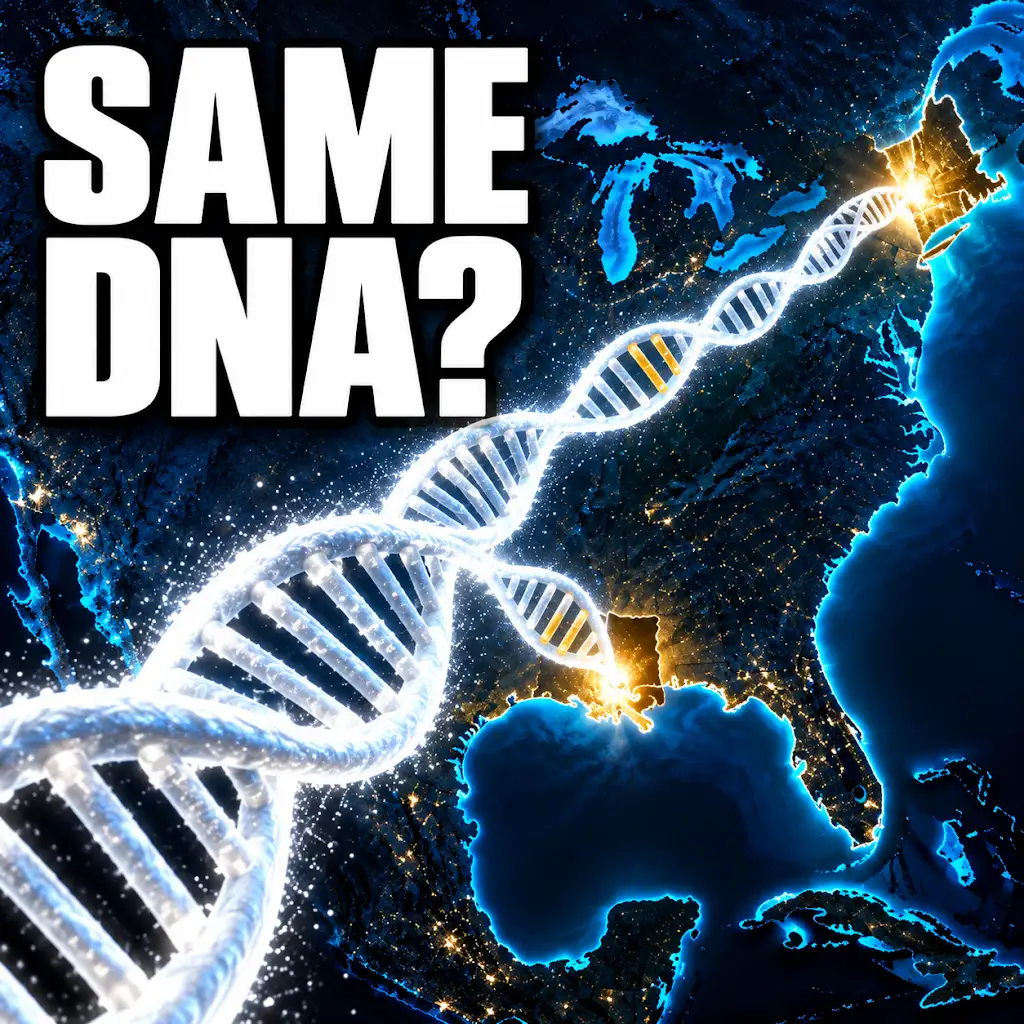
Cajun or French Canadian? The DNA Looked the Same—Until Researchers Looked Closer
FAQs
What is Cajun DNA family history research?
Cajun DNA family history research is the study of genetic information to trace the ancestry and genealogy of Cajun families in Louisiana.
How can Cajun DNA family history research help individuals learn about their heritage?
Cajun DNA family history research can provide individuals with insights into their ancestral origins, migration patterns, and connections to other Cajun families.
What are some common DNA testing methods used in Cajun DNA family history research?
Common DNA testing methods used in Cajun DNA family history research include autosomal DNA testing, Y-DNA testing, and mitochondrial DNA testing.
Are there specific genetic markers or haplogroups associated with Cajun ancestry?
While there are no specific genetic markers exclusive to Cajun ancestry, certain haplogroups or genetic signatures may be more common among individuals with Cajun heritage.
How can individuals get started with Cajun DNA family history research?
Individuals interested in Cajun DNA family history research can begin by taking a DNA test with a reputable genetic testing company and then exploring genealogy databases and resources to trace their Cajun roots.