
French Canadian DNA test results can reveal a lot about your heritage, primarily by identifying genetic markers common to populations that settled in New France and their descendants. You’ll likely see broad European percentages, but the key is understanding which specific European groups are associated with your French Canadian lineage, alongside potentially surprising Indigenous or other ancestral connections.
Tracing the Roots: What Your DNA Says About New France
When you dive into your French Canadian DNA test results, it’s like opening a genealogical treasure chest. The primary goal is to pinpoint those genetic threads that weave back to the original settlers of New France (which encompassed parts of modern-day Quebec, Acadia, and the Great Lakes region) and their descendants who have maintained a distinct cultural and genetic identity. These tests don’t just say “European”; they aim for more granular detail, breaking down those percentages into specific regional ancestries.
The Big Picture: Broad European Percentages
Most French Canadians will, unsurprisingly, show a significant percentage of DNA attributed to Europe. This is the foundational layer of your results, acknowledging the vast majority of your ancestors originated from the European continent. However, the real story unfolds when you look beyond this broad category. These percentages are derived from comparing your DNA to reference populations in databases, which are built from thousands of individuals with documented ancestral ties to particular regions.
The Nuance of French and Other European Ties
Within that broad European classification, the most significant finding for many will be French ancestry. This isn’t just a general “French” label; it often refers to populations from specific regions in France that were the primary source of emigration to New France. Think of areas like Normandy, Brittany, Poitou, and Saintonge. Your results might even point to these specific regions if the DNA testing company has sophisticated enough reference panels.
Beyond French ancestry, you might also see percentages attributed to other European groups. This can include:
- British Isles: Due to historical proximity and intermingling, some British ancestry (English, Scottish, Welsh) is quite common, especially in areas of Quebec and Acadia that saw later waves of British influence or migration.
- Germanic Europe: Ancestry from regions that are now Germany, Belgium, or the Netherlands can also appear. This is often linked to early European settlers or trade routes that connected these areas with France.
- Other Western European groups: Depending on the specific company and its reference populations, you might see smaller percentages from countries like Switzerland or even Italy, reflecting historical movement and settlement patterns.
It’s important to remember that these are probabilities based on genetic similarities. A 10% “Germanic” result means your DNA shares enough markers with reference individuals from that region to suggest an ancestral connection.
Understanding French Canadian DNA test results can be a complex process, as it often involves interpreting a rich tapestry of ancestral backgrounds and historical migrations. For those interested in exploring the broader implications of genetic ancestry and its historical context, a related article discusses the fascinating discoveries surrounding ancient city fortifications and their significance in understanding past civilizations. You can read more about these intriguing findings in the article titled “Uncovering Ancient City Fortification Secrets” at this link.
Unpacking the Indigenous American Connection
One of the most fascinating and often unexpected discoveries in French Canadian DNA results is the presence of Indigenous American ancestry. This connection is deeply embedded in the history of New France and is not a fringe element but a significant part of the shared heritage.
The Role of Indigenous Peoples in New France
From the very beginnings of French colonization, interactions with the Indigenous peoples of North America were constant and multifaceted. There were trade relationships, alliances, and, significantly, intermarriages. Indigenous women, in particular, played vital roles in the survival and expansion of the early settlements. Many French settlers married or formed relationships with women from First Nations communities, such as the Algonquin, Huron-Wendat, Mohawk, and others.
How Indigenous DNA Appears in Your Results
When your DNA test reveals Indigenous American ancestry, it’s a direct reflection of these historical unions. The genetic markers passed down from these Indigenous ancestors will be identified by the DNA testing company’s algorithms.
- Specific Indigenous Groups: Advanced DNA tests may be able to identify specific Indigenous groups. This can be incredibly detailed, sometimes pointing to specific tribal affiliations based on the genetic signatures. However, it’s also important to be aware that historical population movements and the complex nature of Indigenous genetics can sometimes make precise attribution challenging. The reference populations used by testing companies are crucial here; the more comprehensive and accurate they are, the more refined your Indigenous ancestry results will be.
- Percentage Variation: The percentage of Indigenous American DNA can vary widely from person to person. This is natural, as it depends on how far back in your recent ancestry (typically within the last few hundred years) your Indigenous ancestor(s) appeared and how many descendants carried that lineage forward. Even a small percentage can be significant, representing a rich ancestral story.
- Important Considerations: It’s crucial to approach Indigenous DNA results with respect and an understanding of the historical context. These results can be a powerful tool for reconnection and understanding, but they also highlight the complex and often difficult history of colonization. If you discover Indigenous ancestry, consider researching the specific Nations whose territories your French Canadian ancestors settled in, as this can provide further context.
The “Acadian” Distinction: A Unique Branch
For many, French Canadian DNA results will also highlight a distinct ancestral group: Acadians. While often grouped under the broader “French Canadian” umbrella, Acadian heritage represents a specific and compelling chapter in North American history, with its own unique genetic signature.
Understanding French Canadian DNA test results can be a complex process, as the unique historical and cultural context of the region plays a significant role in interpreting genetic data. For those interested in delving deeper into the nuances of ancestry testing, a related article explores the intricacies of genetic heritage and how various factors influence test outcomes. You can read more about it in this insightful piece on genetic interpretation. This resource provides valuable information that can enhance your understanding of how to make sense of your DNA results in the context of French Canadian ancestry.
The Story of Acadia
The Acadians were descendants of French settlers who established communities in the maritime regions of Canada (present-day Nova Scotia, New Brunswick, and parts of Prince Edward Island) starting in the early 17th century. Unlike the settlers of New France who focused on the St. Lawrence River valley and inland expansion, the Acadians developed a distinct culture and way of life in their coastal environment.
The Great Expulsion and Its Genetic Echoes
The most significant event in Acadian history, and one that profoundly impacted their genetic makeup, was the “Grand Dérangement” or the Great Expulsion, which began in 1755. British forces forcibly deported thousands of Acadians from their homeland, scattering them to various parts of North America, Europe, and even
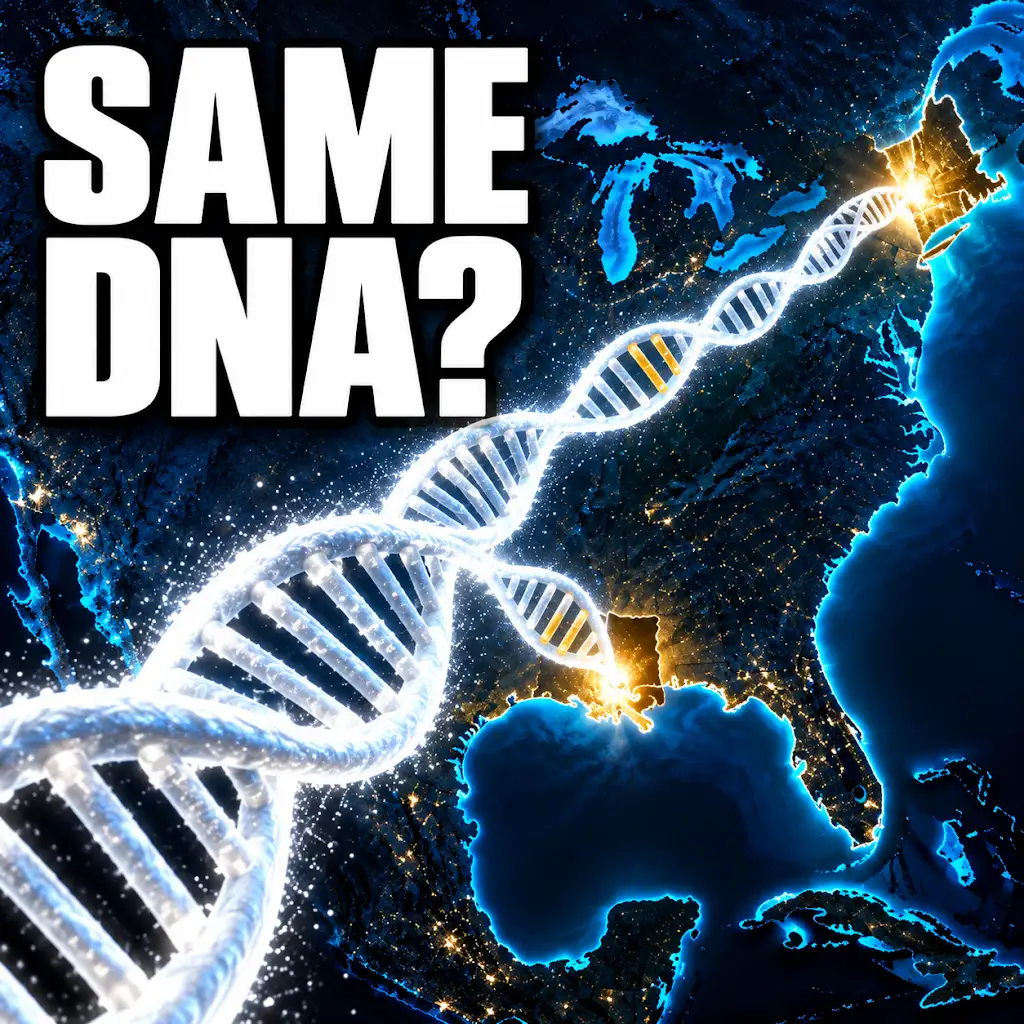
Cajun or French Canadian? The DNA Looked the Same—Until Researchers Looked Closer
FAQs
1. What can French Canadian DNA test results reveal?
French Canadian DNA test results can reveal information about a person’s genetic ancestry, including their French Canadian heritage and potential connections to specific regions in France.
2. How accurate are French Canadian DNA test results?
French Canadian DNA test results are generally accurate in identifying French Canadian ancestry, but it’s important to remember that DNA testing is not 100% precise and results can vary between different testing companies.
3. Can French Canadian DNA test results provide information about health risks?
While French Canadian DNA test results primarily focus on ancestry, some DNA testing companies may also provide information about certain health risks associated with specific genetic markers. However, it’s recommended to consult with a healthcare professional for a more comprehensive health assessment.
4. How can I interpret my French Canadian DNA test results?
Interpreting French Canadian DNA test results can be complex, but many testing companies provide detailed reports that explain the different components of your genetic makeup. You can also seek assistance from genetic counselors or genealogists for a more in-depth analysis.
5. Can French Canadian DNA test results help with genealogical research?
Yes, French Canadian DNA test results can be a valuable tool for genealogical research by helping to confirm or uncover connections to French Canadian ancestors and relatives. They can also provide insights into migration patterns and family history.