So, you’re curious about the Acadian French Canadian genetic network and what it might tell us about our heritage? It’s a fascinating area, and the short answer is that genetic studies offer a unique window into the historical migrations, family connections, and shared ancestry of Acadian and French Canadian populations. These insights go beyond simple lineage tracing, revealing patterns of settlement, historical relationships, and even predispositions that have shaped these communities over centuries.
The Roots of Acadian and French Canadian Ancestry
When we talk about the “Acadian French Canadian genetic network,” we’re really looking at the genetic tapestry woven by the early French settlers in North America and their descendants. These weren’t monolithic groups. Their origins trace back to various regions of France, and their journeys across the Atlantic were driven by exploration, trade, and settlement. Understanding this initial genetic pool is key to appreciating the unique patterns we see today.
Early Settlers and Their Origins
The story begins in the 17th century with the establishment of Nouvelle-France, which encompassed Acadia (modern-day Maritime provinces of Canada) and Quebec. The settlers who arrived were not a random selection of the French population. They were often from specific provinces like Normandy, Brittany, Poitou, and Saintonge, bringing with them the genetic signatures of those regions. This initial geographic concentration is a crucial factor in the distinctiveness of their genetic profiles. The reasons for migration were varied, including economic opportunities, religious freedom (though less so than in later periods), and a spirit of adventure. These early arrivals formed the foundational genetic material for what would become distinct French Canadian and Acadian populations.
The Influence of Geography and Isolation
Once settled, these communities developed in relative geographic isolation. Acadia, with its coastal location and then subsequent deportation, experienced a unique demographic trajectory. Quebec, further inland and with a more sustained settlement pattern, also developed its own genetic characteristics. This isolation, combined with a tendency for communities to marry within themselves (endogamy), meant that certain genetic traits and markers became more prevalent than in the general French population. Think of it like a family tree where certain traits get passed down more strongly because people tend to marry cousins, albeit distant ones. This isn’t a judgment, but a demographic reality that geneticists can observe.
The Acadian French Canadian genetic network has been a subject of interest for researchers exploring the unique genetic makeup of this population. A related article that delves into the complexities of genetic diversity in isolated communities can be found at Exploring Antarctica’s Hidden Coastline, which discusses how geographic isolation can lead to distinct genetic traits. This connection highlights the importance of understanding genetic networks in various populations, including the Acadian French Canadians.
Unpacking the Genetic Markers: What Scientists Look For
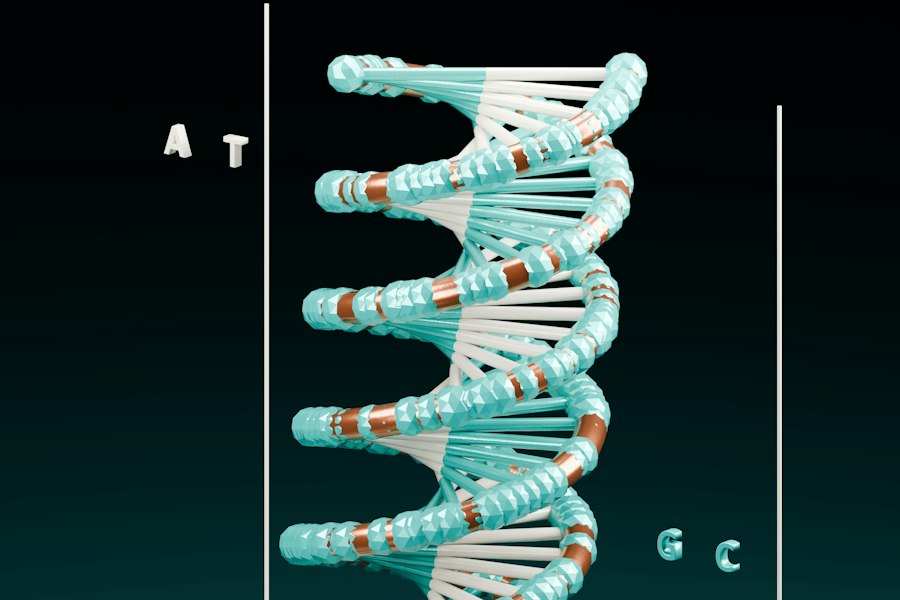
When geneticists study populations like the Acadians and French Canadians, they’re not just looking at random DNA. They’re searching for specific patterns and markers that act like genetic signposts, pointing to historical events and relationships. These markers can be found on the Y-chromosome (passed from father to son), mitochondrial DNA (passed from mother to all children), and autosomal DNA (inherited from all ancestors). Each tells a different part of the story.
Y-Chromosome and Patrilineal Heritage
The Y-chromosome is particularly useful for tracing paternal lineage. Studies of Acadian and French Canadian Y-chromosomes reveal a strong connection to western France, particularly regions like Normandy and Brittany. This aligns perfectly with historical records of where many of the early male settlers originated. The prevalence of certain Y-haplogroups – genetic groupings defined by shared Y-chromosome mutations – in these populations allows researchers to map the paternal lines back through centuries, identifying common founding fathers and their geographic origins. It’s like a surname tracing, but with a much deeper genetic timestamp.
Mitochondrial DNA and Maternal Connections
Mitochondrial DNA (mtDNA) offers a complementary view, tracing maternal lineage. While the Y-chromosome data often points to French origins, mtDNA studies have shown a more diverse picture, reflecting the complex history of interactions and marriages. While a significant portion of mtDNA lineages also trace back to France, there’s evidence of contributions from other European groups, and in some instances, indigenous maternal lineages, though this is more pronounced in certain subsets of French Canadian populations compared to Acadian ones, due to different historical interactions. This highlights that the early communities weren’t solely made up of French men marrying French women.
Autosomal DNA and the Broader Picture
Autosomal DNA, which makes up the vast majority of our genome, provides a broader view of ancestry by looking at contributions from all our ancestors. When analyzing autosomal DNA of Acadian and French Canadian individuals, scientists can see the overall proportions of ancestry. This usually confirms a dominant French heritage, but also can reveal smaller but significant contributions from other European groups, particularly if there were periods of intermarriage or migration from neighboring regions or countries. It gives a more nuanced, “average” ancestral breakdown across many generations.
Acadian Specifics: Resilience and Diaspora
The Acadian story is uniquely marked by the Grand Dérangement, the systematic expulsion of Acadians by the British starting in 1755. This forced diaspora had a profound impact on their genetic makeup, scattering them across the Atlantic world, yet also preserving a distinct genetic heritage in the places they eventually resettled. Understanding Acadian genetics means understanding this resilience.
The Impact of the Grand Dérangement
The expulsion wasn’t just a cultural upheaval; it was a demographic event that broke up established communities. Acadians were sent to various British colonies in North America, to England, France, and the Caribbean. Those who managed to return to or eventually settle in the Maritimes or Louisiana formed new communities. Genetically, this diaspora meant that the Acadian gene pool was dispersed, but also, in many cases, remained relatively isolated within these new settlements, leading to unique genetic signatures in different descendant groups. For example, Acadians who settled in Louisiana developed a distinct Creole culture and genetic profile influenced by their new environment and interactions.
Preserving a Distinct Genetic Identity
Despite the dispersion, or perhaps because of it, Acadian populations in places like Quebec, the Maritimes (Nova Scotia, New Brunswick, Prince Edward Island), and Louisiana often exhibit a more homogeneous genetic profile compared to the broader French Canadian population. This is attributed to a combination of the initial genetic pool from the early settlers and the subsequent relative isolation of these communities in their new homes. Genetic studies have helped pinpoint specific founder effects and bottleneck events that shaped the Acadian gene pool. A founder effect is when a new population is established by a small number of individuals, carrying only a fraction of the total genetic variation of the original population. A bottleneck occurs when a population’s size is dramatically reduced, leading to a loss of genetic diversity.
Connections to Modern Descendant Communities
Modern genetic studies can identify individuals with Acadian heritage by looking for clusters of genetic markers that are more common in Acadian populations than in the general French or other European populations. This is invaluable for people seeking to understand their roots. For instance, individuals tracing ancestry to specific regions of Acadia might share particular genetic signatures that can distinguish them from those with ancestry from other parts of Nouvelle-France. The genetic network effectively links these dispersed descendants back to their common ancestral origins.
French Canadian Variations: Quebec and Beyond
The French Canadian population, primarily centered in Quebec but with significant diasporas throughout North America, represents a larger and more complex genetic network. While sharing core French origins, its development involved different migration patterns, interactions, and periods of significant growth.
Quebec’s Founding Families and Genetic Bottlenecks
Quebec’s genetic landscape is heavily influenced by its “founding families,” the early settlers, particularly from the 17th and 18th centuries, whose descendants are incredibly numerous today due to high birth rates. Genetic studies often identify a relatively small number of ancestral couples who are disproportionately represented in the modern Quebecois gene pool. This is a classic example of a founder effect and subsequent population expansion. The relative isolation of Quebec for long periods meant that these founding lineages were passed down extensively.
Interactions and Admixture Over Time
While the French heritage is dominant, French Canadian populations have also experienced periods of admixture with other groups. Historically, this included interactions with indigenous populations, though the genetic impact of this varies significantly by region and family line. There have also been later waves of immigration to Canada from other European countries, and some intermarriage has occurred, contributing to the genetic diversity within the broader French Canadian population. However, the core French ancestry remains highly identifiable.
The “French Canadian Disease” and Genetic Predispositions
One of the most discussed aspects of French Canadian genetics is the prevalence of certain rare genetic disorders, sometimes referred to colloquially as “French Canadian diseases.” These are not diseases unique only to French Canadians, but their incidence is significantly higher in this population than in the general population. This is a direct consequence of the founder effect and genetic bottlenecks. When a small group of founders with a rare recessive gene marries and has many descendants, that gene can become much more common in the descendant population. Identifying these specific genetic conditions has been crucial for medical research, diagnostics, and genetic counseling for families of French Canadian descent. It’s a stark reminder of how genetics can reveal both our shared history and potential health considerations.
The Acadian French Canadian genetic network has garnered significant interest in recent years as researchers delve into the unique genetic heritage of this community. A related article discusses the various factors influencing the genetic diversity within this population, shedding light on the historical migrations and cultural exchanges that have shaped their identity. For those interested in exploring more about the implications of genetic studies, you can read about it in this insightful piece that highlights the importance of understanding genetic backgrounds in contemporary society.
The Practical Applications of This Genetic Network
| Metric | Value | Description |
|---|---|---|
| Population Size | ~300,000 | Estimated number of Acadian French Canadians |
| Common Y-DNA Haplogroups | R1b, I1 | Predominant paternal lineages found in Acadian males |
| Common mtDNA Haplogroups | H, U5, K | Predominant maternal lineages found in Acadian population |
| Founder Effect | Strong | Genetic bottleneck due to small number of original settlers |
| Genetic Diseases Prevalence | Higher than average | Due to founder effect and genetic isolation |
| Genetic Network Connectivity | High | Strong genealogical links among Acadian families |
| Average Relatedness Coefficient | 0.05 – 0.10 | Indicates moderate genetic relatedness within the population |
| Primary Ancestry | French (17th century settlers) | Origin of most Acadian genetic lineages |
Understanding the Acadian and French Canadian genetic network isn’t just an academic exercise. It has tangible applications for individuals and the scientific community, offering insights into genealogy, health, and even historical research.
Genealogy and Family History Research
For individuals delving into their family trees, genetic genealogy services can be incredibly powerful tools. By comparing your DNA to databases of people with known ancestries, you can identify genetic relatives and get estimates of your ancestral breakdown. For those with Acadian or French Canadian roots, these services can help confirm or uncover ancestral connections, point towards specific regions of origin in France or North America, and even identify distant cousins who might share previously unknown family branches. It can be a bridge to connecting with a rich past.
Medical Genetics and Predisposition Screening
As mentioned, the unique genetic makeup of Acadian and French Canadian populations means certain genetic predispositions to diseases are more prevalent. Understanding these patterns allows for targeted medical research, the development of diagnostic tools, and informs genetic counseling. For individuals with a strong Acadian or French Canadian heritage, being aware of these potential predispositions can be empowering, enabling proactive health management and informed discussions with healthcare providers. It’s about leveraging our genetic heritage for better health outcomes.
Historical and Anthropological Insights
Beyond personal family trees, genetic studies contribute to broader historical and anthropological understanding. They can corroborate or challenge historical narratives, offer insights into migration patterns that might not be fully documented in written records, and help reconstruct the demographic history of these populations. For example, genetic data can shed light on the extent of indigenous admixture or the specific origins of settlers in particular regions. It’s like having a new set of eyes looking at the past, adding scientific rigor to our understanding of human movement and interaction.
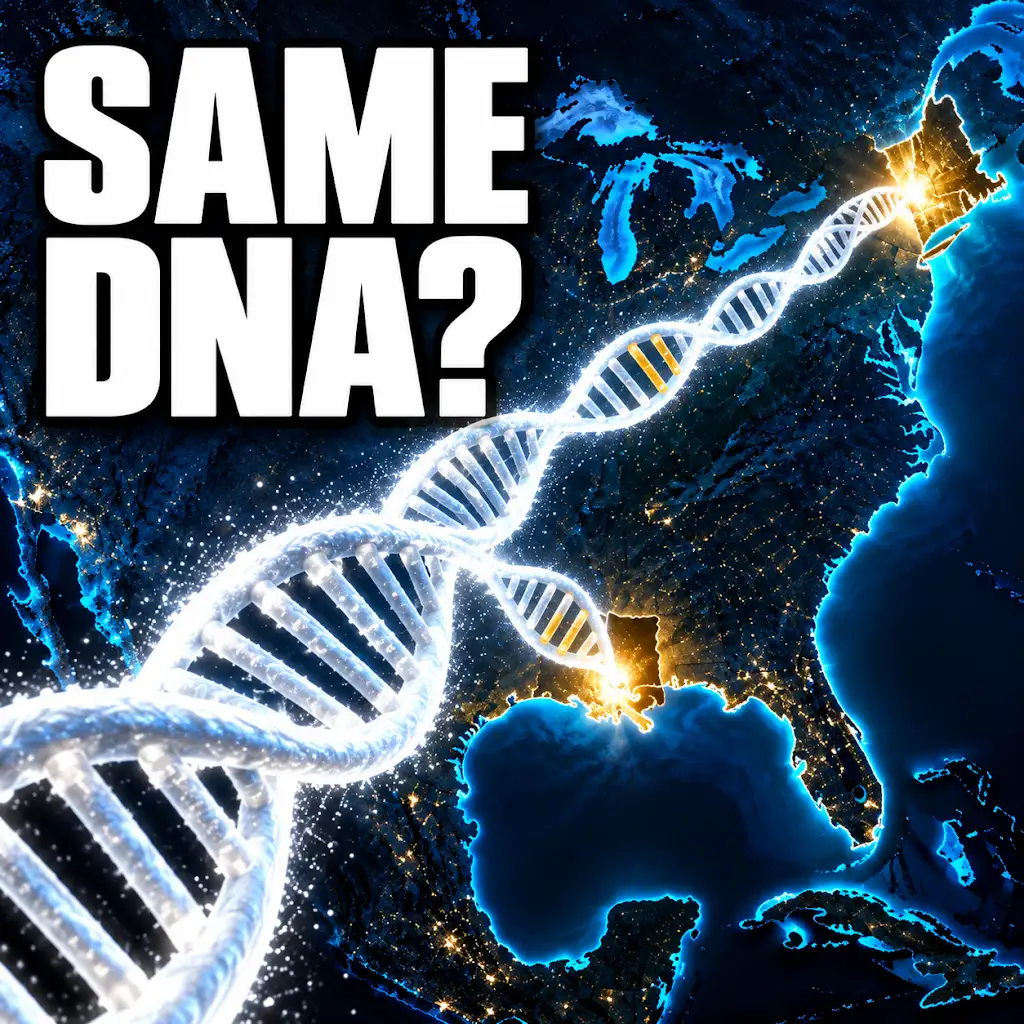
Cajun or French Canadian? The DNA Looked the Same—Until Researchers Looked Closer
FAQs
What is the Acadian French Canadian genetic network?
The Acadian French Canadian genetic network is a group of individuals who share genetic ancestry tracing back to the Acadian people of Canada. This network helps researchers study the genetic history and genealogy of Acadian descendants.
How is the Acadian French Canadian genetic network useful for genealogical research?
The genetic network allows individuals to connect with distant relatives, trace their ancestry, and discover genetic links to the Acadian population. It provides valuable insights into family history and migration patterns.
What are some common genetic markers found in the Acadian French Canadian population?
Some common genetic markers found in the Acadian French Canadian population include specific haplogroups, such as Haplogroup C-M217 and Haplogroup Q-M242, which are associated with Native American ancestry.
How can individuals participate in the Acadian French Canadian genetic network?
Individuals can participate in the genetic network by submitting their DNA for testing through companies that offer genetic genealogy services. They can then join online platforms or databases to connect with other Acadian descendants.
What are some ongoing research projects related to the Acadian French Canadian genetic network?
Researchers are currently studying the genetic diversity, migration patterns, and health implications of the Acadian French Canadian population. Ongoing projects aim to uncover more about the genetic heritage and connections of Acadian descendants.