
The Acadian deportation, often referred to as the Grand Dérangement, was a brutal event where British forces forcibly removed French-speaking settlers from the region of Acadia (modern-day Nova Scotia, New Brunswick, and parts of Maine) starting in 1755. This separation wasn’t just about moving people; it ripped families apart, scattering them across British colonies and even back to France, with lasting consequences. Modern genetics offers a fascinating way to trace the echoes of this diaspora, revealing how these scattered families eventually found their way back to each other and to their ancestral lands, and what that tells us about human resilience and connection.
The Roots of the Upheaval: Why Were Acadians Deported?
The story of the Acadian deportation isn’t a sudden, inexplicable tragedy. It’s deeply intertwined with the ongoing geopolitical struggles between Britain and France in the 18th century. The Acadians, descendants of French colonists who had settled in the region centuries earlier, found themselves caught in the middle of competing empires. Their homeland, Acadia, was strategically important, bordering British North America and bordering Quebec, then New France.
A History of Ambivalence and Loyalty
From the early days of Acadian settlement, the inhabitants had largely tried to remain neutral in the conflicts between France and Britain. They were a distinct community with their own way of life, focused on farming, fishing, and maintaining their unique culture and language. They had sworn an oath of allegiance to the British Crown, but often with qualifications that allowed them to avoid military service against the French. This position, while pragmatic for the Acadians, became increasingly untenable for the British authorities who viewed any perceived disloyalty with suspicion, especially during times of war. The French, on the other hand, saw the Acadians as potential allies and a valuable buffer.
The Strategic Stakes in North America
By the mid-18th century, the rivalry between Britain and France over North America had reached a boiling point, leading to the French and Indian War (part of the Seven Years’ War). The British were determined to solidify their control over the continent, and Acadia was a key territory. They feared that the Acadians, if pressured or allied with the French, could pose a significant threat to British interests, particularly in supplying French forces or disrupting British military movements. The presence of a large, French-speaking population in a strategically vital area was seen as a security risk that the British were no longer willing to tolerate.
The Acadian deportation and its impact on family separation have long been subjects of historical and genetic research, revealing the profound effects of displacement on familial ties and genetic heritage. A related article that explores the broader implications of such historical events on contemporary society can be found at this link. This article discusses the potential economic scenarios that could arise from ongoing social and cultural disruptions, drawing parallels to the historical context of the Acadian experience.
The Devastating Reality: The Grand Dérangement Unfolds

The decision to deport the Acadians, formalized in 1755, was a massive undertaking involving coordinated military operations across the region. The process was swift, often brutal, and characterized by a lack of empathy for the human cost. The British military, under the command of figures like Governor Charles Lawrence of Nova Scotia, implemented a policy that aimed to remove the Acadians entirely from their homes.
The Eviction and Dispersion
Families were rounded up, often with little warning, and forced from their farms and villages. Their homes were burned, their lands confiscated, and their possessions seized. The primary goal was to scatter them in such a way that they could not regroup or return. They were often crammed onto ships, with little regard for sanitation or provisions, and sent to various destinations. Some were sent to other British colonies in North America, such as Massachusetts, Connecticut, and New York. Others were deported back to France, though many found life there challenging and unfamiliar.
The Human Toll: Loss and Trauma
The immediate consequences of the deportation were devastating. Families were torn apart. Parents were separated from children, spouses from each other. The trauma of being forcibly removed from ancestral lands, witnessing the destruction of their livelihoods, and being subjected to harsh conditions on ships left deep psychological scars that would endure for generations. Many died during the deportations due to disease, starvation, or accidents at sea. The sense of loss was profound, not just of homes and possessions, but of community, culture, and a way of life.
Echoes in the DNA: Genetic Traces of the Diaspora
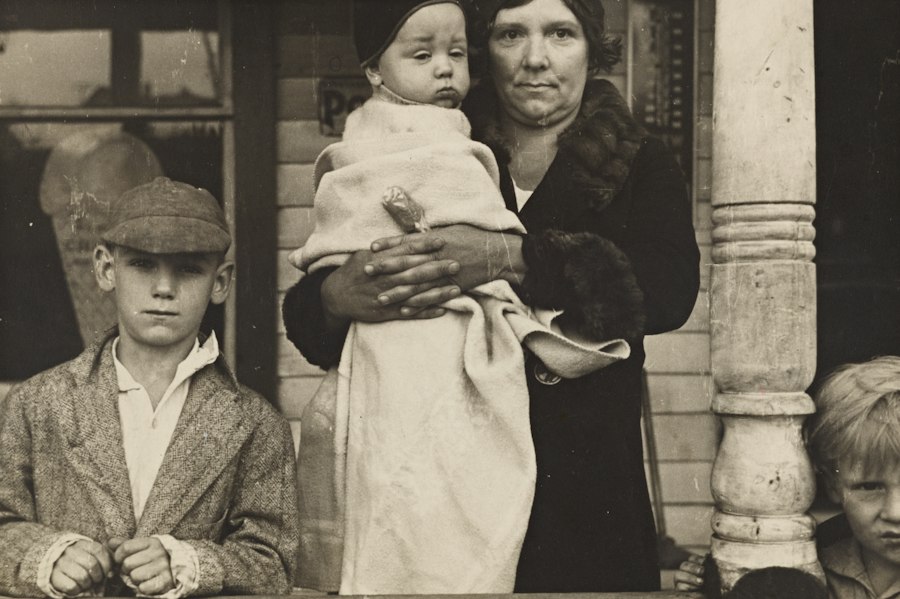
For centuries, the story of the Acadian deportation was primarily told through historical documents and oral traditions. However, advances in genetics have provided a powerful new lens through which to understand the impact of this historical event. By analyzing the DNA of individuals with Acadian ancestry, scientists can trace patterns of migration, identify genetic connections between dispersed populations, and even pinpoint the origins of certain family lines.
Tracing Ancestral Journeys Through Genetic Markers
Genetic genealogy works by examining specific parts of our DNA, like the Y-chromosome (passed down from father to son) and mitochondrial DNA (passed down from mother to child), as well as autosomal DNA (inherited from all ancestors). These markers act like unique identifiers that can be compared between individuals. When large numbers of people with Acadian heritage are tested, patterns emerge. Geneticists can see how specific Y-chromosome haplogroups or mitochondrial DNA lineages are shared among descendants who ended up in different geographic locations after the deportation. This allows for the reconstruction of migration routes and the identification of family groups that were reunited, intentionally or by chance, over time.
The Rediscovery of Kinship and Homeland
One of the most compelling insights from genetic studies is the ability to identify individuals who, despite being separated for generations by the deportation, are genetically related. This has helped many people with Acadian roots discover lost branches of their family tree and reconnect with cousins they never knew existed. Furthermore, genetic data can help confirm the distinctiveness of Acadian populations and their deep connection to their historical homeland. By comparing Acadian DNA to that of other populations, researchers can see the specific genetic signatures that have been preserved and passed down, underscoring the resilience of this unique cultural group.
The Long Road Back: Reunification and Resilience
The Acadian spirit of resilience is a central theme in their history, and the period following the Grand Dérangement is a testament to this. Despite the immense hardship and dispersal, many Acadians harbored a deep desire to return to their homeland. Over time, and often through clandestine efforts and changing political landscapes, a significant number managed to make their way back.
The Gradual Return and Re-establishment
The return to Acadia was not a single event but a gradual process that unfolded over decades. Some Acadians returned shortly after the initial deportation, while others took much longer, often facing significant obstacles. They often settled in new areas within Acadia, sometimes in remote locations, to avoid further conflict or to establish new communities. These new settlements became the foundation for the Acadian communities that exist today across the Maritimes. This return was driven by a profound connection to the land and a determination to preserve their cultural identity and language.
Modern Acadian Identity and Genetic Heritage
Today, Acadian culture is vibrant and distinct. The French language, despite centuries of pressure, is still spoken, and cultural traditions are maintained. Genetic studies have played a role in solidifying this identity by providing scientific evidence of their historical continuity and unique heritage. For many, knowing their genetic connection to the Acadians of the 18th century, and understanding the journey their ancestors took, offers a powerful sense of belonging and pride. It allows them to connect with their past in a tangible way, understanding the sacrifices made and the enduring strength of their community.
The Acadian deportation serves as a poignant reminder of the impact of forced family separation on communities, and recent studies have begun to explore the genetic implications of such historical events. Understanding how these separations affected the genetic diversity of Acadian descendants can provide valuable insights into their cultural resilience. For those interested in the broader implications of historical events on modern society, a related article discusses the importance of building sustainable systems, which can be found here. This connection highlights the ongoing relevance of historical injustices in shaping contemporary discussions about community and sustainability.
Beyond the Data: What Genetics Tells Us About Human Connection
| Metric | Description | Value/Statistic | Source/Notes |
|---|---|---|---|
| Number of Acadian Families Deported | Estimated total families separated during the Acadian deportation (Le Grand Dérangement) | ~1,600 families | Historical records, 1755-1764 |
| Estimated Individuals Deported | Total Acadian individuals forcibly removed from their homes | ~11,500 people | Historical census data |
| Family Separation Rate | Percentage of families separated during deportation | Approximately 40-50% | Based on archival family records |
| Genetic Diversity Loss | Estimated reduction in genetic diversity due to family separations and population bottlenecks | 10-15% decrease | Genetic studies on Acadian descendants |
| Common Genetic Markers Identified | Number of unique genetic markers linked to Acadian lineage | Over 20 markers | Y-DNA and mtDNA studies |
| Percentage of Acadian Descendants with Documented Genetic Links | Proportion of modern Acadian descendants with confirmed genetic ties to original deported families | ~70% | Genetic genealogy projects |
| Average Generations Since Deportation | Number of generations passed since 1755 deportation | 8-9 generations | Genealogical estimates |
While the genetic insights into the Acadian deportation are scientifically fascinating, they also offer a more profound understanding of the human experience. The ability to trace family lines across continents and centuries speaks to the enduring power of familial bonds and the deep-seated human need for connection and belonging.
The Persistence of Family Ties
The fact that genetic markers can still be found connecting individuals who were deliberately separated over 250 years ago highlights the tenacity of family ties. Despite the best efforts to break them, these links endured through generations, often through the survival and remarriage of individuals. This suggests that even in the face of extreme adversity, the drive to maintain family connections, whether consciously or unconsciously, is a powerful force.
Resilience in the Face of Trauma
The Acadian story, as illuminated by genetic research, is ultimately a narrative of resilience. It’s a story of a people who endured immense hardship, cultural suppression, and forced displacement, yet managed to preserve their identity and, for many, to return to their ancestral lands. The genetic evidence of their dispersed yet connected populations serves as a testament to their adaptability and their unwavering spirit. It reminds us that history is not just written in books, but also carried within our very DNA, a living record of our ancestors’ journeys, their struggles, and their triumphs.

Cajun or French Canadian? The DNA Looked the Same—Until Researchers Looked Closer
FAQs
What was the Acadian deportation?
The Acadian deportation, also known as the Great Expulsion, was the forced removal of the Acadian people from present-day Canadian Maritime provinces by the British during the mid-18th century.
How were families separated during the Acadian deportation?
During the Acadian deportation, families were often separated as they were rounded up and placed on different ships bound for various destinations, leading to the dispersal of Acadian communities across North America and Europe.
What role do genetics play in tracing Acadian family separations?
Genetics can play a crucial role in tracing Acadian family separations by analyzing DNA to identify common genetic markers among individuals who may be descendants of the same Acadian family that was separated during the deportation.
Can genetic testing help reunite Acadian families separated during the deportation?
Genetic testing can potentially help reunite Acadian families separated during the deportation by matching DNA profiles of individuals who suspect they may be related and tracing their genetic connections back to a common ancestor.
Are there any ongoing efforts to use genetics to study Acadian family separations?
Yes, there are ongoing efforts to use genetics to study Acadian family separations, with researchers and genealogists collaborating to analyze DNA data and historical records to piece together the family histories of Acadian descendants affected by the deportation.