
Uncovering your Cajun roots in Louisiana is a fascinating journey, and genetics can offer some surprising insights. While traditional genealogy traces family trees through records and stories, DNA testing can help reveal the deeper ancestral layers, showing where your forebears likely came from, even before they arrived in Louisiana. It’s like getting a broader map of your heritage, connecting you to a wider tapestry of human history that complements your family’s known story.
The Acadian Migration: A Foundation of French and Beyond
The story of Cajun Louisiana is inextricably linked to the Acadian migration, a dramatic expulsion from their homeland in what is now the Canadian Maritimes. Understanding this historical event is key to understanding the genetic makeup of Cajuns today.
Who Were the Acadians?
Originally, Acadians were French colonists who settled in Acadia (present-day Nova Scotia, New Brunswick, and Prince Edward Island) starting in the early 17th century. They established distinct communities, primarily focused on farming and fishing, and developed a unique culture and dialect over generations. They were largely self-sufficient and sought to maintain neutrality in the frequent conflicts between France and Britain.
The Great Expulsion and its Aftermath
The British, who gained control of Acadia, grew suspicious of the Acadians’ loyalty. In 1755, they began the “Grand Dérangement” (the Great Expulsion), forcibly removing Acadians from their lands, separating families, and scattering them across British colonies and even back to France. Many died during this period.
The Journey to Louisiana
Despite the hardships, many Acadians eventually found their way to Louisiana, then a Spanish colony. They were drawn by the promise of land and a place to rebuild their lives. They settled primarily along the bayous and prairies of southwestern Louisiana, forming the cultural and linguistic heartland of what we now call Cajun Country.
Cajun Louisiana’s rich cultural tapestry is deeply intertwined with its genetic roots, reflecting a unique blend of French, Spanish, African, and Native American influences. For those interested in exploring how diverse cultural elements shape communities, a related article discusses the fascinating topic of ancient navigation techniques and their impact on civilization. You can read more about this intriguing subject in the article titled “Unlocking the Secrets of Minoan Celestial Navigation” available at this link.
Genetic Signatures: Beyond Just French
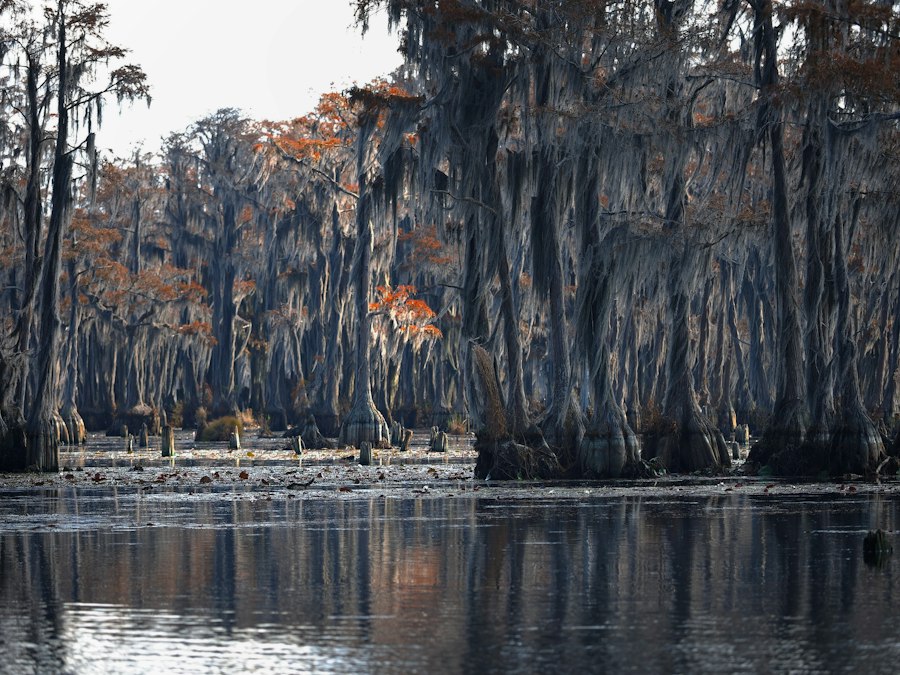
When you think of Cajun genetics, “French” is likely the first thing that comes to mind. And while French ancestry is undoubtedly a significant component, DNA testing often reveals a more complex and interwoven heritage.
The French Core
The primary ancestral group for most Cajuns is indeed French. Generations of intermarriage within Acadian communities and later with French settlers in Louisiana solidified this French genetic influence. This can manifest as regional French DNA markers, reflecting the specific areas of France from which the original Acadian settlers hailed.
The Influence of Other European Populations
However, it’s not just France. Over centuries, particularly after the Acadians settled in Louisiana, there was interaction and intermarriage with other European groups present in the colonial context.
- Spanish and Portuguese: Louisiana was under Spanish rule for a significant period, and there was a considerable influx of Spanish and Portuguese settlers. This is particularly evident in the genetics of some families, contributing Iberian DNA.
- German: German settlers also arrived in Louisiana during the colonial era, establishing communities and interacting with the French and Acadians. Their genetic contributions are also detectable in many Cajun family lines.
- Italian and Irish: While perhaps less pronounced than Spanish or German, there are instances where Italian and Irish ancestry can be found within Cajun family trees, reflecting broader patterns of European migration to North America.
Traces of Indigenous Peoples
A significant and often overlooked aspect of Cajun genetic heritage is the presence of Indigenous ancestry. Early interactions between European settlers and Native American tribes in the region were common.
- Choctaw and Coushatta: Tribes like the Choctaw and Coushatta were prominent in the areas where Acadians settled. Intermarriage and relationships between Acadian settlers and these Indigenous communities were not uncommon, leading to the incorporation of Native American DNA into the Cajun gene pool. This can manifest as specific Native American haplogroups or autosomal DNA segments.
- Other Indigenous Groups: Depending on specific family histories and locations, ancestry from other Indigenous groups that inhabited the Gulf Coast region may also be present.
African Ancestry: A Complex and Often Hidden Story
The history of African peoples in Louisiana is complex, marked by both enslavement and freedom. This has also left a genetic imprint on the Cajun population.
- Enslaved Africans: Many Africans were brought to Louisiana as enslaved people, and while the legal and social structures aimed to maintain separation, intermarriage and relationships did occur across racial lines. This is a sensitive area, but genetic testing can reveal African DNA segments.
- Free People of Color: Louisiana also had a significant population of free people of color, many of whom were of mixed European and African heritage. These individuals were often integrated into the broader society and their ancestry can be found in various Louisiana families, including those with Cajun ties.
- Assimilation and Identity: It’s important to note that historically, social norms and pressures often led to individuals with African ancestry identifying as white or Creole (which itself has a complex definition in Louisiana) to avoid discrimination. Genetic testing can sometimes uncover these hidden ancestral layers that weren’t openly acknowledged or recorded in historical documents.
How DNA Testing Illuminates Cajun Heritage
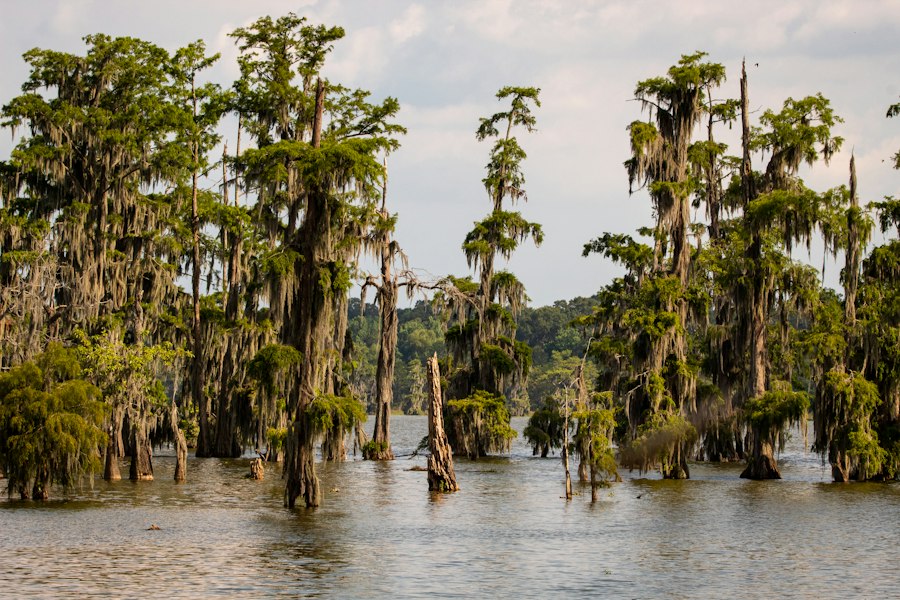
Genetic genealogy tests don’t just tell you you’re “French.” They break down your ancestry into percentages and geographic regions, offering a more nuanced picture.
Autosomal DNA: The Broad Picture
Autosomal DNA tests, like those offered by AncestryDNA and 23andMe, examine 22 pairs of chromosomes. This is the most comprehensive type of testing for tracing recent ancestors (within the last 5-7 generations).
- Breaking Down Percentages: These tests will provide ethnicity estimates, showing you the likely percentages of your ancestry from various regions. You’ll likely see significant French, but also potentially Spanish, German, Italian, and Native American percentages.
- Connecting with Relatives: Crucially, autosomal DNA tests link you to living relatives who have also tested. This is where the real genealogical magic happens. You can see shared matches and begin to build out family trees with people you never knew existed, confirming or expanding upon your paper trail. If you’re tracing Cajun roots, you might find matches who are also tracing Acadian ancestry or those whose family trees show connections to specific Cajun communities.
Y-DNA and mtDNA: Deeper Ancestral Lines
These tests focus on specific lineages. Y-DNA is passed down the paternal line (father to son), and mitochondrial DNA (mtDNA) is passed down the maternal line (mother to all her children).
- Tracing Ancient Migrations: Y-DNA and mtDNA are excellent for tracing deep ancestral roots, going back tens of thousands of years, and understanding ancient migration patterns. While less useful for identifying specific recent ancestors in Louisiana, they can confirm deep paternal or maternal haplogroups that align with known Acadian or French origins.
- Confirming Family Legends: Sometimes, Y-DNA can help confirm a suspected paternal line, or mtDNA can corroborate a maternal line, especially if historical records are scarce. If your Y-DNA haplogroup aligns with common Acadian paternal lines, it adds another layer of confidence to your research.
Interpreting the Results: Beyond the Numbers
It’s essential to remember that ethnicity estimates are just that – estimates. They are based on reference populations and can fluctuate slightly between testing companies or with updates to their databases.
- Context is Key: The real value comes from combining your DNA results with historical and genealogical research. If your DNA shows a strong Spanish component, and your family tree has branches that settled in Spanish Louisiana, the DNA provides scientific validation.
- The “Cajun” Label: It’s important to understand that “Cajun” is as much a cultural and linguistic identity as it is a genetic one. While your DNA might show a strong French and other European mix, your connection to Cajun heritage is often solidified through shared cultural practices, language, music, and family stories. DNA can reveal the historical layers that contributed to this identity.
Building Your Cajun Family Tree with DNA
Your DNA results are a powerful tool, but they’re most effective when used in conjunction with traditional genealogical methods.
The Power of Shared Matches
The most immediate benefit of DNA testing for tracing Cajun heritage is the discovery of shared matches.
- Uncovering Unknown Cousins: You’ll likely discover many DNA matches who share segments of DNA with you. These are your cousins, some close, some distant. For Cajun researchers, these matches are invaluable.
- Bridging Gaps: If you’re stuck on a particular branch of your family tree, a DNA match might have the missing piece. They might have done research on a shared ancestor you’re both related to, or their family tree might extend further back. For Acadian descendants, this is often how people connect with other branches of the Acadian diaspora who emigrated to different locations or stayed in Acadia longer.
Utilizing Genealogical Databases
DNA testing companies often have integrated or linked genealogical databases.
- Ancestry.com and MyHeritage: Platforms like Ancestry.com are particularly strong here, allowing you to build your family tree and then see how your DNA matches align with it. They also provide access to vast historical records.
- Record Searching: Use your DNA matches as clues to guide your record searching. If a DNA match has a family tree that shows a specific ancestor in Louisiana, you can then focus your efforts on finding vital records, census data, or land records for that individual.
The Endogamy Challenge
Cajun populations, particularly in isolated rural areas, can exhibit endogamy – a tendency for people within a community to marry each other. This can make DNA interpretation trickier.
- Multiple Shared Ancestors: Due to endogamy, you might share DNA with a match through multiple ancestral lines. This can lead to higher-than-expected centimorgans (cM) shared, making it harder to pinpoint the exact relationship without careful tree analysis.
- Patience and Diligence: Overcoming endogamy requires patience and meticulous genealogical work. You’ll need to carefully analyze your shared matches and build out their family trees to understand the exact relationship and the common ancestors involved.
Cajun Louisiana’s rich cultural tapestry is deeply intertwined with its genetic roots, reflecting a unique blend of French, African, Spanish, and Native American ancestries. This fascinating heritage not only shapes the region’s vibrant traditions and cuisine but also influences its social dynamics. For those interested in exploring how diverse backgrounds can impact communities, a related article discusses the evolution of supply chains in North America and how embracing innovation can lead to a more interconnected future. You can read more about this intriguing topic here.
The Ongoing Story: Culture, Identity, and Genetics
| Metric | Details |
|---|---|
| Primary Ancestry | French (Acadian) settlers from Canada |
| Secondary Ancestry | Native American, Spanish, African, and other European influences |
| Genetic Markers | High frequency of Y-DNA haplogroups R1b (Western European) and mitochondrial haplogroups common in Western Europe |
| Migration Period | Mid-18th century (1755-1785) |
| Geographic Origin | Acadia region (present-day Nova Scotia, New Brunswick, and Prince Edward Island, Canada) |
| Population Genetics Studies | Show admixture with Native American tribes such as the Chitimacha and African populations during colonial Louisiana |
| Language Influence | Cajun French dialect derived from Acadian French |
| Cultural Genetic Traits | Genetic diversity reflects historical isolation and intermarriage within the Cajun community |
Your genetic roots in Louisiana are part of a living, evolving heritage. Genetics provides a scientific lens, but the human story is in the culture, the language, the food, and the connections you forge.
“Cajun” as a Cultural Identity
It’s vital to remember that “Cajun” is a cultural identity that transcends strict genetic boundaries. People who identify as Cajun may have a wide range of genetic backgrounds.
- Shared History and Experience: The shared history of the Acadian expulsion, resettlement in Louisiana, and the subsequent development of a distinct culture binds people together, regardless of minor genetic variations.
- Language and Traditions: The unique Cajun French dialect, the music, the cuisine, and the strong sense of community are powerful markers of Cajun identity that genetics alone cannot fully capture.
The Modern Cajun Diaspora
Cajun culture has spread beyond its traditional geographic boundaries. Many descendants of Acadians and Cajuns live across the United States and the world.
- Global Connections: DNA testing can help you find cousins and connections in places you might not have expected, even those who have moved away from Louisiana over the generations but still maintain a connection to their Cajun heritage.
- Maintaining Heritage: Understanding your genetic roots can be a powerful motivator for learning more about Cajun history, culture, and traditions, helping to keep this heritage alive for future generations.
Genetics as a Bridge, Not a Destination
Ultimately, your genetic results are a starting point, a fascinating piece of the puzzle. They offer a deeper understanding of the historical forces and human movements that shaped your ancestry, adding a scientific layer to the stories passed down through your family.
- Complementing, Not Replacing: Genetics complements, rather than replaces, traditional genealogical research and the rich tapestry of oral histories and cultural understanding.
- A Deeper Appreciation: By uncovering these deep genetic roots, you gain a more profound appreciation for the resilience, journeys, and diverse influences that have contributed to the vibrant heritage of Cajun Louisiana. It’s a journey of discovery that connects you to a much larger human story.
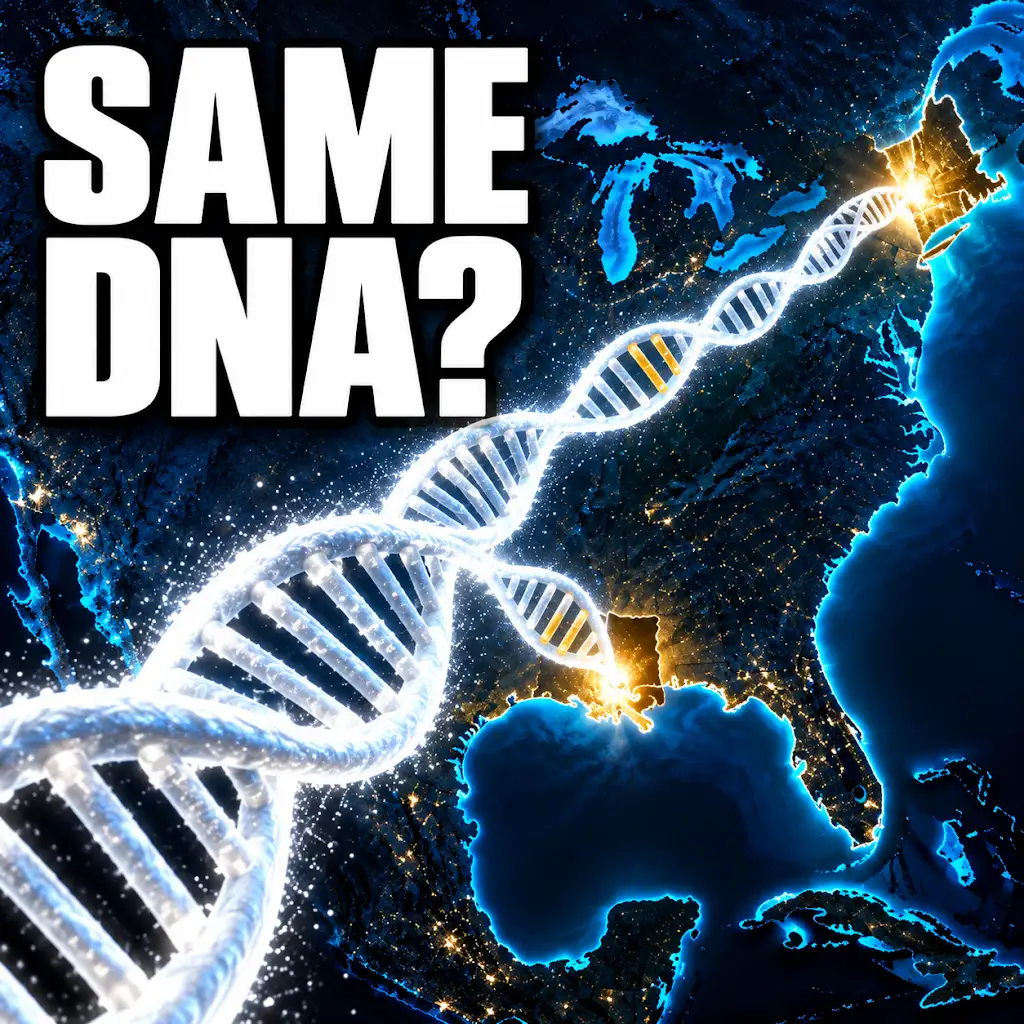
Cajun or French Canadian? The DNA Looked the Same—Until Researchers Looked Closer
FAQs
What are the genetic roots of Cajun Louisiana?
Cajun Louisiana has a diverse genetic background that includes French, Spanish, African, Native American, and German ancestry.
How did the Cajun population come to have such a diverse genetic makeup?
The Cajun population in Louisiana is descended from French settlers who were exiled from Acadia (present-day Nova Scotia) in the 18th century. Over time, they intermarried with other ethnic groups in the region, leading to a diverse genetic heritage.
Are there any unique genetic markers that are specific to Cajun Louisiana?
Studies have shown that Cajun Louisiana has a higher prevalence of certain genetic markers, such as those associated with French and Acadian ancestry, compared to other populations in the United States.
How has the genetic diversity of Cajun Louisiana influenced its culture and traditions?
The genetic diversity of Cajun Louisiana has contributed to its rich cultural heritage, blending elements of French, Spanish, African, Native American, and German traditions in areas such as music, cuisine, and language.
Can genetic testing help individuals of Cajun descent learn more about their ancestry?
Yes, genetic testing can provide individuals of Cajun descent with valuable insights into their genetic roots and ancestral background, helping them better understand their heritage and connections to different ethnic groups.