So, you’re curious about how to trace your Cajun Louisiana ancestry? It’s a fascinating journey that combines the old-school detective work of historical records with the cutting-edge insights of genetic testing. Think of it as piecing together a family tree using both dusty archives and your own DNA. While there’s no single magic button, a good approach involves understanding both your heritage and what your genes can tell you.
Unpacking the Cajun Identity: More Than Just Gumbo
Before diving into the how, it’s worth touching on what “Cajun” actually means. It’s not just about a cuisine or a particular accent, though those are certainly part of it. The term “Cajun” is derived from “Acadian,” referring to French colonists who settled in Acadia (modern-day Nova Scotia and parts of New England) starting in the 17th century. When the British expelled them in the mid-18th century, many found their way south to Louisiana. These Acadians brought their language, culture, and a resilient spirit, which then blended with the diverse peoples already in Louisiana – Native Americans, Africans, Spanish, and other European immigrants. This unique mix is what forms the core of Cajun heritage. Understanding this historical context is crucial, as your ancestry might not be a purely French line but a rich tapestry woven from many threads.
The Acadian Exile: The Genesis of a People
The story of the Cajuns begins with the Acadians. These were French settlers who, for over a century, carved out a life in a challenging but fertile landscape. They developed a distinct culture, separate from France, focused on self-sufficiency and community. Their peaceful existence was shattered by the British, who feared their loyalty to France. The “Grand Dérangement,” or Great Upheaval, saw them forcibly removed from their homes. Families were scattered, some to France, others to the Caribbean, and a significant number eventually found refuge in the Spanish-controlled territory of Louisiana. This traumatic event is the foundational experience that shaped Cajun identity.
Louisiana’s Melting Pot: A Blend of Influences
Once in Louisiana, the exiled Acadians encountered a society already rich in diversity. The French had established New Orleans and the surrounding settlements, but the territory had also been under Spanish rule for a period. Indigenous peoples had lived there for millennia. Enslaved Africans brought their own cultures and traditions. Later, various European groups, including Germans and Italians, also settled in the region. The Acadians, while maintaining their French roots, adapted and integrated, leading to the unique blend that defines Cajun culture today. Recognizing this means your “Cajun” ancestry might also connect you to Spanish, Native American, African, or other European lineages.
Cajun Louisiana ancestry is a fascinating topic that intertwines cultural heritage and genetics, revealing the unique lineage of the Cajun people. For those interested in exploring the historical context and the broader implications of ancestry, a related article titled “Uncovering Ancient Cartography: Forbidden Knowledge” provides insights into how historical maps can shed light on the migration patterns and settlement of various communities, including the Cajuns. You can read more about this intriguing connection by visiting the article here: Uncovering Ancient Cartography: Forbidden Knowledge.
Navigating Historical Records: The Traditional Path to Your Roots

Tracing your Cajun ancestry traditionally involves digging into historical documents. This is where the real detective work happens, and it can be both rewarding and challenging. Louisiana’s history is complex, with records sometimes scattered or difficult to access. However, with patience and a systematic approach, you can uncover invaluable information about your forebears.
Parish Records: The Cornerstone of Genealogy
In Louisiana, like many places, church and civil records are your primary sources. For French Catholic Cajuns, parish records are goldmines. These typically include:
- Baptismal records: These will often list the child’s name, parents’ names (including the mother’s maiden name), godparents’ names, and the date of baptism. The godparents can sometimes offer clues to family connections or community ties.
- Marriage records: These are essential for linking generations. They usually provide the names of the bride and groom, their parents, witnesses, and the date of the marriage.
- Burial records: While less detailed, these can confirm death dates and sometimes provide familial information.
These records are often held by individual parishes or dioceses. Many have been microfilmed and digitized, making them accessible through genealogical societies, libraries, and online platforms. You’ll often find that early Cajun families were highly intermarried within their communities, meaning a single record might reveal multiple ancestral lines.
Civil Records: Beyond the Church Doors
While Catholic faith played a central role, civil records also provide vital information, especially as administrations changed. Look for:
- Land records: These can show where your ancestors lived, their economic status, and potentially who they bought from or sold to, hinting at business relationships.
- Probate records (wills and successions): These documents detail the distribution of property after someone’s death. They can name all the heirs, providing a comprehensive list of children and grandchildren and their relationships.
- Court records: Lawsuits, legal disputes, and other court proceedings can offer glimpses into family dynamics, debts, and relationships.
- Census records: While less detailed for early periods, later censuses can provide information on household members, ages, occupations, and places of birth.
Navigating these records often requires understanding the different governing bodies that held sway in Louisiana over time – French, Spanish, and American. Each era might have its own record-keeping style and location.
Immigration and Naturalization Papers: For Later Arrivals
If your ancestors arrived in Louisiana later, perhaps in the 19th or 20th centuries, immigration and naturalization records become important. These documents can confirm their country of origin, arrival dates, and sometimes even the names of family members who accompanied them or followed later. While the core Cajun population arrived earlier, subsequent waves of immigrants, including those who assimilated into Cajun culture, will have these records.
Embracing Genetic Genealogy: Unlocking Your DNA’s Story
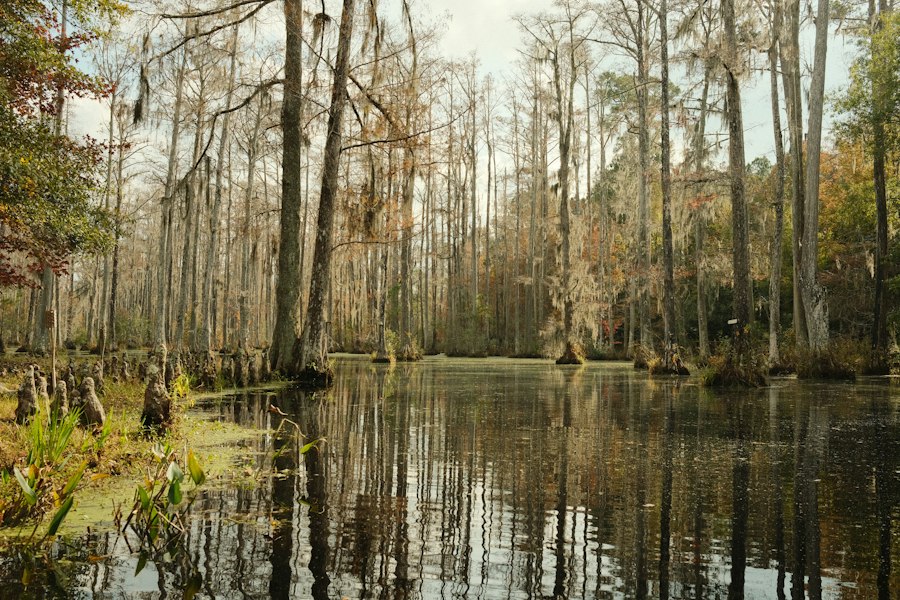
Genetic genealogy has revolutionized how we trace our ancestry, and it’s particularly powerful for understanding the complex heritage of Louisiana. By analyzing your DNA, you can uncover ancestral origins and connect with distant relatives.
Autosomal DNA Testing: The Broad Sweep
Autosomal DNA tests (like those from AncestryDNA, 23andMe, MyHeritage DNA, etc.) examine the DNA inherited from all your recent ancestors, going back roughly 5-7 generations. For Cajun ancestry, this type of test is invaluable because:
- It reveals broad ethnic percentages: You’ll get an estimate of your ancestral origins from various regions of the world. Look for percentages that align with French, Spanish, African, Native American, and perhaps German or Italian heritage.
- It connects you with relatives: These tests provide a list of DNA matches – individuals who share a significant amount of DNA with you. By examining shared matches and their family trees (if available), you can often identify common ancestors and flesh out your family tree. This is where you might find cousins who have already traced parts of your Cajun lineage.
- It can highlight specific regional ties: While general percentages are given, some companies are improving their ability to pinpoint more specific regional origins within countries. For Louisiana, this can sometimes show a stronger connection to Southwestern France or specific parts of Spain.
The challenge with autosomal DNA is that it represents all your ancestors, not just the French ones. So, a 5% French result might be from a French ancestor several generations back, not necessarily your direct Acadian line. You’ll need to cross-reference these results with your paper trail.
Y-DNA and mtDNA: Deeper, More Specific Clues
For a more focused look at specific ancestral lines, consider Y-DNA and mitochondrial DNA (mtDNA) tests:
- Y-DNA: This type of DNA is passed down exclusively from father to son. If you are male, or have a brother, father, or paternal uncle who is willing to test, Y-DNA can trace your direct paternal line (father’s father’s father, etc.) back thousands of years. This is excellent for confirming or identifying the original Acadian surname lines if you know your paternal surname. Certain Y-DNA haplogroups are more common in specific geographic areas of France, Spain, or other European regions where early Acadian settlers originated.
- mtDNA: This DNA is passed down from mother to child, through the mother’s egg. It traces your direct maternal line (mother’s mother’s mother, etc.). This can be useful for tracing your maternal ancestry, which might be of any ethnic background and lead you to Acadian or other Louisiana lineages.
Y-DNA and mtDNA are less about broad ethnicity percentages and more about tracing specific lineages. They are best used in conjunction with autosomal DNA and historical research to confirm or discover very distant ancestral connections.
Building a Genetic Network: The Power of Shared Matches
One of the most powerful aspects of genetic genealogy is the “shared matches” feature. When you have a DNA match, you can see other people they match with. If you and your match both match with a third person, that third person is likely related to you both through a common ancestor.
- Collaborate with matches: Reach out to DNA matches. Politely explain your research goals. Many people are happy to share information, especially if they are also researching Cajun ancestry. They might have family trees or documents you haven’t found.
- Identify “brick walls”: Sometimes, you hit a point where you can’t find records for an ancestor. Genetic matches can be invaluable in breaking through these “brick walls.” If you have a match whose tree includes that ancestor, you’ve found your connection.
- Understand haplogroups: For Y-DNA and mtDNA, understanding your haplogroup can provide clues about very ancient origins and migration patterns. While not directly identifying specific Cajun ancestors, it can shed light on the broader European or African ancestry that contributed to your lineage.
Bridging the Gap: Integrating DNA with Family History
The real magic happens when you weave together the threads of historical research and genetic insights. Neither alone tells the full story; together, they create a richer, more accurate portrait of your Cajun heritage.
Confirming and Correcting Historical Findings
Sometimes, your DNA results will confirm what your paper trail suggests. You might see a strong French percentage, and your records show French Acadian ancestors. This is incredibly validating! However, DNA can also reveal unexpected truths:
- Surprise ancestries: You might discover a significant percentage of DNA from a region you didn’t expect, like Spanish or even Native American. This isn’t necessarily an error; it reflects the complex intermingling of peoples in Louisiana. Perhaps an ancestor married someone of Spanish or Native American descent, and that lineage was absorbed over generations.
- Adoption or NPEs (Non-Paternal Events): In some cases, DNA can reveal that a known paternal or maternal line is not biologically accurate. This can be sensitive, but it’s a reality of genealogy. If your Y-DNA or mtDNA doesn’t match the surname you expect, it could indicate such an event further back.
- Refining timelines: DNA can help you estimate how many generations ago you might have had an ancestor from a particular region, which can help you focus your historical search.
Identifying Common Ancestral Lines
When you find DNA matches who have documented family trees, you can compare their trees to yours. Look for shared surnames, places of residence, and dates.
- Focus on Louisiana: Specifically look for matches whose trees are heavily concentrated in Cajun Louisiana parishes. This increases the likelihood that your connection is through the Acadian diaspora.
- Trace “cousin clusters”: If you find multiple matches who all seem to be related to each other and share a common ancestor with you, you’ve found a “cousin cluster.” This cluster can help you pinpoint a specific branch of your family tree.
- Be aware of common surnames: Cajun country has many recurring surnames (e.g., Thibodeau, Comeaux, Broussard, Guidry, Daigle). This can make DNA matching more complex, as you might match with many people who share your surname but aren’t necessarily your direct relatives. Pay close attention to the specific family lines within those surnames.
Researching Beyond the “Cajun” Label
It’s important to remember that not all ancestors in Louisiana were Acadian French. Your DNA might point to other significant ancestral groups that contributed to the unique cultural tapestry of the region:
- Spanish Ancestry: Louisiana was under Spanish rule for a period, and there was significant immigration from Spain and its colonies. You might find Spanish DNA, and historical records could reveal Spanish surnames in your family tree, often through marriage.
- African Ancestry: The history of slavery and free people of color in Louisiana means that African ancestry is a significant part of many Louisianan ancestries, including some who identify as Cajun or Creole. DNA testing is a powerful tool for uncovering these often-overlooked connections.
- Native American Ancestry: Indigenous peoples were foundational to Louisiana. While assimilation and intermarriage often mean Native American lineage is not obvious, DNA can reveal connections. Historically, some Acadian families did intermarry with local tribes.
- Other European Immigrants: As mentioned, German, Irish, Italian, and other European groups settled in Louisiana, and some may have become integrated into Cajun communities. Your DNA might reflect these connections.
Cajun Louisiana ancestry genetics is a fascinating topic that explores the unique heritage of the Cajun people, who are primarily descended from Acadian exiles. Their genetic makeup reflects a rich tapestry of influences, including French, Spanish, and Native American ancestry. For those interested in understanding how historical migrations have shaped genetic diversity, a related article can provide insights into the broader implications of ancestry and identity. You can read more about this intriguing subject in the article found here.
Practical Steps for Your Cajun Ancestry Journey
| Genetic Marker | Frequency in Cajun Population (%) | Associated Ancestry | Notes |
|---|---|---|---|
| Y-DNA Haplogroup R1b | 65 | Western European (French, Spanish) | Common in Cajun males, reflecting French and Iberian paternal lineage |
| mtDNA Haplogroup H | 40 | Western European | Maternal lineage typical of European ancestry |
| mtDNA Haplogroup L | 10 | Sub-Saharan African | Indicative of African maternal ancestry due to historical admixture |
| Autosomal European Ancestry | 75-85 | French, Spanish, and other European | Majority of genetic makeup in Cajun individuals |
| Autosomal Native American Ancestry | 5-10 | Indigenous American | Minor but present contribution to Cajun genetics |
| Autosomal African Ancestry | 5-15 | Sub-Saharan African | Reflects historical African admixture in the region |
Embarking on this journey requires a methodical approach. Here are some practical steps to get you started and keep you moving forward.
Start with What You Know and Who You Know
- Interview older relatives: Talk to your parents, grandparents, aunts, and uncles. Ask them about family stories, heirlooms, places of origin, and any ancestral names they remember. Record these conversations (with permission!). Even fragmented memories can be valuable clues.
- Gather existing documents: Look for birth certificates, marriage licenses, death certificates, old family Bibles, letters, and photographs. These are your initial breadcrumbs.
- Create a basic family tree: Use online platforms like Ancestry.com, MyHeritage, FamilySearch, or even a simple spreadsheet to start documenting the information you have. Focus on direct ancestors first.
Strategize Your Genetic Testing
- Choose a reputable testing company: AncestryDNA, 23andMe, and MyHeritage DNA are good starting points for autosomal DNA testing. If you’re looking for deeper paternal or maternal line tracing, consider FTDNA (Family Tree DNA).
- Transfer your raw DNA data: Most major companies allow you to download your raw DNA data. You can then upload this data to other platforms (like MyHeritage, GEDmatch, or Geneanet) to find additional matches. This significantly expands your potential network.
- Understand your ethnicity estimates: Don’t treat ethnicity percentages as absolute facts. They are estimates based on reference populations. Use them as clues to guide your historical research.
- Prioritize Y-DNA/mtDNA based on research goals: If you’re trying to confirm a specific paternal line or explore a very ancient maternal lineage, these tests are more appropriate.
Dive Deep into Louisiana Resources
- Louisiana State Archives: The official archives are a treasure trove of state-level records, including land grants, legislative acts, and court records.
- Genealogical Societies: Louisiana has many active genealogical societies, often focused on specific regions or ethnic groups (e.g., Louisiana Genealogical and Historical Society, Acadian-Cajun Genealogy and History Society). Their websites, publications, and conferences are invaluable resources.
- Online Databases: Beyond the major genealogy platforms, explore specialized databases for Louisiana records. Websites like La-Cemeteries.com for burial records, or dedicated sites for specific parishes, can be helpful.
- Libraries: University libraries (especially LSU, Tulane, and UL Lafayette) often have extensive collections of local history, microfilms, and genealogical resources.
- The Acadian Village and Center for Acadian Studies: Institutions dedicated to preserving Acadian culture and history can offer unique insights and resources.
Build Relationships and Collaborate
- Connect with DNA matches: As mentioned, reach out and collaborate. Be respectful of their research and privacy.
- Join online forums and groups: Facebook groups and online forums dedicated to Cajun genealogy are fantastic places to ask questions, share findings, and get advice from experienced researchers.
- Consider professional help: If you hit significant brick walls or have complex research questions, hiring a professional genealogist specializing in Louisiana or Acadian research can be a worthwhile investment.
Tracing your Cajun Louisiana ancestry is a journey of discovery that blends the tangible evidence of history with the intangible inheritance of your DNA. It’s about understanding a resilient people, their epic journey, and the rich, diverse tapestry of Louisiana itself. Enjoy the process – it’s a rewarding exploration of where you come from.
Cajun or French Canadian? The DNA Looked the Same—Until Researchers Looked Closer
FAQs
What is Cajun Louisiana ancestry?
Cajun Louisiana ancestry refers to the cultural and ethnic heritage of the Cajun people, who are descendants of French-speaking Acadian settlers who migrated to Louisiana in the 18th century.
What are some common genetic markers found in Cajun Louisiana ancestry?
Genetic studies have shown that Cajun Louisiana ancestry often includes a mix of European, Native American, and African genetic markers, reflecting the diverse populations that have historically lived in the region.
How has the history of Cajun Louisiana influenced its genetic diversity?
The history of Cajun Louisiana, including colonization, migration, and intermarriage with various ethnic groups, has contributed to the genetic diversity found in individuals with Cajun ancestry.
Can DNA testing help individuals trace their Cajun Louisiana ancestry?
Yes, DNA testing can be a useful tool for individuals interested in tracing their Cajun Louisiana ancestry, as it can provide insights into their genetic background and potential connections to specific ethnic groups.
Are there any unique genetic traits associated with Cajun Louisiana ancestry?
While there are no specific genetic traits exclusive to Cajun Louisiana ancestry, individuals with this heritage may exhibit a combination of genetic markers that are characteristic of the diverse populations that have historically lived in the region.