Echoes from the Earth: Discovering Oued Beht’s Lost Civilization
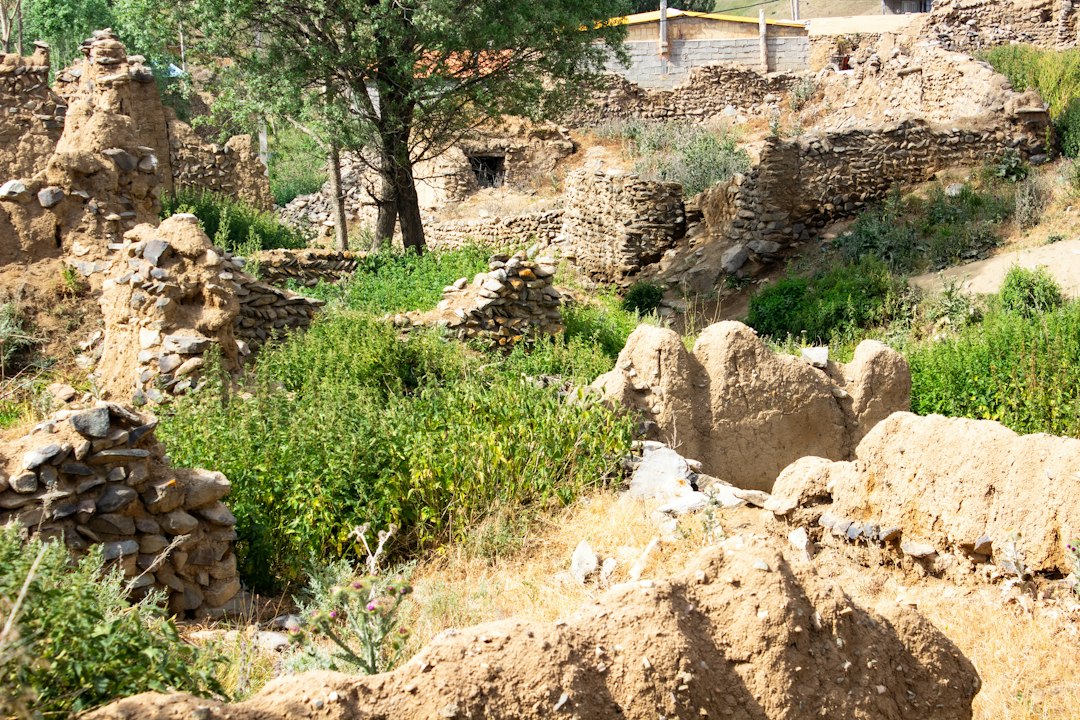
The whisper of wind through ancient stones, the glint of pottery shards unearthed from sun-baked earth, the silent testament of a forgotten people – these are the subtle invitations that draw archaeologists and historians to the remote reaches of Oued Beht. For generations, this arid valley, nestled within the rugged Moroccan landscape, has held its secrets close, a silent sentinel guarding the remnants of a community that once thrived, yet remains largely unknown to the wider world. The very name “Oued Beht” conjures an aura of mystery, a testament to its enduring obscurity. It is a place where the veil between past and present feels thin, where the dust of centuries seems to hold the echoes of lives lived, of stories untold. The potential for uncovering a significant chapter in North African history lies dormant beneath its surface, awaiting the patient hand of discovery. This article seeks to delve into the ongoing efforts to unveil the secrets of Oued Beht, exploring its geographical context, the preliminary findings that hint at a rich past, the methodologies employed in its excavation, and the profound implications of understanding this ancient, unknown community.
The ancient community of Oued Beht, with its rich historical significance, has often been overshadowed by contemporary issues in the region. A related article that sheds light on the urgent humanitarian needs in the broader area is titled “Yemen Crisis: The Urgent Need for International Aid.” This piece discusses the ongoing challenges faced by communities in Yemen, highlighting the importance of international support in preserving cultural heritage and addressing the needs of vulnerable populations. For more insights, you can read the article here: Yemen Crisis: The Urgent Need for International Aid.
The Geographical Canvas: Oued Beht’s Strategic Isolation
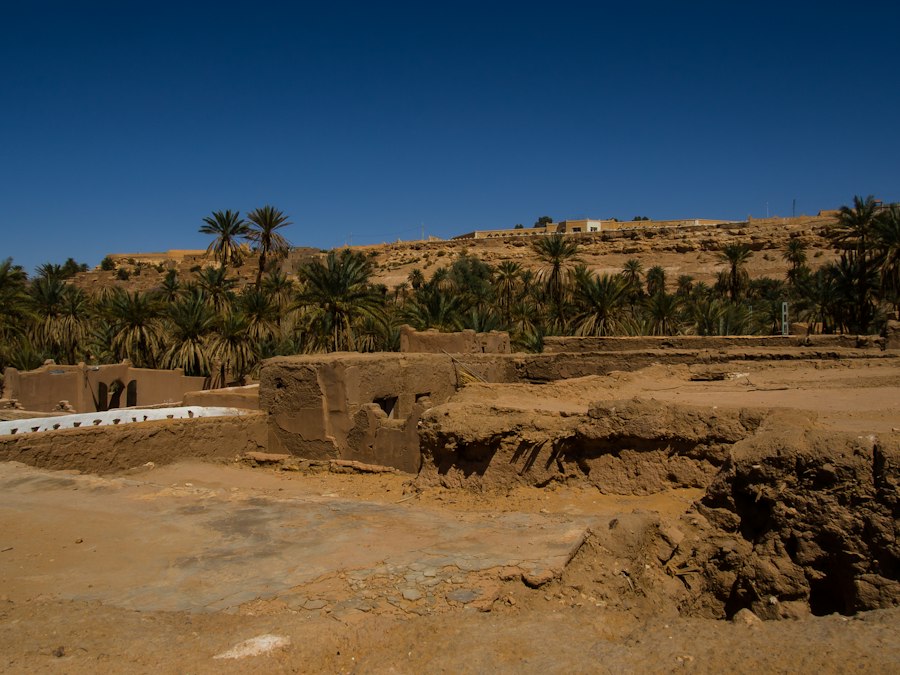
The allure of Oued Beht is inextricably linked to its geography. The valley itself, carved by the ephemeral flow of water that gives it its name, presents a starkly beautiful yet challenging environment. Its remoteness has, paradoxically, been both its protector and its impediment to extensive study. Situated in a region characterized by arid plains and dramatic geological formations, access to Oued Beht is not straightforward. This geographical isolation has meant that the site has escaped the rampant looting and destruction that has plagued many other archaeological locations, preserving a remarkable degree of its original integrity. However, this same remoteness poses significant logistical hurdles for researchers, requiring careful planning, resource management, and a deep understanding of the local terrain. The valley’s topography, with its elevated plateaus and sheltered depressions, likely offered a degree of protection and provided varied microclimates suitable for settlement. The presence of ancient watercourses, even if intermittent, would have been a crucial factor for sustaining life, dictating the patterns of human habitation and agricultural practices. Understanding these geographical elements is not merely an academic exercise; it is fundamental to interpreting the socio-economic and cultural dynamics of the people who chose to make Oued Beht their home.
Waterways and Arable Land: The Lifeblood of an Ancient Settlement
The Oued Beht, a seasonal riverbed, would have been the primary source of water, a precious commodity in this arid zone. Its fluctuations, dictated by infrequent but often intense rainfall, would have shaped the agricultural calendar and the settlement patterns. Evidence of ancient irrigation systems, even rudimentary ones, would indicate a sophisticated understanding of water management. The presence of fertile alluvial deposits along the riverbanks would have provided the most promising areas for cultivation, allowing for the growth of crops such as barley, wheat, and perhaps even olives or dates, depending on the specific climate and soil conditions of the time. The distribution of these fertile zones would likely have influenced the placement of dwellings and community centers, forming the core of the settlement.
Defensible Positions and Natural Resources: Shaping Habitation Choices
Beyond water, the landscape itself would have offered choices for settlement. Elevated areas, promontories, and sheltered valleys could have provided natural defenses against potential threats, be they human or animal. The strategic advantages of a particular location would have been weighed against its proximity to vital resources. Furthermore, the surrounding hills and mountains might have offered access to building materials such as stone and clay, as well as potential sources of flint for toolmaking and fuel for fires. The careful selection of these sites suggests a community that possessed a keen awareness of its environment and the ability to exploit its resources effectively for survival and prosperity.
Preliminary Discoveries: Glimmers of a Lost Society
While still in the nascent stages of exploration, the initial archaeological surveys and limited excavations at Oued Beht have already yielded tantalizing clues about its former inhabitants. These findings, though fragmented, paint a picture of a complex and organized society with unique cultural practices. The artifacts recovered speak to daily life, to spiritual beliefs, and to connections with the wider world, hinting at a history far richer than its current obscurity suggests. Each shard of pottery, each carefully chipped stone tool, is a piece of a larger puzzle, urging further investigation to reconstruct the narrative of this lost community.
Pottery Fragments: Stories Etched in Clay
The most abundant artifacts unearthed thus far are fragments of pottery. These are not merely utilitarian vessels; they are canvases upon which the artistry and cultural identity of Oued Beht’s people are imprinted. The style of decoration, the tempering materials used, and the firing techniques can all provide valuable insights into the technological capabilities of the community and their aesthetic sensibilities. Variations in design and form across different excavation areas might suggest distinct social strata, specialized craftspeople, or even regional variations within the settlement. Analysis of these pottery shards can also help to date the site and establish chronological sequences, allowing archaeologists to trace the evolution of the community over time.
Lithic Assemblages: The Tools of Survival and Innovation
The discovery of stone tools, or lithic assemblages, further illuminates the daily lives and technological prowess of the people of Oued Beht. These tools, fashioned from local stone such as flint, quartzite, and obsidian, would have been essential for a wide range of activities, from hunting and food preparation to crafting and construction. The types of tools found – scrapers, points, awls, grinding stones – indicate the economic activities that sustained the community, such as hunting game, processing plant resources, and perhaps even rudimentary agriculture. The sophistication of their toolmaking, the selection of raw materials, and the evidence of heat treatment or pressure flaking can reveal their level of technological development and their understanding of material properties. Moreover, the presence of exotic lithic materials could indicate trade networks and interaction with distant communities.
The ancient community of Oued Beht has long intrigued historians and archaeologists due to its rich cultural heritage and mysterious past. Recent studies have shed light on the social structures and daily lives of its inhabitants, revealing connections to other historical events in the region. For those interested in exploring the complexities of historical communities and their influences, a fascinating article titled “Unraveling the Civil War: A Deep Analysis” provides insights into how such events shape societies over time. You can read more about it here.
Architectural Footprints: Traces of Homes and Communal Spaces
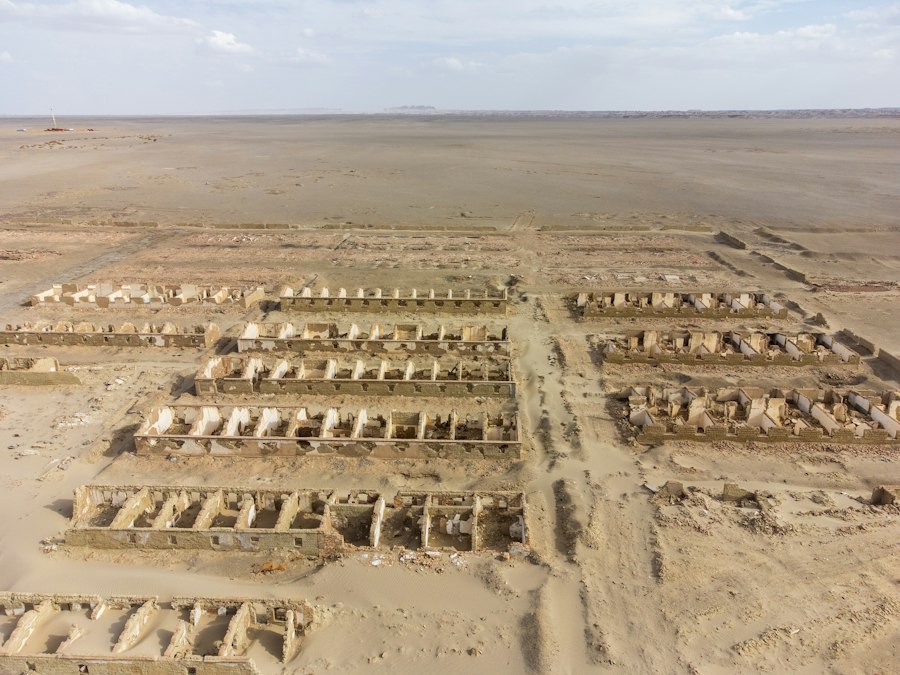
While much of the architecture has succumbed to the ravages of time, the surviving foundations and structural remnants offer a glimpse into the organization of their living spaces. The layout

They Found a 4,000-Year-Old Defense Line in Morocco
FAQs
What is Oued Beht?
Oued Beht is an ancient community located in a remote region that has recently been discovered by archaeologists.
Why was the Oued Beht community unknown until now?
The Oued Beht community was unknown until now due to its isolated location and lack of previous archaeological exploration in the area.
What have archaeologists found at the Oued Beht site?
Archaeologists have found well-preserved structures, artifacts, and evidence of ancient daily life at the Oued Beht site.
What time period does the Oued Beht community date back to?
The Oued Beht community is believed to date back to a specific time period, possibly shedding light on the history of the region.
What significance does the discovery of the Oued Beht community hold?
The discovery of the Oued Beht community holds significant importance in understanding the ancient civilizations that once thrived in the region and their way of life.