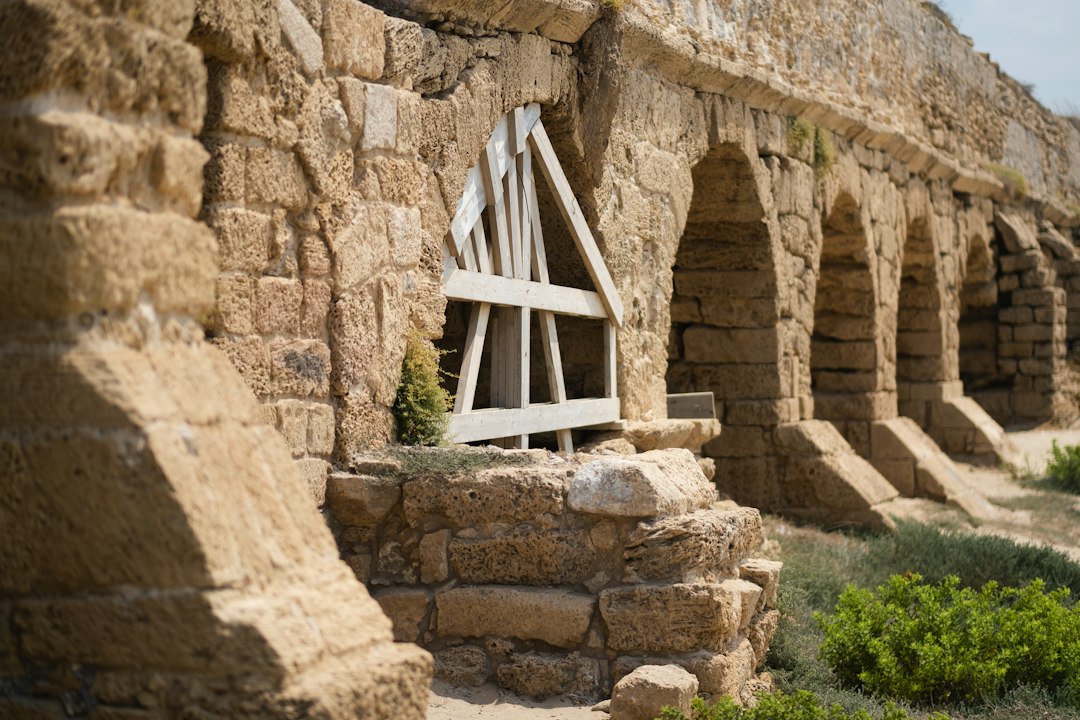
The ancient settlement of Oued Beht, nestled within the arid landscapes of Morocco, offers a compelling window into the ingenuity and resourcefulness of its past inhabitants. Beyond the whispers of forgotten trade routes and the echoes of lost rituals, the very fabric of its existence lies in the materials chosen for its construction. These enduring structures, weathered by millennia of sun and wind, speak a silent language of human adaptation, environmental understanding, and a deep connection to the earth. This article delves into the historical insight provided by the ancient building materials of Oued Beht, exploring their origins, properties, and the remarkable techniques employed in their use. By examining the stones, soils, and organic elements that formed the foundations of this once-thriving community, we can gain a profound appreciation for the architectural heritage that continues to shape our understanding of ancient North African societies.
The Foundations of Survival: Earth as Architect
The most ubiquitous and arguably the most significant building material employed in ancient Oued Beht was earth. This readily available resource, shaped and hardened by human intervention, formed the backbone of domestic dwellings, defensive structures, and communal spaces. The remarkable durability of these earthen constructions, even after centuries of exposure to the harsh desert climate, is a testament to the sophisticated understanding of soil mechanics possessed by the ancient builders.
Adobe: The Sun-Dried Brick of Antiquity
The predominant form of earthen construction at Oued Beht was the adobe brick. This simple yet effective building unit was crafted from a mixture of clay-rich soil, water, and a binding agent, typically straw or other organic fibers. The process involved carefully selecting suitable soil, often from riverbeds or alluvial plains, ensuring a balanced proportion of clay for cohesion and sand for stability. The soil was then thoroughly mixed with water to create a workable paste, and the chopped straw was incorporated to prevent cracking as the bricks dried. This mixture was molded into rectangular forms, usually by hand or using simple wooden molds, and then left to dry in the sun for several days. The resulting bricks were surprisingly strong and provided excellent thermal insulation, keeping interiors cool during the scorching summers and relatively warm during the colder desert nights. The construction process involved stacking these sun-dried bricks, often without mortar, relying on the interlocking nature of the bricks and the weight of the overlying structure for stability. In some instances, a thin slurry of mud was used as a primitive mortar to fill any gaps and improve structural integrity. The ubiquity of adobe at Oued Beht underscores its critical role in providing shelter and security for its inhabitants, adapting ancient building techniques to the specific environmental conditions of the region.
Rammed Earth: A Solid and Resilient Choice
Beyond adobe bricks, evidence suggests the use of rammed earth techniques in some of the more substantial structures at Oued Beht. This method involves compacting layers of moist soil, often mixed with gravel or small stones, within temporary formwork. The formwork, typically made of wood or reed mats, would be filled with successive layers of earth, each layer being thoroughly compacted by tamping with heavy tools. This process creates thick, solid walls that are exceptionally strong and resistant to seismic activity. Rammed earth walls possess excellent thermal mass, absorbing heat during the day and releasing it slowly at night, contributing to stable indoor temperatures. The natural variations in the soil composition could also create aesthetically pleasing textures and colors within the walls, adding a unique visual character to the structures. While less common than adobe, the presence of rammed earth indicates a diversification of construction methods, likely employed for more important buildings such as defensive ramparts or granaries where enhanced strength and durability were paramount. The careful selection of soil for rammed earth was crucial, as too much clay could lead to cracking, while insufficient clay would result in a weak, easily eroded wall.
Plaster and Whitewash: Protection and Aesthetics
Once the earthen walls were erected, they were often finished with a protective layer of plaster. This plaster was typically made from a mixture of lime, sand, and water. Lime, derived from burning limestone, acted as a binder and provided a more durable and water-resistant surface than bare earth. The application of lime plaster not only protected the adobe or rammed earth from erosion caused by wind and occasional rainfall but also offered a smooth, even surface for further decoration. Whitewashing, using a dilute lime mixture, was a common practice. This not only provided a bright, clean aesthetic but also had practical benefits. The white surface reflected solar radiation, further contributing to keeping interiors cool, and lime possesses mild antibacterial properties, which could have helped to maintain hygiene within the dwellings. The decorative potential of plaster should not be overlooked either. Traces of pigments have been found on some plastered surfaces, suggesting that ancient Oued Beht might have adorned its buildings with colored patterns, adding a vibrant dimension to the otherwise monochromatic landscape.
The study of ancient building materials in Oued Beht offers fascinating insights into the construction techniques and cultural practices of past civilizations. For a broader understanding of how historical preservation intersects with modern legal frameworks, you may find the article on the role of eminent domain in protecting national security particularly enlightening. It discusses the implications of land use and preservation efforts, which can be relevant when considering the protection of archaeological sites like those in Oued Beht. You can read more about this topic in the article here: Protecting National Security: The Role of Eminent Domain.
The Enduring Strength of Stone: Hewn from the Earth
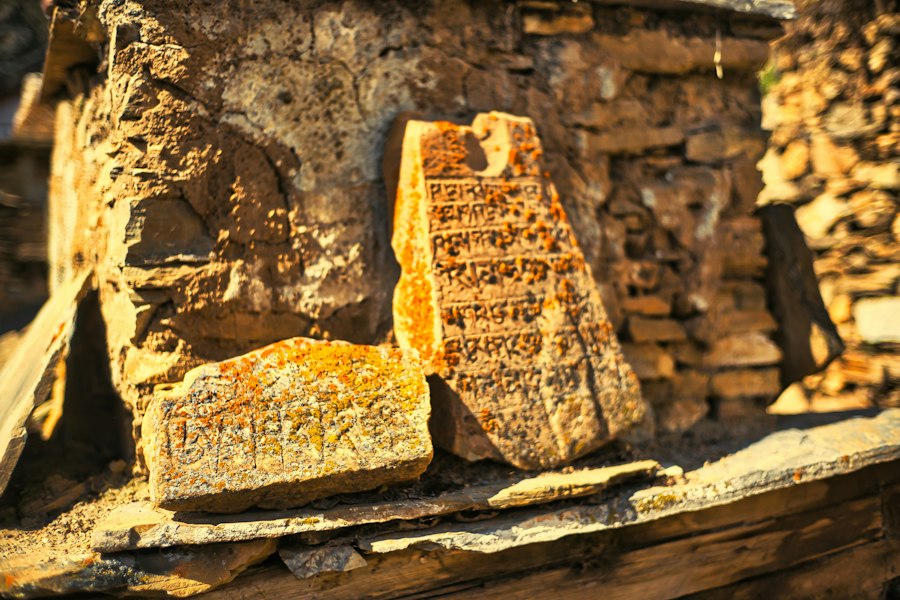
While earth dominated the domestic architecture of Oued Beht, stone played a crucial role in its more monumental and defensive constructions. The selection and manipulation of local stone resources demonstrate a pragmatic approach to building, utilizing the inherent strengths of different rock types for specific purposes. The quarrying and shaping of these stones, often with rudimentary tools, represent a significant feat of labor and engineering.
Local Quarries: Tapping into the Bedrock
The builders of Oued Beht undoubtedly relied on readily accessible stone deposits in the immediate vicinity of the settlement. The geological makeup of the region would have dictated the types of stone available. Limestone, sandstone, and possibly basalt or granite, depending on the specific location of Oued Beht within the broader Moroccan landscape, would have been the primary sources. The identification and exploitation of these local quarries were essential for efficient construction. The process of extraction would have involved identifying natural fissures and weaknesses in the rock and then using levers, wedges, and possibly hammers made of harder stone or bone to break off manageable blocks. The scale of the settlements and their defensive features suggest that substantial quarrying operations were undertaken, implying a well-organized labor force. The transport of these heavy stone blocks from the quarry to the construction site would have presented a significant logistical challenge, likely involving the use of sledges, rollers, and a considerable amount of manpower, possibly assisted by draft animals.
The ancient building materials used in Oued Beht offer fascinating insights into the architectural practices of past civilizations. Researchers have studied these materials to understand their composition and durability, shedding light on the techniques employed by ancient builders. For those interested in exploring how historical structures can inform modern practices, a related article discusses the implications of historical materials in contemporary architecture and can be found here. This connection between the past and present highlights the importance of preserving our architectural heritage while adapting to new challenges.
Dry Stone Masonry: A Testament to Precision
A hallmark of stone construction at Oued Beht is the prevalence of dry stone masonry. This technique involves fitting stones together without the use of mortar. The success of dry stone construction relies on the careful selection, shaping, and placement of each stone to create a stable and interlocking structure. The builders would have sought stones with irregular shapes, which, when carefully fitted, would create a tight bond. Large, flat stones were often used as foundation elements, providing a stable base for the walls. Smaller stones were then used to fill the gaps, creating a dense and resilient structure. This method requires a high degree of skill and precision, as even minor inaccuracies could compromise the stability of the wall. The sheer volume of material that had to be moved and meticulously placed without modern lifting equipment or binding agents speaks volumes about the dedication and expertise of the ancient masons. The enduring nature of these dry stone walls, many of which still stand today, is a powerful testament to their mastery of this ancient technique.
Hewn Stones for Fortifications and Key Structures
While dry stone was common for many purposes, more important structures, particularly defensive walls and possibly public buildings, may have featured hewn stones. This involved a more deliberate shaping of the stone blocks, often into more regular rectangular or square forms. This would have been achieved through a process of pounding, grinding, and chipping with harder tools. Hewn stones provide a more uniform surface, allowing for tighter joints and a more visually imposing and structurally sound building. The use of hewn stones suggests a higher level of investment in these particular structures, indicating their strategic or symbolic importance within the community. The faces of these hewn stones might have been dressed smooth, creating a more refined aesthetic, or left with a rougher finish depending on the intended purpose and the available tools. The effort involved in quarrying, transporting, and shaping these stones highlights their value and the importance placed upon them by the inhabitants of ancient Oued Beht.
The Humble Yet Indispensable: Wood and Other Organic Materials
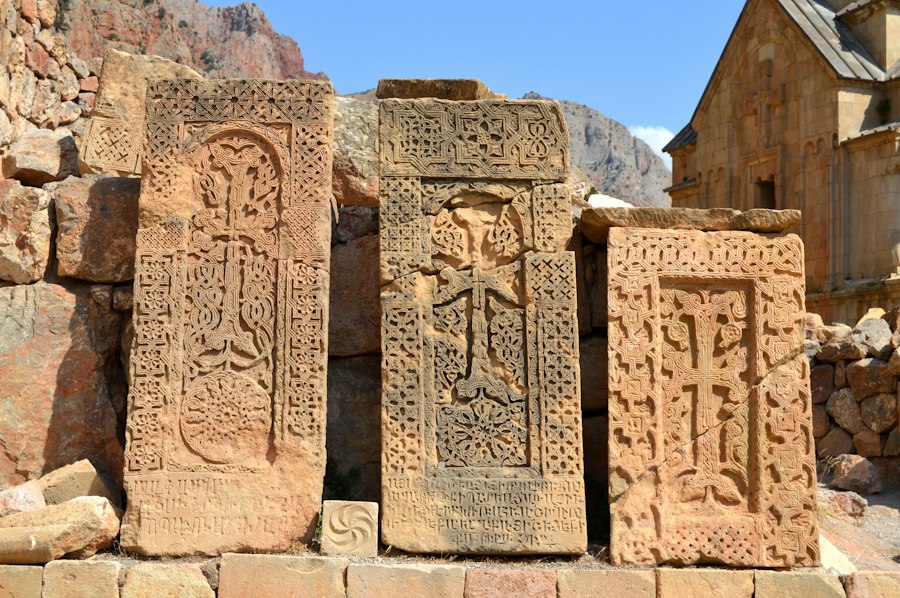
While stone and earth formed the primary structural components of ancient Oued Beht, wood
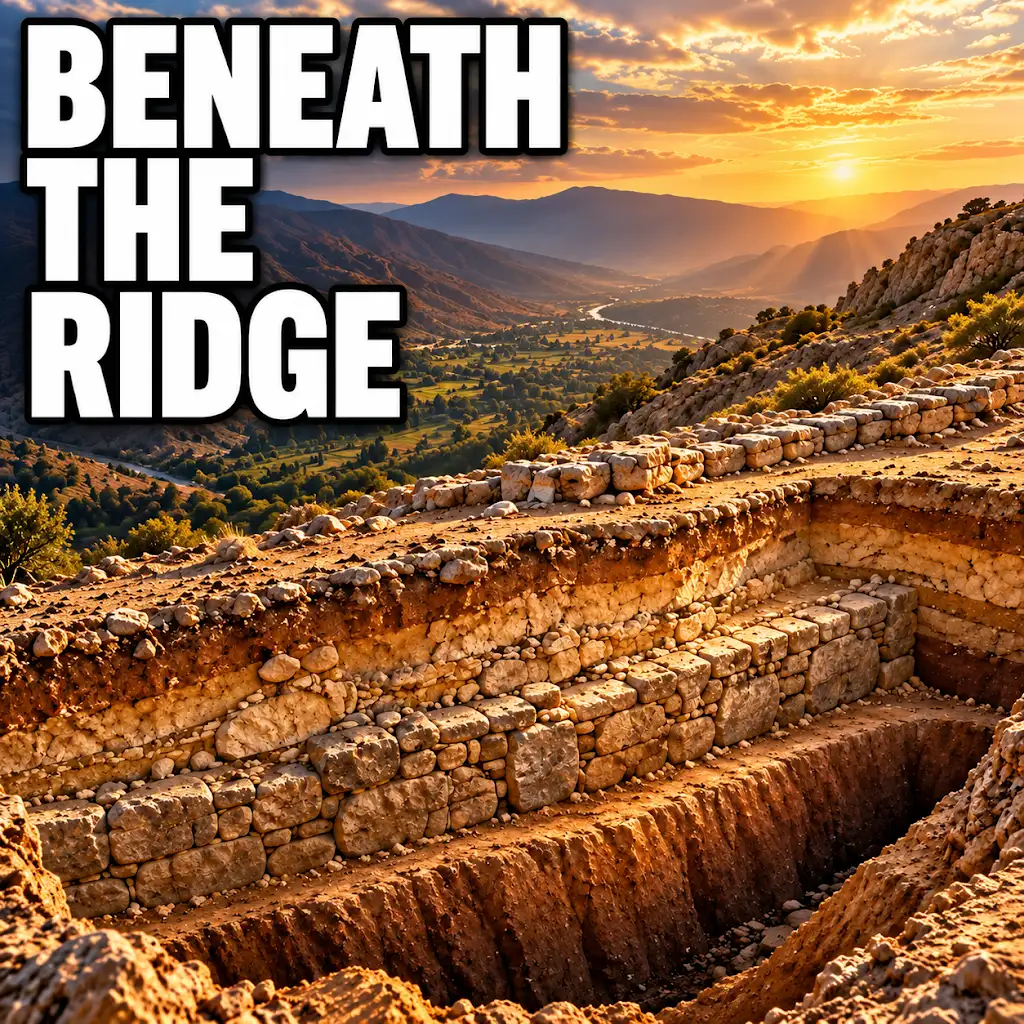
They Found a 4,000-Year-Old Defense Line in Morocco
FAQs
What types of ancient building materials were used in Oued Beht?
Ancient building materials used in Oued Beht include mud bricks, stone, and wood.
How were mud bricks made in Oued Beht?
Mud bricks in Oued Beht were made by mixing mud with straw or other fibers, shaping the mixture into bricks, and then drying them in the sun.
Were there any unique architectural features in the buildings of Oued Beht?
Yes, the buildings in Oued Beht featured unique architectural elements such as decorative carvings on stone blocks and intricate wooden carvings.
What was the significance of stone in the construction of buildings in Oued Beht?
Stone was significant in Oued Beht as it provided durability and stability to the structures, especially in the foundations and walls of important buildings.
How did the ancient people of Oued Beht source their building materials?
The ancient people of Oued Beht sourced their building materials locally, utilizing resources such as nearby quarries for stone and forests for wood.