Morocco’s Enduring Fortifications: A Legacy of Strategic Defense
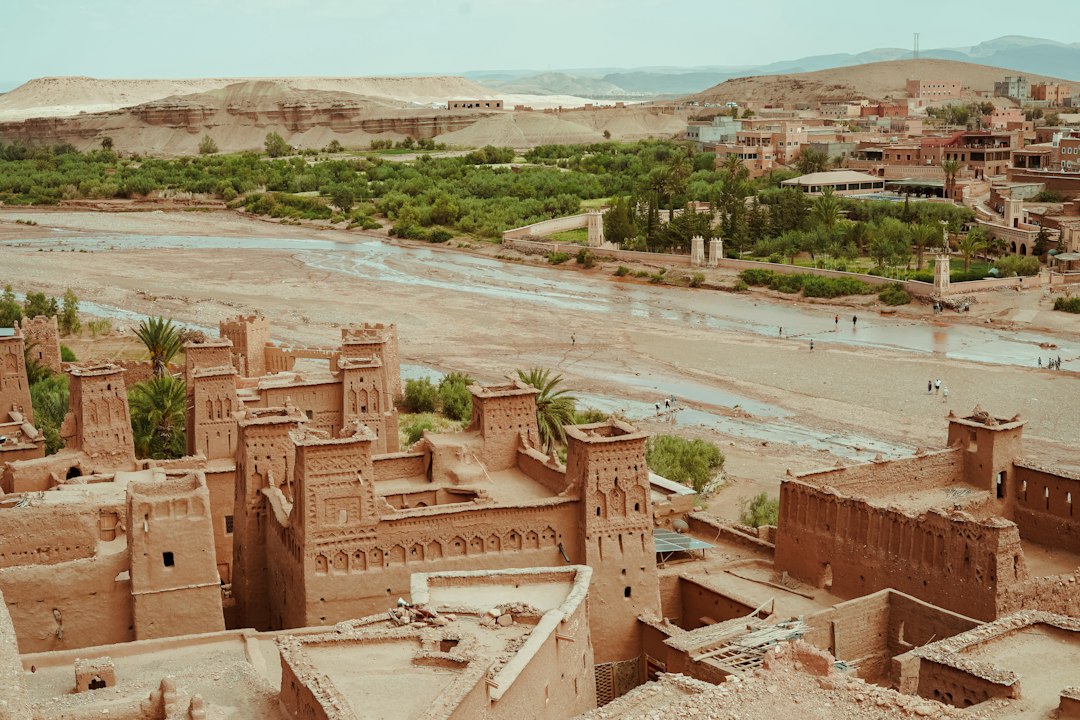
Morocco, a land where ancient empires and vibrant cultures converge, possesses a rich and often overlooked history of military defense. For centuries, its diverse geography – from the rugged Atlas Mountains to the expansive coastal plains and arid desert fringes – has dictated and shaped its defensive strategies. These strategies were not merely about building walls; they were sophisticated theories of warfare, deeply intertwined with understanding the land, its people, and the evolving threats from both within and beyond its borders. The remnants of these ancient defense theories are etched into the very landscape, visible in the imposing kasbahs, fortified cities, and strategic outposts that still dot the Moroccan terrain. Understanding these historical approaches offers valuable insights into the resilience and ingenuity of Moroccan civilization and its ability to adapt to centuries of conflict and change.
The ancient war defense strategies of Morocco have long intrigued historians and archaeologists, shedding light on the sophisticated military tactics employed by early civilizations in the region. For a deeper exploration of similar themes, you can read about the evidence of ancient advanced civilizations in this related article: Uncovering Evidence of Ancient Advanced Civilizations. This piece delves into the intricate systems of defense and warfare that were utilized by various cultures, providing a broader context for understanding Morocco’s historical significance in military innovation.
The Kasbah: Bastion of Tribal Power and Rural Security
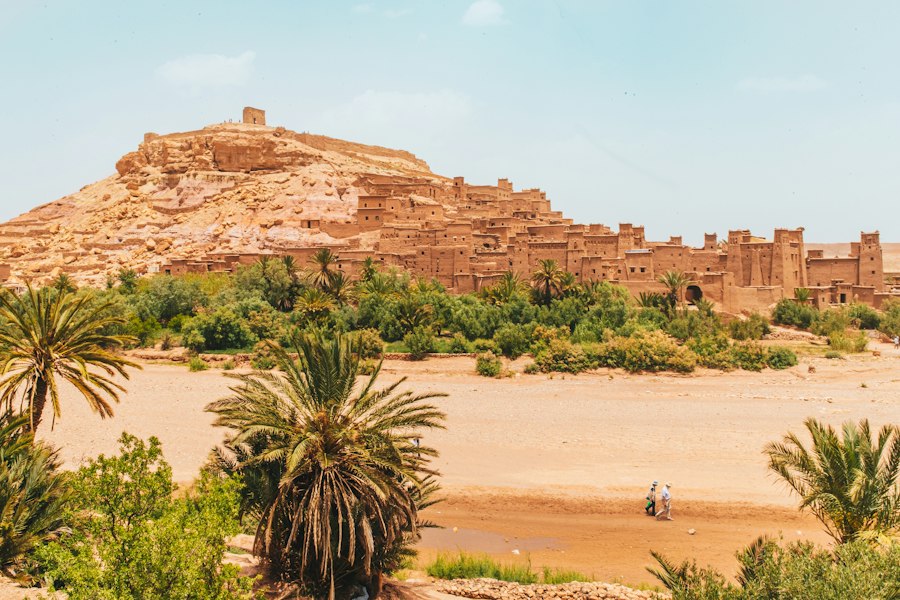
The kasbah, a quintessential Moroccan architectural form, stands as a powerful testament to ancient defense theory. More than just a fortified house, the kasbah was a self-sufficient micro-society, designed to withstand sieges and protect its inhabitants and resources. These structures, often built from adobe or rammed earth, blended seamlessly with their natural surroundings, offering both camouflage and a defensive advantage. Their construction was a direct response to the need for localized defense in a land where centralized authority could be fragmented, and tribal rivalries were common. The kasbah embodied a decentralized approach to security, empowering local communities to defend themselves.
Design Principles of the Moroccan Kasbah
The design of a kasbah was far from accidental; it was a meticulously crafted system of fortifications honed over generations. Key features included thick, high walls, often several meters in thickness, providing excellent protection against rudimentary siege weaponry. Towers, strategically placed at corners and along walls, offered commanding views of the surrounding terrain and provided elevated firing positions for defenders. Crenellations and machicolations, though sometimes more decorative in later periods, originally served practical defensive purposes, allowing defenders to rain projectiles down upon attackers without exposing themselves. The entrance was a critical choke point, typically narrow and heavily guarded, often featuring multiple gates or a winding approach designed to disorient and trap assailants.
The Kasbah as a Self-Sustaining Stronghold
Beyond its external defenses, the kasbah was designed to endure prolonged sieges. Within its walls, a community could find refuge, sustenance, and protection. Water sources, such as wells or cisterns, were essential for survival. Storage areas for grain, dates, and other foodstuffs ensured that the inhabitants could withstand periods of isolation. The layout often included living quarters, workshops, and even animal enclosures, creating a micro-environment capable of supporting a population for extended durations. This self-sufficiency was crucial in an era where relief from distant rulers might be slow or nonexistent, making the kasbah a miniature fortress-state, capable of holding out for months, if not years.
Strategic Placement and Environmental Integration
The location of a kasbah was as vital as its construction. They were frequently situated on hilltops, rocky outcrops, or natural defensible positions, offering a natural advantage against attackers. The use of local materials, like earth and stone, not only reduced construction costs but also helped the kasbah blend into the landscape, making it harder to spot from a distance and offering a degree of camouflage. This integration with the environment was a fundamental aspect of Moroccan defense strategy, leveraging the natural terrain to the fullest extent possible, a principle that would resonate throughout its military history.
Fortified Cities: Pillars of Trade and Centers of Power
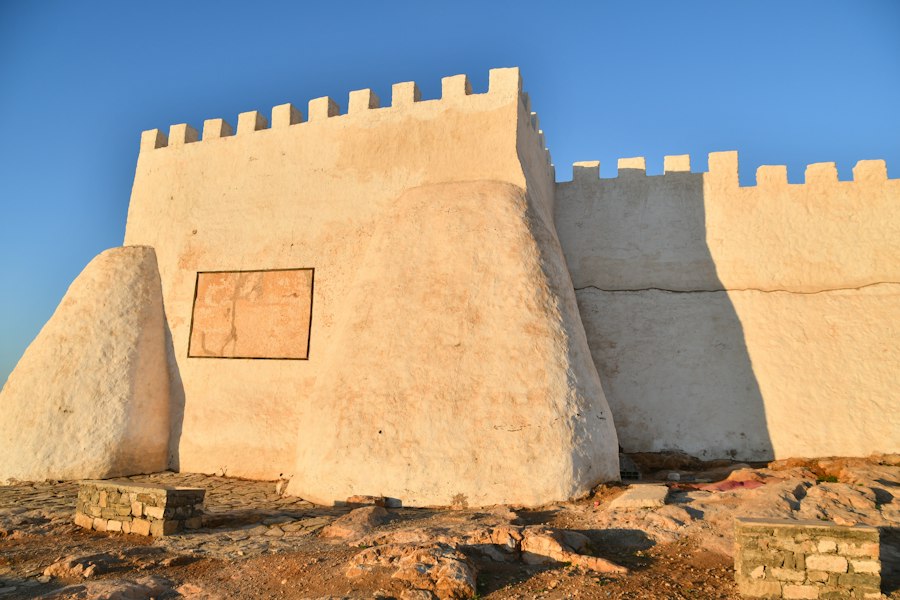
Morocco’s ancient cities, like Fes, Marrakech, and Rabat, were not just bustling centers of commerce and culture; they were formidable fortresses. Their defensive walls, often several kilometers long and reinforced with numerous towers and gates, were the first line of defense against invading armies. These cities represented a more centralized approach to defense, safeguarding not only their inhabitants but also vital trade routes and the political and economic heart of the region. The construction and maintenance of these massive fortifications required significant resources and a sophisticated understanding of engineering and logistics, reflecting the power and organization of the states that built and defended them.
The Evolution of Urban Defenses
The defensive walls of Moroccan cities evolved over centuries, adapting to new siege technologies and changing political landscapes. Early fortifications might have been simpler earth ramparts, but as threats became more sophisticated, so did the defenses. Massive stone walls, some reaching heights of 10 to 15 meters and widths of several meters, became the norm. Towers were strategically placed at regular intervals, providing flanking fire and observation points. Gates, the most vulnerable points, were heavily fortified with multiple layers of defense, including barbicans, portcullises, and murder holes, designed to funnel attackers into kill zones.
Morocco’s ancient war defense theory has long fascinated historians and military strategists alike, as it offers insights into the country’s unique approach to safeguarding its territory. A related article that delves into the complexities of state stability and the potential threats of collapse can be found here: the threat of state collapse. This piece provides a broader context for understanding how historical defense strategies may influence modern governance and security in regions like Morocco.
The Medina as a Defensive Labyrinth
Within the formidable outer walls, the labyrinthine nature of the medina itself served as a secondary defensive mechanism. Narrow, winding alleyways made it difficult for invading armies to maneuver, especially with cavalry. Dead ends and hidden courtyards could be used to ambush attackers, while the dense urban fabric provided ample cover for defenders. The interconnectedness of buildings and rooftops allowed defenders to move and fight within the city, creating a complex and challenging environment for any invading force. This organic, maze

They Found a 4,000-Year-Old Defense Line in Morocco
FAQs
What is the ancient war defense theory in Morocco?
The ancient war defense theory in Morocco refers to the strategic military tactics and methods used by ancient Moroccan civilizations to protect their territories from invasions and attacks.
Which historical events influenced the development of Morocco’s ancient war defense theory?
The development of Morocco’s ancient war defense theory was influenced by various historical events such as invasions by foreign powers, conflicts with neighboring civilizations, and the need to protect valuable resources and trade routes.
What were some key components of Morocco’s ancient war defense theory?
Some key components of Morocco’s ancient war defense theory included fortifications such as walls, towers, and citadels, strategic positioning of military outposts, use of natural barriers like mountains and rivers, and the training of skilled warriors and commanders.
How did Morocco’s ancient war defense theory impact the country’s military strategies?
Morocco’s ancient war defense theory had a significant impact on the country’s military strategies by shaping the way battles were fought, influencing the design of fortifications and defensive structures, and emphasizing the importance of intelligence gathering and reconnaissance.
Is Morocco’s ancient war defense theory still relevant in modern times?
While some aspects of Morocco’s ancient war defense theory may no longer be applicable in modern warfare, the principles of strategic planning, defensive positioning, and resource management are still relevant and can provide valuable insights for contemporary military strategists.