
French Canadian migration, particularly from Quebec, isn’t a single, static event but a dynamic and evolving phenomenon. Understanding its trends involves looking at who is moving, where they are going, and why, and importantly, how this movement reshapes both the migrants themselves and the communities they join. It’s a story of cultural adaptation, economic drivers, and a persistent connection to a unique heritage.
The Shifting Sands: Historical Waves of Quebecois Movement
French Canadian migration isn’t a new concept; it’s woven into the fabric of North American history. For centuries, people of French descent have moved from Quebec and its historical origins in New France, seeking opportunities, escaping hardship, or simply looking for a new start. These movements weren’t always unified or well-documented, but they’ve profoundly shaped various regions.
Early Settlement and Expansion
The earliest waves of migration were tied to the expansion of New France. As the colony grew, settlers pushed westward and southward, establishing communities that maintained their French language and culture. This was less about mass migration and more about organic spread, with families and small groups establishing new villages and farms. Think of the Acadian expulsion, though tragic and forced, as a stark example of displacement leading to new settlements, many with French roots, in areas like Louisiana. Later, following the British conquest, economic pressures and a desire to maintain cultural identity also spurred movement.
The 19th and Early 20th Century Exodus
The 19th and early 20th centuries saw significant migration from Quebec, particularly to the industrializing regions of the United States and other parts of Canada. This was largely an economic story. Quebec, at the time, was predominantly agricultural and experiencing population growth. The burgeoning factories in New England, New York, and the industrial heartlands of Ontario and the Maritimes offered jobs and better wages. Mill towns in New Hampshire and Massachusetts, for example, became home to large French Canadian communities, with families sending remittances back home and intending to return, though many stayed permanently. This period also saw the establishment of distinct “Little Canadas” in American cities, centers of community life that preserved language, religion, and customs.
Post-War Fluctuations and New Destinations
After World War II, migration patterns began to shift again. While some economic migration continued, other factors came into play. The Quiet Revolution in Quebec, a period of rapid social and secularization changes, brought new cultural and political dynamics. For some, it meant staying and participating in the transformed society; for others, it might have contributed to a decision to leave, either for linguistic or political reasons, or simply seeking different opportunities. During this era, destinations broadened. While the traditional American mill towns remained important, there was also increased movement within Canada, particularly to Western provinces experiencing resource booms.
The migration of French Canadians to Quebec has played a significant role in shaping the cultural landscape of the region. For those interested in exploring the historical context of migration and its impact on communities, a related article discusses fascinating archaeological discoveries that shed light on ancient civilizations. You can read more about these findings in the article titled “Archaeologists Uncover Sealed Chamber in Ancient City” available at this link.
Modern Migration: Who is Moving and Why?
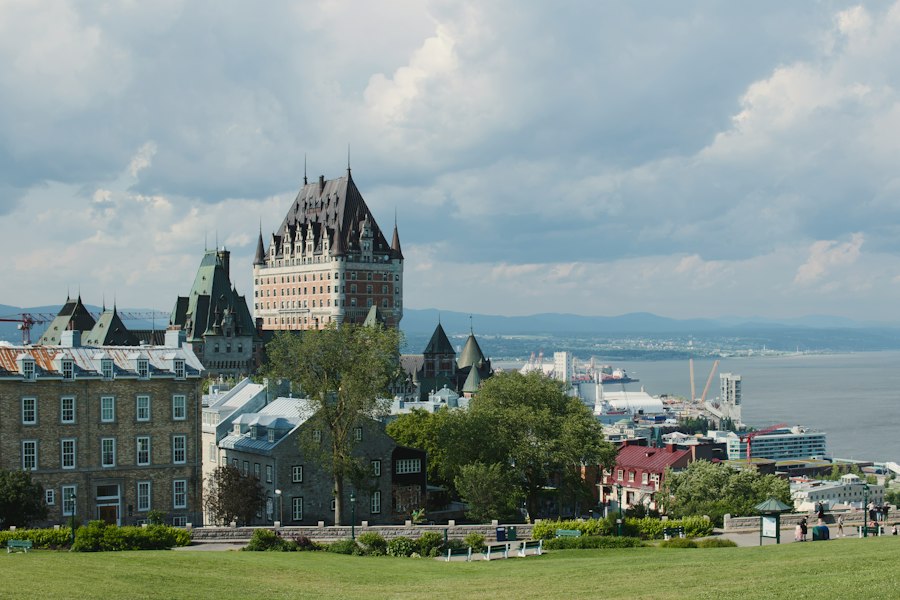
Today, the reasons for Quebecers moving are more diverse and nuanced than in past centuries. While economic factors remain crucial, they are often intertwined with personal aspirations, career advancements, and even a desire for a particular lifestyle.
Economic Drivers in the 21st Century
The economic landscape has changed dramatically. While Quebec has a strong economy, specific sectors or regions might offer better prospects elsewhere. For instance, a young professional in a specialized field might find more opportunities in Toronto’s financial district or Vancouver’s tech scene. Conversely, skilled tradespeople might follow resource development projects in Alberta or Newfoundland and Labrador. This isn’t always a mass exodus; it can be highly targeted, with individuals or families making calculated moves for career progression.
Lifestyle and Personal Aspirations
Beyond just jobs, many Quebecers are motivated by lifestyle choices. Some seek warmer climates, leading to a noticeable seasonal or permanent migration to Florida or other southern U.S. states, often in retirement but increasingly among younger individuals and families looking for a different pace of life. Others might be drawn to the natural beauty and outdoor recreational opportunities of Western Canada or the Maritimes. The desire for a different cost of living, a specific type of community, or even simply a change of scenery plays a significant role.
The Bilingual Advantage and Beyond
For many, being bilingual in French and English offers a distinct advantage. Quebecers are often highly sought after in roles requiring fluency in both official languages, particularly in federal government positions or national corporations with operations across Canada. This can be a powerful incentive to move to Ottawa, Toronto, or even Western Canada, where bilingual skills are a valuable asset. This also extends to international moves; Quebecers with English proficiency are well-positioned for opportunities in English-speaking countries.
Destinations: Where Quebecers Are Finding New Homes

Quebecois migration has historically spread across North America, but modern trends show a focus on certain regions, both within Canada and abroad. These destinations are often chosen for specific economic, social, or lifestyle reasons.
Within Canada: Coast to Coast
Canada itself remains a primary destination for Quebecois migrants. The sheer size and diversity of the country offer a range of opportunities.
Ontario: The Economic Hub
Ontario, particularly Toronto and its surrounding areas, has always been a major draw. Its status as Canada’s economic engine means abundant job opportunities across various sectors, from finance and technology to healthcare and education. For many French Canadians, moving to Ontario allows them to maintain their connection to Canada while accessing a larger job market. While English is dominant, there are still French-speaking communities and services in some areas, offering a degree of cultural continuity.
Western Canada: Resource and Opportunity
Provinces like Alberta, British Columbia, and Saskatchewan have seen significant influxes of Quebecers, often driven by the resource sector (oil and gas, mining) and subsequent economic booms. Vancouver, with its growing tech industry and diverse population, also attracts many. The lifestyle opportunities, particularly for outdoor enthusiasts, are a major draw for British Columbia. While these regions are predominantly English-speaking, the economic opportunities can be substantial enough to outweigh the linguistic adjustment for many.
Atlantic Canada: A Different Pace
While less common than the traditional destinations, some Quebecers are drawn to the Atlantic provinces, seeking a slower pace of life, lower cost of living, and perhaps a closer connection to maritime culture, which can sometimes resonate with Quebec’s own historical coastal influences. This is often a lifestyle choice rather than a purely economic one, with individuals or families looking for a quieter, more community-oriented existence.
South of the Border: The Traditional and Emerging Markets
The United States has a long history of welcoming French Canadian immigrants, and these patterns, though altered, persist.
New England: Lingering Ties
The mill towns of New England, once the heartland of French Canadian settlement, still retain a noticeable Quebecois presence. While the industrial base has shifted, many families have established deep roots, and the cultural ties remain strong. Some migration continues, often for family reunification or for individuals seeking a familiar cultural environment.
Florida and the Sun Belt: The Retirement and Lifestyle Migration
Florida, in particular, has become a significant destination, especially for retirees. The warm climate, lower cost of housing compared to some parts of Quebec, and established communities of fellow Quebecers make it an attractive option. This migration is not exclusively among older demographics; younger families are also increasingly choosing Florida for its lifestyle and economic opportunities, especially in service industries.
Beyond: Global Aspirations
While less statistically significant than North American movements, some Quebecers also migrate further afield, drawn by international career opportunities or a desire for global experience. This might include moving to Europe, particularly France, or to other English-speaking countries for work or study. These are often highly specialized or career-driven moves.
Cultural Impact: A Two-Way Street
French Canadian migration has a profound and multifaceted impact on both the migrants themselves and the communities they join. It’s a process of adaptation, preservation, and mutual influence.
Maintaining and Adapting Heritage
For migrants, the primary challenge and goal is often to maintain their French Canadian heritage, including language, traditions, and cultural identity, while also integrating into their new environment. This often involves forming or joining French-speaking community groups, seeking out French-language media and cultural events, and ensuring children are educated in French, if possible. However, adaptation is inevitable. Exposure to different languages, cultures, and social norms naturally leads to changes in practices and perspectives. Many migrants find themselves becoming bilingual or even multilingual, and their understanding of their own heritage can deepen through the act of explaining it to others.
Contributions to New Communities
Quebecois migrants bring a rich cultural tapestry to their new homes. Their language, cuisine, music, and social customs contribute to the diversity and vibrancy of the communities they join. In areas with historical French Canadian populations, their arrival can help revitalize fading cultural elements. Beyond cultural contributions, they also bring skills, labor, and entrepreneurial spirit that can benefit local economies. The often strong sense of community and family values that characterize Quebecois culture can also enrich the social fabric of their new surroundings.
The Interplay of Language and Identity
Language is perhaps the most visible and significant aspect of this cultural exchange. In English-speaking environments, Quebecers often face the challenge of preserving their French language, which can be a powerful marker of identity. This can lead to the creation of French immersion schools, cultural centers, and media. Conversely, some migrants may find their French proficiency diminishing over time, particularly for younger generations growing up in predominantly English-speaking schools. The negotiation of language and identity is a continuous process, with individuals and communities finding various ways to balance these competing influences.
The migration patterns of French Canadians from Quebec have been a topic of significant interest, particularly in the context of cultural preservation and economic opportunities. A related article explores the implications of long-term human presence in new environments, which can draw parallels to how communities adapt and thrive in different regions. For more insights on this topic, you can read about it in the article on securing long-term human presence on the moon here. Understanding these dynamics can shed light on the broader themes of migration and settlement.
Challenges and Opportunities for Migrants
| Year | Number of Migrants | Primary Destination | Reason for Migration | Percentage of Total Quebec Population |
|---|---|---|---|---|
| 1950 | 15,000 | Ontario | Employment Opportunities | 1.2% |
| 1970 | 25,000 | Western Canada | Economic Diversification | 1.8% |
| 1990 | 18,000 | United States | Education and Work | 1.1% |
| 2010 | 22,000 | Ontario and Alberta | Job Market and Family | 1.3% |
| 2020 | 20,000 | Ontario | Housing and Employment | 1.0% |
Moving to a new place, even within one’s own country, is rarely without its difficulties. Quebecois migrants face a unique set of challenges and, of course, opportunities.
Navigating New Social and Economic Landscapes
The most immediate challenge is often adapting to a new social environment. This can involve understanding different social cues, making new friends, and feeling a sense of belonging. Economically, while many move for better opportunities, securing employment that matches their qualifications can still be a hurdle, especially if their credentials aren’t immediately recognized or if they face language barriers in certain professional settings. Navigating unfamiliar housing markets, healthcare systems, and educational institutions also requires effort and adjustment.
The Quest for Community and Support Networks
Building a new support network is crucial for successful integration. This often starts with finding other Quebecers or francophones in the new location. These communities can provide invaluable emotional support, practical advice, and a sense of familiar culture. For families, finding suitable schools for children, whether French immersion or otherwise, is a major concern. The availability of French-language services, from healthcare to legal assistance, can also be a significant factor in comfort and well-being.
Opportunities for Personal and Professional Growth
Despite the challenges, migration offers immense opportunities. It’s a chance to gain new perspectives, develop new skills, and expand one’s horizons. Professionally, moving can open doors to career advancements that might not be available in their home province. Personally, it fosters resilience, adaptability, and a broader understanding of different ways of life. For many, the decision to migrate is ultimately about seeking a better future for themselves and their families, and the rewards of successfully navigating this transition can be substantial. The experience of living in a different cultural and linguistic context can also lead to a deeper appreciation of one’s own roots.

Cajun or French Canadian? The DNA Looked the Same—Until Researchers Looked Closer
FAQs
1. What is the history of French Canadian migration to Quebec?
French Canadian migration to Quebec dates back to the 17th century when French settlers began colonizing the region. The migration continued over the centuries, with waves of French Canadians moving to Quebec for various reasons such as economic opportunities, religious freedom, and cultural ties.
2. What factors have influenced French Canadian migration to Quebec?
Factors that have influenced French Canadian migration to Quebec include economic opportunities, political stability, cultural ties, and the desire to preserve the French language and culture. Additionally, events such as the Quiet Revolution in the 1960s and the Quebec sovereignty movement have also played a role in shaping migration patterns.
3. How has French Canadian migration impacted the demographics of Quebec?
French Canadian migration has had a significant impact on the demographics of Quebec, with French Canadians making up the majority of the population in the province. This has contributed to Quebec’s distinct cultural identity, with French language and culture playing a central role in the province’s society.
4. What are some challenges faced by French Canadian migrants in Quebec?
French Canadian migrants in Quebec may face challenges such as language barriers, cultural differences, and discrimination. Additionally, issues related to integration, employment opportunities, and access to services may also pose challenges for French Canadian migrants settling in Quebec.
5. How has French Canadian migration shaped the cultural landscape of Quebec?
French Canadian migration has played a key role in shaping the cultural landscape of Quebec, with French language, cuisine, traditions, and values being central to the province’s identity. The presence of French Canadian migrants has enriched Quebec’s cultural diversity and contributed to the vibrant and unique cultural heritage of the province.