So, you’re wondering if you can trace your Acadian DNA? The short answer is a resounding yes! While it’s not as straightforward as finding a single “Acadian gene,” DNA testing offers some incredibly powerful tools for connecting with your Acadian heritage, helping you fill in gaps in your family tree and understand those deep ancestral roots. It’s a journey of discovery that can be both fascinating and deeply personal.
What Makes Acadian DNA Unique?
When we talk about “Acadian DNA,” it’s important to understand what that means in a genetic sense. It’s not about a specific gene that only Acadians possess. Instead, it refers to genetic patterns that are common among people with Acadian ancestry due to their history. This ancestry is characterized by a distinct migration and settlement story, a relatively small founding population, and later intermingling with other groups.
A Founding Population and Geographic Isolation
The Acadians were descendants of French settlers who arrived in Acadia (modern-day Nova Scotia, Prince Edward Island, and parts of New Brunswick) starting in the early 17th century. For a couple of centuries, their communities were relatively isolated. This isolation, combined with the fact that they descended from a limited number of founding families, meant that certain genetic markers became more prevalent in the population. Think of it like a small village where everyone eventually marries someone else from the village – certain family traits tend to stick around and become more common.
The Great Expulsion and Diaspora
The defining event in Acadian history is the “Grand Dérangement” (The Great Expulsion) starting in 1755, when British forces forcibly removed the Acadians from their homeland. This scattering across North America and even to France and the Caribbean created a diaspora. While this dispersed the Acadian population, it also created new connections and genetic mixing with the populations in the regions where they resettled. Understanding this history is crucial when interpreting DNA results, as it explains why you might see Acadian connections alongside other European or even indigenous ancestries.
Genetic Markers and Ancestral Components
DNA testing companies analyze your DNA and compare it to vast databases of genetic information. They identify segments of your DNA that are statistically more likely to have originated from certain ancestral populations. For Acadians, this often means seeing elevated percentages of French and British Isles (due to later intermingling) ancestry. More specifically, advanced analyses can sometimes pinpoint ancestral components that are more strongly associated with populations that have historical ties to regions where Acadians settled, like Quebec or even the Iberian Peninsula due to some early French settlement connections.
Exploring Acadian DNA and family trees can provide fascinating insights into ancestral heritage, particularly for those with roots in the Acadian region of Canada. For individuals interested in understanding the broader implications of heritage and identity in a modern context, a related article discusses the benefits of nearshoring for U.S. companies, which can reflect the interconnectedness of communities and economies. To learn more about this topic, you can read the article here: Maximizing Benefits of Nearshoring for U.S. Companies.
How DNA Testing Unlocks Acadian Family Trees
DNA testing is more than just numbers; it’s a powerful tool for genealogical research, especially when it comes to tracing Acadian lines. It can confirm existing research, suggest new avenues to explore, and connect you with living relatives who might hold valuable family stories or documents.
Autosomal DNA: Your Best Bet for Recent Ancestry
The most common type of DNA test for genealogy is the autosomal DNA test. This test analyzes DNA from all 23 pairs of chromosomes, giving you a snapshot of your ancestry from roughly the last 5-7 generations. For Acadian research, this is fantastic because it looks at the ancestry passed down from all your great-great-grandparents and further back.
- Identifying Common Ancestors: Autosomal DNA tests will often connect you with DNA matches – people who share a certain percentage of DNA with you. If you have Acadian ancestors, you’re likely to share DNA with other individuals who also have Acadian heritage. The closer the DNA match (meaning a higher percentage of shared DNA), the more recent your common ancestor is likely to be.
- Confirming French and British Isles Connections: You’ll probably see significant percentages for French and sometimes British Isles ancestry. This is a strong indicator of Acadian roots, but it’s important to remember that these broad categories encompass many different historical populations. The key is often where these ancestries are clustered and who else you match with.
Exploring Acadian DNA can provide fascinating insights into family trees and ancestral connections, revealing the rich history of the Acadian people. For those interested in uncovering more about unique historical narratives, a related article discusses the mysteries of Antarctica and its unknown past. This piece delves into how understanding diverse histories can enhance our knowledge of genealogy. To read more about these intriguing discoveries, check out the article here.
Y-DNA and mtDNA: Deeper, but More Specific Paths
While autosomal DNA is the most comprehensive for recent ancestry, Y-DNA and mitochondrial DNA (mtDNA) tests can offer insights into much deeper ancestral lines, though they trace only a single paternal or maternal line, respectively.
- Y-DNA: This traces the Y chromosome, which is passed down directly from father to son. If you are male, a Y-DNA test can help trace your paternal lineage back thousands of years. If you have Acadian ancestors on your direct paternal line, you might find matches with others who share very ancient paternal haplogroups associated with early French or Norman settlers who might have been among the first to arrive in Acadia.
- mtDNA: This traces your maternal lineage, passed down from mother to child. This can go back tens of thousands of years. Like Y-DNA, it can help identify ancient migratory patterns and haplogroups. While less directly tied to specific historical ethnic groups in the way autosomal DNA is for recent ancestry, it can reveal very ancient maternal lines that might have been present in the regions where Acadians eventually settled or originated from.
Navigating DNA Results for Acadian Clues
Interpreting DNA results requires a bit of a detective mindset. It’s not just about looking at the pie chart
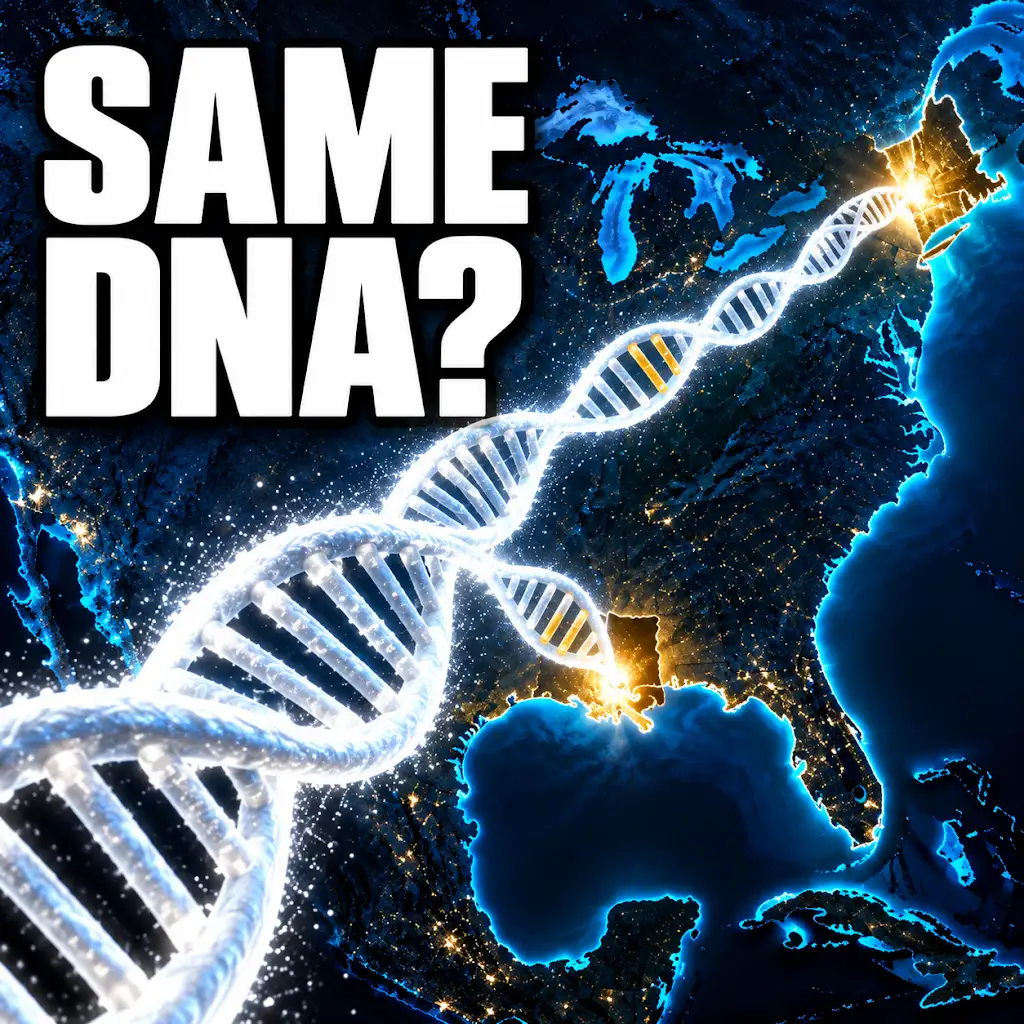
Cajun or French Canadian? The DNA Looked the Same—Until Researchers Looked Closer
FAQs
What is Acadian DNA?
Acadian DNA refers to the genetic makeup of the descendants of the Acadian people, who were French colonists that settled in the Canadian Maritime provinces in the 17th and 18th centuries.
How can DNA testing help with Acadian genealogy research?
DNA testing can help individuals trace their Acadian ancestry, connect with distant relatives, and confirm or uncover family connections that may not be found in traditional genealogical records.
What are common genetic markers found in Acadian DNA?
Common genetic markers found in Acadian DNA include markers associated with French and Indigenous North American ancestry, as well as markers that are specific to the Acadian population due to centuries of isolation and intermarriage.
Can DNA testing determine if someone is of Acadian descent?
DNA testing can provide clues and evidence to suggest Acadian ancestry, but it cannot definitively prove someone is of Acadian descent. It is important to combine DNA results with traditional genealogical research for a more comprehensive understanding of one’s heritage.
How can I use DNA results to build my Acadian family tree?
To build an Acadian family tree using DNA results, you can start by identifying genetic matches, analyzing shared DNA segments, and collaborating with other individuals who share common ancestors. Combining DNA evidence with historical records can help you construct a more accurate and detailed family tree.