
So, you’re curious about your French Canadian roots and want to know what that actually means genetically? It’s a pretty common question, and the short answer is that French Canadian ancestry is a fascinating blend, predominantly European, with significant French lineage, but also incorporating influences from other parts of Europe and, in some cases, Indigenous North American populations. It’s not a monolithic block, which is what makes it so interesting. Let’s dive into what that composition looks like in more detail.
The Core French Component
When we talk about French Canadian ancestry, the most significant piece of the puzzle is, unsurprisingly, France. This isn’t just a broad “European” category; it’s often quite specific to certain regions of France that were the primary sources of emigration to New France (the historical French colony in North America).
Geographic Origins in France
The vast majority of early French settlers came from northwestern France. Think of regions like Normandy, Brittany, Maine, Anjou, and the Île-de-France. These were agricultural and maritime regions, and the people who left were often farmers, artisans, and laborers seeking new opportunities. Later waves of immigration also included people from other provinces, but these northwestern areas represent the foundational genetic imprint. This is why you’ll often see a strong affinity with genetic markers associated with these particular French provinces.
Linguistic and Cultural Ties
Beyond the genes, there’s a deep linguistic and cultural heritage. The French language spoken in Quebec, for instance, has evolved differently from the French spoken in France, retaining some older forms and developing unique vocabulary and pronunciations. This linguistic distinctiveness is a direct echo of the historical isolation and unique development of the French Canadian community. The cultural traditions, from music and cuisine to social customs, are also a testament to this enduring French heritage, albeit one that has adapted and transformed over centuries in a new land.
For those interested in exploring the intricate details of French Canadian ancestry composition, a related article can provide valuable insights into the historical and cultural influences that shape this unique heritage. You can read more about this topic in the article found at here. This resource delves into the diverse backgrounds that contribute to the French Canadian identity, offering a comprehensive breakdown of its ancestry and the factors that have influenced its development over time.
Other European Influences: A Wider Net
While France is the primary source, it’s important to understand that “French Canadian” isn’t solely French. The story of New France, and its subsequent development, involved interactions and migrations from other European groups, sometimes directly, sometimes indirectly.
Early British and Other European Arrivals
Even during the French colonial period, there were some individuals from other European backgrounds who ended up in New France. Some might have been sailors, traders, or even soldiers who switched allegiances or simply found themselves there. After the British took control of New France in the mid-18th century, there was a further influx of British settlers. While many French Canadians maintained their distinct identity, there were instances of intermarriage and integration, introducing genes from Great Britain and Ireland.
Migration Patterns Within North America
Over time, and especially in more recent centuries, there have been significant migration patterns within North America. French Canadians have moved to other parts of Canada and the United States, and conversely, people from other European backgrounds have settled in Quebec and other French Canadian communities. This has led to a gradual blending, introducing genetic elements that might not be strictly “French” but are now part of the broader North American genetic landscape. Think of the “Canadien” identity in New England, which often reflects this historical migration and intermingling.
Indigenous Ancestry: A Significant Layer
One of the most important, and sometimes overlooked, components of French Canadian ancestry is the presence of Indigenous North American DNA. This is not a universal feature for every French Canadian individual, but it is a significant and historically documented aspect of the lineage for many.
Historical Interactions and “Métissage”
The early French colonists lived in close proximity to various Indigenous nations, including the Algonquin, Huron-Wendat, Iroquoian peoples, and others. Intermarriage, known as “métissage,” was relatively common, particularly in the early years of the colony. This was driven by various factors, including alliances, trade, and the practical need for survival and integration into the land. Indigenous women often played crucial roles in the survival of early French settlements.
Genetic Markers and Their Significance
Genetic testing often reveals Indigenous North American ancestry in individuals of French Canadian descent. The specific Indigenous groups that contributed can vary depending on the family’s historical location and social connections. These markers are a tangible reminder of the complex human interactions that shaped the very foundations of French Canadian society. It’s a vital part of the story, adding a unique layer to the genetic makeup that distinguishes French Canadians from their cousins in France.
Diversification Over Time: Modern Influences
The genetic landscape of French Canadians has continued to evolve, especially in the last century or so. Globalization and increased mobility have led to new patterns of migration and intermingling.
Immigration to Quebec and Beyond
While the foundational roots are in historical France and early North American interactions, Quebec, in particular, has been a destination for immigrants from all over the world. This means that more recent generations of Quebecers, and those who identify as French Canadian but live elsewhere, may have a wider array of European (Italian, German, Polish, etc.) and even non-European genetic contributions. These newer influences are layered on top of the older, more established ancestral components.
The “French Canadian” Identity in a Globalized World
Today, the term “French Canadian” itself can encompass a diverse range of individuals. Some may have very strong, almost unbroken lines of descent from the original settlers of New France, with a high percentage of French and Indigenous ancestry. Others may have more recent immigrant ancestors who have adopted French Canadian culture and language, or individuals with more mixed European backgrounds who have grown up in a French Canadian milieu. This ongoing diversification means that while core ancestral patterns exist, the modern genetic composition is increasingly varied.
For those interested in exploring the intricacies of French Canadian ancestry, a fascinating article provides a detailed breakdown of its composition and historical influences. This analysis sheds light on the diverse roots that contribute to the rich cultural tapestry of French Canadians. To learn more about this topic, you can read the article on ancestry composition here.
Understanding Your Own Genetic Profile
| Region | Percentage of French Canadian Ancestry | Common Surnames | Primary Language | Notable Cultural Traits |
|---|---|---|---|---|
| Quebec | 85% | Tremblay, Gagnon, Roy | French | Strong Catholic heritage, French language preservation |
| New Brunswick | 33% | LeBlanc, Cormier, Boudreau | French and English | Acadian influence, bilingual communities |
| Ontario | 10% | Charbonneau, Lavoie, Bouchard | French and English | French-speaking minority, cultural festivals |
| United States (New England) | 5% | Beaulieu, Gauthier, Pelletier | English and French | French Canadian diaspora, Catholic traditions |
If you’re looking to understand your specific French Canadian genetic makeup, genetic testing can be a powerful tool. However, it’s crucial to approach the results with nuance and context.
Interpreting Genetic Test Results
Genetic ancestry tests provide estimates based on comparing your DNA to reference populations. When you see “French Canadian” or specific percentages for French, Indigenous, or other European groups, remember these are estimations. The algorithms are constantly being refined, and different testing companies may have slightly different reference populations, leading to variations in results. It’s often more useful to look at the broad patterns and the clusters of related populations rather than fixating on exact percentages.
Combining Genetic Data with Genealogical Research
The real power comes from combining genetic findings with traditional genealogical research. If your DNA shows a strong French component, delving into your family tree might reveal ancestors from specific regions of France. If Indigenous ancestry appears, historical records or family stories might shed light on which nations your ancestors were connected to. Conversely, genealogical discoveries can help you understand why certain genetic markers might appear or be more prominent in your profile. They are complementary tools, each enriching the other’s insights. This dual approach offers a much richer and more accurate picture than either method alone.
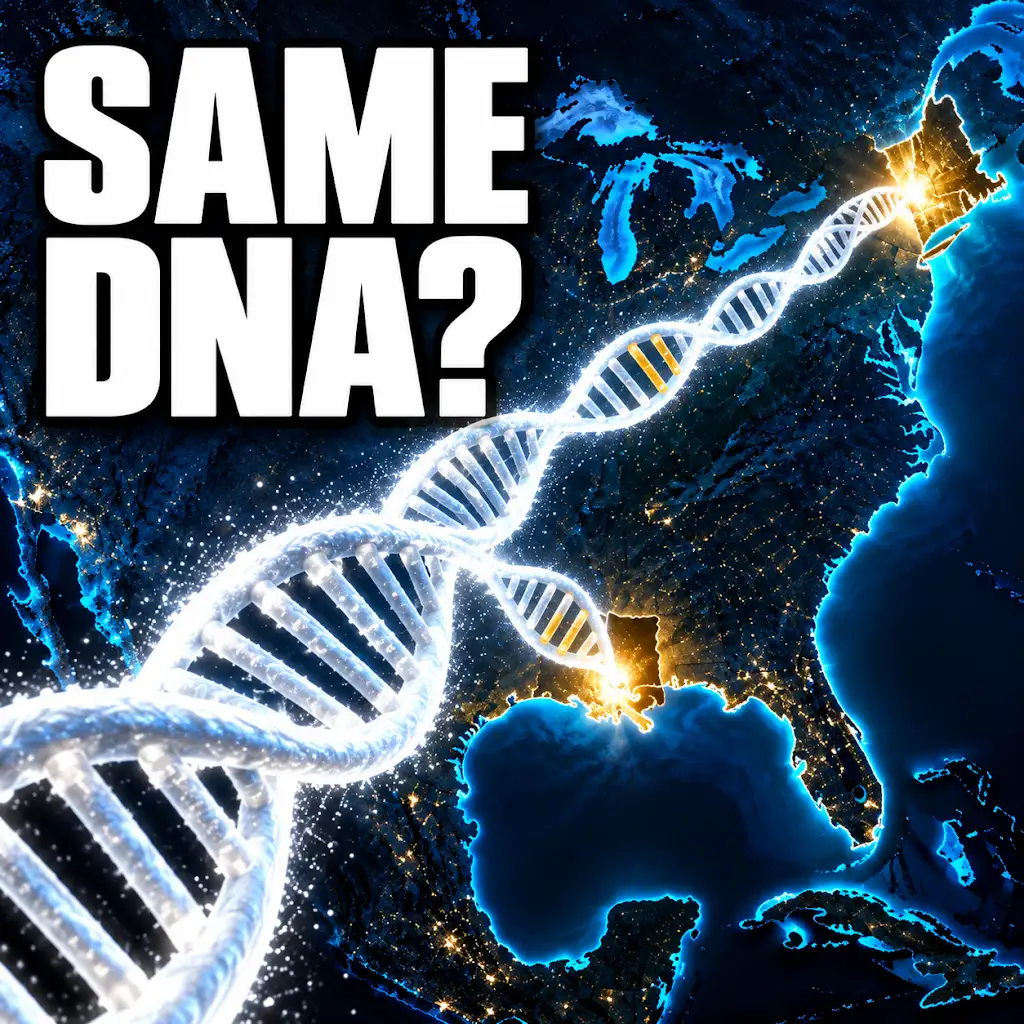
Cajun or French Canadian? The DNA Looked the Same—Until Researchers Looked Closer
FAQs
What is the typical ancestry composition breakdown of French Canadians?
French Canadians typically have a mix of French, Indigenous, and British ancestry. The exact breakdown can vary depending on the individual’s family history and region of origin.
How did French Canadians come to have such a diverse ancestry composition?
The diverse ancestry composition of French Canadians can be attributed to centuries of intermarriage and interactions between French settlers, Indigenous peoples, and British immigrants in Canada.
Are there regional differences in the ancestry composition of French Canadians?
Yes, there can be regional differences in the ancestry composition of French Canadians. For example, French Canadians from Quebec may have a higher percentage of French ancestry compared to those from other provinces.
What role did the fur trade play in shaping the ancestry composition of French Canadians?
The fur trade played a significant role in shaping the ancestry composition of French Canadians by facilitating interactions and intermarriage between French fur traders and Indigenous peoples in Canada.
How can individuals with French Canadian ancestry trace their specific ancestry composition?
Individuals with French Canadian ancestry can trace their specific ancestry composition through genealogical research, DNA testing, and exploring historical records related to their family’s origins and migration patterns.