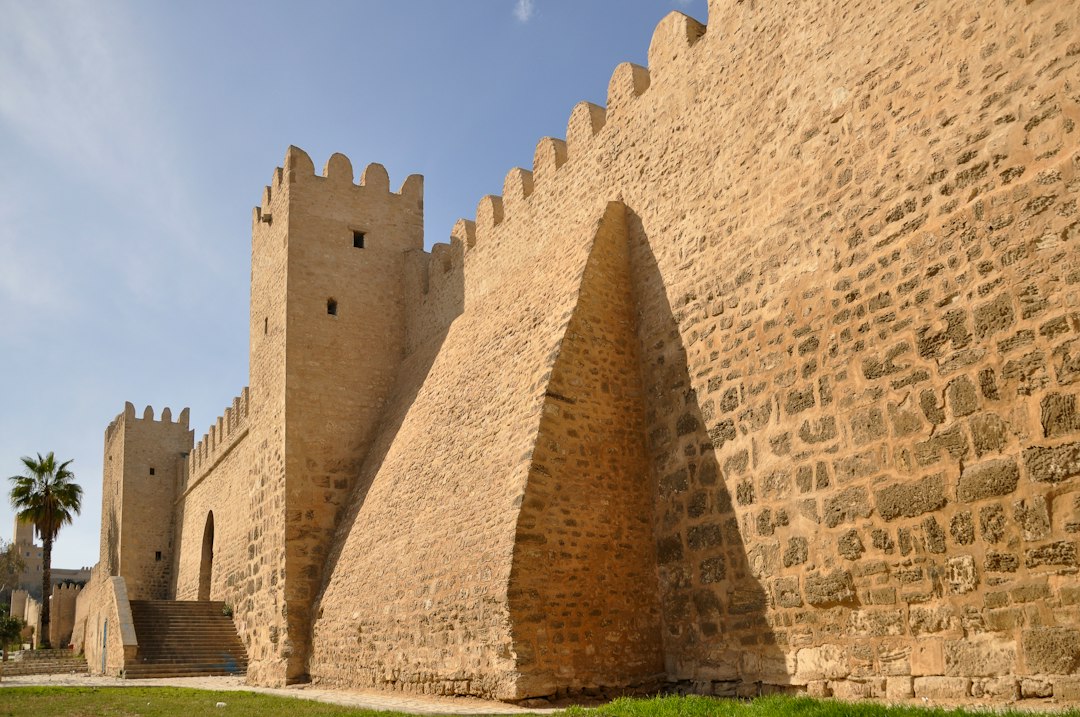
The vast and diverse continent of Africa, stretching across millennia, bears witness to a rich tapestry of human ingenuity, particularly in its defensive architecture. Long before the advent of modern warfare, communities across the continent conceived, constructed, and maintained formidable fortresses and walls, testament to their resilience, strategic thinking, and deep understanding of their environments. These structures, often built from readily available materials and shaped by local traditions and the constant pressure of external threats or internal strife, offer a compelling narrative of Africa’s historical struggles for survival, dominance, and cultural preservation. From the arid deserts of the north to the dense forests of the west and the savannas of the east and south, these ancient bastions stand as silent sentinels, whispering tales of a bygone era.
The Sahelian Sentinel: Fortifications of the West African Empires
The Sahel, a vast semi-arid region south of the Sahara Desert, was once the heartland of some of Africa’s most powerful and enduring empires. These states, driven by lucrative trans-Saharan trade routes and facing the constant threat of nomadic incursions and rival kingdoms, developed sophisticated defensive systems that remain impressive even today. Their architecture often utilized earth, stone, and organic materials, ingeniously adapted to the challenging climate and available resources.
The Great Walls of Benin
While often associated with its bronze casting tradition, the Kingdom of Benin in West Africa also boasted an impressive system of defensive earthworks, comprising some of the largest man-made structures on earth. These were not single walls but a vast network of ramparts and ditches, encircling cities and towns, and even extending to delineate agricultural land and trade routes.
Construction and Purpose
The Benin walls were primarily constructed from compacted earth, often with substantial ditches dug on the outside of the ramparts. The sheer scale of these fortifications is astonishing; aerial surveys have revealed a network that, if laid end-to-end, would stretch for thousands of kilometers. Their purpose was multifaceted. Primarily, they served to protect the urban centers and their inhabitants from invaders. However, they also played a crucial role in defining the kingdom’s territory, controlling access and trade, and projecting the power and authority of the Oba (king). The construction would have required immense labor, likely organized through a system of communal work, mobilizing large segments of the population. The ditches, often deep and wide, would have served as significant obstacles, and their excavated earth would have formed the ramparts. Evidence suggests that the tops of these ramparts may have been topped with wooden palisades or thorny bushes, further enhancing their defensive capabilities.
The Rise and Fall of the Earthworks
The construction of these extensive earthworks is believed to have spanned several centuries, with significant expansions occurring during periods of dynastic growth and increased external pressure. The kingdom’s wealth, derived from trade in ivory, pepper, and slaves, allowed for the mobilization of resources and labor necessary for such monumental undertakings. The effectiveness of these defenses is evidenced by the difficulty encountered by European explorers and traders in penetrating the kingdom’s interior. However, the advent of more advanced weaponry during the colonial era, coupled with internal political shifts, eventually led to the decline and abandonment of many of these earthworks, though their remnants continue to shape the landscape and serve as a powerful reminder of Benin’s historical might.
The Sudanic Fortresses: Meroë and the Kingdoms of the Nile
To the east of the Sahel, along the fertile banks of the Nile River, ancient civilizations also developed impressive defensive structures. The Kingdom of Kush, particularly its capital Meroë, stands out for its robust fortifications, reflecting a society that was both prosperous and faced with external challenges from its northern neighbor, Egypt, and other regional powers.
Meroë’s Red Brick Defenses
The city of Meroë, renowned for its iron smelting and its unique pyramid architecture, was also fortified with substantial walls. These were typically constructed from fired red bricks, a testament to the region’s advanced understanding of metallurgy and construction. The walls were often several meters thick and remarkably well-preserved, enclosing residential areas, temples, and royal palaces. These fortifications were not merely defensive barriers; they also served as symbols of the city’s power and its ability to command resources and labor. The strategic location of Meroë, controlling trade routes between the Mediterranean and sub-Saharan Africa, necessitated strong defenses to protect its wealth and influence. The red brick construction provided a durable and imposing facade, projecting an image of strength and permanence.
Architectural Adaptations and Strategic Placement
The builders of Meroë and other Kushite settlements were adept at adapting their architecture to the local topography. Fortifications were often strategically placed on elevated ground or along natural defenses like riverbanks, maximizing their effectiveness. Gateways were carefully designed, often featuring multiple courtyards and defensive structures to channel attackers into kill zones. The presence of sophisticated water management systems, including reservoirs and canals, also contributed to the city’s resilience, both in times of peace and during sieges, ensuring a water supply for the defenders. The integration of religious and administrative buildings within the fortified areas further highlights the centralized nature of power and the importance of these structures in maintaining societal order.
Ancient defensive architecture in Africa showcases the ingenuity and resourcefulness of past civilizations in protecting their territories. A fascinating exploration of historical structures can be found in the article titled “Unveiling Antarctica’s Hidden Secrets,” which, while primarily focused on the mysteries of Antarctica, also draws parallels to the defensive strategies employed by ancient cultures worldwide. To learn more about these intriguing connections, you can read the article here: Unveiling Antarctica’s Hidden Secrets.
Eastern African Citadels: Stone and Trade in the Horn and Swahili Coast
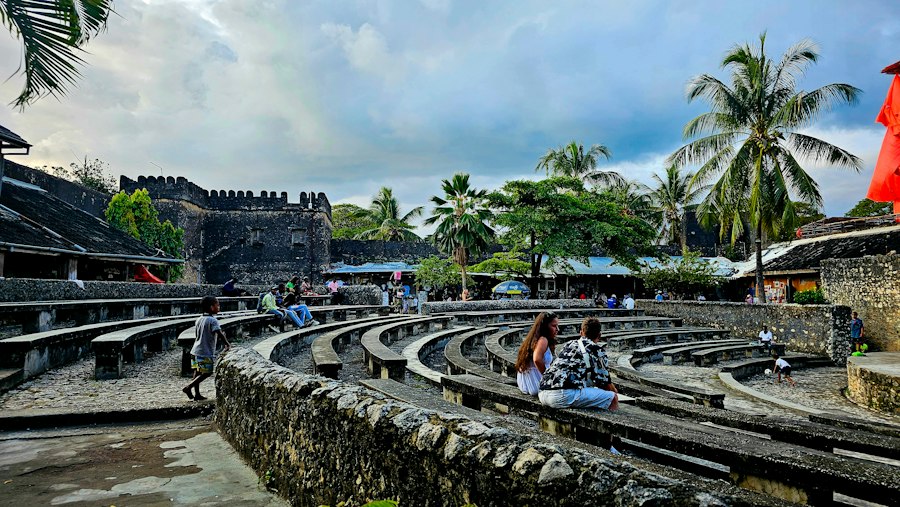
The eastern regions of Africa, from the Horn of Africa to the Swahili coast, showcase a distinct evolution in defensive architecture, heavily influenced by trade, inter-state rivalries, and the embrace of stone as a primary building material.
The Great Zimbabwe and the Stone Cities of Southern Africa
The iconic Great Zimbabwe, a UNESCO World Heritage site, is the most famous example of the sophisticated dry-stone architecture that characterized a powerful civilization in Southern Africa between the 11th and 15th centuries. However, it was not an isolated phenomenon, and numerous other stone enclosures across the region speak to a widespread tradition of building impressive defensive structures.
The Enigmatic Enclosures
The stone structures of Great Zimbabwe, particularly the Hill Complex and the Great Enclosure, are characterized by their massive, mortarless stone walls, intricately constructed from carefully shaped granite blocks. These enclosures served multiple purposes, acting as royal residences, religious centers, and, undoubtedly, as defensive strongholds. The sheer height and thickness of the walls, coupled with strategic placement and limited access points, made them formidable defenses against any contemporary threat. The absence of mortar in the construction is a remarkable feat of engineering, demonstrating a profound understanding of structural integrity and the properties of the local stone. The circular patterns of some of the walls and the distinctive conical tower within the Great Enclosure continue to fascinate archaeologists and historians, suggesting complex social and spiritual practices intertwined with their defensive functions.
The Materiality of Power
The construction of these elaborate stone complexes required significant labor and resources, indicating a highly organized society with a well-established hierarchy. The ability to quarry, transport, and meticulously place thousands of tons of stone speaks volumes about the centralized authority and the economic base that supported such endeavors. The distribution of these stone sites across a wide geographical area suggests a shared cultural identity and a network of interconnected communities, each with its own fortified centers of power. The defensive function was paramount, protecting the ruling elite and the accumulated wealth of these burgeoning states from internal dissent and external raids.
The Swahili Forts: Guardians of Maritime Trade
Along the East African coast, a string of vibrant city-states flourished from the 8th century onwards, driven by their participation in the Indian Ocean trade network. These prosperous urban centers, characterized by their coral stone architecture, also required robust defenses to protect their wealth and autonomy.
Coral Cities and Fortified Harbors
The Swahili city-states, such as Kilwa Kisiwani, Lamu, and Mombasa, developed unique architectural styles, utilizing readily available coral stone. Their defensive structures often included formidable forts strategically located to control harbors and protect against maritime threats, including piracy and rival traders. The Fort Jesus in Mombasa, built by the Portuguese in the 16th century, is a prime example of a later, more sophisticated fortification, but earlier Swahili settlements also boasted impressive stone walls and bastions. The construction methods involved hewing and shaping coral blocks, often cemented with lime mortar, creating durable and imposing structures. The layout of these cities often featured narrow, winding streets within walled enclosures, designed to confuse attackers and funnel them into defensible positions.
Adapting to a Changing World
The Swahili forts were not static; they evolved over time in response to changing military technologies and political landscapes. The arrival of European powers, particularly the Portuguese, led to the construction of more elaborate and strategically designed fortifications. These forts, often featuring bastions, gun emplacements, and sophisticated water management systems, were designed to withstand cannon fire and project colonial power. The defense of these coastal cities was crucial for maintaining control over lucrative trade routes, and their fortifications stand as a testament to the enduring importance of strategic architecture in securing economic and political influence.
Northern African Citadels: Desert Fortresses and Roman Legacies

The northern regions of Africa, bordering the Mediterranean Sea, possess a rich history of defensive architecture influenced by ancient civilizations, powerful empires, and the harsh desert environment.
Ancient defensive architecture in Africa showcases the ingenuity of early civilizations in protecting their communities from external threats. Structures such as the Great Wall of Benin and the stone fortifications of the Swahili Coast reflect the strategic importance of these designs. For those interested in understanding how historical practices can inform modern challenges, an insightful article discusses the relationship between environmental preservation and sustainable land management. You can read more about this topic in the article on combatting desertification, which highlights the ongoing efforts to maintain the integrity of our landscapes.
The Ancient Fortifications of Egypt and Nubia
While Egypt is more commonly associated with its pyramids and temples, its long history also includes significant defensive structures, particularly in its southern reaches, bordering Nubia (modern Sudan). The interactions between these two powerful kingdoms often led to the construction and reinforcement of fortifications.
Forts along the Nile
Along the Nile, both within Egypt and the Kingdom of Kush, a series of formidable forts were constructed to control trade routes, monitor movement, and serve as military outposts. These fortifications, often built from mudbrick in the heart of Egypt and stone in the more arid Nubian regions, were designed for resilience and strategic advantage. The Egyptians, in particular, built numerous fortresses along their southern frontier to protect against Nubian incursions and to control the flow of goods and people. These forts often featured thick walls, watchtowers, and strategically placed gateways, incorporating elements of military design that would influence later fortifications in the region. The Nubian forts, in contrast, were often built from local stone and integrated into the natural landscape, reflecting their adaptation to a more challenging environment.
The Legacy of Roman and Byzantine Influence
Following the Roman conquest of North Africa, a network of forts, walls, and military installations was established to secure the vast borders of the empire, particularly the Limes Tripolitanus, which stretched across modern Libya. These structures, often built with stone and employing Roman engineering principles, served to defend against nomadic tribes and maintain Roman control. The Byzantines, who later inherited these territories, continued to maintain and adapt many of these Roman fortifications, adding their own architectural touches and further strengthening existing defenses. The strategic

They Found a 4,000-Year-Old Defense Line in Morocco
FAQs
What are some examples of ancient defensive architecture in Africa?
Some examples of ancient defensive architecture in Africa include the Great Zimbabwe ruins in Zimbabwe, the walls of Benin City in Nigeria, the Gondar Castle in Ethiopia, the Kasbah of Algiers in Algeria, and the Fort Jesus in Kenya.
How were ancient defensive structures in Africa constructed?
Ancient defensive structures in Africa were often constructed using locally available materials such as stone, mud bricks, and wood. These materials were used to build walls, fortresses, and towers that were strategically designed to protect settlements from external threats.
What were the main purposes of ancient defensive architecture in Africa?
The main purposes of ancient defensive architecture in Africa were to protect settlements, cities, and trade routes from invasions, raids, and other external threats. These structures also served as symbols of power and authority for the ruling elite.
How did ancient African civilizations innovate in defensive architecture?
Ancient African civilizations innovated in defensive architecture by developing advanced techniques such as using sloping walls, multiple layers of defense, and strategic placement of watchtowers and gates. They also incorporated natural features like cliffs and rivers into their defensive strategies.
What is the significance of studying ancient defensive architecture in Africa?
Studying ancient defensive architecture in Africa provides insights into the military strategies, engineering capabilities, and societal organization of past civilizations on the continent. It also helps in understanding the historical development of African societies and their interactions with neighboring regions.