The story of human civilization is often told through the rise and fall of empires, the grand pronouncements of kings, and the construction of monumental palaces. Yet, beneath this often-cited narrative lies a deeper, more primal tale: the story of survival. For millennia before recorded history, human societies grappled with the fundamental need for security, developing sophisticated methods to protect themselves and their communities. In Africa, a continent whose human history stretches back to the dawn of our species, this struggle for safety manifested in remarkable defensive works, fortifications that predated many of the monumental structures we associate with antiquity. These prehistoric defensive works offer a vital window into the social organization, technological ingenuity, and the very fabric of life for our ancient ancestors.
Echoes in the Earth: Early Defensive Strategies
The earliest forms of human defense were likely rudimentary, relying on natural features and simple fortifications. As human societies grew more complex, so too did their defensive strategies. The transition from nomadic hunter-gatherer lifestyles to more settled agricultural communities brought with it a greater need for permanent protection. Villages and settlements, with their accumulated resources and burgeoning populations, became attractive targets for raiding parties or rival groups. This pressure spurred the development of more elaborate defensive measures.
The Natural Advantage: Harnessing the Landscape
Long before humans possessed the tools to construct complex stone walls, they understood the power of geography. Elevated positions, such as hilltops and escarpments, offered natural advantages for defense. These locations provided clear lines of sight, making it difficult for attackers to approach undetected, and often presented a steep, arduous climb, slowing down any assault. Many early settlements, even those that later developed more formal defenses, were situated in such strategically advantageous locations. The careful selection of a defensible site was the first and perhaps most crucial layer of protection. Evidence of this can be seen in numerous archaeological sites across Africa where settlements are found clustered on prominent hills or along natural ridges, their original inhabitants having instinctively recognized the inherent security offered by the terrain.
The First Walls: Simple Barriers and Earthworks
As communities became more established, the need for artificial defenses arose. The earliest man-made fortifications were often simple and direct. These could include ditches dug around a settlement, forming a natural obstacle and a source of material for constructing earthen ramparts. Logs, brushwood, and piled stones were also employed to create rudimentary barriers. While these might seem basic by modern standards, they represented a significant investment of labor and organization for prehistoric peoples. The construction of a perimeter defense required collective effort, signifying a level of social cohesion and shared purpose. These early earthworks, often subtle and degraded by time, are sometimes overlooked in favor of more impressive stone constructions. However, their presence is a testament to the enduring human drive for security and the gradual evolution of defensive technologies. Archaeological investigation of these sites often reveals layers of compacted earth, charcoal from fires used in construction or defense, and discarded tools, providing tangible evidence of these ancient efforts.
Prehistoric African defensive works have garnered significant attention in recent archaeological studies, revealing the intricate strategies employed by ancient societies to protect their communities. One fascinating article that delves into this subject is titled “Accidental Discoveries: Uncovering Ancient Fortifications in Africa,” which explores various sites where these defensive structures have been unearthed. For more insights into this topic, you can read the article here: Accidental Discoveries.
The Rise of Stone and Symbolism: More Than Just Walls
As metallurgy and stoneworking techniques advanced, so too did the sophistication of defensive structures. Prehistoric African fortifications began to incorporate more durable materials, transforming simple barriers into formidable defenses. This period also saw the emergence of symbolic elements within these structures, suggesting they served purposes beyond mere physical protection.
Megalithic Defenses: Strength in Stone
The use of large, precisely cut stones marked a significant leap in fortification technology. In some regions, communities constructed impressive stone walls, sometimes several meters thick, to encircle their settlements. These megalithic walls were not only physically imposing but also required considerable skill and labor to build. The quarrying of stone, its transportation to the construction site, and its careful placement all point to advanced levels of organization and engineering. Examples can be found in various parts of Africa, from the impressive stone enclosures of Great Zimbabwe (though later in its development, its origins draw from these earlier traditions) to less famous but equally significant sites where remnants of substantial stone ramparts still stand. These structures were designed to withstand siege, to deter attackers, and to project an image of strength and stability for the community within. The sheer scale and durability of these stone fortifications suggest a society capable of mobilizing and sustaining a significant workforce for communal projects.
Gateways and Access Points: Controlled Entry
The effectiveness of any fortification lies not just in its perimeter but also in how access is controlled. Prehistoric defensive works often featured carefully designed gateways, which were typically the most vulnerable points of entry and therefore received the most attention. These gateways could be narrow passages, designed to funnel attackers into a killing zone, or they might incorporate internal defenses like secondary walls or guard posts. The deliberate creation of these controlled access points highlights a sophisticated understanding of defensive tactics. Furthermore, the architecture of some gateways suggests they were also intended to impress and intimidate visitors, serving as a visual statement of the community’s power and preparedness. The placement and design of these entrances offer insights into the strategies employed to repel or manage potential threats.
Symbolic Power: Fortifications as Statements
Beyond their practical function, ancient fortifications often carried profound symbolic meaning. The act of building a strong, defensive enclosure could have been a declaration of independence, a assertion of territorial claims, or a manifestation of collective identity. The sheer effort involved in their construction would have fostered a sense of unity and shared purpose among the inhabitants. In some cases, the specific locations chosen for these fortifications, or the incorporation of particular motifs or symbols into their design, might have held religious or spiritual significance, further reinforcing their role as centers of community life and identity. The enduring presence of these structures, even after their defensive utility waned, speaks to their deep cultural importance for the societies that built them. They were not merely barriers against enemies but also tangible representations of community, resilience, and belonging.
Regional Variations and Diverse Approaches
The vastness of the African continent meant that defensive strategies and the resulting fortifications varied greatly depending on local resources, environmental conditions, and the specific nature of the threats faced. While some broad patterns emerge, it is crucial to recognize the diversity of approaches that characterized prehistoric defensive works across different regions.
Eastern African Fortifications: Highland Strongholds and Stone Camps
In East Africa, particularly in regions with rugged terrain, many prehistoric settlements were strategically located on hilltops and plateaus, utilizing the natural defenses of the landscape. Archaeological evidence points to the construction of stone enclosures and terraces on these elevated sites. These fortifications often served to protect agricultural communities from raids and to consolidate power within emerging chiefdoms. The use of local stone, often dry-stone construction without mortar, was common. These “stone camps” or fortified villages, while perhaps less monumental than some Southern African examples, were nonetheless effective defensive structures that demonstrate considerable organizational skill and knowledge of local materials. The careful arrangement of dwellings within these enclosures also suggests a concern for internal security and communal living.
Southern African Developments: Elaborate Stone Cities and Advanced Architecture
Southern Africa is renowned for some of the most impressive prehistoric stone fortifications on the continent. Sites like Mapungubwe and the precursors to Great Zimbabwe showcase advanced architectural techniques and sophisticated urban planning. These were not simply defensive walls but rather complex settlements with intricate stone buildings, terraces, and enclosed courtyards. The scale of these constructions, requiring the quarrying and shaping of massive stone blocks, points to highly organized societies with specialized labor and considerable economic resources. The defensive aspects of these sites were paramount, with thick walls, strategic gateways, and often elevated positions contributing to their formidable nature. These were centers of power, trade, and culture, and their fortifications were an integral part of their identity and security. The evolution of these sites demonstrates a continuous refinement of defensive strategies over centuries.
North African Enigmas: Subterranean Defenses and Desert Fortifications
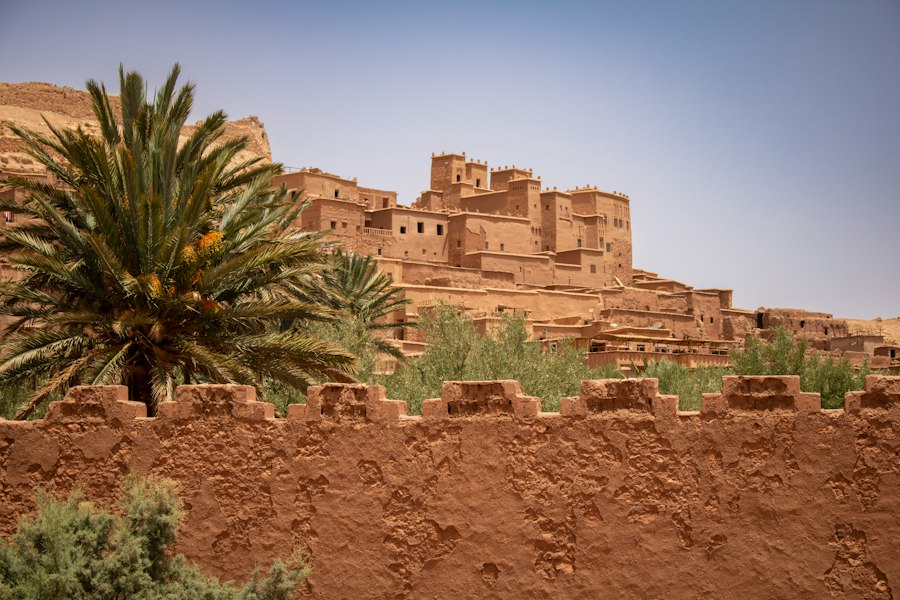
The diverse environments of North Africa also fostered unique defensive adaptations. In arid regions, the scarcity of water and the open nature of the landscape presented different challenges. Evidence suggests the use of subterranean dwellings and fortified settlements designed to protect against both environmental extremes and human threats. The construction of impressive citadels and walled towns, often with strategically placed watchtowers, also characterized this region, particularly in later prehistoric periods as trade routes became more established. The desert environment necessitated innovative solutions for water management and defense against mobile raiders. While less discussed than their sub-Saharan counterparts, North African prehistoric fortifications offer a compelling glimpse into the adaptability of ancient peoples in diverse and challenging landscapes.
The Archaeology of Defense: Unearthing the Past
The study of ancient African fortifications is primarily the domain of archaeology. Through meticulous excavation, analysis of artifacts, and landscape surveys, researchers piece together the stories of these prehistoric defensive works and the people who built them. Understanding these sites requires a multidisciplinary approach, drawing on insights from various fields to interpret the evidence left behind.
Excavation and Stratigraphy: Layers of History
Archaeological excavation is the fundamental process of uncovering these ancient sites. By carefully removing layers of soil and debris, archaeologists reveal the remains of walls, ditches, gateways, and the artifacts associated with their use. The principle of stratigraphy, where older layers are found beneath younger ones, allows researchers to establish a chronological sequence and understand the development of a fortification over time. The presence of different building phases, repair work, or evidence of destruction can all be discerned through careful excavation. Each layer tells a story of human activity, from the initial construction to eventual abandonment or destruction.
Artifact Analysis: Tools, Weapons, and Daily Life
The artifacts unearthed at fortification sites provide crucial context. Pottery shards, stone tools, projectile points, and evidence of metallurgy can reveal the technological capabilities of the builders and the inhabitants. The presence of weapons, or evidence of their manufacture, directly speaks to the defensive purpose of the site. Moreover, the analysis of everyday objects – grinding stones, beads, bone fragments – offers insights into the social structure, diet, and daily lives of the people who sought refuge within these walls. These seemingly small details, when analyzed collectively, paint a vivid picture of the communities that invested so much in their own security.
Landscape Archaeology and Remote Sensing: Seeing the Bigger Picture
Beyond individual sites, landscape archaeology examines the relationship between human settlements and their environment. This includes studying the broader context of fortifications, their placement relative to resources, other settlements, and potential threats. Techniques like remote sensing, including aerial photography and LiDAR (Light Detection and Ranging), have revolutionized the study of ancient landscapes. These technologies can reveal subtle earthworks, palisades, and settlement patterns that are invisible from the ground, allowing archaeologists to identify and map prehistoric defensive works over vast areas. This macro-level analysis helps us understand the strategic importance of these fortifications within a wider regional context and how they functioned as part of a larger defensive network or territorial system.
Recent studies have shed light on the intricate defensive works established by prehistoric African societies, showcasing their advanced understanding of fortification and community protection. These ancient structures not only served as physical barriers but also reflected the social and political dynamics of the time. For a deeper understanding of how strategic planning and communication play crucial roles in defense, you might find it interesting to explore the article on securing communication lines in modern contexts, which can be found here.
Legacy and Enduring Significance
| Site Name | Location | Estimated Age | Type of Defensive Work | Material Used | Purpose | Notable Features |
|---|---|---|---|---|---|---|
| Great Zimbabwe | Zimbabwe | 11th – 15th Century AD | Stone Walls | Granite Blocks | Fortification and Symbol of Power | Dry stone walling without mortar |
| Tsodilo Hills | Botswana | Prehistoric (up to 1000 BCE) | Rock Art and Natural Barriers | Natural Rock Formations | Territorial Marking and Defense | Extensive rock paintings and natural cliffs |
| Ngomongo Villages | Kenya | Iron Age (500 BCE – 500 AD) | Earthworks and Ditches | Soil and Wood | Protection from Raids | Moats and palisades surrounding settlements |
| Great Enclosure of Mapungubwe | South Africa | 11th Century AD | Stone Walls | Sandstone Blocks | Defensive and Ceremonial | Largest stone structure in southern Africa at the time |
| Djenné-Djenno | Mali | 3rd Century BCE – 13th Century AD | Earthen Walls and Moats | Adobe (Mudbrick) | Defense and Urban Planning | One of the oldest urbanized centers in sub-Saharan Africa |
The ancient fortifications of Africa are more than just ruins; they are enduring testaments to the ingenuity, resilience, and social complexity of our ancestors. Their study offers profound insights into the challenges and triumphs of early human societies and continues to shape our understanding of human history and the universal drive for security.
A Window into Prehistoric Societies
These defensive structures provide invaluable information about the social organization of prehistoric African communities. The ability to mobilize labor for construction, the development of leadership roles to coordinate such efforts, and the existence of established trade networks that could support specialized crafts all point to societies far more complex than often assumed. The very act of building and maintaining these fortifications speaks volumes about shared identity, collective responsibility, and the establishment of social order. They are tangible evidence of the human capacity for cooperation and planning in the face of adversity.
Technological Prowess and Innovation
The construction of these fortifications showcases the technological prowess and innovative spirit of ancient Africans. From the skilled manipulation of natural landscapes to the mastery of stoneworking and earthmoving techniques, these achievements demonstrate a deep understanding of engineering and material science. The development of new tools and methods for construction, as well as the adaptation of existing technologies for defensive purposes, highlights a continuous process of innovation driven by necessity. These prehistoric engineers and builders laid the groundwork for future advancements in architecture and infrastructure across the continent.
Rethinking Africa’s Prehistoric Narrative
The study of ancient African fortifications challenges Eurocentric perspectives on the development of complex societies and monumental architecture. It demonstrates that advanced forms of social organization, sophisticated building techniques, and impressive defensive engineering were present in Africa long before they were widely recognized or acknowledged by mainstream historical narratives. These sites compel a reevaluation of Africa’s prehistoric past, revealing a rich and dynamic history of human ingenuity and societal development that deserves broader recognition and appreciation. The legacy of these builders echoes through the ages, reminding us that the foundations of civilization were laid in countless places, by countless hands, across the entire globe.

They Found a 4,000-Year-Old Defense Line in Morocco
FAQs
What are prehistoric African defensive works?
Prehistoric African defensive works are structures built by ancient African civilizations for protection and defense against enemies. These structures include walls, fortresses, and barriers.
Where are some examples of prehistoric African defensive works located?
Some examples of prehistoric African defensive works can be found in regions such as Great Zimbabwe in present-day Zimbabwe, the Gedi Ruins in Kenya, and the Benin City Walls in Nigeria.
What materials were commonly used in the construction of prehistoric African defensive works?
Common materials used in the construction of prehistoric African defensive works include stone, mud bricks, wood, and sometimes even animal dung. These materials were readily available in the local environment.
What was the purpose of prehistoric African defensive works?
The primary purpose of prehistoric African defensive works was to protect the inhabitants of a settlement or city from external threats such as invasions, raids, and attacks by rival groups or neighboring tribes.
How were prehistoric African defensive works constructed?
Prehistoric African defensive works were typically constructed by manual labor using simple tools such as hoes, picks, and baskets. The construction process involved shaping and stacking stones or bricks to create walls, fortifications, and other defensive structures.