Morocco’s ancient built environment offers a captivating journey through centuries of history, showcasing a rich tapestry of architectural styles and cultural influences. From the imposing kasbahs of the Atlas Mountains to the intricate mosaics of imperial cities, these heritage sites stand as testaments to a civilization that has blended Berber, Arab, Andalusian, and African traditions into a unique and enduring legacy. Exploring these sites is not merely an architectural appreciation; it is an immersion into the soul of Morocco, a chance to walk in the footsteps of ancient traders, scholars, and rulers, and to witness firsthand the resilience and artistry of its people. The very stones of these structures whisper stories of empires risen and fallen, of religious devotion, and of daily life in eras long past.
Foundations of Moroccan Architecture: From Ancient Roots to Islamic Flourish
The architectural landscape of Morocco is a direct reflection of its multifaceted history. Before the arrival of Islam, Berber settlements, often characterized by their earth-built structures and strategic locations, laid the groundwork for many later constructions. These early forms, designed for survival and community, emphasized functionality and a deep understanding of the local environment. The advent of Islam in the 8th century marked a profound shift, ushering in a new era of monumental building and decorative sophistication. The principles of Islamic architecture, with its emphasis on geometry, calligraphy, and the concept of divine order, began to permeate the design of mosques, palaces, and public spaces. This fusion of indigenous techniques and imported aesthetics created a distinct architectural language that would evolve over the subsequent centuries, leaving behind an unparalleled heritage.
Early Berber Influences and Pre-Islamic Structures
The earliest human presence in Morocco is evidenced by megalithic structures and cave dwellings, hinting at rudimentary architectural practices. However, it is the Berber civilization that truly established the foundations for much of what we see today. The iconic kasbahs, fortified rural strongholds, exemplify this early ingenuity. Constructed primarily from pisé (rammed earth) and adobe, these structures were built to withstand harsh climates and defend against tribal conflicts. Their thick walls, often reinforced with straw, provided excellent insulation against the summer heat and retained warmth in the winter. The strategic placement of kasbahs, typically on hilltops or near water sources, further highlights the practical considerations of Berber architecture. Examples like the Kasbah of Taourirt in Ouarzazate, though later modified, still retain echoes of these ancient defensive principles. These pre-Islamic settlements were not merely defensive outposts; they were also centers of social and economic life, with granaries, communal living spaces, and often a mosque or place of worship. The understanding of the local materials and the ability to manipulate them for both aesthetic and functional purposes are hallmarks of this foundational period.
The Transformative Impact of Islamic Architecture
With the spread of Islam, a significant transformation occurred in Moroccan architectural practices. The newly established dynasties, such as the Idrisids, Almoravids, and Almohads, brought with them the architectural styles and artistic sensibilities of the wider Islamic world. Mosques, as central pillars of Muslim life, became focal points of urban development. The Great Mosque of Kairouan in Tunisia, a direct influence, set a precedent for the hypostyle hall layout, characterized by rows of columns supporting flat roofs, creating a vast, shaded prayer space. Moroccan mosques, however, developed unique features. The minaret, a distinctive element of Islamic architecture, took on various forms across the Maghreb, with the square-based Almohad minaret, exemplified by the Koutoubia Mosque in Marrakech and the Hassan Tower in Rabat, becoming particularly iconic. Geometric patterns, a fundamental aspect of Islamic art and architecture due to the prohibition of figural representation in religious contexts, flourished. Intricate zellij (tilework) became a signature Moroccan art form, with tessellated geometric designs adorning walls, floors, and fountains. Calligraphy, featuring verses from the Quran and other devotional texts, was also integrated into architectural ornamentation, adding a layer of spiritual and intellectual depth.
Andalusian Legacy and Its Artistic Refinements
The expulsion of Muslims from Spain (Al-Andalus) in the late 15th century led to a significant influx of skilled artisans, scholars, and craftsmen to Morocco. This Andalusian influence profoundly enriched the country’s built environment, particularly in cities like Fes and Tetouan. The concept of the riad, a traditional Moroccan house with an interior courtyard, is a direct inheritance from Andalusian domestic architecture. These courtyards, often featuring fountains, orange trees, and intricate tilework, provided private oases of tranquility and served as focal points for family life. The decorative arts saw a surge in refinement, with increased use of stucco carving, muqarnas (stalactite vaulting), and elaborately carved cedarwood ceilings. The intricate details found in the Nejjarine Museum of Wooden Arts and Crafts in Fes, housed in a former fondouk (caravanserai), showcase the exquisite craftsmanship brought by the Andalusians. This period saw a greater emphasis on aesthetics and domestic comfort, alongside the continued development of public and religious structures. The interplay between the enclosed courtyard and the richly decorated interior spaces became a defining characteristic of many Moroccan palaces and wealthy homes.
The ancient built environment of Morocco showcases a rich tapestry of history and architectural innovation, reflecting the diverse cultural influences that have shaped the region over centuries. For those interested in exploring how ancient civilizations approached resource management and construction, a related article on China’s lunar resource extraction strategy provides intriguing insights into how modern societies can learn from historical practices. You can read more about this fascinating topic by visiting this article.
Imperial Cities: Capitals of Culture and Architectural Splendor
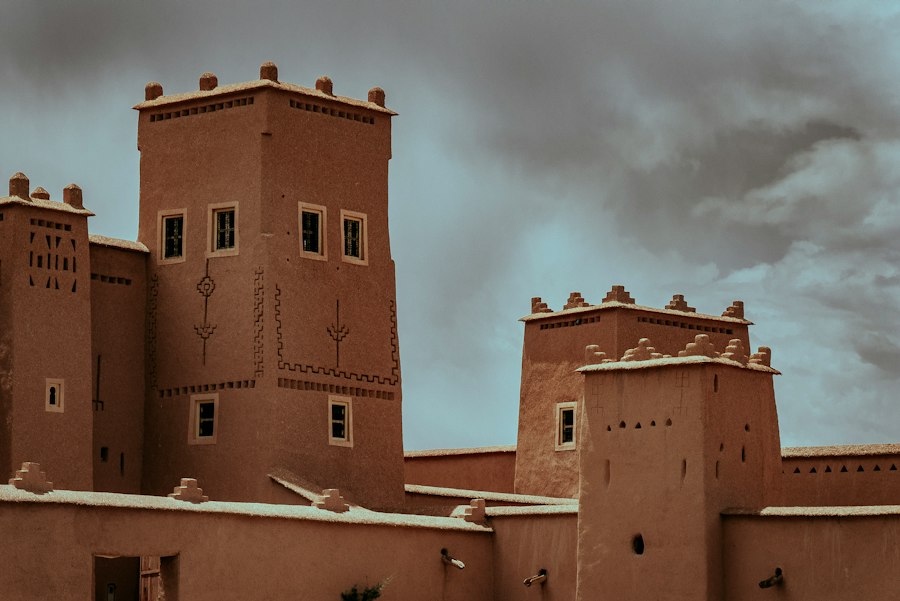
Morocco’s imperial cities – Marrakech, Fes, Meknes, and Rabat – are living museums, each bearing the indelible marks of its time as a capital. These urban centers were not only centers of political power but also thriving hubs of trade, learning, and artistic innovation. Their architecture reflects this dynamism, showcasing grand palaces, bustling medinas, and imposing defensive walls that have stood for centuries. Each city possesses a unique character, shaped by the dynasties that ruled from its foundations, and their heritage sites offer a vivid panorama of Moroccan history and architectural evolution. The sheer scale and complexity of these urban environments are a testament to sophisticated urban planning and the enduring power of architectural ambition.
Fes: The Spiritual and Intellectual Heartbeat
Fes, one of the oldest imperial cities, is renowned for its immaculately preserved medieval medina, a UNESCO World Heritage site and the largest car-free urban area in the world. Founded in the 9th century, Fes el-Bali, the older part of the medina, is a labyrinth of narrow alleyways, bustling souks, and hidden courtyards. The city’s architectural heritage is dominated by religious and educational institutions. The Kairaouine Mosque and University, founded in 859 AD, is one of the oldest continuously operating universities in the world and a masterpiece of Islamic architecture. Its expansive courtyard, adorned with intricate stucco work and zellij, and its prayer hall, featuring a forest of columns, are breathtaking. The Bou Inania Madrasa, a 14th-century theological college, stands as another jewel, celebrated for its exquisite zellij, carved stucco, and cedarwood marquetry, showcasing the zenith of Marinid architecture. The medina’s dense urban fabric, with its houses, workshops, and public fountains, creates an immersive experience of medieval urban life. The distinctive green-tiled roofs, a common sight in Fes, offer a visual signature.
Morocco’s ancient built environment showcases a rich tapestry of architectural marvels that reflect its diverse cultural heritage. The intricate designs of the medinas and the stunning craftsmanship of the kasbahs are just a few examples of how historical influences have shaped the region. For those interested in exploring the technological advancements that may have contributed to these ancient structures, a fascinating article can be found here, where you can learn about the suppressed ancient technology and lost innovations that have influenced civilizations throughout history. This connection between Morocco’s architectural legacy and ancient technologies offers a deeper understanding of how past innovations continue to resonate in modern times.
Marrakech: The Vibrant Ochre City
Marrakech, the “Ochre City,” is a captivating blend of historic grandeur and vibrant contemporary life. Its architectural heritage is deeply intertwined with its role as a major trading post and imperial capital. The Koutoubia Mosque, with its iconic minaret, is the city’s most recognizable landmark, a stunning example of Almohad architecture whose design influenced minarets across the Maghreb and beyond. The Bahia Palace, a 19th-century marvel, offers a glimpse into the opulent lifestyle of a Moroccan vizier, with its stunning courtyards, intricately decorated rooms, and lush gardens. The Saadian Tombs, rediscovered in the early 20th century, are a testament to the artistry of the Saadian dynasty, featuring intricate stucco, carved wood, and zellij work in a serene setting. The Jemaa el-Fnaa square, the beating heart of Marrakech, transforms from a bustling marketplace by day to an open-air theater of storytellers, musicians, and food stalls by night, an experience deeply rooted in the city’s historical rhythms. The city’s ramparts, stretching for miles, still stand as a testament to its defensive past.
Meknes: A City of Grandeur and Monumentality
Meknes, under the reign of Sultan Moulay Ismail in the late 17th and early 18th centuries, was transformed into an ambitious imperial capital. Moulay Ismail envisioned a city of unparalleled grandeur, and the remnants of his vision are still evident today. The Bab Mansour, a monumental gateway adorned with intricate carvings and mosaics, is considered one of the most beautiful gates in Morocco. The Mausoleum of Moulay Ismail, a remarkably preserved and richly decorated tomb, showcases the opulence and artistry of the Alaouite dynasty. The Heri es-Souani, a vast complex of royal granaries and stables, demonstrates the immense scale of the Sultan’s ambitions, with its immense underground cisterns and colossal stables designed to house thousands of horses. Though parts of Meknes were ravaged by an earthquake in the 18th century, the surviving structures offer a powerful impression of its former glory. The city’s compact medina also retains its historical character, with traditional souks and mosques.
Rabat: The Modern Capital with Ancient Roots
Rabat, the current capital of Morocco, seamlessly blends its ancient heritage with its role as a modern administrative center. The Hassan Tower, a towering minaret that was intended to be part of a vast mosque complex that was never completed, stands as a striking symbol of Almohad ambition. Adjacent to it lies the Mausoleum of Mohammed V, a modern architectural masterpiece housing the tombs of the late King Mohammed V and his son Prince Moulay Abdallah, featuring exquisite marble, cedarwood, and stucco work. The Kasbah of the Udayas, a picturesque fortified settlement overlooking the Atlantic, offers a serene escape with its whitewashed streets, blue-painted houses, and panoramic views. Within the Kasbah lies the Andalusian Garden, a tranquil oasis showcasing traditional Moroccan garden design. The Chellah, a fortified necropolis dating back to the 14th century, combines Roman ruins with merenid-era architecture, creating a unique historical layering.
Fortifications and Defenses: Guardians of Moroccan History
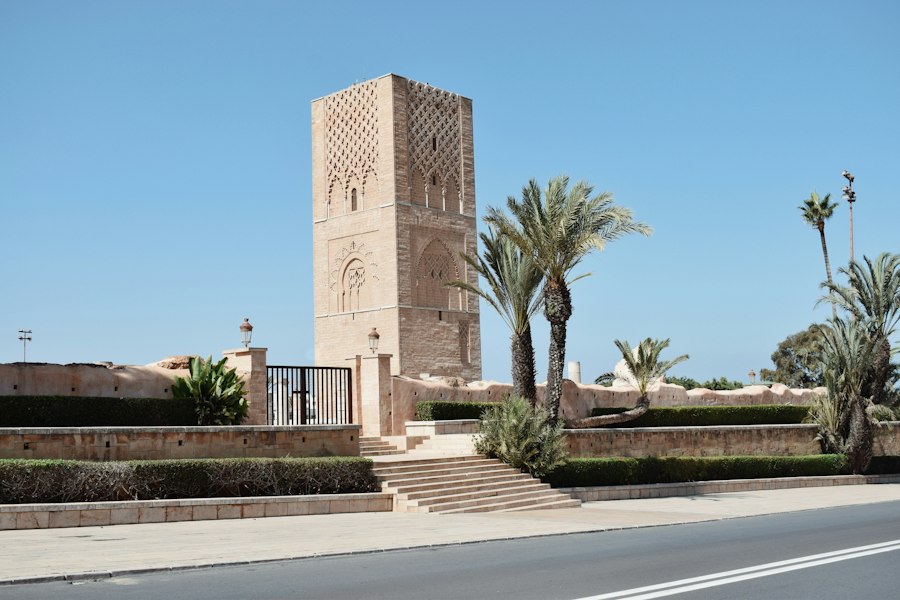
Morocco’s strategic location at the crossroads of continents and its history of shifting political powers have necessitated the development of formidable defensive structures
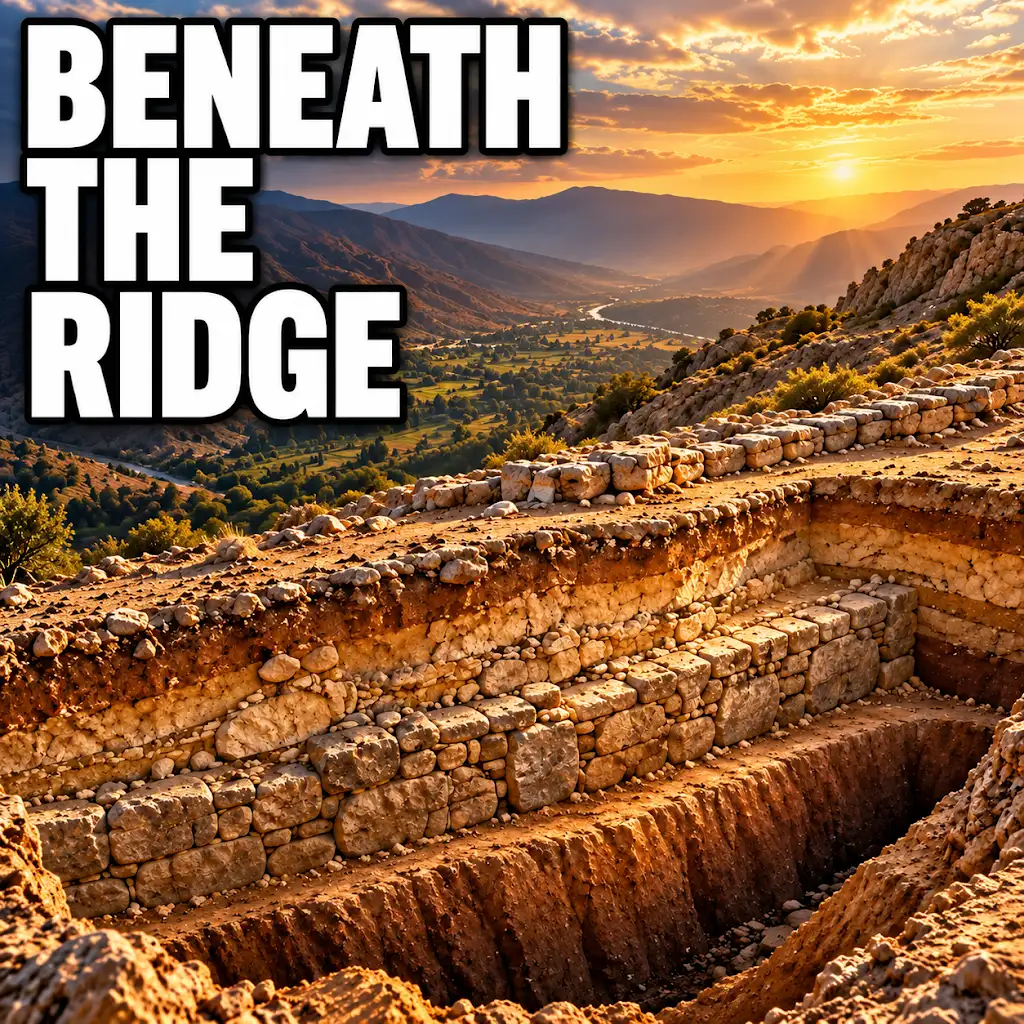
They Found a 4,000-Year-Old Defense Line in Morocco
FAQs
What are some examples of ancient built environments in Morocco?
Some examples of ancient built environments in Morocco include the Roman ruins of Volubilis, the medieval city of Fes with its intricate maze-like streets, the Kasbah of Ait Benhaddou, and the historic city of Marrakech with its iconic architecture.
How did ancient Moroccans construct their buildings?
Ancient Moroccans used a variety of construction techniques depending on the time period and region. Some common methods included using adobe bricks, stone masonry, and intricate tile work. They also incorporated elements such as courtyards, fountains, and intricate wood carvings into their architecture.
What role did religion play in shaping Morocco’s ancient built environment?
Religion played a significant role in shaping Morocco’s ancient built environment. Islamic architecture, with its characteristic domes, arches, and geometric patterns, heavily influenced the design of mosques, palaces, and other structures. Additionally, religious beliefs often dictated the layout and orientation of buildings within a city or complex.
How have ancient built environments in Morocco been preserved and maintained over time?
Ancient built environments in Morocco have been preserved and maintained through various means, such as restoration projects, UNESCO World Heritage status, and ongoing cultural traditions. Local communities often play a key role in safeguarding these historic sites, passing down traditional building techniques and knowledge through generations.
What impact have ancient built environments in Morocco had on modern architecture and urban planning?
Ancient built environments in Morocco have had a significant impact on modern architecture and urban planning. Elements such as courtyard design, intricate tile work, and traditional building materials continue to influence contemporary architects and designers. Additionally, the layout and organization of ancient cities like Fes and Marrakech have inspired urban planners seeking to create sustainable and culturally rich environments.