The Oued Beht, a seasonal river flowing through a historically rich landscape, has yielded archaeological evidence of a complex and evolving defensive system. The Oued Beht Wall Phases Sequence represents a fascinating case study in the long-term development of fortifications, tracing the architectural adaptations and strategic considerations of its builders over centuries. This overview delves into the distinct phases of construction and modification, illuminating the evolving threats and technological advancements that shaped this remarkable defensive landscape.
Tracing the Genesis of Defenses
The earliest evidence of constructed defenses along the Oued Beht points to a period of significant societal development, where communal efforts were directed towards securing settlements and vital resources. These initial fortifications, while perhaps less sophisticated in their construction than later iterations, laid the groundwork for the enduring defensive tradition that would characterize the region. Understanding these nascent stages is crucial for appreciating the subsequent evolution of the Oued Beht Wall.
Early Foundations and Pre-Roman Fortifications
The archaeological record suggests that human activity in the Oued Beht region predates established empires. Excavations have uncovered remnants of what appear to be rudimentary earthworks and stone palisades, likely constructed by indigenous populations for protection against rival groups or to control access to water sources and arable land. These early structures, often characterized by their simple construction techniques and reliance on readily available local materials, offer a glimpse into the initial stages of organized defense in the area. Dating these early phases can be challenging, often relying on associated pottery fragments, radiocarbon dating of organic materials, or the presence of specific tool types. The scale of these early defenses, while not monumental, indicates a nascent understanding of strategic positioning and the need for communal security. Evidence of these early fortifications is often found on promontories overlooking the Oued Beht or at strategic passes. The focus was likely on creating barriers that would impede small raiding parties and provide a degree of warning.
Initial Roman Influence and Integration
The arrival of the Roman Empire in the region brought with it a new era of architectural and military strategy. While the Romans are known for their robust and standardized fortifications, their initial engagement with the Oued Beht may have involved adapting existing indigenous defenses or integrating them into their broader provincial network. The Romans were adept at utilizing existing infrastructure and local knowledge, and it is plausible that they reinforced or modified earlier defensive lines rather than creating entirely new ones from scratch. Evidence of Roman presence can manifest in the form of more organized stonework, the introduction of architectural features like watchtowers or small forts (castella), and the strategic placement of these structures to control key routes and resources. The Oued Beht’s strategic importance as a waterway and a potential corridor for troop movement would have made it a prime candidate for Roman military attention. This phase represents a transition from localized, indigenous defenses to a more systematized, imperial approach.
The study of the Oued Beht wall phases sequence provides valuable insights into ancient agricultural practices and settlement patterns. For a deeper understanding of how environmental factors, such as famine, influenced ancient societies, you may find the article “Uncovering Ancient Famine: Archaeological Insights” particularly enlightening. This article discusses the archaeological evidence of famine and its impact on communities, which can be related to the findings from the Oued Beht wall phases sequence. You can read more about it here: Uncovering Ancient Famine: Archaeological Insights.
The Evolution of Fortification Techniques

As societies grew and the nature of conflict changed, so too did the methods of defense. The Oued Beht Wall showcases a clear progression in construction techniques, reflecting advancements in engineering, resource management, and the understanding of siege warfare. This evolution is not linear, with elements of earlier phases sometimes being incorporated or re-purposed in later constructions.
Intermediate Phases: Adaptation and Expansion
Following the initial Roman influence, and perhaps during periods of shifting political control or increased regional instability, the Oued Beht defenses likely underwent significant adaptation. This period might have seen the expansion of existing walls, the construction of new segments to cover evolving threat vectors, or the modification of earlier structures to incorporate new defensive elements. The nature of these intermediate phases can be complex, often blending indigenous techniques with influences from subsequent cultures or rulers. Archaeological evidence might reveal changes in masonry styles, the addition of defensive ditches or earthworks, or the repurposing of earlier structures for new strategic purposes. The concept of a continuous, impenetrable wall might have been less dominant than a network of interconnected defenses, including forts, watchtowers, and strategic barriers along the Oued Beht. This phase highlights a dynamic response to ongoing security needs.
Byzantine and Post-Roman Modifications
The period following the decline of Roman authority and the subsequent rise of the Byzantine Empire (or its regional successors) likely saw further modifications to the Oued Beht defenses. These modifications would have been driven by new military priorities, different architectural styles, and the need to adapt to evolving threats from various migrating groups or rival kingdoms. Byzantine fortifications often emphasized strong masonry, strategic tower placement, and the incorporation of features like machicolations or hoardings, even if in rudimentary forms. Evidence of Byzantine influence might be seen in the quality of stonework, the layout of defensive complexes, and the construction of more substantial towers. This phase underscores the enduring strategic importance of the Oued Beht and the continuous investment in its defense, even as empires rose and fell.
Strategic Significance and Defensive Functionality

The Oued Beht Wall was not merely a collection of stones; it was a strategically conceived system designed to fulfill specific defensive functions. Its location, alignment, and the types of structures incorporated all speak to a deep understanding of the local terrain and the prevailing military challenges.
Controlling Waterways and Trade Routes
The Oued Beht itself was a vital resource and a significant natural corridor. The fortifications along its banks were undoubtedly intended to control access to this vital waterway, which would have facilitated both trade and troop movements. By establishing defensive points along the river, builders could regulate passage, levy tolls, or prevent unauthorized access. This control would have been crucial for maintaining economic stability and projecting military power. The placement of walls and forts would have been dictated by natural choke points along the river, bends that offered tactical advantages, or locations where the river could be easily bridged or forded. The fortifications served as a visible assertion of authority and a deterrent against those who sought to exploit the Oued Beht’s resources or passage.
Securing Settlements and Agricultural Lands
Beyond controlling the river itself, the Oued Beht Wall system served the broader purpose of protecting the surrounding settlements and the vital agricultural lands that depended on its waters. The fortifications acted as a buffer, creating a defensible perimeter around settled areas and protecting them from raids and invasions. The presence of such defenses would have fostered a sense of security, encouraging agricultural development and population growth. The defensive lines would have been strategically positioned to encompass fertile valleys and important villages, ensuring the protection of both people and their livelihoods. The integration of watchtowers and smaller defensive outposts would have provided early warning of approaching threats, allowing communities time to mobilize and seek refuge behind the more substantial walls.
Later Phases and Medieval Adaptations
The Oued Beht defenses continued to evolve throughout the medieval period, adapting to new military technologies and the changing political landscape of North Africa. This period often saw a consolidation of earlier defenses, as well as the incorporation of new defensive strategies.
Medieval Rebuilding and Reinforcement
During the medieval period, the Oued Beht Wall likely underwent significant rebuilding and reinforcement. As new empires and dynasties rose to power, they often invested in existing infrastructure, recognizing its strategic value. Medieval builders might have incorporated features such as larger, more robust towers, thicker curtain walls, and the strategic use of defensive ditches and earthworks. The quality of masonry might vary, reflecting different construction periods and the availability of skilled labor. The strategic purpose remained the same: to maintain control over the Oued Beht and its surrounding territories. This phase often involves a pragmatic approach, where existing structures were repaired, strengthened, and adapted to meet the demands of medieval warfare, which might have included increased use of siege engines.
The Role of Forts and Castellated Structures
Within the broader Oued Beht Wall system, various forts and castellated structures played crucial roles. These smaller, more concentrated defensive points likely served as garrisons, administrative centers, or strategic strongholds. Their construction would have varied, reflecting different periods and the specific needs they were intended to fulfill. Some might have been Roman castella, later adapted by subsequent occupants, while others could be entirely medieval constructions. The presence of these forts within the defensive sequence highlights a hierarchical approach to security, with larger walls providing a general perimeter and smaller, fortified structures offering points of concentrated defense and command. Their strategic placement along the Oued Beht and in defensible positions would have allowed for coordinated responses to threats and the projection of authority over a wider area.
The study of the Oued Beht wall phases sequence provides valuable insights into ancient construction techniques and societal organization. For those interested in exploring how technological advancements influence modern defense strategies, a related article discusses the role of artificial intelligence in autonomous space defense systems. You can read more about this fascinating topic in the article here. Understanding these connections can enhance our appreciation of both historical and contemporary engineering marvels.
Ongoing Research and Future Directions
| Phase | Sequence Order | Construction Date | Wall Length (meters) | Material Used | Purpose | Notes |
|---|---|---|---|---|---|---|
| Phase 1 | 1 | Circa 1st Century AD | 150 | Stone blocks | Initial fortification | Foundation layer with basic defensive features |
| Phase 2 | 2 | 3rd Century AD | 200 | Stone and mortar | Wall reinforcement | Added height and thickness for improved defense |
| Phase 3 | 3 | 5th Century AD | 250 | Stone, mortar, and brick | Expansion and repair | Incorporated watchtowers and battlements |
| Phase 4 | 4 | 7th Century AD | 300 | Stone, brick, and lime plaster | Final modifications | Enhanced structural stability and aesthetic finishes |
The Oued Beht Wall Phases Sequence continues to be a subject of active archaeological investigation. Ongoing research aims to refine our understanding of the chronology, construction techniques, and strategic significance of these impressive fortifications. Future work promises to further illuminate the complex history of defense in this vital region.
Archaeological Excavations and Dating Methodologies
Current and future archaeological endeavors along the Oued Beht focus on meticulous excavation and the application of advanced dating methodologies. These include detailed stratigraphic analysis of excavated layers, sophisticated radiocarbon dating of organic materials, and archaeometric analysis of building materials to determine their provenance and age. The aim is to establish a more precise chronology for each phase of construction and modification, enabling a clearer understanding of the temporal relationships between different defensive elements. Furthermore, geophysical survey techniques, such as ground-penetrating radar and magnetometry, are being employed to identify buried structures and features without invasive excavation, contributing to a more comprehensive mapping of the defensive landscape.
Interpretation and Comparative Studies
The ongoing interpretation of the Oued Beht Wall Phases Sequence benefits greatly from comparative studies with other contemporaneous defensive systems in North Africa and the wider Mediterranean world. By comparing architectural styles, construction techniques, and strategic layouts, archaeologists can gain deeper insights into the cultural exchanges, technological diffusion, and evolving military practices that influenced the Oued Beht’s fortifications. Understanding whether certain elements represent local innovation, borrowed techniques, or imperial imposition is crucial for a nuanced interpretation. Future research will undoubtedly involve further comparative analyses, contributing to a broader understanding of fortification evolution and the military history of the ancient and medieval periods in the region. The Oued Beht Wall Phases Sequence stands as a testament to the enduring human drive for security and the remarkable ingenuity employed in its realization.
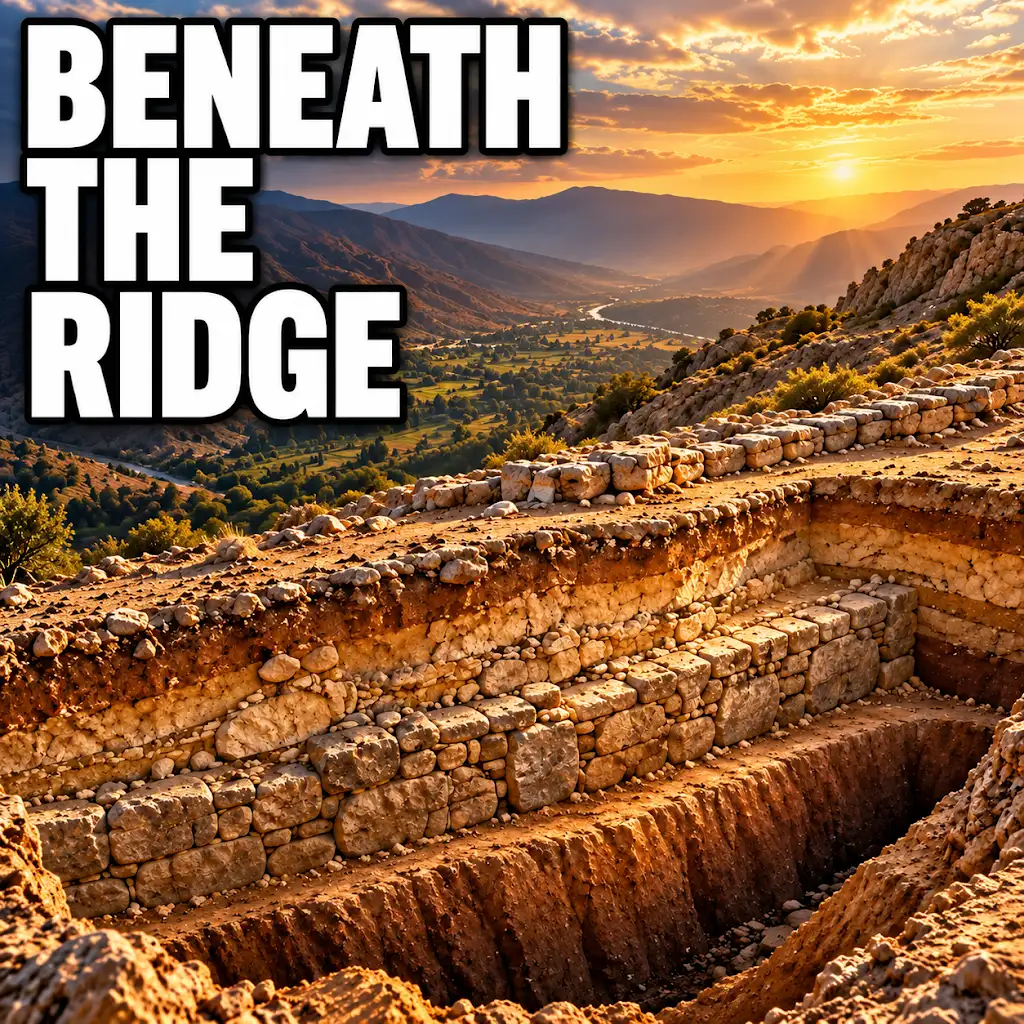
They Found a 4,000-Year-Old Defense Line in Morocco
FAQs
What is the Oued Beht wall phases sequence?
The Oued Beht wall phases sequence refers to the different construction phases of the ancient wall located in Oued Beht, detailing how the wall was built and modified over time.
How many phases are identified in the Oued Beht wall sequence?
There are three main phases identified in the Oued Beht wall sequence, each representing a different period of construction and modification of the wall.
What materials were used in the construction of the Oued Beht wall?
The Oued Beht wall was constructed using a combination of mud bricks, stones, and other locally sourced materials, reflecting the available resources at the time of construction.
What is the significance of studying the Oued Beht wall phases sequence?
Studying the Oued Beht wall phases sequence can provide valuable insights into the architectural techniques, building practices, and cultural developments of the ancient civilization that constructed the wall.
How does the Oued Beht wall phases sequence contribute to our understanding of the region’s history?
By analyzing the Oued Beht wall phases sequence, researchers can gain a better understanding of the historical context, societal changes, and possible conflicts that influenced the construction and modification of the wall over time.