The Unseen Frontier: North Africa’s Roman Limes
The Roman Empire, a civilization synonymous with conquest, engineering prowess, and a vast network of roads, also possessed an often-overlooked but crucial defensive infrastructure: its frontiers, or limites. While the Rhine and Danube rivers often capture the imagination when discussing Roman border defense, the southern expanse of the empire, particularly in North Africa, featured a formidable and complex system of fortifications. This was not a single, monolithic wall like Hadrian’s Wall, but rather a layered and adaptive defense known as the Great Roman Limes. Stretching across what is now Algeria, Tunisia, and Libya, this barrier was designed to protect the fertile coastal plains and vital agricultural heartlands from the nomadic and semi-nomadic tribes of the Sahara.
The North African Limes was a testament to Roman pragmatism, evolving over centuries in response to shifting threats and the unique geographical challenges of the region. It was a dynamic system, incorporating natural obstacles, constructed fortifications, watchtowers, forts, and strategically placed settlements. Far from being merely a passive barrier, it was an active zone of control, facilitating trade, monitoring movement, and projecting Roman authority deep into the desert’s edge. Understanding this “unseen frontier” requires delving into its origins, its varied components, its strategic purpose, and its eventual evolution and legacy.
Ancient North Africa is home to many fascinating archaeological sites, including impressive defensive walls that once protected cities from invasions. These structures, often made of stone and mudbrick, showcase the ingenuity of ancient civilizations in their efforts to fortify their settlements. For a deeper exploration of other intriguing ancient artifacts and mysteries, you can read more in this related article: Unexplained Ancient Artifacts: Mysteries of the Past.
Forging the Frontier: Origins and Evolution of the Limes
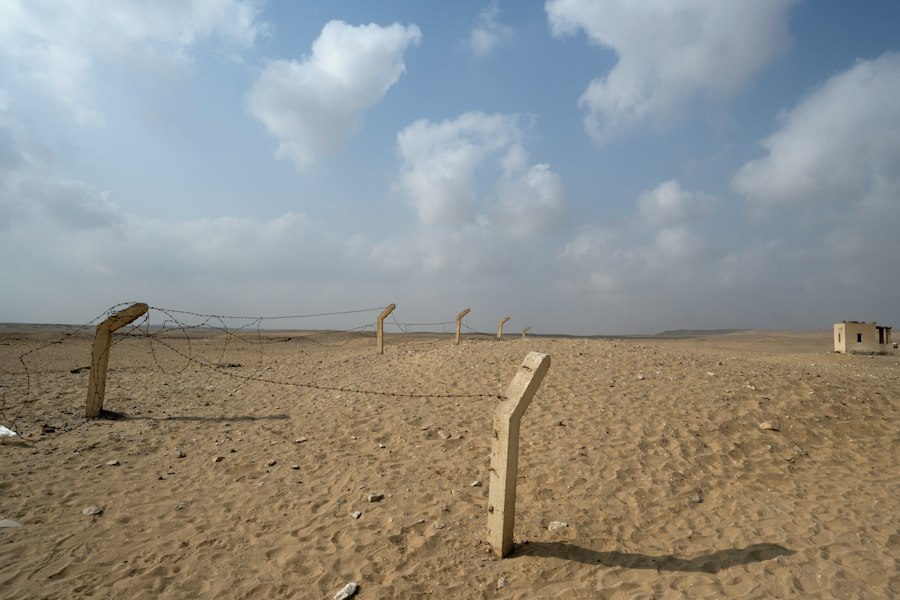
The establishment of Roman authority in North Africa, following the Punic Wars and the subsequent incorporation of territories like Carthage, brought with it the inherent responsibility of securing these newly acquired lands. The initial Roman presence was largely focused on coastal cities and the immediate hinterland. However, as Roman influence grew and the need to protect vital agricultural regions, particularly grain production, became paramount, the concept of a more defined frontier began to emerge.
The early stages of this defensive system were likely less about grand fortifications and more about establishing a network of watch posts and smaller garrisons. The primary threat came not from organized armies, but from the mobile and often unpredictable incursades of tribal groups from beyond the Roman administrative boundaries. These groups, such as the Garamantes and various Berber confederations, were adept at desert warfare and could pose a significant threat to Roman settlements and trade routes.
The Rise of Fixed Defenses
As Roman presence solidified, particularly from the 2nd century CE onwards, there was a gradual shift towards more permanent and substantial defensive structures. This period saw the construction of numerous forts, many of which were strategically positioned along nascent defensive lines. These forts served as bases for Roman legions and auxiliary units, allowing for rapid deployment and patrols. The placement of these forts was not random; they were often situated to control key passes, water sources, and routes leading into the Roman territories.
The concept of a continuous “wall” as we might envision it was not the sole focus. Instead, the Roman Limes in North Africa was a more sophisticated system of integrated defenses. This included:
- Forts and Fortlets: These were the backbone of the Limes, ranging from large legionary fortresses to smaller fortlets capable of housing detachments of soldiers. They were often rectangular in plan, with well-defined ramparts, towers, and internal buildings.
- Watchtowers: Placed at strategic intervals, these towers provided observation points for spotting approaching threats. They were often manned by small detachments and could signal warnings to nearby forts.
- Ditches and Ramparts: In some sections, particularly where natural defenses were lacking, Romans constructed earthworks, including ditches and ramparts, to create a physical barrier. These were not always continuous but served to channel potential attackers or slow their advance.
- Roads: A crucial component of the Limes was the network of military roads that connected forts, watchtowers, and settlements. These roads allowed for rapid troop movement and efficient communication.
- Natural Barriers: The Romans were adept at utilizing existing geographical features as part of their defenses. This included desert terrain, rocky outcrops, and even wadis (dry riverbeds) which could be incorporated into defensive lines.
The development of the Limes was not a single, centrally planned project but rather an ongoing process of adaptation and reinforcement. The specific nature of the fortifications varied depending on the region and the perceived threat level. For example, the Limes Tripolitanus in modern Libya, facing the more arid eastern regions, developed differently from the Limes Numidiae in Algeria, which bordered more fertile and potentially more populated tribal territories.
Components of the Barrier: Fortifications and Infrastructure

The Great Roman Limes in North Africa was a mosaic of diverse defensive structures and supporting infrastructure, each playing a vital role in maintaining the security of the Roman provinces. It was a system that leveraged both human engineering and the natural landscape to create a formidable, albeit permeable, barrier.
Forts and Garrisons: The Pillars of Defense
At the heart of the Limes lay a network of forts, varying in size and purpose. These were not merely passive structures but active military bases from which Roman power was projected.
- Legionary Fortresses: While less common directly on the Limes itself, larger legionary fortresses were often located in strategic cities behind the frontier, providing a significant reserve of manpower and resources.
- Auxiliary Forts: These were the workhorses of the Limes. Built to house auxiliary units, which were often recruited from local populations or allied tribes, these forts were strategically positioned to cover critical sectors of the frontier. Their construction was typically robust, featuring earth ramparts, ditches, and wooden palisades in earlier periods, evolving to stone construction with well-defined gateways and corner towers in later centuries. Examples like Bezereos (Ghassir) or Gemellae (Ouled Mimoun) illustrate the typical layout and defensive features.
- Fortlets and Watch Stations: Smaller than forts, these served as observation posts and early warning stations. They were often manned by small detachments of soldiers or scouts and were crucial for monitoring activity beyond the frontier. Their limited size allowed for quick construction and deployment along vast stretches of territory.
Watchtowers and Signal Systems: Eyes and Ears of the Limes
The effectiveness of any frontier defense relies on early detection and rapid communication. The Roman Limes in North Africa employed an extensive system of watchtowers, often placed at regular intervals along the defensive lines.
- Observation Posts: These towers, typically square or rectangular in plan and constructed of stone or rubble, provided elevated vantage points. From these positions, sentries could observe the movements of tribesmen, livestock, and any potential incursions.
- Signal Capabilities: Crucially, these towers were not isolated. They were designed to communicate with each other and with nearby forts. This was often achieved through visual signals, such as smoke during the day and fire at night. The Romans developed sophisticated signaling techniques, allowing for swift dissemination of warnings across considerable distances, enabling a rapid response from patrolling units or garrisons.
Defensive Earthworks: The Interrupted Barrier
While the image of a continuous stone wall is pervasive in discussions of Roman frontiers, the North African Limes often incorporated different forms of physical obstruction.
- Ramparts and Ditches: In flatter terrain or where natural defenses were less pronounced, the Romans constructed extensive earthworks. This typically involved digging a deep ditch and piling the excavated earth to form a substantial rampart. These earthworks served to impede the movement of cavalry and lightly armored infantry, forcing potential attackers into more predictable routes.
- Palisades: In earlier periods, and sometimes as a supplementary measure, wooden palisades were used to reinforce ramparts.
Roads and Logistics: The Arteries of Control
The Limes was not merely a static line of defense; it was a dynamic system supported by an intricate network of roads.
- Military Roads: These well-maintained roads connected forts, watchtowers, and settlements, facilitating the rapid movement of troops, supplies, and communication. They were essential for patrolling the frontier, responding to incursions, and maintaining Roman authority.
- Logistical Support: The presence of forts and roads also allowed for the establishment of supply depots and waystations, ensuring that garrisons were adequately provisioned. This logistical network was vital for sustaining Roman military operations in a challenging desert environment.
The Strategic Imperative: Protecting the Granary of Rome
The Roman Empire was sustained by a vast and complex economy, with agriculture playing a central role in feeding its burgeoning cities and its legions. North Africa, with its fertile coastal plains and its capacity for producing grain, was a vital breadbasket for Rome, particularly the provinces of Africa Proconsularis (modern Tunisia) and Numidia (eastern Algeria). The primary strategic imperative behind the Great Roman Limes was the protection of these crucial agricultural regions from the threats emanating from the Saharan interior.
The inhabitants of these desert fringes were not a unified empire capable of launching large-scale invasions. Instead, the threat came from nomadic and semi-nomadic tribes, such as the Garamantes, who were skilled in desert warfare and whose incursions could disrupt agricultural production, plunder settlements, and threaten vital trade routes. These tribes were highly mobile, utilizing camels and their intimate knowledge of the desert to strike quickly and retreat before Roman legions could effectively intercept them.
Securing Agricultural Lands and Trade Routes
The fertile coastal plains and the immediate hinterland were where the majority of grain production occurred. Roman landowners had invested heavily in these lands, and their output was essential for the empire’s stability. The Limes served to create a buffer zone, deterring raids and providing a sense of security that encouraged continued agricultural development and investment.
Beyond agriculture, North Africa was also a crucial conduit for trade. The Limes helped to protect the overland routes that connected the coastal cities with the interior, facilitating the movement of goods such as slaves, wild animals for the Roman games, exotic materials, and agricultural produce. While the Limes was not designed to be an impenetrable barrier, it aimed to channel and control movement, making it more difficult for hostile groups to operate with impunity.
A Zone of Control, Not Just a Line
It is important to understand that the Roman Limes was not solely a passive defensive line. It was also an active zone of control and influence. Roman forts and garrisons projected authority, enforced Roman law, and managed interactions with the frontier tribes.
- Deterrence: The visible presence of Roman military infrastructure and regular patrols served as a significant deterrent to potential raiders. The knowledge that incursions would be met with organized resistance made large-scale plundering less appealing and more risky.
- Interception and Patrols: The Limes facilitated rapid response to any incursions. Patrols could be dispatched from forts to intercept raiding parties, and watchtowers could provide early warnings, allowing for the mobilization of troops.
- Integration and Accommodation: In many instances, the Romans did not seek to completely isolate themselves from the frontier populations. Instead, they engaged in diplomacy, trade, and sometimes even incorporated local tribes into their military structure as auxiliaries. The Limes, in this context, helped to define the boundaries of Roman administration while allowing for controlled interaction with those living beyond.
The Garamantian Challenge
A significant and persistent threat to the southern frontier of Roman North Africa came from the Garamantes, a powerful confederation of tribes who controlled oases and trade routes in the Fezzan region of modern Libya. The Garamantes were known for their sophisticated irrigation systems and their mastery of desert travel. They engaged in both trade and raiding with the Romans, and their activities often necessitated a strong Roman military presence along the Limes Tripolitanus. The Roman forts and watchtowers in this region were specifically designed to monitor and counter Garamantian movements.
The strategic imperative was clear: to maintain the economic prosperity and stability of the Roman provinces by establishing a secure and controlled frontier that could withstand the pressures from the less settled regions of the Sahara. The Great Roman Limes was the physical embodiment of this imperative.
The ancient defensive walls of North Africa, particularly those constructed by the Romans, played a crucial role in protecting territories from invasions and controlling trade routes. These structures not only showcase the architectural ingenuity of the time but also reflect the socio-political dynamics of the region. For a fascinating exploration of historical maps and their implications on our understanding of ancient civilizations, you can read more in this article about the Piri Reis map, which offers insights into the geographical knowledge of the past. To learn more, visit this article.
Life on the Edge: Society and Administration of the Limes
| Wall Name | Location | Period | Length (km) | Height (m) | Purpose | Materials Used |
|---|---|---|---|---|---|---|
| Fossatum Africae | Modern Tunisia and Algeria | Roman Era (1st-3rd century AD) | Approximately 750 | Up to 3 | Border defense and control of nomadic tribes | Stone, earth, and wood |
| Libyan Desert Wall | Libya | Ancient Period (exact date unknown) | Estimated 200 | 2-3 | Protection against desert incursions | Stone and mudbrick |
| Numidian Defensive Walls | Algeria | 2nd century BC | Variable sections, approx. 50 | 2 | Defense of settlements and tribal territories | Stone and earth |
The Roman Limes in North Africa was more than just a military installation; it was a frontier society, a zone of interaction between Roman civilization and the diverse populations of the Sahara. The presence of forts, garrisons, and associated civilian settlements created unique social and administrative dynamics that shaped the lives of those who lived and served on the edge of the empire.
Military Life and Its Impact
The soldiers stationed along the Limes formed the core of its defensive and administrative function. These were often auxiliary units, recruited from local Berber tribes or from other parts of the empire, serving alongside Roman legionaries who might be stationed in larger nearby cities. Life for these soldiers was demanding, characterized by constant vigilance, rigorous training, and harsh climatic conditions.
- Garrison Duty: Soldiers were responsible for manning forts, patrolling the frontier, constructing and maintaining defenses, and enforcing Roman law. They were the visible embodiment of Roman power and authority in a region far from the imperial heartland.
- Racial and Cultural Mixing: The Limes was a melting pot of cultures. Soldiers from various backgrounds served together, and interactions with local Berber populations were frequent. This led to a degree of cultural exchange, with Roman customs and languages influencing local populations, and vice-versa. Archaeological evidence, such as pottery and inscriptions, often reveals this blend of influences.
- Veterans and Settlement: Upon completion of their service, many soldiers, particularly those recruited from local populations, would retire to the region, often receiving land grants. This contributed to the Romanization of the frontier and the establishment of settled communities.
Civilian Settlements and Economic Activity
While the military dominated the Limes, civilian settlements inevitably sprang up around the forts and along the vital roads. These vici (villages) provided essential services to the soldiers, such as food, goods, and entertainment, and became centers of local economic activity.
- Trade Hubs: The forts acted as natural magnets for trade. Local populations would bring their produce and goods to trade with soldiers and merchants, while Roman goods flowed into the region. This economic interaction was crucial for the prosperity of the frontier and for integrating these territories more fully into the Roman economic system.
- Agriculture and Resource Management: Even in areas bordering the desert, Roman influence encouraged agricultural development where possible. This included the management of water resources, the introduction of new crops, and the organization of agricultural production to meet the needs of the military and the local population.
Administration and Governance
The Limes was overseen by Roman administrators, who were responsible for maintaining order, collecting taxes, and administering justice. The military commanders of the forts often played a significant role in local governance, especially in areas where civilian infrastructure was less developed.
- Provincial Governance: The Limes was an integral part of the Roman provincial administration. Governors and their legates were responsible for the overall security and administration of the provinces, with the Limes forming the outermost layer of their defensive network.
- Integration into the Empire: The Limes served as a mechanism for integrating the frontier regions into the broader Roman imperial system. By providing security, facilitating trade, and extending Roman law, it helped to transform potentially restive tribal territories into more settled and economically viable provinces. The existence of the Limes was a statement of Roman intent: that this territory, and its resources, were under Roman protection and control.
The Lingering Legacy: Echoes of the Roman Frontier
The Great Roman Limes in North Africa, though largely dismantled and weathered by time, has left an indelible mark on the landscape and the historical memory of the region. Its remnants serve as tangible evidence of Roman ambition, engineering, and the enduring human desire to define and protect borders. The legacy of this impressive defensive system is multifaceted, encompassing archaeological, cultural, and historical dimensions.
Archaeological Discoveries and Ongoing Research
The most visible aspect of the Limes’ legacy lies in its archaeological remains. Decades of exploration and excavation have unearthed a wealth of information about its construction, its strategic placement, and the lives of the people who inhabited it.
- Preserved Forts and Towers: Many forts, fortlets, and watchtowers, though often in ruins, still stand as imposing structures against the desert backdrop. Sites like Timgad, Dougga, and the extensive remains along the Limes Tripolitanus offer unparalleled insights into Roman military architecture and frontier life. These sites are not merely historical curiosities but are vital for understanding Roman military strategy and the administration of the empire.
- Continuous Exploration: Archaeological research in North Africa is an ongoing endeavor. New discoveries are continually being made, refining our understanding of the Limes’ complexity, its various phases of development, and its interactions with local populations. The application of new technologies, such as satellite imagery and geophysical surveys, is further enhancing the ability of researchers to map and analyze these vast frontier systems.
- Challenges of Preservation: The remote locations of many Limes remains, coupled with environmental factors and the pressures of modern development, present significant challenges to their preservation. Protecting these invaluable historical sites for future generations is a crucial undertaking.
Cultural and Historical Significance
Beyond the physical remains, the Great Roman Limes holds significant cultural and historical weight. It represents a crucial period in the history of North Africa, marking the extension of Roman civilization into regions that would otherwise have remained outside its influence.
- Romanization and Identity: The Limes played a role in the process of Romanization, influencing the development of local societies, languages, and administrative structures. The legacy of Roman law, language, and infrastructure can still be traced in the region today.
- A Model of Frontier Defense: The North African Limes serves as a compelling case study in Roman frontier defense. It demonstrates the adaptability and ingenuity of the Romans in creating complex, layered defense systems that were tailored to specific geographical and geopolitical challenges. Unlike more linear defenses, the Limes here was a more fluid and integrated approach to border control.
- Understanding Imperial Expansion: The existence and maintenance of the Limes highlight the vast reach and ambitions of the Roman Empire. It underscores the strategic importance of North Africa as a source of resources and a vital region for maintaining imperial stability.
Enduring Echoes in the Modern Landscape
While the Roman legions have long since departed, the echoes of their frontier presence persist. The ancient roads, now often faded tracks, still whisper tales of troop movements and trade caravans. The ruins of forts stand as silent sentinels, testaments to a past era of imperial control. The Limes, though no longer a functional barrier, remains a powerful symbol of the enduring human endeavor to define, defend, and integrate territories – a universal theme that resonates across millennia. Its study continues to offer invaluable lessons about the complexities of border management, the dynamics of imperial power, and the deep and lasting impact of human endeavors on the very fabric of the earth.

They Found a 4,000-Year-Old Defense Line in Morocco
FAQs
What is the purpose of the ancient North Africa defensive wall?
The ancient North Africa defensive wall was built to protect the region from invasions by foreign armies and to provide security for the inhabitants living within its boundaries.
When was the ancient North Africa defensive wall constructed?
The construction of the ancient North Africa defensive wall began in the early centuries AD, with various sections being built and expanded over time to strengthen the defenses of the region.
How long is the ancient North Africa defensive wall?
The ancient North Africa defensive wall is estimated to have stretched for hundreds of miles, with some sections being several meters high and several meters thick to deter potential invaders.
Which civilizations were involved in the construction of the ancient North Africa defensive wall?
The ancient North Africa defensive wall was built by various civilizations that inhabited the region, including the Romans, Byzantines, and indigenous North African tribes, each contributing to its construction and maintenance.
Is the ancient North Africa defensive wall still standing today?
While some sections of the ancient North Africa defensive wall still exist today, much of it has deteriorated over time due to natural elements and human activities, with efforts being made to preserve and protect the remaining portions as historical landmarks.