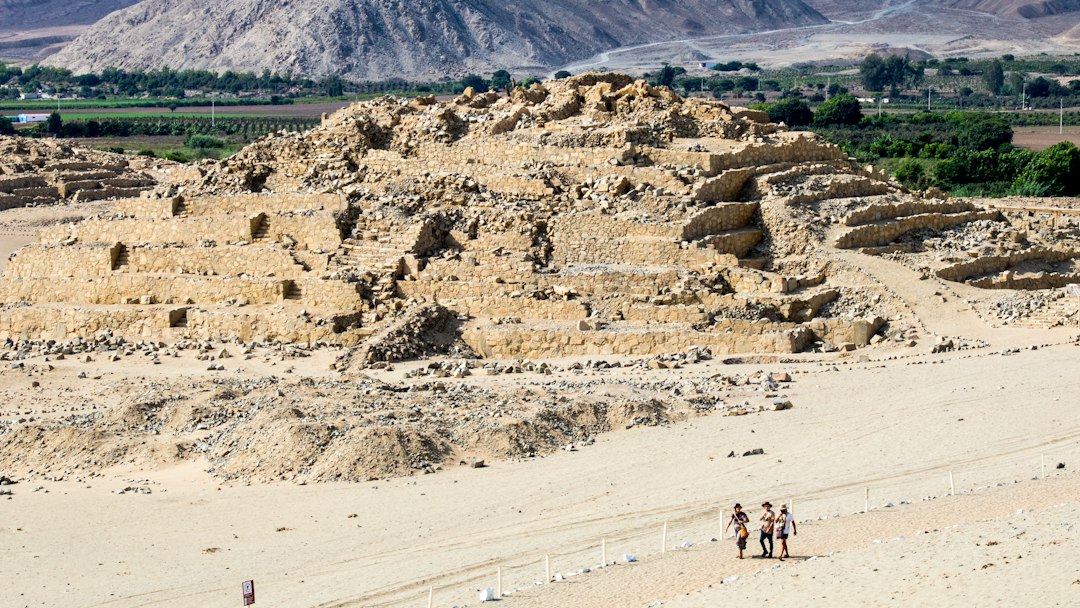
The Oued Beht region, a verdant artery snaking through arid landscapes, has long held secrets of human habitation stretching back to antiquity. Recent archaeological investigations, meticulously detailed in the Oued Beht Archaeological Report, have begun to peel back the layers of time, offering unprecedented insights into the lives, practices, and societal structures of ancient settlements that once thrived along its fertile banks. This report represents a culmination of years of painstaking fieldwork, advanced analytical techniques, and interdisciplinary collaboration, painting a vivid picture of a dynamic past that shaped the cultural and economic landscape of the region. The findings underscore the importance of Oued Beht not merely as a geographical feature but as a crucial nexus for human development and interaction throughout millennia.
Echoes from the Distant Past: Early Human Presence in the Oued Beht Valley
The earliest evidence unearthed within the Oued Beht valley points to human activity dating back to the prehistoric eras. These foundational periods, often characterized by hunter-gatherer societies, laid the groundwork for subsequent, more complex settlements. The report meticulously documents the material culture recovered from these nascent periods, offering a glimpse into the daily lives and technological capabilities of these early inhabitants. Understanding this foundational presence is crucial for tracing the evolution of human adaptation and resource utilization in this specific environment.
Traces of Stone Age Ingenuity: Lithic Assemblages and Tool Use
One of the most striking revelations from the early periods concerns the sophisticated lithic assemblages discovered. The Oued Beht Archaeological Report details a diverse array of stone tools, including handaxes, scrapers, and projectile points, expertly crafted from locally sourced flint and chert. The typological analysis of these tools, coupled with their spatial distribution, suggests a high degree of technological proficiency and a deep understanding of the available raw materials. The researchers highlight the consistent patterns in tool manufacturing techniques across different sites, indicating established traditions and knowledge transfer within these early communities. Furthermore, the identification of specific tool types associated with particular activities, such as butchery or woodworking, allows for inferences about the subsistence strategies and economic activities of these Stone Age populations. The presence of debitage, or waste material from tool production, at several locations provides direct evidence of on-site manufacturing, further solidifying the interpretation of these sites as places of skilled craftsmanship.
Nomadic Roots: Evidence of Seasonal Migration and Resource Exploitation
The spatial distribution of artifacts, coupled with paleoenvironmental data, strongly suggests that early human presence in the Oued Beht valley was characterized by seasonal migration. The report posits that these early groups likely followed the availability of water and game, utilizing the Oued Beht as a vital corridor and resource hub. The discovery of ephemeral campsites, often marked by hearths and concentrations of stone tools, in strategic locations near water sources or areas rich in game animals supports this hypothesis. The analysis of faunal remains, though fragmented, provides further clues, indicating the exploitation of a range of animals, from small game to larger herbivores. This migratory pattern would have necessitated a detailed knowledge of the local ecology, including plant life, animal behavior, and seasonal cycles, all of which would have been passed down through generations. The Oued Beht, with its fluctuating water levels and diverse flora and fauna, would have offered a dynamic and resource-rich environment conducive to such mobile lifestyles. The report emphasizes that these early nomadic groups were not merely transient visitors but actively engaged with and shaped their environment through their resource exploitation practices.
The recent archaeological report on Oued Beht has sparked interest in the historical significance of ancient maps and their implications for understanding past civilizations. A related article that delves into the authenticity of historical cartography is titled “US Military Confirms Authenticity of Piri Reis Map,” which discusses the intriguing details surrounding this ancient map and its relevance to modern archaeological findings. For more insights, you can read the article here: US Military Confirms Authenticity of Piri Reis Map.
The Dawn of Sedentism: Neolithic Transitions and Agricultural Beginnings
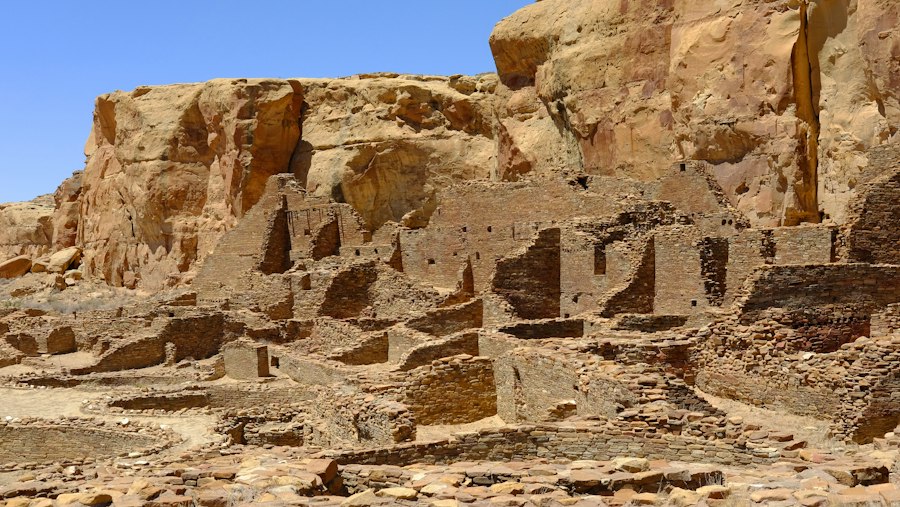
The Neolithic period marks a profound shift in human history, characterized by the transition from mobile foraging to settled agricultural lifestyles. The Oued Beht region bears witness to this transformative era, with archaeological evidence pointing to the emergence of permanent settlements and the adoption of new technologies and social structures. The report meticulously details the changes observed in settlement patterns, subsistence strategies, and material culture during this pivotal period.
Foundations of Farming: Early Agricultural Practices and Domesticated Species
The Oued Beht Archaeological Report presents compelling evidence for the early adoption of agriculture in the valley. Excavations have revealed the presence of domesticated cereals, such as wheat and barley, alongside tools associated with cultivation, like polished stone sickles and grinding stones. The identification of these cultivated species, through archaeobotanical analysis of carbonized seeds and pollens, signifies a deliberate shift away from exclusive reliance on wild resources. The report also discusses the initial stages of animal domestication, with evidence pointing to the management of sheep, goats, and possibly cattle. The analysis of faunal remains from Neolithic contexts shows a higher proportion of juvenile animals and isotopic analysis of bone collagen can reveal dietary shifts indicative of reliance on domesticated species. This transition to agriculture would have had profound implications for social organization, requiring new forms of cooperation for land management, crop cultivation, and resource storage. The establishment of more permanent settlements facilitated population growth and the development of specialized labor roles.
Village Life Emerges: Settlement Layouts and Architectural Innovations
The Neolithic sites in the Oued Beht valley reveal the emergence of organized village life, characterized by distinct settlement layouts and early architectural innovations. The report describes the discovery of dwellings constructed from readily available materials such as mudbrick and stone, often arranged in clusters that suggest a nascent form of community planning. Evidence of hearths within these structures, along with storage pits and refuse areas, provides insights into domestic activities and household organization. The scale and permanence of these Neolithic settlements, when compared to the ephemeral campsites of earlier periods, underscore the growing commitment to place and the development of a sense of belonging. The report also notes the presence of communal structures, such as larger buildings that may have served as gathering spaces or for shared storage, hinting at early forms of social cooperation and decision-making. The careful excavation and documentation of these settlement layouts allow for an understanding of the spatial dynamics of early villages and the social relationships they might have reflected.
Bronze Age Developments: Complex Societies and Interregional Connections
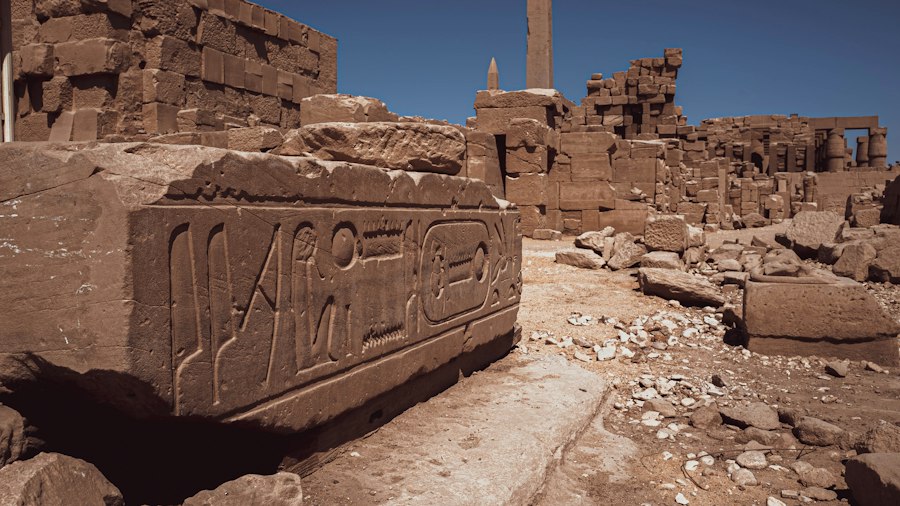
The Bronze Age witnessed a significant acceleration in societal complexity, marked by advancements in metallurgy, increased trade networks, and the rise of more stratified social structures. The Oued Beht region was not isolated from these developments, and the archaeological findings from this period illuminate its integration into wider regional and interregional networks. The report details the material culture and settlement patterns that characterize Bronze Age life in the valley.
Masters of Metal: The Impact of Bronze Technology and Craft Specialization
The advent of bronze metallurgy had a transformative impact on the Oued Beht societies. The report documents the discovery of bronze artifacts, including tools, weapons, and ornaments, demonstrating a mastery of metalworking techniques. The analysis of slag and metal fragments, coupled with the study of casting molds, provides evidence of local bronze production. This technological innovation likely led to increased efficiency in agriculture and craftsmanship, as well as new possibilities for warfare and status display. The presence of specialized metalworking sites suggests the emergence of craft specialists, individuals who dedicated their skills to the production of these valuable items. This specialization, in turn, implies a degree of social stratification, where certain individuals or groups held specialized knowledge and controlled the production and distribution of bronze goods. The report emphasizes that the availability of bronze likely influenced the economic and social dynamics of the time, fostering new forms of trade and competition.
Arteries of Trade: Evidence of Exchange Networks and Cultural Diffusion
The Bronze Age in the Oued Beht valley was characterized by extensive trade networks, connecting local communities with distant regions. The report highlights the discovery of non-local raw materials, such as specific types of stone or exotic minerals, as well as finished goods, indicating a robust system of exchange. The presence of pottery styles that deviate from local traditions, but bear similarities to those found in neighboring regions, further supports the idea of active trade and cultural exchange. These networks would have facilitated not only the movement of goods but also the transmission of ideas, technologies, and cultural practices. The Oued Beht, with its strategic location, likely served as a vital conduit within these wider trade routes, connecting resource-rich areas with centers of consumption. The report suggests that the economic prosperity of some Bronze Age settlements in the valley may have been directly linked to their participation in these extensive exchange systems.
Iron Age Transformations: Resilience, Adaptation, and New Social Orders
The transition to the Iron Age brought about further societal changes, often characterized by greater dynamism and adaptation to new environmental or political circumstances. The Oued Beht region reflects these transformations, with archaeological evidence pointing to the resilience of its inhabitants and the emergence of new social and political structures. The report offers detailed accounts of Iron Age settlements and their material culture.
Forging Ahead: Ironworking Techniques and Their Societal Implications
The Iron Age introduction of ironworking brought about another significant technological leap. The Oued Beht Archaeological Report details the discovery of iron artifacts, ranging from agricultural implements to weaponry, which would have been more accessible and durable than their bronze predecessors. The ability to work iron locally would have democratized access to this material, potentially impacting social hierarchies and enabling wider adoption of more efficient tools. The analysis of iron smelting sites and slag deposits provides insights into the production processes and the skills required for ironworking. This new technology likely spurred further agricultural productivity and advancements in craft industries. The report speculates on the social implications of iron, considering its potential role in warfare, its impact on resource management, and its contribution to the development of new societal structures. The accessibility of iron might have empowered a broader segment of the population, leading to shifts in power dynamics and social organization.
Shifting Landscapes: New Settlement Patterns and Political Organization
Iron Age settlements in the Oued Beht valley exhibit a discernible shift in patterns, potentially reflecting changes in agricultural practices, defense strategies, or political organization. The report discusses the emergence of fortified settlements or the reoccupation of earlier sites with new defensive features, suggesting a response to potentially more turbulent times or the consolidation of power. The scale and organization of these settlements may also indicate a move towards more centralized political authority or the formation of larger territorial units. The analysis of funerary practices from this period can also offer insights into social stratification and the organization of communities. The report speculates on the relationship between these settlement changes and the broader political landscape of the time, considering the possibility of alliances, conflicts, and the rise of local chiefdoms or kingdoms. The Oued Beht valley, with its fertile lands and strategic position, would have been a valuable territory for political control and resource management during this dynamic period.
The recent archaeological report on Oued Beht has shed light on the advanced water management systems used by ancient civilizations in the region. This discovery aligns with findings from another insightful article that explores similar ancient techniques, which can be found in the discussion of ancient water management systems. For those interested in understanding the broader implications of these discoveries, you can read more about it in the article here. The connections between these studies highlight the ingenuity of early societies in adapting to their environments.
The Legacy of Oued Beht: Continuities, Innovations, and Future Research
| Metric | Details |
|---|---|
| Site Name | Oued Beht |
| Location | Morocco, Middle Atlas region |
| Period | Neolithic to Bronze Age |
| Excavation Years | 2018 – 2023 |
| Number of Artifacts Found | Approximately 1,200 |
| Types of Artifacts | Pottery shards, stone tools, bone fragments, metal objects |
| Radiocarbon Dates | 4500 BCE – 1200 BCE |
| Site Area | 2.5 hectares |
| Key Findings | Evidence of early agricultural practices and metalworking |
| Report Published | 2024 |
The Oued Beht Archaeological Report not only illuminates the past but also raises crucial questions about the long-term legacy of these ancient settlements and the trajectory of human adaptation in the region. The findings highlight both the enduring aspects of human culture and the constant process of innovation and change. The report concludes by emphasizing the ongoing nature of archaeological inquiry and the potential for future discoveries.
Threads of Tradition: Enduring Cultural Practices and Belief Systems
Despite the significant transformations witnessed across different periods, the report identifies threads of continuity in cultural practices and potential belief systems within the Oued Beht settlements. Certain recurring motifs in pottery decoration, consistent burial rituals across generations, or the continued use of specific sacred sites might suggest the persistence of deeply ingrained traditions. The analysis of symbolic artifacts and the spatial organization of settlements can offer clues to the spiritual beliefs and cosmologies of these ancient peoples. The report acknowledges the inherent difficulty in fully reconstructing belief systems from material remains but points to recurring patterns that suggest underlying cultural cohesion and shared worldviews. These enduring traditions offer a sense of deep time and cultural resilience, connecting the inhabitants of Oued Beht across millennia.
The Unfolding Narrative: Gaps in Knowledge and Avenues for Further Exploration
The Oued Beht Archaeological Report is a testament to the progress made in understanding the region’s ancient past, yet it also clearly delineates the significant gaps that remain. The report identifies specific areas where further research is critically needed, including the need for more extensive excavation of certain periods, the application of advanced scientific techniques such as ancient DNA analysis or detailed isotopic studies, and the comparative study with neighboring archaeological sites. The potential for uncovering new settlements, understanding interregional interactions with greater clarity, and deciphering the nuances of social and political organization presents exciting avenues for future exploration. The report serves as a vital roadmap for subsequent archaeological endeavors, urging continued investigation to fully unravel the complex and fascinating narrative of human presence along the Oued Beht.

They Found a 4,000-Year-Old Defense Line in Morocco
FAQs
What is the significance of Oued Beht archaeological site?
The Oued Beht archaeological site is significant as it provides valuable insights into the ancient civilizations that once inhabited the region, shedding light on their culture, lifestyle, and technological advancements.
What artifacts have been discovered at the Oued Beht archaeological site?
Artifacts discovered at the Oued Beht archaeological site include pottery, tools, jewelry, and human remains, all of which help archaeologists piece together the history of the area and its inhabitants.
How old is the Oued Beht archaeological site?
The Oued Beht archaeological site dates back to [insert specific time period if available], making it a crucial location for understanding the timeline of human occupation in the region.
Who conducted the archaeological excavations at Oued Beht?
The archaeological excavations at Oued Beht were conducted by a team of archaeologists and researchers from [insert institution or organization if available], who meticulously uncovered and documented the artifacts and structures found at the site.
What can visitors learn from a visit to the Oued Beht archaeological site?
Visitors to the Oued Beht archaeological site can learn about the ancient history of the region, the daily lives of its past inhabitants, and the significance of archaeological research in uncovering the mysteries of the past.