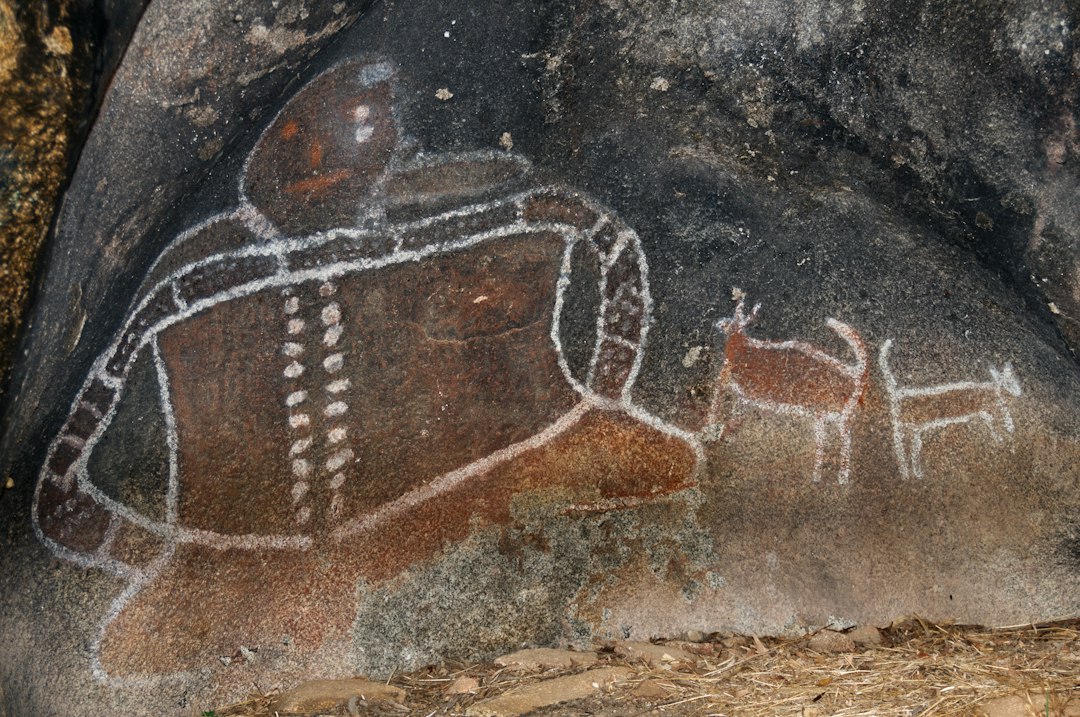
The silent whispers of the past are etched onto cave walls across the globe, a testament to the minds and hands of our prehistoric ancestors. These ancient artworks, ranging from the evocative Lascaux and Chauvet caves in France to the enigmatic rock shelters of India and Australia, offer tantalizing glimpses into worlds long gone. For archaeologists, decoding these prehistoric wall art panels is not merely an act of academic curiosity; it is a profound endeavor to reconstruct the cognitive, social, and spiritual lives of humanity’s earliest artists. This process, steeped in interpretation and informed by a rigorous scientific methodology, bridges the vast chasm of time, allowing us to connect with the fundamental human drives for expression, communication, and understanding.
Echoes from the Deep Past: Understanding the Nature of Prehistoric Art
The sheer age of prehistoric wall art presents the first and perhaps most significant interpretative challenge. Dating these creations, often using radiocarbon dating of organic materials found in association with the pigments or on the surfaces, places them within broad timeframes, typically the Upper Paleolithic (roughly 40,000 to 10,000 years ago) and Neolithic periods. However, within these vast epochs, pinpointing exact timelines for individual artworks or stylistic shifts remains an ongoing area of research. The materials themselves – ochres, charcoal, manganese oxides, animal fats, and even blood – speak to the ingenuity of prehistoric peoples in utilizing their immediate environment for artistic purposes. Their application, whether through fingers, brushes made of animal hair or plant fibers, or even blowing pigments through tubes, reveals a range of technical skills and deliberate artistic choices. The subjects depicted are equally diverse: animals, often rendered with striking naturalism and dynamism, dominate many sites. Mammoths, horses, bison, deer, and felines are common, their forms captured with an anatomical precision that suggests intimate knowledge and keen observation. Human figures, while less frequent, appear in various forms, from stylized outlines to more detailed representations, sometimes engaged in actions that hint at narrative or ritual. Geometric shapes, hand stencils, and abstract patterns also feature prominently, their meanings remaining particularly elusive.
The Challenge of Interpretation: Bridging the Epistemological Gap
The fundamental hurdle in decoding prehistoric art lies in the vast epistemological gap between the modern interpreter and the prehistoric creator. We lack direct access to the cultural contexts, belief systems, and individual intentions that motivated these artworks. Unlike historical texts, which provide explicit narratives, prehistoric art is largely symbolic and open to a multitude of readings. This necessitates a careful and nuanced approach, relying on inference, analogy, and the accumulation of evidence from multiple sources. The temptation to impose modern interpretations onto ancient imagery must be resisted, replaced by a commitment to understanding the potential meanings within the framework of prehistoric societies. The very act of creating art in these sacred spaces suggests a significance beyond mere decoration. It points towards a purposeful engagement with the world, likely intertwined with spiritual beliefs, social structures, and the transmission of knowledge.
Stylistic Analysis: Tracing the Evolution of Artistic Expression
Archaeologists employ stylistic analysis to identify patterns, variations, and potential developments in prehistoric art. By categorizing motifs, techniques, and compositions, they can begin to discern different regional styles, chronological phases, and even individual or group authorship. The meticulous observation of how animals are depicted – whether in profile, with exaggerated features, or in motion – and how human figures are rendered provides crucial clues. For instance, the increasing naturalism observed in some Paleolithic cave art contrasts with the more schematic representations found in later periods. Comparing the artistic conventions across different cave systems or geographic regions can help to map the diffusion of ideas and artistic traditions. This comparative approach, akin to studying different dialects of a shared language, allows researchers to identify common threads and unique innovations.
Prehistoric wall interpretation in archaeology offers fascinating insights into the lives and cultures of ancient societies. For those interested in exploring related topics, an intriguing article can be found at this link, which discusses the broader implications of historical structures and their significance in understanding human development over time. This article provides a unique perspective that complements the study of prehistoric walls and their interpretations.
Thematic Unraveling: Unlocking the Meanings Behind the Images
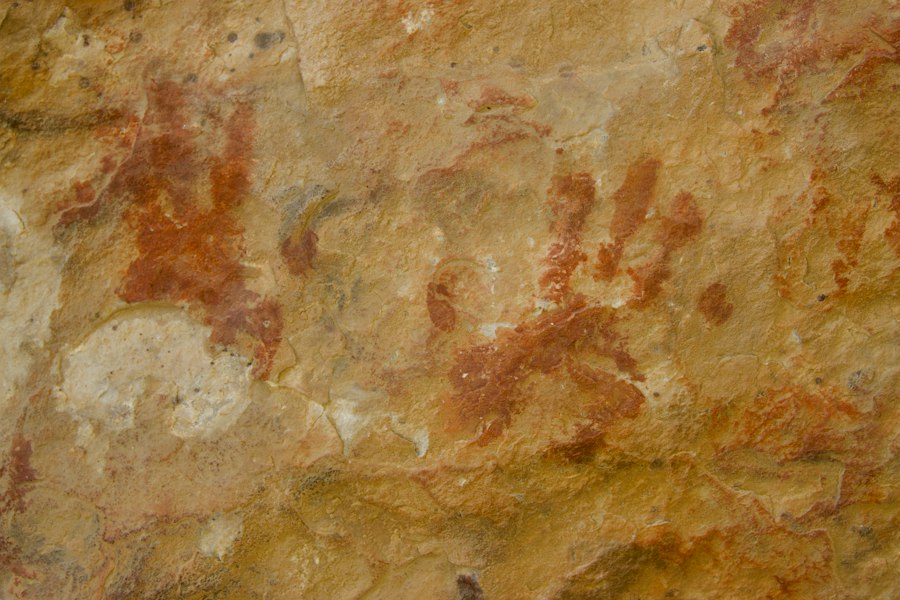
Beyond stylistic considerations, archaeologists delve into the thematic content of prehistoric art to understand its potential purposes and meanings. The prevalence of certain subjects, the way they are depicted, and their placement within the cave environment all contribute to a multifaceted interpretation. The notion of “sympathetic magic,” the belief that depicting an animal could influence its hunting success, has long been a prominent theory, particularly for animal imagery. However, this is often seen as only one layer of meaning. The dynamic poses of animals, their portrayal as powerful beings, and their sometimes vulnerable depictions can also reflect a complex relationship with the natural world, encompassing respect, awe, and a desire for balance.
Animal Iconography: More Than Just Prey
The animal kingdom clearly held immense significance for prehistoric peoples. Their detailed and often lifelike depictions are not simply zoological records. The choice of specific animals, their scale, and their prominence on the cave walls suggest they held symbolic weight. Are they totems, representing clan lineages? Are they spiritual intermediaries, connecting the human realm with the divine? Or do they represent powerful forces of nature that needed to be understood and appeased? The depiction of predators and prey together, or of animals in states of agitation or calm, can offer insights into the perceived relationships between different species and the broader ecological context of their lives. The careful rendering of horns, antlers, and other distinguishing features demonstrates a deep understanding of animal anatomy, born from observation and likely from direct interaction.
Human Representation and Narrative Potential
The depiction of human figures, though often less detailed than animals, is equally significant. Whether solitary figures, group scenes, or abstract human-like forms, they provide a crucial point of connection for the modern observer. Some figures appear to be engaged in activities such as hunting, dancing, or ritualistic practices. The presence of what might be shamanistic attire or postures suggests the role of altered states of consciousness in the creation or interpretation of the art. The scarcity of detailed human portraits might indicate a cultural emphasis on collective identity or a reluctance to depict individuals in a way that could be misinterpreted or misused. The potential for narrative in these depictions, however, remains a compelling area of investigation. Do they tell stories of hunts, migrations, or important social events? Unraveling these visual narratives requires careful attention to the composition and interaction of figures within the artwork.
Abstract Symbols and Geometric Forms: The Enigmatic Language
The presence of abstract symbols and geometric patterns in prehistoric art poses some of the most challenging interpretative questions. Circles, dots, lines, and grid-like structures appear alongside more figurative imagery, often without clear external referents. While some scholars have attempted to link these to early forms of writing or counting systems, their precise meaning remains elusive. They could represent cosmological concepts, mapping the stars or the cyclical nature of time. They might be markers of territory, personal identity, or even mnemonic devices to aid in the transmission of oral traditions. The recurring nature of certain geometric motifs across different sites suggests a shared symbolic language, albeit one that is now largely lost to us. Their integration with animal depictions, sometimes appearing within or around them, hints at a deeper connection between the abstract and the concrete in the prehistoric worldview.
Contextual Clues: The Archaeology of Sacred Spaces

The location and context in which prehistoric wall art is found are as crucial to its interpretation as the art itself. Caves, rock shelters, and natural fissures were not random canvases; they were often deliberately chosen and perhaps imbued with special significance. The remoteness of many sites, the difficulty of access, and the specific environmental features of these locations all contribute to our understanding of their purpose. Archaeologists meticulously excavate the floors of these art-bearing sites, searching for associated artifacts, human remains, and evidence of activity. The presence of hearths, discarded tools, bone fragments, and ochre processing areas can illuminate the human presence within these spaces and the activities that took place there.
Ritual and Belief Systems: Glimpses into the Spiritual Realm
The assumption that prehistoric art was deeply intertwined with ritual and belief systems is widely held. The careful selection of these often inaccessible locations, coupled with the monumental effort involved in creating the art, suggests a purpose beyond mere aesthetic expression. Many caves are thought to have served as sacred sites, places for ceremonies, initiation rites, or communication with the spirit world. The act of entering the deep darkness of a cave, illuminated by flickering torchlight, would have been a transformative experience. The art, revealed in this ephemeral light, might have been integral to these rituals, intended to evoke awe, inspire reverence, or facilitate spiritual encounters. The presence of specific animal depictions within certain areas of a cave, or the arrangement of artworks, can hint at choreographed rituals or stages of ceremony.
Social and Economic Functions: Beyond the Mystical
While spiritual interpretations are compelling, it is also important to consider the potential social and economic functions of prehistoric art. In some cases, art may have played a role in reinforcing social structures, establishing group identity, or demarcating territory. The sharing of artistic styles and motifs across a region could indicate strong social ties and a common cultural heritage. Furthermore, the hunting of the animals depicted was central to the survival of prehistoric peoples. The art could have served as a form of educational tool, teaching younger generations about animal behavior, tracking techniques, or the importance of respecting the natural world. The economic aspect is also present in the procurement and processing of pigments, which would have involved specialized knowledge and perhaps even trade.
The Human Presence: Activity and Occupation in Art Sites
The archaeological evidence of human activity within cave art sites provides crucial context for interpreting the artworks. The discovery of hearths indicates that these spaces were occupied, perhaps for extended periods or during specific events. The presence of stone tools, fragments of bone, and discarded materials suggests the activities that took place – toolmaking, food preparation, or the crafting of art itself. The careful analysis of stratigraphy, the layering of archaeological deposits, can help to establish the sequence of events within a site, potentially revealing how the art was created and used over time. Understanding the density and distribution of these artifacts can also shed light on the intensity and nature of human presence in these art-rich environments.
Methodological Advancements: Tools for Deeper Understanding
The field of prehistoric art interpretation is continuously evolving, driven by technological innovation and the refinement of interpretative methodologies. As our understanding of human cognition and behavior grows, so too does our ability to approach these ancient artworks with greater sophistication. The application of scientific techniques, combined with interdisciplinary collaborations, is pushing the boundaries of what we can glean from these silent witnesses. The days of purely subjective interpretation are long past, replaced by a commitment to evidence-based reasoning and rigorous analysis.
Scientific Dating Techniques: Establishing Chronological Frameworks
Precise dating is fundamental to understanding the evolution of prehistoric art. Radiocarbon dating of organic pigments or associated materials has been revolutionary, providing absolute ages for many artworks. More advanced techniques, such as Uranium-series dating, can be applied to mineral formations that cover or are associated with the art, offering complementary chronological data. Optically Stimulated Luminescence (OSL) dating can date sediments that bury or are directly beneath the art, providing crucial context. These scientific methods allow archaeologists to establish chronological frameworks, compare stylistic developments across different periods, and identify potential influences and innovations over vast stretches of time. The ability to place artworks within a temporal sequence is essential for tracing cultural continuity and change.
Imaging and Analytical Technologies: Revealing Hidden Details
Modern imaging and analytical technologies are transforming the way we study prehistoric art. High-resolution photography, digital enhancement, and 3D scanning can reveal details that are invisible to the naked eye, such as faint traces of pigment, underlying layers of paint, or subtle variations in texture. Spectroscopic analysis, such as Raman spectroscopy and X-ray fluorescence, can identify the chemical composition of pigments without damaging the artwork, providing insights into the materials used and their origins. These technologies allow for non-invasive examination and detailed documentation, enabling scholars to conduct extensive comparative analyses and to virtually explore sites that may be geographically remote or ecologically sensitive.
Cognitive and Behavioral Archaeology: Reconstructing the Mind
Cognitive and behavioral archaeology seeks to understand the mental processes and decision-making that underpinned prehistoric behaviors, including the creation of art. By applying principles of cognitive science, evolutionary psychology, and ethology, researchers can develop models that help to explain why certain subjects were depicted, how they were organized, and what the artists’ intentions might have been. This approach encourages us to think about the cognitive abilities required for artistic creation, such as memory, planning, and symbolic thought. It also prompts us to consider the social context of art production, such as whether it was a solitary endeavor or a collaborative effort. Understanding the “how” and “why” of prehistoric art creation requires a multidisciplinary approach that bridges the gap between material evidence and the intangible world of the mind.
Recent studies in prehistoric wall interpretation archaeology have shed light on the intricate designs and meanings behind ancient artworks. One fascinating example is the site of Chavín de Huantar, where researchers have uncovered the significance of sound in relation to the carvings. For a deeper understanding of this unique aspect, you can explore the article that discusses the mystical sound of Chavín de Huantar at this link. The interplay between sound and visual art at such sites reveals much about the cultural practices of prehistoric societies.
Enduring Mysteries and Future Directions: The Unfolding Dialogue
| Metric | Description | Typical Values / Examples | Significance in Archaeology |
|---|---|---|---|
| Age of Wall | Estimated time period when the wall was constructed | 10,000 – 2,000 BCE (Neolithic to Bronze Age) | Helps place the wall in a cultural and historical context |
| Material Composition | Types of stones or materials used in construction | Limestone, sandstone, mudbrick, granite | Indicates available resources and construction techniques |
| Wall Length | Measured length of the prehistoric wall | From a few meters to several kilometers (e.g., Hadrian’s Wall ~117 km) | Reflects the scale and possible function of the wall |
| Wall Height | Estimated or measured height of the wall | 0.5 – 5 meters | Indicates defensive capabilities or symbolic importance |
| Construction Technique | Method used to build the wall | Dry stone, mortar-bound, rammed earth | Reveals technological advancement and cultural practices |
| Associated Artifacts | Objects found near or within the wall structure | Pottery shards, tools, pigments | Helps interpret the wall’s use and cultural significance |
| Wall Function Hypothesis | Proposed purpose of the wall | Defense, territorial boundary, ceremonial, agricultural terrace | Guides archaeological interpretation and research focus |
| Preservation State | Condition of the wall remains | Intact, partially collapsed, heavily eroded | Affects the reliability of interpretation and dating |
| Dating Methods Used | Techniques applied to estimate wall age | Radiocarbon dating, stratigraphy, luminescence dating | Ensures accurate chronological placement |
Despite significant advancements, much about prehistoric wall art remains enigmatic. The subjective nature of interpretation, the inherent limitations of the archaeological record, and the sheer gulf of time ensure that some questions will likely never be definitively answered. However, this lack of definitive closure does not diminish the value of the endeavor. Instead, it fuels ongoing research, encouraging new questions and the exploration of novel approaches. The dialogue between the past and the present, mediated through these ancient images, is a continuous and evolving one.
The Unanswered Questions: Acknowledging the Limits of Knowledge
The core mystery of prehistoric art lies in its ultimate meaning and purpose. While we can infer ritualistic, social, and economic functions, the precise beliefs and intentions of the artists often remain beyond our grasp. The abstract symbols continue to defy easy categorization, and the narratives suggested by figurative art are subject to interpretation. The extent to which these artworks were viewed by the general population, or restricted to a select few, is also a matter of ongoing debate. The question of whether art served a purely aesthetic purpose, or if it was always imbued with deeper significance, is a constant undercurrent in these discussions.
Emerging Theories and Interdisciplinary Approaches: New Lenses
The interpretation of prehistoric art is increasingly benefiting from interdisciplinary approaches. Collaborations between archaeologists, anthropologists, art historians, cognitive scientists, and even neuroscientists are providing new lenses through which to view these ancient creations. Emerging theories explore the role of visual perception, the impact of altered states of consciousness on artistic expression, and the potential for universal patterns in human symbolic thought. The study of contemporary indigenous art forms, while acknowledging crucial differences, can sometimes offer analogies for understanding the symbolic systems and social functions of prehistoric art. The focus is shifting towards understanding the art as a complex cultural phenomenon, rather than a collection of isolated images.
Preservation and Future Research: Safeguarding the Legacy
The preservation of prehistoric wall art is paramount, ensuring that future generations can continue to study and be inspired by these irreplaceable cultural treasures. Climate control, visitor management, and ongoing conservation efforts are vital to protect these fragile sites from environmental damage and human impact. Future research will likely focus on developing even more sophisticated non-invasive analytical techniques, exploring previously undiscovered sites, and fostering greater international collaboration. The continued quest to decode prehistoric wall art is not just an academic pursuit; it is a fundamental exploration of what it means to be human, tracing our shared heritage back to the very dawn of our creative consciousness.

They Found a 4,000-Year-Old Defense Line in Morocco
FAQs
What is a prehistoric wall?
A prehistoric wall is a structure built by ancient civilizations using various materials such as stone, mud, or wood to create a barrier or enclosure.
How do archaeologists interpret prehistoric walls?
Archaeologists interpret prehistoric walls by studying their construction techniques, materials used, surrounding artifacts, and the context in which they were built to understand their purpose and significance.
What can prehistoric walls tell us about ancient societies?
Prehistoric walls can provide insights into the social organization, defensive strategies, settlement patterns, and technological advancements of ancient societies that built them.
Why are prehistoric walls important in archaeology?
Prehistoric walls are important in archaeology because they offer valuable information about past human activities, cultural practices, and environmental adaptations, helping researchers reconstruct and understand ancient civilizations.
What challenges do archaeologists face when interpreting prehistoric walls?
Archaeologists face challenges such as preservation issues, limited historical records, varying construction techniques, and the need for interdisciplinary approaches when interpreting prehistoric walls to gain a comprehensive understanding of their significance.