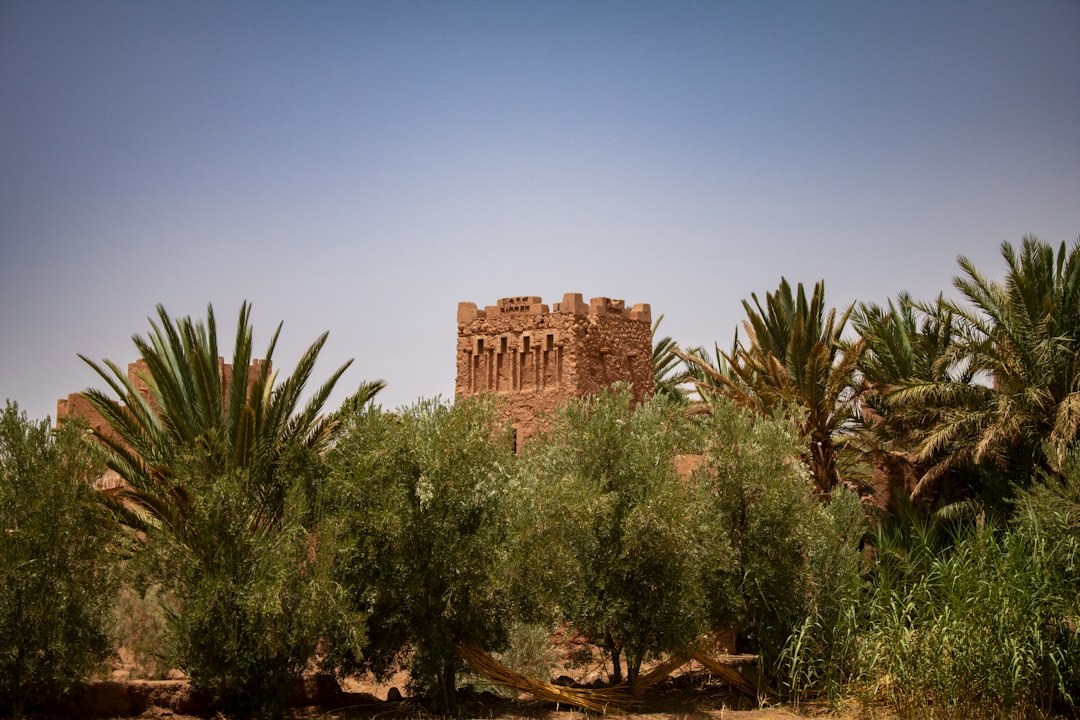
The ancient boundary walls of Morocco stand as silent sentinels to centuries of history, their weathered stones whispering tales of defense, trade, and cultural exchange. These impressive structures, scattered across the diverse Moroccan landscape, are more than just physical barriers; they are tangible links to a past shaped by empires, nomadic tribes, and the ebb and flow of civilizations. From the imposing kasbahs of the south to the well-preserved medinas of the north, these walls have played a crucial role in defining the identity and security of Moroccan territories. Exploring their history and significance offers a profound insight into the strategic, social, and economic forces that have sculpted this North African nation.
The Genesis of Moroccan Fortifications
The origins of Moroccan boundary walls are deeply rooted in the region’s strategic importance and its vulnerability to external threats. The Maghreb, the western part of North Africa, has historically been a crossroads for various peoples and powers, from the indigenous Berber populations to Phoenician traders, Roman legions, Vandal conquerors, and later, Arab and European influences. This constant flux necessitated the construction of defensive structures to protect settlements, agricultural lands, and vital trade routes. Early fortifications were often rudimentary, evolving over time with the introduction of new architectural techniques and military technologies.
Early Defensive Architectures
Long before the Islamic conquests, the indigenous Berber tribes developed their own forms of fortified settlements. These often took the form of ‘tighremt’ (singular: tighremt), fortified granaries or villages, typically built on hilltops or strategic elevated positions. These structures were designed to withstand tribal raids and offered a secure place for communities to retreat with their valuables and provisions during times of conflict. The use of local materials like rammed earth (pisé) and stone was characteristic of these early constructions, allowing them to blend seamlessly with the natural environment while providing robust protection. The foundations of many later, more elaborate walls can be traced back to these early defensive principles.
The Impact of Islamic Conquests and Empires
The arrival of Islam in the 7th century marked a significant turning point in the history of Morocco and its fortifications. The Umayyad and Abbasid caliphates, and later the powerful Berber dynasties of the Almoravids, Almohads, and Marinids, brought with them advanced architectural knowledge and a greater emphasis on urban development and defense. Cities like Fes, Marrakesh, and Rabat were transformed into thriving centers of power and culture, necessitating the construction of extensive city walls, ramparts, and citadels. These new fortifications were designed not only for defense against external enemies but also to assert the authority of the ruling dynasties and to organize the growing urban populations. The strategic placement of gates, towers, and bastions reflected a sophisticated understanding of siege warfare.
The ancient boundary wall in Morocco, known for its impressive construction and historical significance, has drawn the attention of researchers and historians alike. This fascinating structure is often discussed in the context of ancient civilizations and their architectural achievements. For those interested in exploring more about the mysteries of ancient technology and its implications, a related article can be found at Lost Secrets: Who Buried Advanced Ancient Tech?, which delves into the hidden advancements of ancient cultures and their potential connections to structures like the boundary wall in Morocco.
Types and Architectures of Moroccan Walls
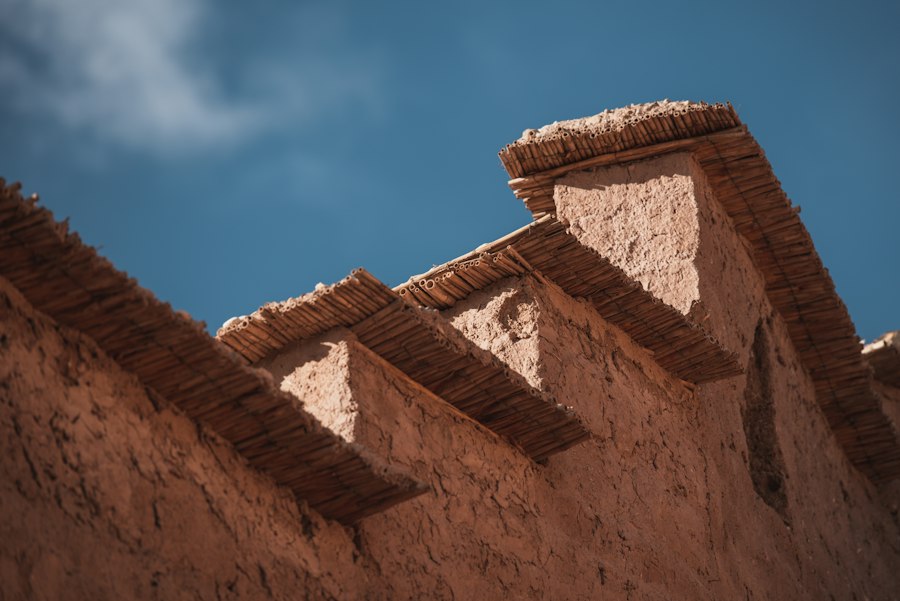
Moroccan boundary walls are remarkably diverse, reflecting the varied geographical settings, historical periods, and defensive needs they served. They range from the colossal ramparts of major imperial cities to the more intimate enclosures of rural kasbahs. The materials used, construction techniques, and architectural embellishments all offer clues to their origins and purpose.
Imperial City Walls: The Guardians of Power
The most prominent examples of Moroccan boundary walls are those that encircle its historic imperial cities. These were not merely defensive perimeters but also symbolic representations of royal power and urban grandeur. The walls of Fes el-Bali, the old medina of Fes, are a prime example, stretching for miles and punctuated by numerous fortified gates. Similarly, the red earth ramparts of Marrakesh, famously known as the “Red City,” have protected the Ochre City for centuries. These walls are characterized by their immense scale, often several meters thick and many meters high, reinforced with numerous towers and battlements. Their construction was a monumental undertaking, requiring vast labor forces and resources, and their resilience has been tested by countless sieges throughout history.
Materials and Construction Techniques
The primary building material for many of these grand walls was ‘tabia’, a mixture of earth, lime, and straw, compacted in wooden forms. This technique, known as rammed earth or pisé, produced a remarkably durable and weather-resistant material, particularly suited to the Moroccan climate. In some sections, particularly for foundations and higher fortifications, stone was also employed. The construction often involved sophisticated engineering, with layers of rammed earth interspersed with rubble or stone for added strength. The exterior surfaces were typically plastered and sometimes whitewashed, giving them a distinctive appearance. The regular spacing of watchtowers and defensive bastions along the ramparts provided strategic vantage points for archers and other defenders.
Notable Gates and Their Functions
The gates of Moroccan city walls are often as impressive as the walls themselves, serving not only as entry and exit points but also as points of strategic control and symbolic importance. Gates were heavily fortified, often featuring multiple defensive layers, including portcullises, murder holes, and guardrooms. Examples like Bab Bou Jeloud in Fes, with its intricate tilework and monumental arch, or Bab Agnaou in Marrakesh, with its horseshoe arch and relief carvings, are not just passageways but works of art and engineering. These gates controlled the flow of people, goods, and information, and their design often reflected the prestige of the city they protected.
Rural Fortifications: Kasbahs and Agadirs
Beyond the grand city walls, Morocco’s countryside is dotted with a different kind of fortification: the kasbah and the agadir. These structures served the needs of rural communities and local chieftains, offering protection against raids and acting as centers of local administration and economic activity.
The Kasbah: A Fortress and a Dwelling
Kasbahs, particularly prevalent in the Atlas Mountains and the pre-Saharan regions, are fortified complexes that often served as the residence of a powerful family or tribal leader. They typically consist of a central fortified dwelling, surrounded by defensive walls, towers, and sometimes even ancillary buildings like mosques and granaries. The architecture of kasbahs is often characterized by its integration with the natural landscape, with buildings constructed from local mudbrick, stone, and timber. The imposing towers, often square or rectangular, provided elevated platforms for defense and surveillance. Kasbahs were not just military installations but also centers of social and economic life, housing entire families and their retainers.
Agadirs: Collective Security and Granaries
Agadirs, found predominantly in the High Atlas and Anti-Atlas mountains, represent a unique form of communal fortification. These are often large, multi-story structures, built of stone and earth, designed to house a community’s grain stores, valuables, and even livestock during times of danger. Agadirs were typically managed by a council of elders and served as a vital symbol of collective security and mutual reliance. Their architecture is often imposing, with thick walls and limited openings, designed for maximum defense. While some agadirs are essentially fortified granaries, others incorporate living quarters and communal spaces.
Strategic and Military Significance
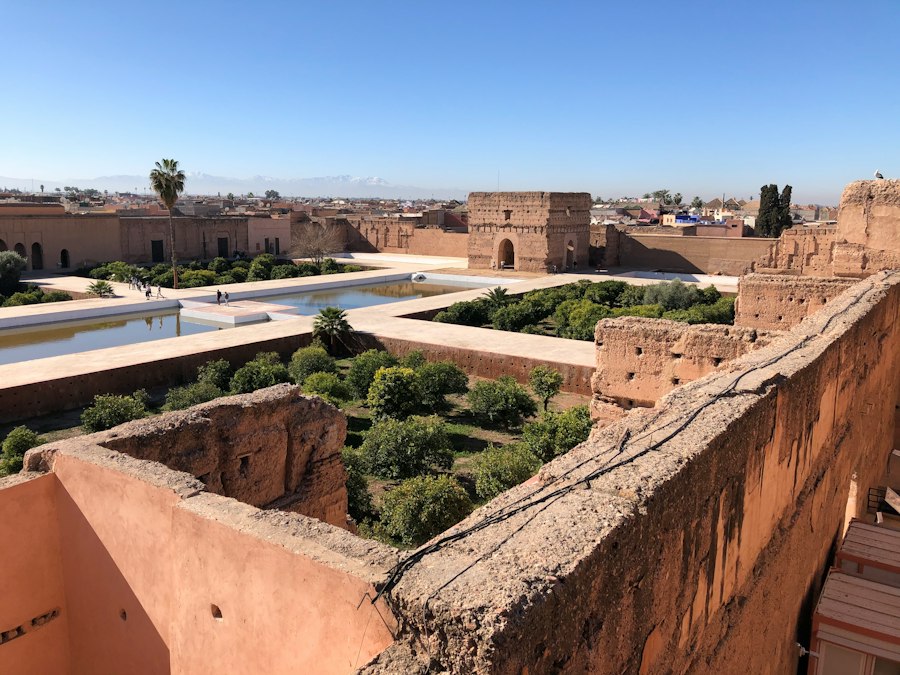
The construction and maintenance of boundary walls in Morocco were driven by a profound understanding of military strategy and the ever-present need for defense. These fortifications played a pivotal role in shaping the course of conflicts, securing trade routes, and defining territorial boundaries.
Defense Against Invasions and Raids
Throughout its history, Morocco has been a target for various invaders, from early nomadic incursions to more organized campaigns by empires. The strategic placement of walls, coupled with their formidable construction, provided a crucial deterrent and a base for resistance. The ability of walled cities to withstand sieges allowed for the consolidation of power and the preservation of distinct cultural identities. The Berber tribes, in their constant struggle for autonomy, also relied on fortified settlements and mountain strongholds to resist external domination. The walls were not merely passive defenses; they were active components of military strategy, enabling defenders to control access, launch counter-attacks, and endure prolonged sieges.
Securing Trade Routes and Economic Centers
Morocco’s position as a gateway between Africa and Europe, and its role in trans-Saharan trade, made the security of its trade routes and economic centers paramount. Boundary walls protected vital caravan routes, bustling souks, and the treasuries of powerful dynasties. The control of key cities and their fortifications was essential for regulating trade, collecting taxes, and maintaining economic prosperity. Walls also served to protect agricultural lands and the resources they provided, ensuring the sustenance of urban populations and military garrisons. The strategic importance of these walls in facilitating and protecting commerce cannot be overstated.
Cultural and Societal Impact
The influence of Morocco’s boundary walls extends far beyond their military and strategic functions. They have deeply shaped the cultural landscape, societal organization, and the very identity of the people who have lived within and around them.
The Medina: A Walled Microcosm of Life
The medina, the ancient walled city at the heart of many Moroccan urban centers, is a direct embodiment of the societal impact of these fortifications. Within their protective embrace, medinas developed into complex, self-contained micro-societies. They were characterized by a maze of narrow, winding streets designed to confuse attackers, bustling souks where commerce thrived, and distinct residential quarters often organized by craft or lineage. The walls created a sense of enclosure and community, fostering a unique urban culture. Life within the medina was intimately tied to the rhythm of the seasons, religious observances, and the social order reinforced by the physical boundaries.
Symbolism of Identity and Belonging
For centuries, the boundary walls have served as powerful symbols of identity and belonging. To be within the walls of a city meant being part of a community, protected and governed by a shared authority. Conversely, to be outside could signify exclusion or a state of vulnerability. The distinct architectural styles and defensive features of different walled cities also contributed to regional identities. The imposing ramparts of Fes, the sprawling walls of Marrakesh, and the more rustic kasbahs of the south all evoked different senses of place and heritage. These walls have fostered a deep-seated pride in urban heritage and a sense of continuity with the past.
Preserving Heritage and Facing Modernity
Today, many of Morocco’s ancient boundary walls are recognized as UNESCO World Heritage sites, a testament to their immense historical and cultural value. Their preservation is a crucial undertaking, balancing the need to maintain their authenticity with the demands of modern urban life. The challenge lies in integrating contemporary infrastructure and amenities without compromising the integrity of these ancient structures. These walls serve as living museums, offering visitors a tangible connection to Morocco’s rich and layered past, while simultaneously prompting reflection on how to safeguard such invaluable heritage for future generations. The ongoing efforts to restore and protect these fortifications are vital for maintaining Morocco’s unique cultural landscape.
The ancient boundary wall in Morocco, known for its impressive architecture and historical significance, has drawn the attention of many historians and travelers alike. This remarkable structure not only showcases the rich cultural heritage of the region but also serves as a reminder of the strategic importance of borders throughout history. For those interested in exploring the concept of boundaries in a broader context, a related article discusses the evolving economic landscape in different regions, including Mexico’s rise as a potential economic superpower. You can read more about this intriguing topic here.
Enduring Legacies and Future Perspectives
| Metric | Details |
|---|---|
| Name | Ancient Boundary Wall of Morocco |
| Location | Morocco, North Africa |
| Estimated Age | Approximately 12th to 14th century |
| Material | Stone, Mudbrick, and Adobe |
| Length | Varies by site; some walls extend up to 10 kilometers |
| Height | Between 6 to 12 meters |
| Purpose | Defense, territorial demarcation, and protection of cities |
| Notable Sites | Walls of Marrakech, Fes, and Ait Benhaddou |
| Current Condition | Partially preserved, some sections restored |
| UNESCO Status | Some walls included in UNESCO World Heritage Sites |
The ancient boundary walls of Morocco are not relics of a bygone era; their influence continues to resonate in the nation’s present and future. Their enduring legacy lies in their architectural marvel, their historical significance, and their deep cultural imprint.
Architectural Inspiration and Restoration Efforts
The sophisticated engineering and aesthetic qualities of Moroccan walls continue to inspire architects and urban planners. Restoration efforts, often undertaken with international collaboration, aim to meticulously conserve these structures, using traditional techniques and materials wherever possible. These projects not only preserve the physical integrity of the walls but also ensure the survival of the traditional crafts and knowledge associated with their construction and maintenance. The ongoing work on sites like the Kasbah of the Udayas in Rabat or the medina walls of Meknes demonstrates a commitment to safeguarding this vital heritage.
Tourism and Economic Development
These ancient fortifications are a major draw for tourism, bringing significant economic benefits to the regions where they are located. Visitors are drawn to the tangible history and the unique atmosphere of these walled cities and fortresses. The infrastructure development and employment opportunities generated by tourism are crucial for local communities. However, this economic boon must be managed sustainably, ensuring that tourism does not lead to the degradation or commercialization of these sensitive historical sites. Balancing preservation with accessibility and economic growth is a continuous challenge.
The Walls as Symbols of Resilience and Continuity
Ultimately, the boundary walls of Morocco stand as powerful symbols of resilience and continuity. They have weathered empires, invasions, and the relentless march of time, emerging as enduring testaments to the ingenuity and tenacity of the Moroccan people. They remind us that history is not merely written in books but is etched in stone and earth, shaping the landscapes and identities of nations. As Morocco continues to evolve, these ancient walls will remain integral to its story, a constant connection to a past that informs its present and guides its future. They are more than just structures; they are narratives of human endeavor, defense, and the enduring spirit of a civilization.
They Found a 4,000-Year-Old Defense Line in Morocco
FAQs
1. What is the purpose of the ancient boundary wall in Morocco?
The ancient boundary wall in Morocco served as a defensive structure to protect the city or region from invasions and attacks.
2. How old is the ancient boundary wall in Morocco?
The ancient boundary wall in Morocco dates back to several centuries ago, with some parts believed to have been built as early as the 8th century.
3. What materials were used to construct the ancient boundary wall in Morocco?
The ancient boundary wall in Morocco was primarily constructed using locally sourced materials such as stone, mud bricks, and sometimes wood for reinforcement.
4. How long is the ancient boundary wall in Morocco?
The length of the ancient boundary wall in Morocco varies depending on the specific location, but some walls stretch for several kilometers, encompassing the entire city or region.
5. Are there any notable features or landmarks along the ancient boundary wall in Morocco?
Along the ancient boundary wall in Morocco, there are often watchtowers, gates, and other defensive structures that served strategic purposes in the defense of the city or region.