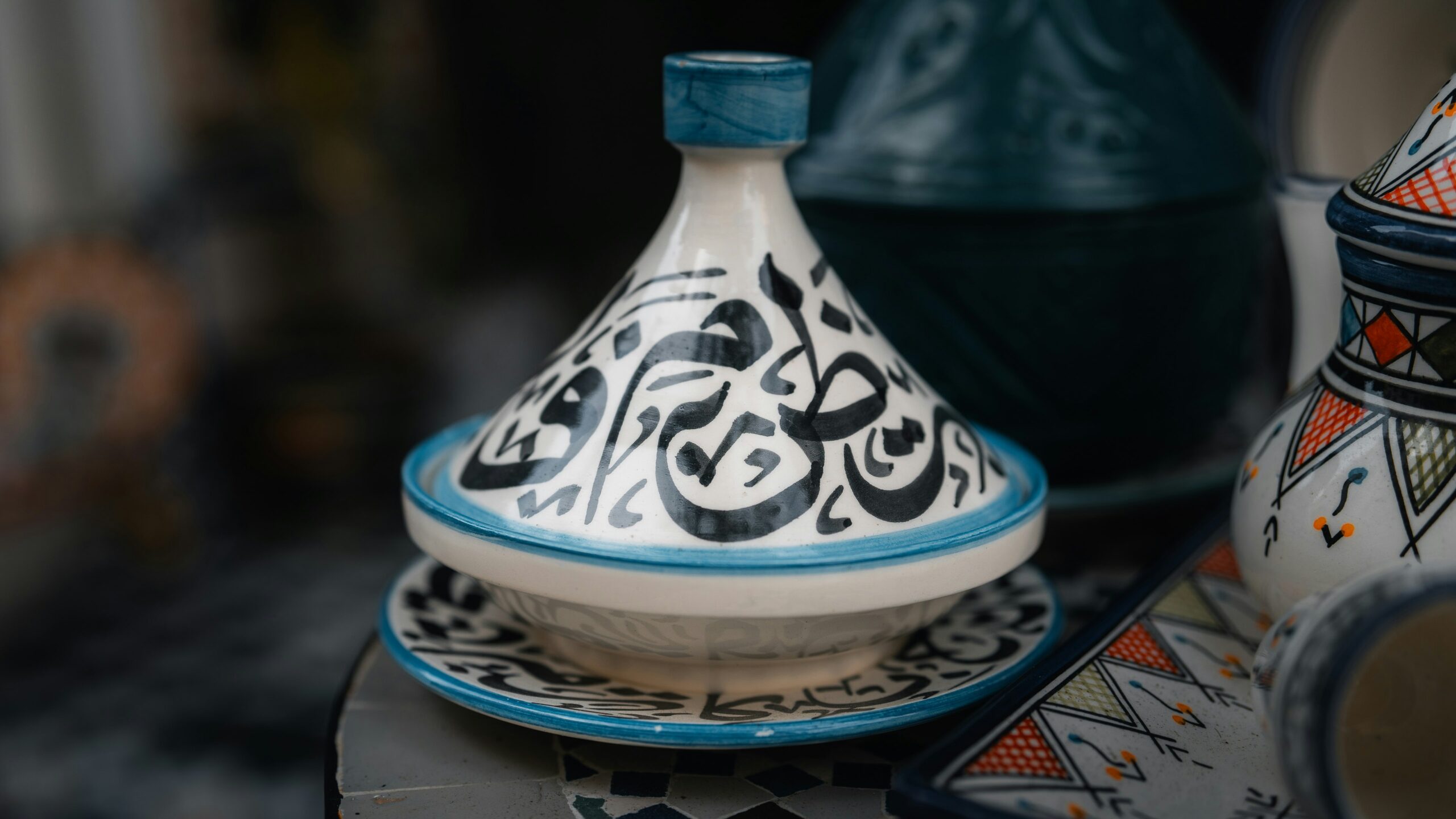
The sun-baked earth of Morocco holds a history as rich and varied as its vibrant souks. For millennia, its people have shaped clay into vessels of both utility and profound artistic expression, a tradition passed down through generations, evolving yet retaining its core essence. Exploring Morocco’s ancient pottery styles is to embark on a journey through time, tracing the influences of Berber, Arab, Andalusian, and African cultures that have coalesced into a uniquely Moroccan aesthetic. These ceramics are more than mere objects; they are tangible narratives, whispers from the past that continue to resonate in the present.
The Enduring Legacy of Berber Ceramics
The indigenous Berber people, the original inhabitants of North Africa, laid the foundational stones of Moroccan pottery. Their early creations were deeply rooted in the practicalities of daily life, yet imbued with a distinctive artistic sensibility. These ancient styles, though often simple in form, were characterized by a profound connection to the natural world, drawing inspiration from geometric patterns, animal motifs, and the abstract symbolism of their beliefs. The earth itself was their palette, with local clays yielding a range of ochres, browns, and earthy reds. Firing techniques, honed over centuries, produced durable wares that could withstand the harsh desert environment and the demands of nomadic life.
Early Forms and Functionality
The earliest Berber pottery served essential roles in sustenance and storage. Simple bowls, utilitarian jars for water and grain, and rudimentary cooking pots were among the most common forms. These were often left unadorned or decorated with incised lines and geometric impressions made with tools fashioned from bone or wood. The focus was on durability and practicality, ensuring that these vessels could withstand the rigors of daily use. The very texture of the clay and the subtle variations in firing contributed to their rustic charm.
Symbolism and Decorative Motifs
As the tradition evolved, so too did the decorative elements. Berber potters began to incorporate more intricate designs, often laden with symbolic meaning. Geometric patterns, such as chevrons, diamonds, and zigzags, were not merely ornamental but held significant cultural and spiritual weight. These motifs could represent protection, fertility, or connection to the cosmos. Animal figures, though less common in the earliest periods, began to appear, reflecting the importance of fauna in Berber life and mythology. The use of natural pigments, derived from minerals and plants, added further depth and visual richness to these designs.
Morocco’s ancient pottery styles reflect a rich cultural heritage that has evolved over centuries, showcasing intricate designs and techniques unique to the region. For those interested in exploring the broader economic implications of traditional crafts, a related article can be found at this link, which discusses how such artisanal practices contribute to local economies and the importance of preserving these age-old traditions in a modern context.
The Influence of Arab and Andalusian Aesthetics
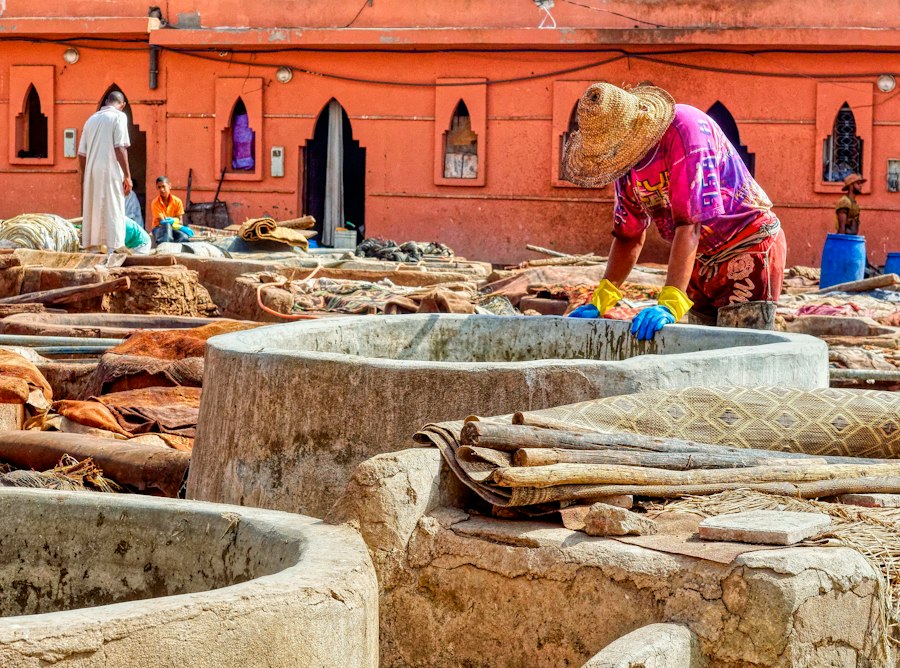
With the advent of Islam and subsequent Arab migrations, a new wave of artistic influence swept across Morocco. The sophisticated aesthetics of the Umayyad and Abbasid caliphates, particularly those developed in al-Andalus (Islamic Spain), left an indelible mark on Moroccan pottery. This period saw a significant shift towards more refined forms, intricate geometric patterns, and the introduction of new decorative techniques. The vibrant colors and the emphasis on intricate detail characteristic of Hispano-Moresque pottery began to permeate Moroccan ceramic traditions, particularly in urban centers.
Geometric Mastery and Calligraphy
The Arab and Andalusian periods witnessed a remarkable mastery of geometric design in Moroccan ceramics. Intricate star patterns, interlacing polygons, and tessellations became hallmarks of this era. These patterns were not only visually stunning but also reflected a deep understanding of mathematical principles. Furthermore, the art of calligraphy, a central element of Islamic art, found its way onto pottery. Elegant inscriptions of Quranic verses, poetic phrases, or blessings adorned vessels, transforming them into objects of both beauty and spiritual significance.
The Introduction of Glazes and Vibrant Colors
Perhaps the most significant introduction during this period was the widespread adoption of glazes. Initially, simple lead glazes were used to create a lustrous finish and provide a waterproof surface. Over time, these evolved into more complex alkaline glazes, allowing for a wider spectrum of colors. Cobalt blue, emerald green, manganese purple, and yellows derived from iron were extensively employed, creating a vibrant and dazzling palette that contrasted sharply with the more earth-toned palettes of earlier Berber pottery. The development of tin glazes led to the characteristic white and opaque surfaces often seen in later Moroccan ceramics, providing a perfect canvas for intricate painted designs.
The Regional Diversity of Moroccan Ceramics
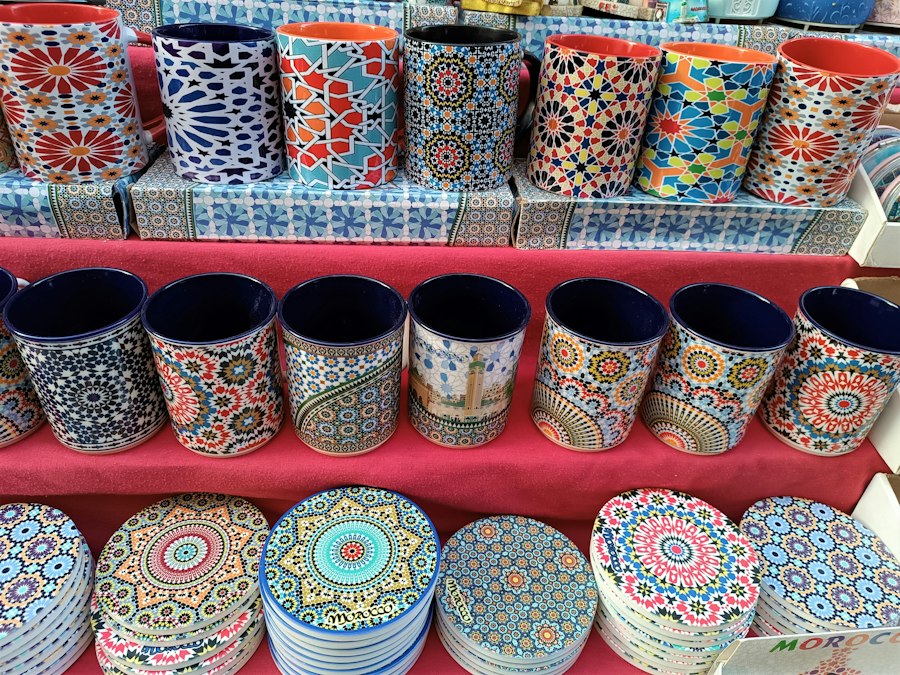
Morocco’s vast and varied landscape has fostered distinct regional variations in its pottery traditions. Each area, with its unique history, available materials, and cultural influences, has developed its own signature styles, materials, and decorative techniques. From the mountainous north to the coastal plains and the southern desert regions, a rich tapestry of ceramic artistry unfolds, reflecting the diverse heritage of the Moroccan people.
Morocco’s ancient pottery styles reflect a rich cultural heritage that has evolved over centuries, showcasing the intricate craftsmanship and artistic expression of its people. For those interested in exploring the historical context of ancient artifacts, a fascinating article can be found that delves into the significance of historical maps and their connection to cultural artifacts. You can read more about it in this insightful piece on uncovering the source documents of the Piri Reis map, which highlights how such documents can provide a deeper understanding of the civilizations that produced remarkable pottery and other art forms.
Safi: The City of Ceramics
Safi, a historic port city on the Atlantic coast, has long been renowned as one of Morocco’s premier centers for pottery production. Its clay, rich in kaolin, lends itself to the creation of exceptionally fine and durable ceramics. Safi pottery is characterized by its distinctive blue and white designs, heavily influenced by Andalusian aesthetics. Intricate geometric patterns, floral motifs, and stylized representations of Arabic calligraphy adorn tagines, platters, bowls, and decorative tiles. The city’s skilled artisans have maintained these traditions for centuries, and Safi remains a vital hub for contemporary ceramic art while honoring its ancient roots. The distinctive cobalt blue, often referred to as “Safi blue,” is a signature element, applied with a steady hand to create mesmerizing patterns.
Fes: A Blend of Tradition and Innovation
The imperial city of Fes, with its ancient medina, boasts a long and illustrious history of ceramic production. Fes pottery is known for its exquisite craftsmanship, often featuring complex geometric designs, arabesques, and floral motifs rendered in a rich palette of colors, including green, yellow, brown, and blue. The influence of Andalusian art is particularly evident here, with a focus on intricate tile work and decorative panels. Fes potters are also renowned for their mastery of Zellige, the intricate mosaic tilework that adorns mosques, palaces, and riads across Morocco. While Zellige is a distinct art form, its underlying principles of geometric precision and vibrant color are deeply intertwined with the broader tradition of Fes ceramics. The city’s potters have also been at the forefront of adapting traditional techniques to contemporary designs, ensuring the continued relevance of their craft.
The Atlas Mountains and Rural Traditions
In the mountainous regions of the Atlas Mountains, pottery traditions often retain a more rustic and ancestral character. Berber communities here continue to produce functional ware using traditional methods and local clays. The decorative styles often feature bold geometric patterns, earth-toned pigments, and a raw, organic beauty. These pieces are less about intricate detailing and more about the tactile quality of the clay and the symbolic resonance of the designs. Motifs might include symbols related to fertility, protection from the evil eye, or representations of natural elements important to rural life. While these wares may not possess the refined finish of urban ceramics, they offer a powerful connection to the deep-rooted cultural heritage of the Berber people and a glimpse into the foundational elements of Moroccan pottery.
Contemporary Interpretations and the Future of Moroccan Pottery
While deeply rooted in ancient traditions, Moroccan pottery is not a static art form. Contemporary artisans are actively engaged in reinterpreting these historical styles, infusing them with modern sensibilities and exploring new possibilities in form, color, and technique. This dynamic evolution ensures that this timeless art tradition continues to thrive and resonate with new generations of collectors and art enthusiasts. The fusion of ancient motifs with contemporary aesthetics creates a dialogue between past and present, demonstrating the enduring appeal and adaptability of Moroccan ceramics.
Modern Designs and Artistic Experimentation
Today’s Moroccan potters are pushing the boundaries of traditional techniques. While many artisans remain dedicated to preserving age-old methods and replicating historical designs with utmost fidelity, others are experimenting with new forms, incorporating abstract elements, and exploring innovative glazing techniques. The influence of global art trends is undeniable, yet Moroccan potters often manage to weave these influences into their work while retaining a distinctly Moroccan identity. This can be seen in the daring color palettes, unconventional shapes, and the integration of diverse materials alongside clay.
Preservation Efforts and Global Recognition
The Moroccan government and various cultural organizations are increasingly recognizing the importance of preserving its rich ceramic heritage. Workshops, educational programs, and exhibitions are being organized to support artisans and promote the understanding of these ancient craft traditions. International acclaim for Moroccan pottery continues to grow, with its unique aesthetic and historical significance attracting collectors and art lovers from around the globe. This global recognition not only provides economic opportunities for artisans but also fosters a renewed appreciation for the cultural value of this enduring art form. The dedication to both preservation and innovation ensures that Moroccan pottery will continue to captivate and inspire for centuries to come.
Morocco’s ancient pottery styles offer a profound glimpse into the country’s layered history and the enduring creativity of its people. Each shard, each vessel, tells a story of cultural exchange, of adaptation, and of a deep connection to the earth. From the utilitarian beauty of early Berber wares to the intricate geometric wonders of Andalusian-inspired designs and the vibrant regional expressions, Moroccan ceramics stand as a testament to a timeless art tradition that continues to evolve and enchant. The journey through these styles is not just an appreciation of aesthetics but an understanding of the cultural narratives that have shaped a nation, a legacy etched in clay, fired by tradition, and polished by time.

They Found a 4,000-Year-Old Defense Line in Morocco
FAQs
What are some of the ancient pottery styles found in Morocco?
Some of the ancient pottery styles found in Morocco include Berber pottery, Safi pottery, and Fez pottery. Each style is unique in its design, colors, and techniques used.
What are the characteristics of Berber pottery in Morocco?
Berber pottery in Morocco is known for its earthy tones, geometric patterns, and traditional designs that have been passed down through generations. It is often handmade using techniques that have remained unchanged for centuries.
How is Safi pottery distinguished from other pottery styles in Morocco?
Safi pottery in Morocco is distinguished by its vibrant colors, intricate floral motifs, and use of glazing techniques. It is primarily produced in the coastal city of Safi and is highly sought after for its beauty and craftsmanship.
What sets Fez pottery apart from other pottery styles in Morocco?
Fez pottery in Morocco is known for its intricate blue and white designs, influenced by Islamic art and architecture. It is often hand-painted with delicate patterns and motifs, making each piece a unique work of art.
Are ancient pottery styles from Morocco still being produced today?
Yes, many of the ancient pottery styles from Morocco are still being produced today, both for local use and for sale to tourists and collectors. Artisans continue to preserve these traditional techniques and designs, ensuring that these ancient pottery styles remain a vibrant part of Moroccan culture.