Unearthing the Past at Oued Beht
The arid landscapes of North Africa, particularly Morocco, hold within their sands a wealth of archaeological secrets, offering tantalizing glimpses into human history. Among these, the site of Oued Beht stands as a crucial testament to a vibrant, complex society that flourished in the second millennium BC. Excavations at Oued Beht have not merely uncovered artifacts; they have pieced together a narrative of daily life, technological advancement, and socio-cultural practices that challenge previous assumptions about prehistoric North African populations. This ancient settlement, situated in a valley that once likely harbored more water and vegetation, provides an unparalleled window into the lives of its inhabitants, their resourcefulness, and their interactions with their environment. The meticulous work of archaeologists has revealed a settlement that was far from primitive, demonstrating sophisticated organization and a mastery of its surroundings.
The study of Oued Beht during the second millennium BC reveals significant insights into the ancient civilizations that thrived in this region, particularly in terms of their technological advancements and societal structures. For a deeper understanding of the technological innovations of ancient cultures, you may find the article “The Lost Power of Ancient Technology” insightful, as it explores various ancient technologies and their impact on society. You can read it here: The Lost Power of Ancient Technology.
The Material Culture of Oued Beht: A Chronicle in Clay and Stone
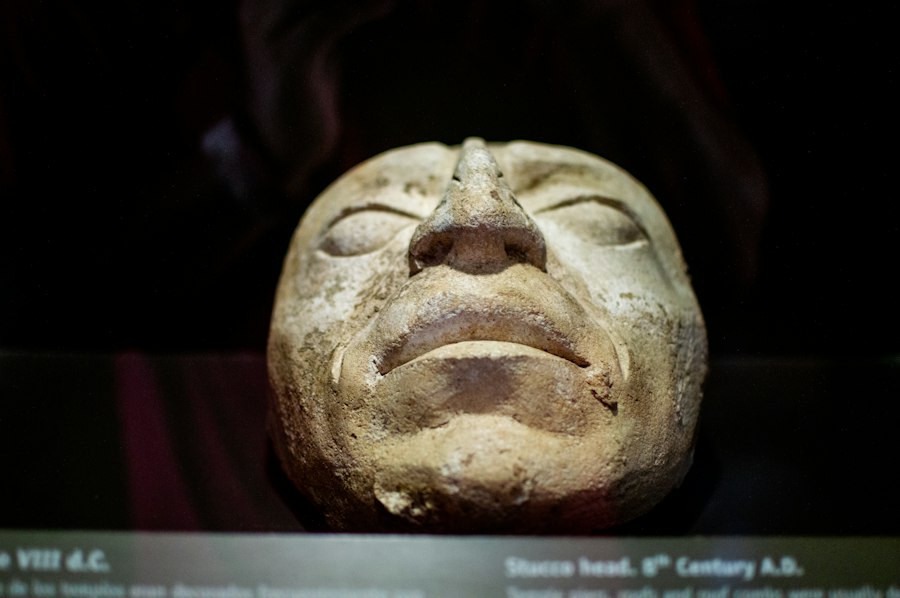
The archaeological record of Oued Beht is rich with the material vestiges of its inhabitants. These tangible remnants, from the humble pottery shard to the more elaborate stone tools, speak volumes about the daily routines, economic activities, and aesthetic sensibilities of the people who lived and worked here over three millennia ago. Understanding this material culture is fundamental to reconstructing the lives and societies of Oued Beht’s past dwellers, offering insights into their technological capabilities, their trade networks, and their relationship with the natural world. The careful analysis of these objects allows researchers to move beyond broad generalizations and delve into the specificities of their existence.
Ceramic Traditions and Their Significance
Pottery production at Oued Beht reveals a remarkable level of skill and variation. The forms, decoration, and firing techniques employed by these ancient artisans offer a direct connection to their culinary practices, storage needs, and perhaps even their ritualistic expressions. The discovery of different pottery types suggests specialization in manufacture or distinct functional uses for various vessels. For instance, large, robust pots likely served for cooking or storing grains, while finer, more decorated ware might have been used for serving or ceremonial purposes. The clay sources themselves, if identifiable, could indicate local resource utilization or long-distance trade. The decorative motifs, often geometric or abstract, may have held symbolic meaning, passed down through generations or reflecting contemporary artistic trends. The presence of different ceramic traditions within the same site can also point to cultural exchange or the integration of different groups over time. The evolution of these ceramic styles across different layers of excavation provides a chronological framework, allowing archaeologists to chart changes in technology and artistic expression.
Lithic Technology and Subsistence Strategies
The stone tools unearthed at Oued Beht are direct evidence of the inhabitants’ ingenuity in exploiting their environment. From the knapping of flint to the grinding of stone, the lithic assemblages provide crucial information about their subsistence strategies. Projectile points, such as arrowheads and spearheads, speak to hunting practices and the procurement of animal protein. Scrapers and knives indicate butchery and the processing of hides and other animal products. Grinding stones and pestles suggest the processing of plant-based foods, such as wild grains or roots, playing a vital role in their diet. The type of stone used, its origin, and the techniques employed in its working can reveal information about trade routes and the availability of raw materials. The careful selection and modification of stone demonstrate a deep understanding of material properties and the practical needs of daily life. Furthermore, the prevalence of certain tool types can indicate the relative importance of different subsistence activities within the Oued Beht economy.
Metalworking and Technological Advancements
The discovery of metal artifacts at Oued Beht, even if limited, signifies a significant technological leap for the region during the second millennium BC. Evidence of early copper or bronze working, such as slag or finished metal objects like tools, ornaments, or weaponry, indicates that these communities were not isolated but were participating in wider technological networks. The presence of metal objects suggests access to mineral resources, either locally or through trade, and the development of specialized skills to extract and shape these materials. This technological advancement would have had profound implications for their tool-making capabilities, potentially leading to more efficient agriculture, more effective hunting, and the creation of more durable and specialized implements. The study of metal composition can further illuminate trade connections and the origin of raw materials, providing a broader context for Oued Beht’s place within the ancient world.
Social Organization and Settlement Patterns
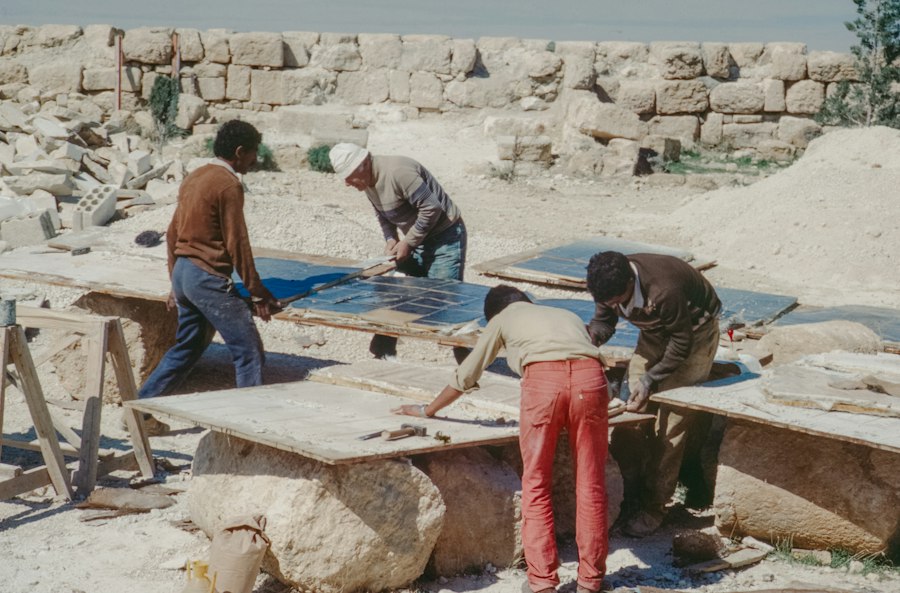
The spatial organization of the Oued Beht settlement and the nature of its artifacts provide critical insights into the social structures and daily lives of its inhabitants. The arrangement of structures, the distribution of resources, and the types of artifacts found within different areas of the site offer clues about family units, communal activities, and the potential existence of social hierarchies. By meticulously mapping and analyzing these patterns, archaeologists can begin to reconstruct the complex social fabric of this ancient community. The very layout of the settlement speaks volumes about how people interacted with each other and with their shared environment.
Dwelling Structures and Domestic Life
The excavation of dwelling structures at Oued Beht offers a tangible connection to the domestic sphere. The size, construction materials, and internal organization of these homes reveal much about family size, living arrangements, and the division of labor within households. Whether built from stone, mudbrick, or other locally sourced materials, the architecture reflects the available resources and the technological capabilities of the time. The presence of hearths, storage pits, and specialized areas within dwellings can illuminate daily routines, cooking practices, and the storage of food and tools. The uniformity or diversity of house plans may also indicate egalitarianism or the presence of distinct social strata. Studying these domestic spaces allows researchers to imagine the intimate lives of the people, their family structures, and their daily activities.
Communal Spaces and Public Life
Beyond individual dwellings, evidence of communal spaces at Oued Beht suggests a degree of social organization and collective activity. These might include shared courtyards, assembly areas, or structures dedicated to storage or craft production that served the wider community. The presence of such spaces indicates that the inhabitants engaged in activities that transcended the household, fostering a sense of collective identity and cooperation. The distribution of resources and the organization of labor for communal projects, such as defense or resource management, would have been facilitated by these shared areas. The identification and analysis of these communal zones are crucial for understanding the political and social dynamics of the Oued Beht society and how they managed their collective needs.
Evidence of Social Stratification or Egalitarianism
The archaeological evidence from Oued Beht can offer clues about the presence or absence of social stratification. The uniformity or diversity in housing quality, the distribution of wealth as indicated by grave goods or valuable artifacts, and the presence of specialized workshops or elite residences can all point towards different social structures. A highly egalitarian society might exhibit similar housing and artifact distribution across the settlement, while evidence of ostentatious burials or elaborate structures could suggest social hierarchy. Analyzing the distribution of labor and the access to resources across the site can also contribute to understanding the social dynamics. The absence of clear markers of hierarchy does not necessarily mean it did not exist, but rather that the archaeological record may not have preserved the subtle indicators of social differentiation.
Economic Activities and Resource Management
The economic life of Oued Beht was intrinsically linked to its environment, its technological capabilities, and the social organization of its inhabitants. The range of activities undertaken, from agriculture and pastoralism to craft production and trade, shaped the settlement’s development and its place within the wider regional landscape. Understanding these economic practices is key to appreciating the resourcefulness and resilience of the Oued Beht people and their ability to sustain themselves in a challenging environment. Their survival depended on a sophisticated understanding of their surroundings and effective strategies for utilizing its bounty.
Agricultural Practices and Food Production
Evidence for agricultural practices at Oued Beht provides a foundation for understanding their subsistence base. The presence of cultivated plant remains, such as cereals or legumes, along with farming implements like sickles or ploughshares (if found), indicates a reliance on farming. If direct evidence of cultivation is scarce, the presence of large storage vessels and grinding stones might still point to the processing of agricultural products. The type of crops cultivated would reveal their dietary staples and their understanding of local soil and climatic conditions. Furthermore, the management of water resources for irrigation, if indicated by features like canals or reservoirs, would highlight their advanced understanding of environmental engineering. The ability to produce surplus food would have had significant implications for population growth, social complexity, and the development of trade.
Pastoralism and Animal Husbandry
Beyond agriculture, evidence of pastoralism and animal husbandry likely played a significant role in the Oued Beht economy. The presence of animal bones, particularly domesticates like sheep, goats, or cattle, indicates that livestock was a crucial part of their diet and possibly a source of other products like milk, wool, or hides. The analysis of these faunal remains can reveal the age and sex of slaughtered animals, offering insights into herd management practices. The discovery of corrals or other animal enclosures would further support the interpretation of a pastoral component to their economy. The integration of pastoralism with agriculture could have provided a more robust and resilient subsistence strategy, allowing them to adapt to environmental fluctuations.
Craft Specialization and Trade Networks
The specialization of crafts at Oued Beht, as suggested by the skilled production of pottery, lithics, and potentially metalwork, points towards a complex economy with a division of labor. The existence of specialized workshops or areas dedicated to specific craft activities would reinforce this interpretation. The distribution of finished goods, both within the settlement and potentially beyond, suggests the existence of trade networks. The presence of exotic materials, such as non-local stones for tools or valuable ores for metalworking, is a strong indicator of long-distance trade. These trade connections would have facilitated the exchange of goods, ideas, and technologies, integrating Oued Beht into a wider regional or even inter-regional economic system. The careful study of trade items can help map ancient routes and understand the economic relationships between different communities.
The archaeological findings at Oued Beht, dating back to the second millennium BC, have sparked significant interest among historians and researchers. These discoveries provide valuable insights into the technological advancements of ancient civilizations and their societal structures. For a deeper understanding of how such ancient technologies have shaped our modern world, you can explore a related article that delves into the intriguing topic of lost ancient technology. This article can be found here.
Environmental Adaptation and Resource Utilization
| Metric | Value | Notes |
|---|---|---|
| Location | Oued Beht Valley, Morocco | Northwestern Africa |
| Time Period | 2000 – 1000 BC | Second Millennium BCE |
| Archaeological Findings | Pottery, Flint Tools, Burial Sites | Indicative of Bronze Age culture |
| Estimated Population | Several hundred inhabitants | Based on settlement size and burial counts |
| Subsistence Economy | Agriculture and Pastoralism | Cultivation of cereals and livestock herding |
| Trade Evidence | Imported Obsidian and Shells | Suggests regional trade networks |
| Significant Cultural Traits | Funerary Practices and Pottery Styles | Reflects local and regional influences |
The success of any ancient settlement hinges on its ability to adapt to and effectively utilize its environment. Oued Beht, situated in a historically dynamic landscape, offers a compelling case study in this regard. The archaeological evidence reveals the ingenuity of its inhabitants in harnessing local resources, managing water, and adapting to the prevailing climatic conditions of the second millennium BC. Their survival was a testament to their deep understanding of the natural world and their ability to develop sustainable practices.
Water Management and Landscape Modification
The availability of water would have been a critical factor for the survival and prosperity of Oued Beht. Evidence of water management strategies, such as wells, cisterns, or irrigation channels, would indicate a sophisticated understanding of hydrology and a proactive approach to resource control. The construction and maintenance of such features would have required organized labor and communal effort. The modification of the landscape, even on a small scale, for purposes of agriculture or settlement expansion, also speaks to their adaptive strategies. Analyzing the types of water sources utilized and the methods of their exploitation provides insight into their technological capabilities and their relationship with the water cycle.
Flora and Fauna: The Subsistence Palette
The study of archaeobotanical and archaeozoological remains from Oued Beht paints a detailed picture of the flora and fauna exploited by its inhabitants for sustenance. Identifying the types of wild and cultivated plants consumed, as well as the species of animals hunted or domesticated, provides a direct link to their diet and their understanding of the local ecosystem. This data can also shed light on seasonality of resource availability and the dietary diversity of the population. Changes in the species composition over time might reflect shifts in environmental conditions or adaptive strategies by the Oued Beht people. The careful analysis of these biological remains is fundamental to reconstructing their subsistence palette and their ecological niche.
Climate and Environmental Change
While direct climate data from Oued Beht itself may be limited, broader paleoclimatic research in the region can provide context for understanding the environmental conditions during the second millennium BC. Archaeological evidence can then be interpreted in light of these broader climate trends. For instance, if evidence suggests a period of increased aridity, the presence of sophisticated water management systems at Oued Beht would highlight their adaptive resilience. Conversely, a period of wetter conditions might have facilitated agricultural expansion and population growth. Understanding the interplay between climate and human activity is crucial for appreciating the challenges and opportunities faced by the Oued Beht community and their strategies for long-term survival.
Oued Beht’s Legacy: A Window to the Past
The archaeological investigation of Oued Beht has yielded invaluable insights into a hitherto lesser-understood period of North African history. The findings from this site have not only enriched our understanding of prehistoric societies in the region but have also challenged previous notions of their complexity and technological sophistication. Oued Beht stands as a vibrant testament to human adaptability, ingenuity, and the enduring legacy of ancient civilizations that shaped the landscape and laid the groundwork for subsequent developments. The ongoing research and analysis of its material remains promise to unlock even more secrets, further illuminating the lives of its ancient inhabitants.
Reconstructing Daily Life and Cultural Practices
The meticulous excavation and analysis of artifacts and settlement patterns at Oued Beht have allowed for a detailed reconstruction of daily life. From the tools used for sustenance and craft production to the structures that housed families and communities, each discovery contributes to a richer understanding of their routines, their social interactions, and their cultural practices. The insights gained from Oued Beht provide a tangible connection to the past, allowing us to imagine the lives of people who lived and worked here millennia ago. This reconstruction moves beyond mere speculation, grounded in empirical evidence.
Oued Beht’s Place in Regional and Global Prehistory
The findings at Oued Beht are crucial for understanding its place within the broader tapestry of regional and global prehistory. By comparing its material culture, technological advancements, and settlement strategies with contemporary sites in North Africa and beyond, archaeologists can identify patterns of cultural exchange, technological diffusion, and shared human experiences. This comparative analysis helps to situate Oued Beht not as an isolated phenomenon but as part of a dynamic and interconnected ancient world. Its discoveries contribute to a more nuanced global narrative of human development.
Ongoing Research and Future Directions
The excavation and analysis of Oued Beht are not static endeavors. Archaeological research is an ongoing process, with new technologies and methodologies continually emerging. Future directions for Oued Beht research might include advanced dating techniques, detailed environmental reconstructions using paleoenvironmental proxies, and the application of digital technologies for site mapping and artifact analysis. Continued investigation holds the promise of uncovering further layers of information, refining our current understanding, and potentially revealing aspects of Oued Beht life that remain hidden. The site continues to offer fertile ground for discovery and reinterpretation.

They Found a 4,000-Year-Old Defense Line in Morocco
FAQs
1. What is Oued Beht?
Oued Beht is an archaeological site located in Morocco that dates back to the second millennium BC.
2. What was the significance of Oued Beht during the second millennium BC?
Oued Beht was an important settlement during the second millennium BC, serving as a hub for trade and cultural exchange in the region.
3. What artifacts have been discovered at Oued Beht?
Archaeologists have unearthed a variety of artifacts at Oued Beht, including pottery, tools, and jewelry, providing insights into the daily life and practices of the ancient inhabitants.
4. Who were the people that inhabited Oued Beht during the second millennium BC?
The people who lived in Oued Beht during the second millennium BC were likely part of a complex society engaged in agriculture, trade, and possibly craft production.
5. What can the study of Oued Beht tell us about the ancient world?
Studying Oued Beht can help researchers better understand the social, economic, and cultural dynamics of the ancient world, shedding light on the connections between different regions and civilizations during that time period.