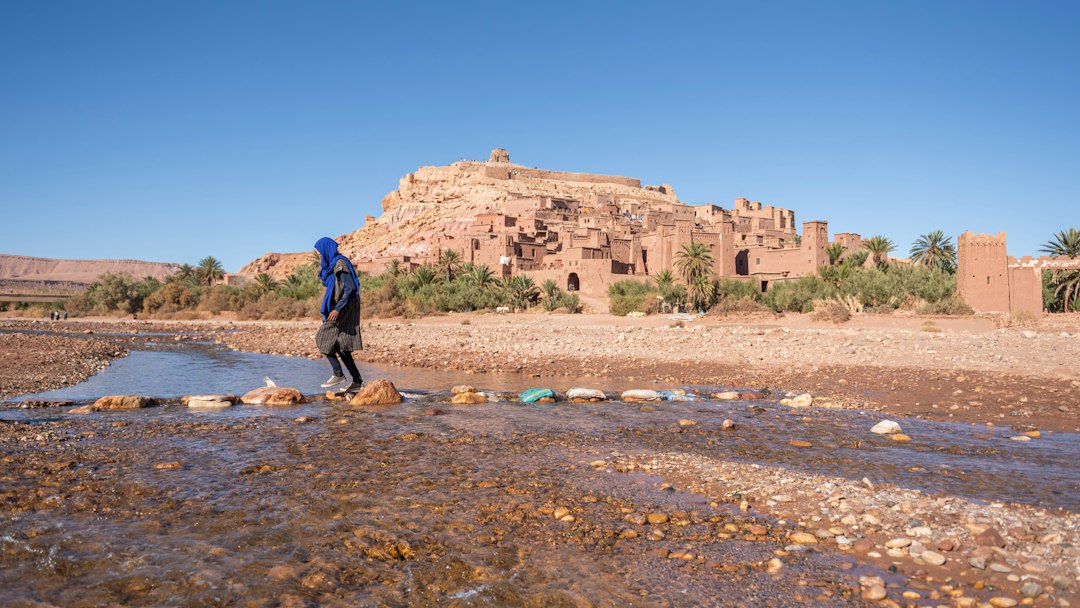
The year 2026 promises to be a pivotal period for Moroccan archaeology, a nation steeped in millennia of history that continues to yield astonishing insights into its past. From the sun-baked plains of the south to the rugged mountains of the north, a series of ongoing and newly initiated excavations are poised to unveil ancient secrets, rewriting narratives and deepening our understanding of human civilization in North Africa. This year, the focus is sharpening on the intricate tapestry of pre-Islamic societies, the enduring legacy of Roman and Phoenician presence, and the subtle yet significant shifts that characterized the early Islamic eras. Researchers are employing an unprecedented array of cutting-edge technologies, from advanced remote sensing to sophisticated DNA analysis, to unlock the secrets held within the earth, promising a cascade of discoveries that will resonate globally.
Echoes of Pre-Roman North Africa
The sands of time in Morocco have long guarded the remnants of civilizations that predated the arrival of Roman legions and Phoenician traders. 2026 is set to bring these ancient narratives to the forefront with renewed vigor. Projects across the country are meticulously sifting through layers of earth, aiming to reconstruct the lives, beliefs, and societal structures of these early inhabitants, often referred to collectively as proto-Berber or pre-Berber peoples. The sheer diversity of archaeological evidence unearthed over the decades points to a complex web of cultures, each with its unique adaptations to the Moroccan landscape and its distinct cultural expressions. This year’s explorations are particularly focused on uncovering more about their daily lives, their sophisticated understanding of resource management, and their intricate belief systems, which often involved animistic practices and reverence for natural forces. The archaeological community is buzzing with anticipation for breakthroughs that could illuminate the origins of North African identity and its enduring connections to the land.
Unearthing Berber Settlements and Lifeways
The ongoing work at several key sites promises to shed more light on the daily existence of early Berber communities. Excavations at the Telouine plateau, for instance, are expected to reveal more about agricultural practices, the types of crops cultivated, and the methods employed for irrigation in what were often arid environments. Archaeologists are not just looking for pottery shards and stone tools, but also for evidence of social organization, kinship structures, and the development of early forms of governance. The presence of well-preserved hearths, dwelling foundations, and agricultural implements will provide tangible links to the labor and ingenuity of these ancient peoples. Furthermore, the discovery of distinct burial practices and grave goods at these sites will offer crucial insights into their spiritual beliefs, their understanding of the afterlife, and their social hierarchies. The meticulous cataloging and analysis of these artifacts will contribute to a more nuanced picture of Berber society, moving beyond broad generalizations to reveal the specificities of different regional cultures.
Deciphering Ancient Religious Practices
One of the most compelling areas of research for 2026 involves the decipherment of ancient religious practices. Researchers are hoping to uncover more evidence of ritualistic sites, votive offerings, and symbolic imagery that can help them understand the spiritual landscape of pre-Roman Morocco. The interpretation of rock art, often found in remote and inaccessible locations, continues to be a significant undertaking. This year’s expeditions will utilize advanced imaging techniques to enhance the visibility of faded petroglyphs and to capture detailed records of their motifs. The analysis of anthropomorphic figures, zoomorphic representations, and abstract symbols is expected to yield clues about their cosmology, their relationship with the divine, and the myths that shaped their worldview. The potential discovery of hitherto unknown religious artifacts or structures, such as small altars or ceremonial chambers, could revolutionize our understanding of indigenous North African religions and their potential influences on later faiths.
The Mystery of Early Metallurgy
The development of metallurgy marked a significant turning point in human history, and Morocco’s role in this evolution is a subject of intense study. In 2026, archaeologists are redoubling their efforts to pinpoint the precise origins and spread of early metalworking techniques within the region. The analysis of slag, crucibles, and metal artifacts themselves, through techniques like X-ray fluorescence and mass spectrometry, will reveal the types of ores used, the smelting processes employed, and the sophistication of their craftsmanship. The discovery of new workshops or evidence of trade networks for raw materials will be particularly significant. Understanding when and how iron, copper, and other metals were introduced and utilized by indigenous populations is crucial for comprehending their technological advancements, their ability to craft more effective tools and weapons, and their participation in wider economic networks that stretched across the Mediterranean and beyond.
In recent years, Morocco has become a focal point for archaeological discoveries that shed light on the region’s rich history and cultural heritage. A fascinating article titled “Why World Maps Change: Common Reasons” explores how such discoveries can influence our understanding of geography and history, highlighting the dynamic nature of cartography in response to new findings. For more insights into this topic, you can read the article here: Why World Maps Change: Common Reasons.
Roman and Phoenician Imprints on the Moroccan Landscape
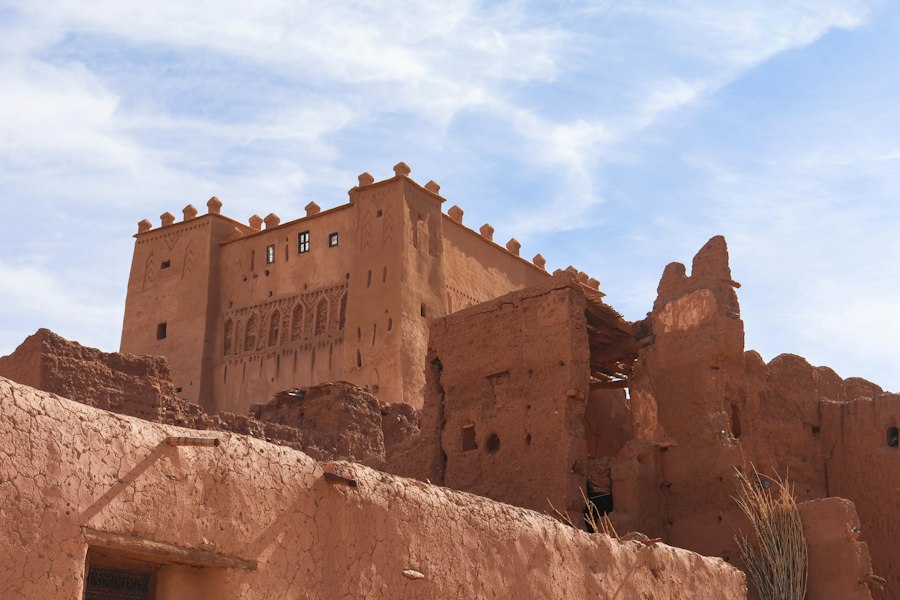
The legacy of classical civilizations, particularly the Romans and Phoenicians, is indelibly etched onto the Moroccan landscape. Their presence, though sometimes ephemeral, left behind a rich archaeological record that continues to offer valuable insights into trade, urbanization, and cultural exchange. The year 2026 is shaping up to be a significant period for re-examining these interactions, not just through the excavation of known sites but also through the application of new technologies to discover previously undocumented settlements and infrastructure. The emphasis this year is on understanding the nuances of Roman provincial life, the extent of Phoenician maritime influence, and the ways in which these external powers interacted with and integrated into the existing indigenous societies.
Rediscovering Lost Roman Cities and Villas
The search for lost Roman cities and villas is an ongoing endeavor in Morocco, and 2026 promises to bring new discoveries to light. Advanced aerial and satellite imagery, combined with ground-penetrating radar, is proving instrumental in identifying the faint outlines of buried structures that would otherwise remain hidden beneath centuries of sediment and vegetation. The excavation of these newly identified sites will offer a more comprehensive understanding of the Roman administrative and economic footprint in the region. Archaeologists are particularly interested in uncovering evidence of public buildings, private residences, and agricultural estates that can reveal details about Roman urban planning, architectural styles, and the economic activities that supported Roman settlements. The discovery of mosaics, frescoes, and inscriptions will provide invaluable insights into the lives of Roman citizens and the local populations who lived under Roman rule, shedding light on their daily routines, their social structures, and their cultural assimilation.
Tracing Phoenician Trade Routes and Settlements
The seafaring Phoenicians, renowned for their extensive trade networks, established a significant presence along the Moroccan coast. In 2026, research efforts will focus on more precisely mapping their settlements and understanding the extent of their maritime influence. Underwater archaeology, utilizing sonar and remotely operated vehicles, is becoming increasingly important for identifying submerged Phoenician ports and shipwrecks. On land, the meticulous excavation of known Phoenician sites, such as the coastal settlements that served as vital trading hubs, will aim to uncover more evidence of their commercial activities, their distinctive pottery, and their religious practices. The analysis of trade goods found at these sites, from exotic commodities to locally produced items, will help reconstruct the complex trade routes that connected North Africa with the wider Mediterranean world. Understanding the chronology of these settlements and their interactions with indigenous populations is crucial for appreciating the early stages of globalization in the region.
The Impact of Romanization on Local Cultures
The process of Romanization, the adoption of Roman culture and institutions by local populations, is a complex and fascinating phenomenon. In 2026, archaeologists are keen to explore the subtleties of this assimilation in Morocco. By examining the material culture of sites that show a mix of Roman and indigenous artifacts, researchers can gain a deeper understanding of how local traditions were adapted, transformed, or blended with Roman influences. This includes the study of coinage, which can reveal economic integration and Roman administrative control, as well as the analysis of everyday objects, such as pottery and tools, which may show a gradual adoption of Roman styles or techniques. The discovery of bilingual inscriptions, for example, would provide direct evidence of linguistic exchange and cultural interaction. Ultimately, the goal is to move beyond a simplistic model of Roman imposition and to understand the dynamic and often reciprocal nature of cultural exchange between Rome and its North African provinces.
The Dawn of the Islamic Era: New Perspectives
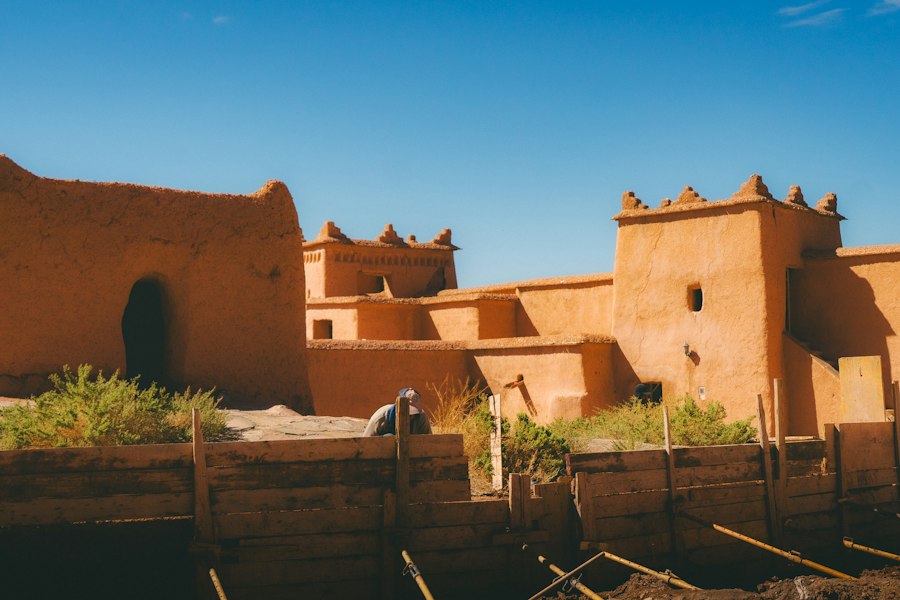
The arrival of Islam in North Africa marked a profound transformation, ushering in a new era of political, social, and cultural development. While the broad strokes of this period are well-documented, 2026 is set to offer new perspectives and finer details through ongoing and newly initiated archaeological research. The focus is shifting towards understanding the nuanced processes of Islamization, the development of early Islamic urbanism, and the continuity and change in artistic and architectural traditions. Researchers are employing advanced dating techniques and interdisciplinary approaches to unravel the complexities of this pivotal era, promising a richer understanding of how Moroccan society evolved under Islamic rule.
Excavating Early Islamic Cities and Fortifications
The study of early Islamic cities and fortifications is a cornerstone of Moroccan archaeology, and 2026 promises to be a fruitful year for new discoveries and re-examinations. The ongoing work at sites like the ancient medinas and fortified settlements is revealing more about the urban planning, architectural styles, and defensive strategies of the nascent Islamic states. Archaeologists are utilizing LiDAR technology to map the topography of these sites, identifying previously unknown structures and fortifications. Excavations within these urban centers are uncovering evidence of mosques, madrasas, administrative buildings, and residential areas, providing insights into the social and economic organization of these early Islamic communities. The discovery of pottery, coins, and other artifacts will help establish precise chronologies and shed light on trade networks and daily life within these burgeoning centers of power and culture. The meticulous study of defensive structures, such as ramparts and watchtowers, will also offer valuable information about the military strategies and security concerns of the time.
Tracing the Spread of Islamic Culture and Beliefs
Understanding the diffusion of Islamic culture and beliefs across Morocco is a key objective for 2026. This involves more than just the discovery of religious sites; it encompasses the study of the material manifestations of Islamic faith in everyday life. The analysis of architectural features in mosques and other religious buildings, such as mihrabs and minarets, will reveal regional variations and the evolution of Islamic architectural styles. The discovery of epigraphic evidence, such as Kufic inscriptions on buildings and artifacts, will provide direct insights into the religious and administrative texts of the period. Furthermore, archaeologists are examining the adoption of Islamic artistic motifs and decorative styles in pottery, textiles, and metalwork. The integration of Quranic verses and geometric patterns into secular objects demonstrates the pervasive influence of Islamic aesthetics. The meticulous documentation and analysis of these findings will help construct a more detailed map of the Islamization process and its impact on Moroccan society.
Uncovering Connections in Early Islamic Trade Networks
The early Islamic period witnessed a flourishing of trade across vast distances, and Morocco played a significant role in these networks. In 2026, archaeological research is aimed at further illuminating these connections. The excavation of ports and trading centers, both coastal and inland, is expected to yield a wealth of information about the types of goods exchanged, the origins of imported items, and the destinations of exported Moroccan products. The analysis of pottery, glass, and metal artifacts from various regions will help establish trade routes and identify trading partners. The discovery of Arabic coinage will provide crucial chronological markers and insights into economic exchange. Furthermore, the study of caravan routes and associated rest stops will reveal the overland connections that facilitated the movement of goods and people across North Africa and beyond. Understanding these early Islamic trade networks is vital for appreciating the economic prosperity and cultural exchange that characterized this transformative era.
Technological Innovations in Moroccan Archaeology
The field of archaeology is constantly evolving, and 2026 is poised to witness the extensive application of cutting-edge technologies in Moroccan archaeological endeavors. These advancements are not merely tools for exploration but are revolutionizing the way ancient sites are identified, excavated, analyzed, and preserved. The integration of digital technologies, advanced imaging techniques, and sophisticated scientific methods is opening new avenues for discovery and enabling a deeper, more nuanced understanding of Morocco’s rich past. The potential for groundbreaking discoveries is amplified by this technological leap, promising to transform our perception of ancient North African civilizations.
Digital Mapping and Remote Sensing Revolution
The use of digital mapping and remote sensing technologies is fundamentally reshaping archaeological exploration in Morocco. In 2026, projects will heavily rely on satellite imagery, aerial photography, and LiDAR (Light Detection and Ranging) to identify subtle anomalies on the landscape that may indicate the presence of buried archaeological features. These technologies allow researchers to create highly detailed topographic maps, revealing ancient road networks, agricultural terraces, defensive structures, and even the outlines of lost settlements that are invisible to the naked eye. Furthermore, drones equipped with multispectral and hyperspectral cameras are being deployed to capture detailed imagery at lower altitudes, providing unique insights into soil composition, vegetation patterns, and the subtle color variations that can betray the presence of buried structures. The data generated from these remote sensing surveys will guide ground-based excavations, making them more efficient and targeted, and will enable the discovery of sites that might otherwise remain undiscovered for generations.
Advanced Imaging and Material Analysis
Beyond remote sensing, a suite of advanced imaging and material analysis techniques is proving indispensable for unlocking the secrets of Moroccan artifacts. In 2026, researchers will employ techniques such as Ground Penetrating Radar (GPR) to non-destructively image subsurface structures and features during excavation, providing real-time insights into stratigraphy and the presence of artifacts without disturbing the soil. X-ray fluorescence (XRF) and X-ray diffraction (XRD) are being used to determine the elemental composition and mineralogical structure of artifacts, revealing the origin of raw materials, manufacturing techniques, and evidence of trade. Radiocarbon dating, coupled with more advanced luminescence dating methods, will provide increasingly precise chronologies for archaeological materials. Furthermore, the application of DNA analysis, both ancient and modern, is beginning to shed light on the migration patterns, dietary habits, and even health conditions of ancient populations, offering a biological dimension to our understanding of past societies. The detailed analysis of pigments and binders in frescoes and mosaics will also reveal artistic techniques and potential trade connections.
Virtual Reconstruction and Digital Archiving
The preservation and dissemination of archaeological findings are also being transformed by digital technologies. In 2026, there is a significant push towards virtual reconstruction of ancient sites and artifacts. Using photogrammetry and 3D scanning, archaeologists can create highly accurate digital models of excavation sites, individual artifacts, and even entire structures. These models can then be used to generate immersive virtual tours, allowing researchers and the public to explore ancient environments that may no longer exist or are inaccessible. This digital archiving of sites and artifacts ensures their long-term preservation and accessibility for future research, regardless of the physical state of the original remains. The development of online databases and interactive platforms will make this rich archaeological data accessible to a global audience, fostering greater engagement and understanding of Morocco’s extraordinary historical heritage. This technological integration promises a new era of discovery, where the past is not only unearthed but also vividly brought back to life.
Recent archaeological discoveries in Morocco have shed light on the rich history of the region, revealing artifacts that date back thousands of years. These findings not only enhance our understanding of ancient civilizations but also draw intriguing parallels with other cultures around the world. For instance, the techniques used by early navigators in Polynesia, as discussed in a related article, highlight the sophisticated methods of wayfinding that were developed independently across different societies. To explore these fascinating connections further, you can read more about it in this article.
The Future of Moroccan Heritage Preservation
| Discovery Name | Location | Date Discovered | Type of Artifact | Estimated Age | Significance |
|---|---|---|---|---|---|
| Taforalt Cave Findings | Taforalt, Eastern Morocco | March 2026 | Human Remains and Tools | ~15,000 years | Insight into early human burial practices |
| Volubilis Mosaic Discovery | Volubilis, Near Meknes | June 2026 | Roman Mosaic Floor | 2nd Century AD | Enhances understanding of Roman presence in Morocco |
| Ancient Pottery Site | Ouarzazate Region | September 2026 | Pottery Fragments | ~3,000 years | Provides data on prehistoric trade routes |
| Rock Art Panels | Anti-Atlas Mountains | November 2026 | Petroglyphs | 5,000 – 7,000 years | Reveals early symbolic communication |
As the tide of archaeological discoveries continues to rise in Morocco, the imperative for robust heritage preservation becomes ever more critical. The year 2026 marks a pivotal moment where innovative strategies and international collaboration are being harnessed to safeguard the invaluable cultural legacy that is being brought to light. The challenge is multifaceted, encompassing the protection of newly unearthed sites, the conservation of delicate artifacts, and the engagement of local communities in the stewardship of their shared history. The focus is on creating sustainable models for heritage management that ensure these discoveries benefit present and future generations.
Protecting Newly Discovered Sites
The protection of newly discovered archaeological sites is a paramount concern for 2026. As advanced technologies and intensive excavations reveal more ancient remains, the vulnerability of these sites to looting, environmental degradation, and unchecked development increases. Moroccan authorities, in collaboration with international heritage organizations, are implementing stricter protocols for site security, including surveillance systems and dedicated protection units. The involvement of local communities is also a crucial element, fostering a sense of ownership and responsibility for the protection of their heritage. Furthermore, archaeologists are increasingly employing non-invasive survey methods and remote sensing to gather information without extensive excavation, thereby minimizing disturbance to fragile sites. Where excavation is necessary, meticulous backfilling and stabilization techniques are being employed to preserve the context and integrity of the remains. The goal is to ensure that each new discovery is not just unearthed but also securely preserved for ongoing study and public appreciation.
Conservation and Restoration of Artifacts
The long-term survival of unearthed artifacts depends on meticulous conservation and restoration efforts. In 2026, significant investment is being directed towards state-of-the-art conservation laboratories and training for Moroccan archaeologists and conservators. Techniques such as controlled environment storage, specialized cleaning methods, and the use of advanced adhesives and consolidants are being employed to stabilize and preserve a wide range of materials, from fragile pottery and textiles to metal objects and ancient manuscripts. Restoration work is conducted with the utmost care to maintain the authenticity of the artifacts, focusing on stabilization rather than reconstruction that might obscure original features. The ongoing development of best practices in artifact conservation, informed by international standards and ongoing research, ensures that these tangible links to the past are maintained in the best possible condition for future study and exhibition, allowing their stories to continue to be told.
Engaging Local Communities and Fostering Cultural Tourism
The active engagement of local communities is recognized as fundamental to the long-term success of heritage preservation and the sustainable development of cultural tourism in Morocco. In 2026, a strong emphasis is being placed on educational outreach programs that inform local populations about the significance of their archaeological heritage and the importance of its protection. This includes workshops, school programs, and public presentations that demystify archaeology and highlight the tangible benefits of heritage stewardship, such as economic opportunities through responsible tourism. The development of well-managed cultural tourism initiatives, designed to showcase archaeological sites and their associated findings in a sensitive and informative manner, is crucial for generating revenue that can be reinvested into preservation efforts. By empowering local communities to become custodians of their heritage, Morocco is ensuring that its ancient secrets are not only unveiled but also cherished and protected for generations to come.

They Found a 4,000-Year-Old Defense Line in Morocco
FAQs
What are some of the recent archaeological discoveries in Morocco in 2026?
In 2026, archaeologists in Morocco have uncovered several significant discoveries, including ancient tombs, artifacts, and structures dating back to different historical periods.
Where in Morocco have these archaeological discoveries been made?
The recent archaeological discoveries in Morocco have been made in various regions across the country, such as Marrakech, Fez, Rabat, and the Sahara Desert.
What time periods do the archaeological discoveries in Morocco cover?
The archaeological discoveries in Morocco cover a wide range of time periods, including prehistoric eras, the Roman period, the Islamic era, and the medieval period.
How do these archaeological discoveries contribute to our understanding of Morocco’s history?
These archaeological discoveries provide valuable insights into Morocco’s rich and diverse history, shedding light on its ancient civilizations, cultural exchanges, and historical developments over the centuries.
Are the archaeological sites in Morocco open to the public for visitation?
Many of the archaeological sites in Morocco are open to the public for visitation, offering visitors the opportunity to explore the country’s fascinating history and heritage firsthand.