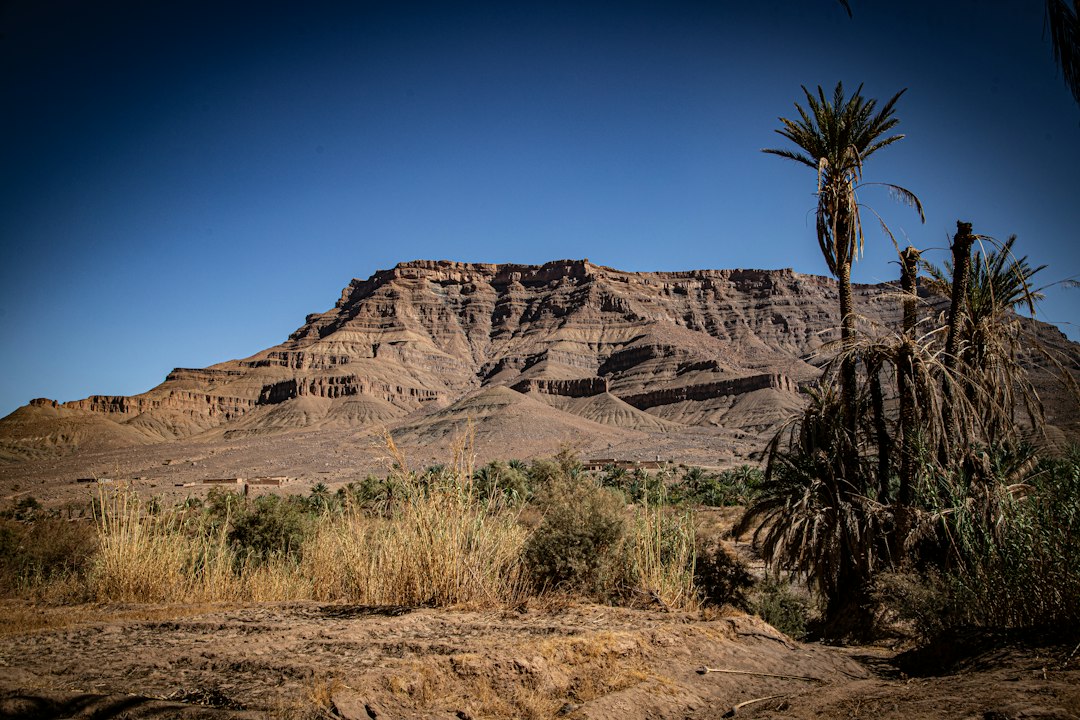
The sands of North Africa have long held their secrets close, whispering tales of empires and cultures that once flourished, only to recede into the mists of time. For generations, the dominant narratives of this vibrant region have often centered on more recent epochs, the Roman conquests, the Arab Golden Age, or the colonial period. Yet, beneath the surface of these familiar histories lie the remnants of civilizations that predated them, whose ingenuity, artistry, and societal structures laid foundational stones for what was to come, or existed as entirely distinct and remarkable entities. Uncovering these lost chapters is not merely an academic exercise; it is a vital endeavor to understand the full spectrum of human achievement and the complex tapestry of North African heritage, revealing a land far richer and more multifaceted than commonly perceived.
The Dawn of Civilization: From Nomads to Settlements
The story of North Africa’s lost history begins long before the grand empires that would later leave their indelible marks. It is a narrative of adaptation, innovation, and the gradual shift from nomadic lifestyles to settled communities, driven by environmental changes and evolving human ingenuity. These early peoples, often overlooked in favor of their more celebrated successors, were the true pioneers who shaped the very landscape and culture of the region.
Echoes from the Neolithic Revolution
The Neolithic period, a pivotal era in human development, saw significant advancements in North Africa. Evidence suggests a remarkable cultural dynamism, with societies developing sophisticated agricultural techniques and creating distinct artistic traditions. Sites across the region, from the Sahara to the Mediterranean coast, offer glimpses into a world where people were mastering pottery, domesticating animals, and cultivating crops. This was not a static period; rather, it was a time of dynamic experimentation and adaptation, where human societies began to leave a lasting imprint on their environment. The development of complex social structures and the emergence of settled life laid the groundwork for future civilizations, demonstrating an early capacity for organization and innovation that would characterize North Africa for millennia. The artistic expressions found in rock art, pottery shards, and early tools speak to a developing sense of identity and a rich symbolic world.
The Garamantes: Masters of the Desert Oasis
Perhaps one of the most enigmatic and significant lost civilizations of North Africa is that of the Garamantes. Flourishing in the heart of the Sahara from approximately 500 BCE to 700 CE, they developed a unique and sophisticated society that defied the harsh desert environment. Their existence is a testament to human resilience and remarkable engineering prowess. The Garamantes were not merely surviving in the desert; they were thriving, establishing an extensive network of settlements and an impressive irrigation system that allowed them to cultivate large areas of land.
The most striking legacy of the Garamantes is their “foggara” system, an underground network of channels that tapped into subterranean water sources. These ingeniously constructed tunnels, stretching for miles, brought precious water to their settlements and agricultural fields, transforming arid landscapes into arable land. This was a feat of engineering that rivaled, and in some cases surpassed, contemporary technologies in other parts of the world. The scale of their water management systems suggests a highly organized society with centralized planning and a deep understanding of hydrology. Their capital, Garama, was a bustling city with monumental architecture, intricate road networks, and evidence of a complex social hierarchy. Their influence extended through trade routes that connected sub-Saharan Africa with the Mediterranean world, facilitating the exchange of goods, ideas, and cultures. The discovery and ongoing study of Garamantian sites are continuously rewriting our understanding of Saharan history and the capabilities of ancient desert-dwelling peoples.
North Africa’s rich and often overlooked history is a fascinating subject that intertwines with various global narratives, including environmental changes that have shaped civilizations. For those interested in how climate change impacts historical contexts, a related article discusses the implications of Antarctica’s melting ice caps and their potential threat to sea levels, which can indirectly affect coastal regions in North Africa. You can read more about this pressing issue in the article found here: Antarctica’s Melting Ice Caps Threatening Sea Level Rise.
The Pre-Roman Mosaic: Phoenicians, Carthaginians, and the Berbers
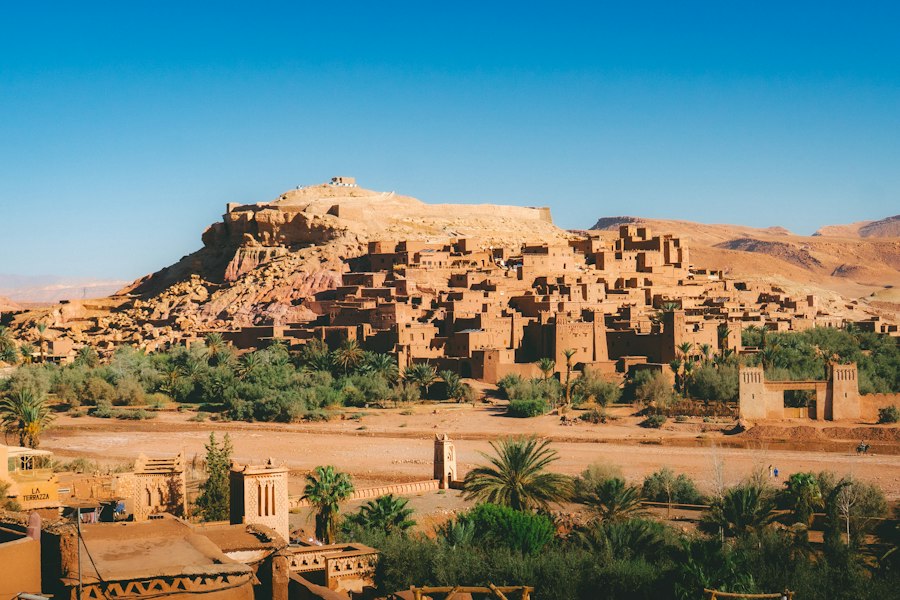
Before the might of Rome reshaped the North African landscape, the region was a vibrant hub of trade and cultural exchange, influenced by maritime powers and indigenous peoples who forged their own unique identities. The arrival of Phoenician traders marked a significant turning point, ushering in an era of dynamic interaction and the rise of powerful city-states.
Phoenician Mariners and the Seeds of Trade
The Phoenicians, renowned seafarers and traders from the Levant, established numerous colonies along the North African coast from the 9th century BCE onwards. Their primary motivation was trade, seeking valuable resources such as metals, ivory, and slaves. These settlements, like Utica and Carthage, were not mere outposts but grew into significant centers of commerce and culture. The Phoenicians introduced advanced maritime technologies, writing systems, and sophisticated economic practices to the region. Their presence stimulated local economies, fostered new forms of artistry, and initiated a long history of interaction between North Africa and the wider Mediterranean world. The influence of Phoenician language and culture can be traced in the subsequent development of Punic, the language spoken by the Carthaginians.
Carthage: A Mediterranean Powerhouse
From its humble beginnings as a Phoenician colony, Carthage rose to become one of the most formidable powers in the ancient Mediterranean. For centuries, Carthage dominated trade routes, commanded a powerful navy, and established an extensive empire that stretched across North Africa, Sicily, Sardinia, and parts of Spain. Their military might, particularly their naval prowess, allowed them to challenge even the burgeoning power of Rome, leading to the epic Punic Wars.
Carthaginian society was complex and organized, with a sophisticated legal system, a vibrant economy based on trade and agriculture, and a unique religious tradition. Their cities, particularly Carthage itself, were magnificent metropolises boasting impressive architecture, advanced sanitation systems, and bustling harbors. The Punics, as they were known, developed their own distinct Punic language and script, a testament to their cultural evolution. Despite their eventual defeat at the hands of Rome, the Carthaginians left an indelible mark on North African history, shaping trade patterns, influencing subsequent political structures, and contributing to the rich cultural mosaic of the region. Their sophisticated urban planning and administrative capabilities are still subjects of archaeological interest.
The Indigenous Berbers: Enduring Cultures
The indigenous peoples of North Africa, collectively known as Berbers (or Amazigh, meaning “free people”), have inhabited the region for millennia, predating the arrival of Phoenicians, Romans, and Arabs. Their history is one of resilience, adaptation, and the preservation of distinct cultural traditions in the face of successive invasions and influences. Long before the rise of Carthage or the arrival of Rome, Berber tribes had established complex social structures, developed unique languages, and possessed a deep understanding of their diverse environments.
Archaeological evidence, from burial sites to rock carvings, points to a long and continuous presence, with sophisticated artisanal skills and a rich spiritual life. They were skilled pastoralists, farmers, and artisans, adapting their livelihoods to the varied landscapes of the Atlas Mountains, the coastal plains, and the Sahara. Their interactions with incoming civilizations were complex, ranging from conflict and trade to assimilation and cultural exchange. While often marginalized in historical narratives dominated by imperial powers, the Berber legacy is foundational to North African identity. Their languages, customs, and traditions have persisted through the ages, demonstrating an enduring cultural strength and a deep connection to the land. The study of Berber languages and oral traditions provides invaluable insights into pre-Roman North Africa and the continuity of indigenous cultures.
The Unseen Architects: Early Empires and Kingdoms
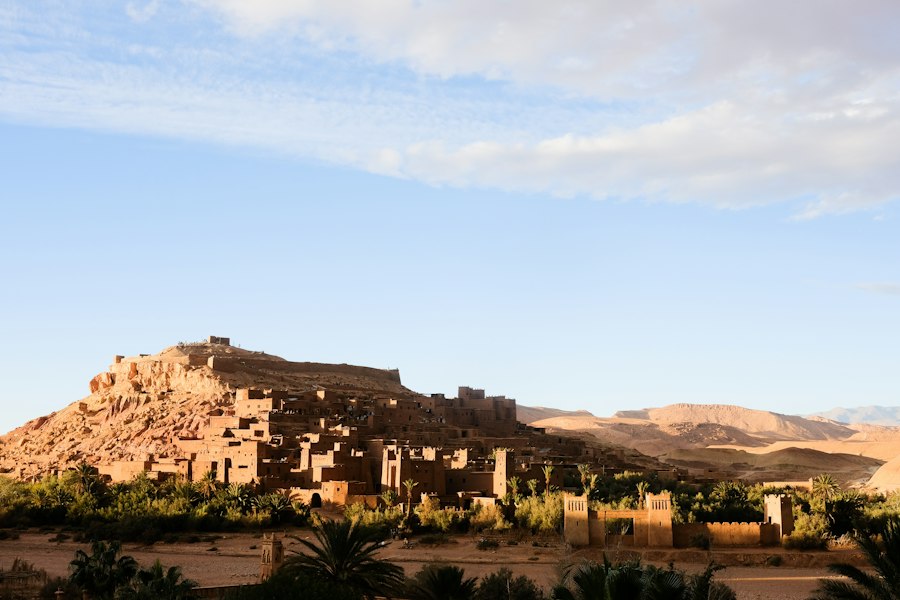
Beyond the well-documented empires of Rome and Byzantium, North Africa was home to a series of indigenous kingdoms and empires that exerted significant regional influence, leaving behind a legacy of political organization, cultural achievements, and sometimes overlooked military might. These entities played a crucial role in shaping the political and cultural landscape before and during the Roman period.
The Numidian Kingdoms: Masters of Cavalry
The Numidians, a confederation of Berber tribes inhabiting what is now eastern Algeria and western Tunisia, emerged as a significant political and military force in the centuries preceding and during the Roman expansion. Their most famous kingdoms, particularly those ruled by the Massylii and Masaesyli, were renowned for their exceptional cavalry, which proved to be a formidable asset in their alliances and conflicts with Carthage and later Rome. Figures like Masinissa, who united the Numidian tribes and became a key ally of Rome, exemplify the strategic acumen and military prowess of these rulers.
The Numidians developed sophisticated political structures, with hereditary monarchies and established territorial boundaries. Their society was characterized by a blend of pastoralism and agriculture, with a strong warrior tradition. They played a crucial role in the Punic Wars, their cavalry often acting as the decisive force on the battlefield. While their kingdoms were eventually absorbed into the Roman Empire, the Numidian legacy is a significant one, demonstrating the existence of powerful indigenous states with distinct identities and military capabilities that significantly influenced the course of North African history. Their enduring presence and influence highlight a period of indigenous political agency that often gets overshadowed by the more prominent imperial powers.
The Mauretanian Kingdoms: West African Influence
To the west of Numidia, the Mauretanians, another group of indigenous Berber peoples, established their own kingdoms, primarily in what is now Morocco and western Algeria. Like the Numidians, the Mauretanians were skilled warriors and horsemen, and their kingdoms, such as those ruled by Bocchus I and Juba II, engaged in complex diplomatic relations and military campaigns. Their interactions with Rome were often intertwined with those of the Numidians, at times as allies and at other times as adversaries.
Mauretanian rulers, particularly Juba II, were known for their intellectual pursuits and patronage of the arts and sciences. Juba II, who was educated in Rome and had close ties to the Roman imperial family, ruled a sophisticated kingdom that blended indigenous traditions with Hellenistic and Roman influences. He commissioned architectural projects, supported scholars, and wrote extensively on history, geography, and natural history. The Mauretanian kingdoms represent another vital layer of pre-Roman North African civilization, demonstrating a capacity for governance, cultural development, and engagement with the wider Mediterranean world. Their territories, though eventually integrated into Roman provinces, were centers of indigenous power and cultural innovation for centuries.
The Unsung Engineers and Artisans: Innovations in Infrastructure and Art
Beyond the grand pronouncements of kings and emperors, the true story of forgotten civilizations often lies in the everyday ingenuity of their people – the engineers who built enduring structures and the artisans who imbued their creations with meaning and beauty. North Africa’s lost history is replete with examples of remarkable craftsmanship and innovative engineering that facilitated life, trade, and cultural expression.
The Legacy of Roman Engineering: More Than Just Roads
While Roman influence is well-documented, the extent of their engineering achievements in North Africa often goes beyond the familiar networks of roads. Roman engineers, working with local labor and adapting to regional challenges, constructed impressive aqueducts that supplied water to burgeoning cities, sophisticated drainage systems that managed urban environments, and monumental public buildings like baths, theaters, and temples that served as centers of civic life. These structures, many of which still stand as testament to their durability, demonstrate a remarkable understanding of hydraulics, architecture, and urban planning. The sheer scale of these projects, often undertaken in challenging terrain, highlights the logistical capabilities and organizational strength of the Roman administration in the region. Furthermore, the integration of local materials and techniques into Roman designs reveals a degree of cultural synthesis.
Early Hydraulic Systems: Water is Life
The story of North African engineering is inextricably linked to the mastery of water. Long before the Romans, and continuing alongside their infrastructure projects, indigenous populations developed sophisticated water management systems. The Garamantian foggaras, as mentioned earlier, are a prime example, but similar techniques for collecting, storing, and distributing water were employed across the region, adapted to the specific hydrological conditions. This ingenuity was crucial for supporting agriculture, sustaining populations in arid and semi-arid zones, and facilitating trade routes that relied on access to water sources. The continued study of these systems, both ancient and more recent, provides crucial lessons for sustainable water management in the region today.
Artistic Expressions: From Rock Art to Mosaics
The artistic heritage of North Africa’s lost civilizations is as diverse as the peoples who created it. From the ancient rock art of the Sahara, depicting scenes of daily life, hunting, and ritual, to the intricate mosaics that adorned Roman villas and public buildings, a rich tapestry of visual expression unfolds. These artworks offer invaluable insights into the beliefs, social structures, and aesthetic sensibilities of past societies.
The rock art, some of which dates back thousands of years, provides a direct window into the lives of early hunter-gatherers and pastoralists, offering glimpses of extinct fauna and early human interactions. Later, as settlements grew and empires rose, artistic traditions evolved. The Phoenicians and Carthaginians brought their own styles, evident in pottery and funerary stelae. The Romans, in turn, introduced the art of mosaic, and North African workshops produced some of the most vibrant and technically sophisticated mosaics in the empire, often depicting mythological scenes, daily life, and geometric patterns. The enduring beauty and complexity of these artistic legacies underscore the cultural richness and creative spirit of North Africa’s forgotten peoples.
The rich tapestry of North Africa’s history often remains overshadowed by more prominent narratives, yet it is filled with remarkable stories and insights waiting to be uncovered. For those interested in exploring the depths of ancient wisdom and the advanced knowledge that has shaped civilizations, a compelling article can be found at Unlocking Ancient Wisdom. This piece delves into the significance of historical legacies and how they continue to influence modern understanding, shedding light on the profound contributions of North African cultures throughout history.
Rediscovering the Past: Modern Archaeology and Future Potential
| Aspect | Description | Impact | Examples |
|---|---|---|---|
| Destruction of Ancient Manuscripts | Loss of historical texts due to wars, invasions, and neglect | Gaps in understanding of North African civilizations and cultures | Burning of the Library of Alexandria, loss of Berber scripts |
| Colonial Erasure | Colonial powers rewriting or suppressing indigenous histories | Distorted historical narratives and marginalization of local heritage | French and Italian colonial records overshadowing local accounts |
| Oral Traditions | Reliance on oral history which is vulnerable to loss over generations | Difficulty in verifying and preserving historical facts | Tuareg and Amazigh oral storytelling traditions |
| Archaeological Neglect | Insufficient funding and protection for archaeological sites | Damage and looting of historical sites leading to loss of artifacts | Neglect of Carthage ruins, looting in Libyan desert sites |
| Language Loss | Decline of indigenous languages that carry historical knowledge | Loss of cultural identity and historical context embedded in language | Decline of ancient Berber languages and scripts |
The journey to uncover North Africa’s lost history is an ongoing one, propelled by the persistent efforts of archaeologists and historians. Each unearthed artifact, each meticulously excavated site, adds another piece to the intricate puzzle of the region’s past, challenging existing narratives and revealing a heritage far grander and more complex than previously imagined. The potential for future discoveries remains immense, promising to further illuminate the continent’s forgotten chapters.
Archaeological Expeditions: Unearthing the Evidence
Numerous archaeological sites across North Africa are currently under investigation, yielding groundbreaking discoveries that are reshaping our understanding of ancient civilizations. From the Garamantian cities in Libya to the Berber settlements in Morocco and the Phoenician and Roman ruins scattered along the coast, ongoing excavations are bringing to light the tangible evidence of these lost worlds. Researchers are employing advanced technologies, including remote sensing and geospatial analysis, to identify potential sites and to better understand the urban planning, agricultural practices, and trade networks of these ancient societies. The meticulous work of archaeologists in documenting, preserving, and interpreting these findings is crucial for reconstructing the narratives of these forgotten peoples.
The Role of Repatriation and Preservation
A significant aspect of uncovering lost history involves the ethical considerations surrounding archaeological finds. The repatriation of artifacts to their countries of origin is increasingly a priority, ensuring that cultural heritage remains within its ancestral context. Furthermore, the preservation of these fragile sites and artifacts is paramount. Many ancient structures and artifacts are vulnerable to environmental degradation, looting, and the pressures of modern development. International cooperation and local initiatives are essential for safeguarding this invaluable heritage for future generations and for ongoing research.
The Unwritten Chapters: Future Prospects
Despite the significant progress made in understanding North Africa’s past, vast tracts of land and untold stories remain unexplored. The Sahara, in particular, holds immense potential for future discoveries, with its shifting sands likely concealing countless ancient settlements and artifacts. The deep historical roots of the indigenous Berber populations, with their rich oral traditions and dispersed communities, also offer fertile ground for further ethnographic and archaeological research. As archaeological techniques become more sophisticated and as scholars continue to collaborate across borders, the prospect of uncovering even more of North Africa’s lost history is not just promising, but virtually assured. These future revelations promise to further enrich our understanding of human ingenuity, cultural diversity, and the enduring legacy of civilizations that have long slumbered beneath the sands.

They Found a 4,000-Year-Old Defense Line in Morocco
FAQs
What is the significance of North Africa in history?
North Africa has a rich history that includes ancient civilizations such as the Egyptians, Carthaginians, and Berbers. It was a major center of trade, culture, and power in the ancient world.
Why is North Africa often referred to as having a “lost history”?
North Africa’s history is often considered “lost” because many of its ancient civilizations and historical sites have been overshadowed by the more well-known histories of other regions, such as Egypt and the Middle East.
What are some key historical events that have shaped North Africa?
Key historical events that have shaped North Africa include the Arab conquests in the 7th century, the spread of Islam, European colonization in the 19th and 20th centuries, and the struggle for independence in the mid-20th century.
What are some notable archaeological sites in North Africa?
Notable archaeological sites in North Africa include the Pyramids of Giza in Egypt, the ruins of Carthage in Tunisia, the ancient city of Leptis Magna in Libya, and the rock art of Tassili n’Ajjer in Algeria.
How has North Africa’s history influenced its modern culture and society?
North Africa’s history has had a significant impact on its modern culture and society, influencing everything from language and religion to architecture and cuisine. The region’s diverse history continues to shape its identity today.