The Dawn of Human Ingenuity: Unearthing Morocco’s Prehistoric Toolkit
Morocco, a land of diverse landscapes stretching from the Atlantic coast to the Atlas Mountains and the Sahara Desert, holds within its earth the silent chronicles of human existence stretching back millennia. Long before the great empires and bustling souks of its more recent past, early humans were shaping their world, leaving behind tangible evidence of their burgeoning ingenuity. The discovery and study of ancient tools and pottery in Morocco offer a profound window into the lives, cultures, and technological advancements of these early civilizations, painting a vivid picture of their struggle for survival, their adaptation to their environment, and the nascent stirrings of artistic expression. These artifacts, unearthed from ancient campsites, burial sites, and prehistoric settlements, are not mere relics of a forgotten time; they are the very foundations upon which our understanding of North African prehistory is built. The sheer volume and variety of these finds underscore the long and continuous human presence in this strategically important region, a crossroads of continents and cultures.
The earliest inhabitants of Morocco, like their counterparts across the globe, were hunter-gatherers. Their survival depended on their ability to procure food and shelter, and their tools were extensions of their bodies, crafted from readily available natural resources. Stone, in particular, became the material of choice for early toolmakers. The skill and precision with which these stones were shaped speak volumes about their understanding of material properties and their keen observational abilities. These were not crude, haphazard creations; they were carefully designed instruments, each serving a specific purpose. The process of knapping, the art of striking one stone with another to detach flakes and shape the core, was a sophisticated technological endeavor, passed down through generations and refined over time. The evidence suggests a gradual evolution of tool typologies, reflecting changing needs, environmental pressures, and the development of more complex social structures. The study of these lithic assemblages allows archaeologists to chart the ebb and flow of human presence, understand migratory patterns, and even infer aspects of diet and hunting strategies.
The Acheulean Legacy: Handaxes and the Spread of Innovation
Among the most significant discoveries in Morocco are tools belonging to the Acheulean period, characterized by the distinctive handaxe. These large, bifacially worked stone tools, often almond-shaped or tear-drop in form, represent a significant cognitive leap. Their symmetrical design and the effort involved in their creation suggest a level of planning and forethought that distinguishes them from earlier Oldowan tools. Acheulean handaxes are found in significant quantities across various Moroccan sites, indicating a widespread adoption and adaptation of this technology. The presence of Acheulean sites in Morocco, such as those in the Casablanca region and the Ternifine locality, demonstrates the reach of this Middle Pleistocene cultural complex across North Africa. These tools were incredibly versatile, used for butchering carcasses, digging for roots, and shaping wood. Their standardization suggests a shared cultural tradition and potentially a form of communication or teaching through demonstration. The study of Acheulean handaxes allows researchers to trace the movement of hominin populations and understand the diffusion of technological innovations across vast geographical distances.
Mousterian Adaptations: Diversifying the Toolkit
Following the Acheulean, the Mousterian period, associated with Neanderthals in Europe and the Middle East, also left its mark on Morocco. While distinct from the European Mousterian in certain aspects, Moroccan sites have revealed a diversified toolkit. Mousterian tools often exhibit a greater degree of specialization, with a wider range of flake tools, scrapers, and points. This suggests an increasing refinement of techniques and a greater adaptability to specific tasks. The Levallois technique, a sophisticated method of preparing a stone core to produce predictable flakes of a desired size and shape, became more prominent during this period. This technique required a higher level of cognitive ability and foresight, showcasing the advanced capabilities of the hominins who employed it. The presence of Mousterian artifacts, particularly in association with hominin fossil remains, provides crucial insights into the lives of Neanderthals and their contemporaries in North Africa. The diversity of tool types found at these sites hints at a more complex social organization and a greater reliance on specific skill sets for survival.
Ancient Morocco is renowned for its rich history and the tools and pottery that reflect its diverse cultures. The craftsmanship of these artifacts provides insight into the daily lives and practices of early inhabitants. For a deeper understanding of how ancient civilizations navigated and mapped their world, you can explore the article “Navigating the Unknown: Mapping the World Before Discovery” at this link: Navigating the Unknown. This article delves into the geographical knowledge of ancient peoples, which complements the study of tools and pottery in Morocco.
The Ceramic Revolution: From Utility to Artistry
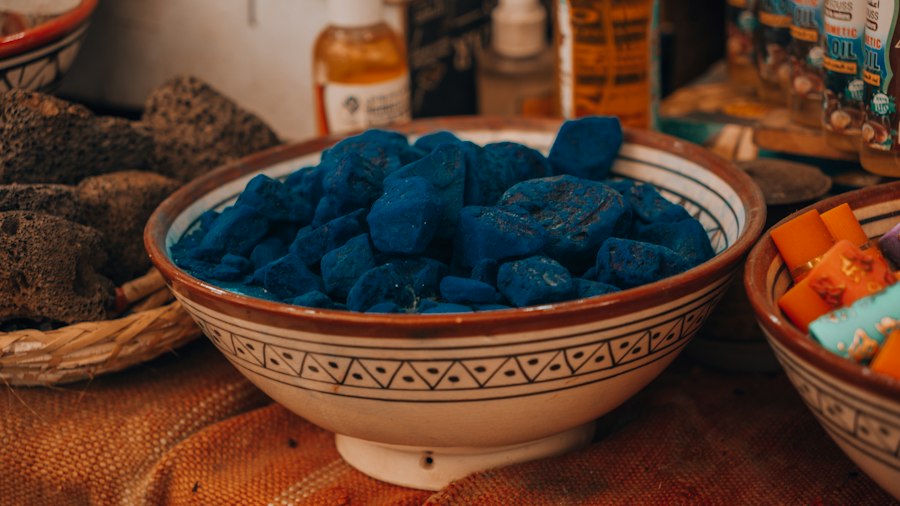
The advent of pottery marked a profound turning point in human history, and Morocco’s archaeological record reveals its gradual integration and development. The earliest ceramic traditions, often referred to as Neolithic pottery, were primarily functional, designed for the storage of food and water, cooking, and transportation. These early vessels were typically handmade, often constructed using coil or pinch techniques, and fired at relatively low temperatures, making them somewhat fragile. However, even in these early stages, a discernible artistry began to emerge.
Early Neolithic Ceramics: The Dawn of Functional Vessels
The Neolithic period in Morocco, which began roughly around the 7th millennium BCE, witnessed the first widespread adoption of pottery. Sites like those in the northern coastal regions and the Tangier area have yielded significant collections of early Neolithic ceramics. These early pots are characterized by their simplicity of form and decoration. Globular shapes, often with slightly everted rims, were common. Decoration, when present, was typically incised or impressed, using tools like reeds, bone fragments, or shells to create geometric patterns. These patterns, while seemingly simple, represent the earliest expressions of aesthetic intent, moving beyond pure utility. The presence of these vessels suggests a shift towards more settled lifestyles, as pottery facilitated the storage of surplus food and allowed for more efficient cooking methods. The analysis of the clay composition and firing techniques provides valuable information about the technological capabilities of these early communities and their understanding of local geological resources. The distribution of these early ceramic styles across different regions can also offer clues about trade networks and cultural diffusion.
Capsian Culture and its Ceramic Innovations
The Capsian culture, a prominent Mesolithic and early Neolithic complex in North Africa, including parts of Morocco, is known for its distinct lithic industries and, later, its pottery. While the earliest Capsian assemblages are characterized by a rich lithic toolkit, the later stages show the increasing integration of ceramic production. Capsian pottery, often found in association with shell middens, demonstrates a developing sophistication in both form and decoration. Vessels tend to be more varied in shape, and decorative motifs become more elaborate, often featuring incised lines, dots, and more complex geometric designs. The characteristic “eggshell pottery” of the Capsian, known for its thin walls and delicate craftsmanship, is a testament to the evolving skills of these potters. The Capsian culture’s influence on subsequent ceramic traditions in Morocco is undeniable, laying the groundwork for more complex and diverse pottery styles that would emerge in later periods. The study of Capsian pottery helps archaeologists understand the cultural connections and interactions across North Africa during this crucial transitional period.
The Influence of Mediterranean Cultures on Moroccan Pottery
As maritime trade and contact with other cultures intensified, Moroccan pottery began to show influences from the wider Mediterranean world. Phoenician, Punic, and later Roman pottery styles can be found in archaeological contexts in Morocco, particularly in coastal settlements. These foreign imports, as well as local imitations, introduced new forms, decorative techniques, and firing methods. The presence of these imported ceramics speaks to Morocco’s long-standing role as a trading partner and a recipient of cultural exchange. The study of these influences allows archaeologists to date sites more accurately and to understand the economic and social dynamics of ancient Morocco within a broader regional context. The adoption and adaptation of foreign ceramic styles by local artisans demonstrate a dynamic process of cultural assimilation and innovation, where foreign elements were integrated into existing traditions, creating unique hybrid forms.
Daily Life Revealed: Insights from the Archaeological Record
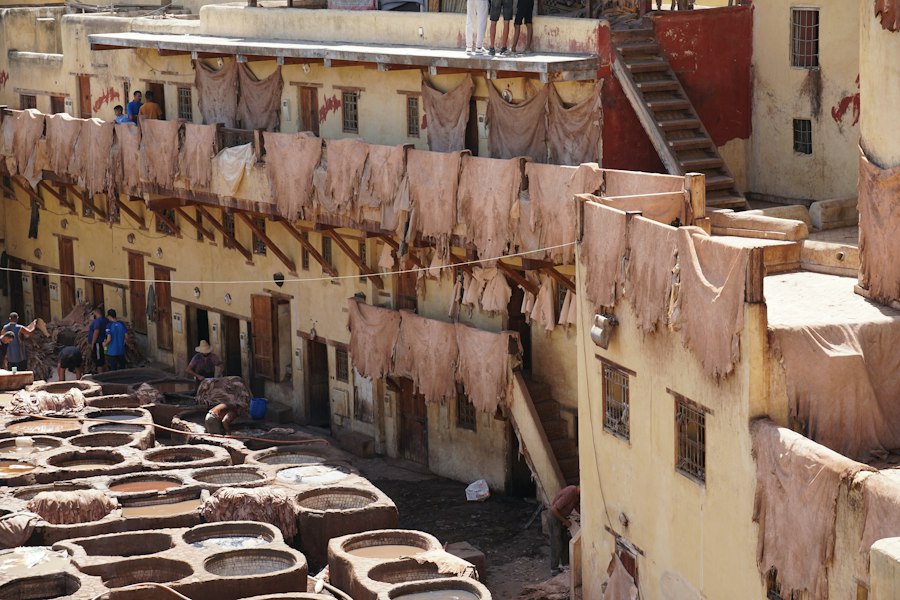
The tools and pottery unearthed from ancient Moroccan sites offer more than just technological insights; they provide a tangible glimpse into the daily lives of the people who created and used them. The context in which these artifacts are found, their wear patterns, and their distribution all contribute to a richer understanding of ancient Moroccan societies.
Food Preparation and Consumption: A Culinary Tapestry
Pottery played a pivotal role in the transformation of food. Cooking pots allowed for the boiling and stewing of grains, legumes, and meats, making them more digestible and unlocking a wider range of dietary possibilities. The presence of cooking vessels, often blackened by fire and bearing residue from food remains, allows archaeologists to reconstruct ancient diets. Analysis of organic residues can identify specific types of plants and animals consumed, providing invaluable data on the agricultural practices and hunting strategies of early Moroccan communities. Tools like grinding stones and pestles, found in conjunction with pottery, further illuminate the processes of food preparation, from milling grains to crushing seeds and spices. The sheer abundance of domestic pottery in living sites underscores the central role of cooking and eating in daily social life, suggesting that meals were likely communal events, fostering social cohesion and the transmission of knowledge.
Domestic Life and Household Activities: Beyond the Functional
Beyond food-related activities, tools and pottery reveal other aspects of domestic life. Storage jars were essential for preserving grains, olive oil, and wine, indicating a level of economic organization and planning. Bowls and plates were used for serving and consuming food, suggesting a degree of formality in mealtimes. The presence of specialized tools, such as awls and needles (often made of bone or stone), points to the practice of sewing and textile production, essential for clothing and shelter. Even the decorative elements on pottery, beyond their aesthetic appeal, could have carried symbolic meaning or served as markers of identity or status within the community. The meticulous study of wear patterns on tools can also reveal the specific tasks for which they were used, offering insights into craft production, woodworking, leatherworking, and other essential domestic activities that formed the backbone of ancient Moroccan economies.
Preserving the Past: Challenges and the Future of Discovery
The rich archaeological heritage of Morocco faces both the natural processes of decay and the pressures of modern development. Ensuring the preservation of these ancient sites and artifacts is crucial for our ongoing understanding of human history.
The Fragility of Time: Deterioration and the Need for Conservation
Ancient artifacts, particularly pottery fired at low temperatures and organic materials, are inherently fragile. Exposure to the elements, soil acidity, and fluctuations in temperature and humidity can lead to rapid deterioration. Archaeological excavation itself can disturb delicate contexts, making careful documentation and rapid conservation essential. The looting of archaeological sites for the illicit antiquities trade also poses a significant threat, robbing not only Morocco of its heritage but also the global community of invaluable historical knowledge. Understanding the material properties of the artifacts is key to developing effective conservation strategies, whether it involves stabilizing fragile pottery, protecting metal artifacts from corrosion, or preserving delicate organic remains. The scientific analysis of these materials can inform the choice of conservation methods, ensuring that interventions are both effective and minimally invasive.
Modern Techniques and Ongoing Exploration: Unlocking New Secrets
The field of archaeology is constantly evolving, with new technologies offering unprecedented opportunities to discover and analyze ancient Moroccan sites. Ground-penetrating radar, magnetometry, and aerial surveying can help identify potential archaeological features without disturbing the ground. Advanced techniques in radiocarbon dating and archaeometry allow for more precise dating of artifacts and a deeper understanding of their composition and origin. DNA analysis of ancient human remains can shed light on migration patterns and population relationships. The ongoing exploration of Morocco’s diverse landscapes, from its coastal plains to its mountainous interiors and desert fringes, continues to yield new discoveries, pushing back the boundaries of our knowledge and revealing previously unknown chapters of its prehistoric past. The collaboration between Moroccan and international archaeologists is vital, fostering the exchange of expertise and resources to ensure the thorough and responsible exploration of this rich historical landscape.
Ancient Morocco is renowned for its rich history and the remarkable tools and pottery that have been unearthed, shedding light on the lives of early inhabitants. These artifacts not only reflect the craftsmanship of the time but also provide insights into the cultural practices and daily activities of ancient societies. For those interested in exploring similar themes of discovery and the significance of ancient artifacts, a fascinating read can be found in an article about uncovering secrets beneath Antarctica’s ice, which highlights the importance of archaeological findings in understanding our past. You can read more about it here.
The Enduring Legacy: Shaping Our Understanding of Human Origins
| Tool/Pottery Type | Material | Estimated Age | Region Found | Function/Use | Notable Features |
|---|---|---|---|---|---|
| Flint Blade | Flint | Circa 10,000 BCE | Taforalt Cave | Cutting and scraping | Sharp edges, retouched |
| Bone Harpoon | Animal Bone | Circa 8,000 BCE | Taforalt Cave | Fishing and hunting | Barbed tip for catching fish |
| Neolithic Pottery | Clay | Circa 5,000 BCE | Rharb Plain | Storage and cooking | Decorated with geometric patterns |
| Stone Axe | Basalt | Circa 6,000 BCE | Middle Atlas Mountains | Woodworking and clearing land | Polished surface, hafted design |
| Painted Pottery | Clay with mineral pigments | Circa 3,000 BCE | Volubilis | Ceremonial and domestic use | Colorful motifs, symbolic designs |
The tools and pottery of ancient Morocco are not mere curiosities; they are fundamental pieces of the human story. They speak to the resilience, adaptability, and ingenuity of our ancestors, their capacity to innovate and create in even the most challenging environments. From the earliest handaxes of the Acheulean to the decorated ceramics of the Neolithic, these artifacts trace a trajectory of human development that is both awe-inspiring and deeply relatable.
A Crossroads of Humanity: Morocco’s Place in the Global Narrative
Morocco’s strategic location at the crossroads of Africa, Europe, and the Mediterranean has always made it a dynamic stage for human interaction and cultural exchange. The archaeological record clearly demonstrates this long history of connection, showing how technological innovations and cultural practices spread and evolved within and across regions. The study of Moroccan prehistory contributes not only to our understanding of North Africa but also to the broader global narrative of human origins, dispersal, and the development of complex societies. By piecing together the evidence from these ancient sites, we gain a more nuanced and comprehensive picture of humanity’s journey, recognizing the interconnectedness of early civilizations and the shared human drive to understand, adapt, and thrive.
Continuing the Quest: The Future of Moroccan Archaeology
The exploration of ancient Morocco is far from complete. Each new discovery adds another layer to our understanding, raising new questions and inspiring further research. The commitment to preserving and studying these invaluable remnants of the past is essential. As technology advances and our methodologies become more sophisticated, we can expect to uncover even more secrets buried beneath Morocco’s sands and mountains. The legacy of its early civilizations continues to unfold, offering a profound and enduring connection to the deep human past and reminding us of the remarkable journey that has brought us to where we are today. The ongoing quest to understand Morocco’s ancient past is a testament to the enduring power of human curiosity and the desire to connect with our origins.

They Found a 4,000-Year-Old Defense Line in Morocco
FAQs
What types of tools were commonly used in ancient Morocco?
In ancient Morocco, people commonly used tools such as stone axes, flint knives, bone awls, and wooden digging sticks for various tasks like hunting, farming, and crafting.
How were pottery items made in ancient Morocco?
In ancient Morocco, pottery items were typically made by hand using clay that was shaped, dried, and then fired in kilns to harden the material. These pottery items were often decorated with intricate designs and patterns.
What was the significance of pottery in ancient Moroccan society?
Pottery held great significance in ancient Moroccan society as it served both practical and symbolic purposes. Pottery items were used for cooking, storage, and serving food, as well as for religious and ceremonial practices.
What materials were used to create pottery in ancient Morocco?
In ancient Morocco, pottery was primarily made from clay that was sourced locally. Sometimes, other materials like sand, crushed shells, or plant fibers were added to the clay to improve its strength and texture.
Were ancient Moroccan pottery items traded with other civilizations?
Yes, ancient Moroccan pottery items were often traded with other civilizations in exchange for goods like metals, textiles, and spices. This trade helped to spread Moroccan pottery styles and techniques to different regions.