Unearthing the Sands of Time: Morocco’s Prehistoric Embankment Revealed
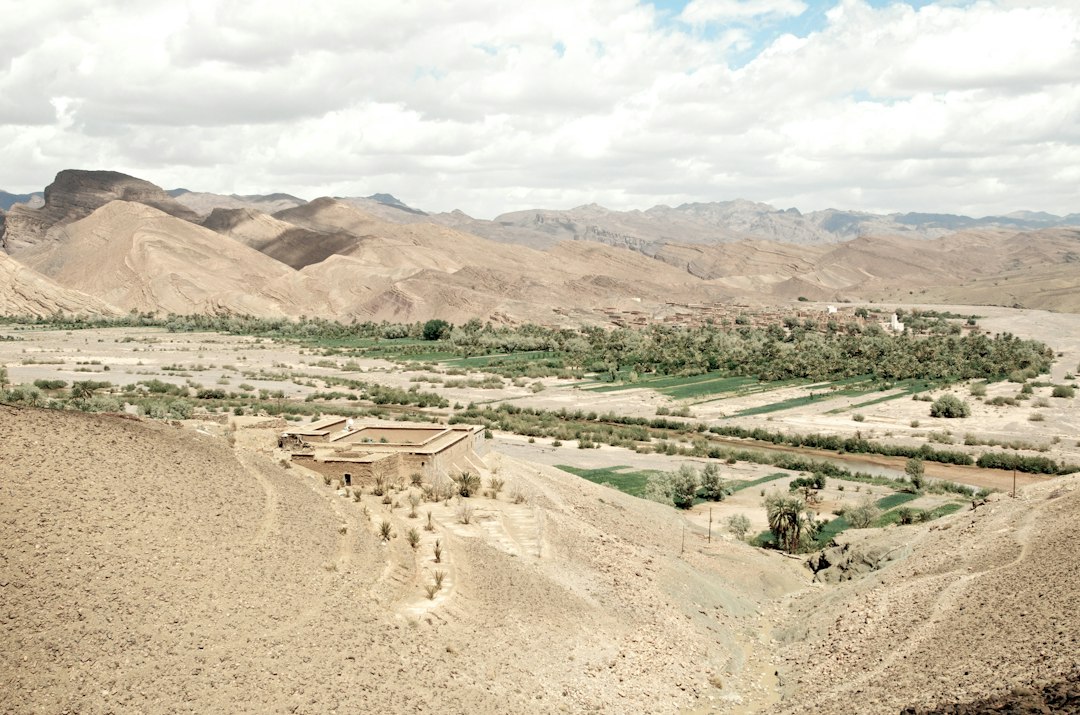
Deep within the arid embrace of Morocco, far from the bustling souks and the azure coastlines, lies a testament to humanity’s enduring ingenuity and a whisper from a forgotten epoch. This is not a grand edifice of stone or a sprawling city of legend, but something far more subtle, yet profoundly significant: a prehistoric embankment, a monumental earthwork that has patiently awaited rediscovery. For millennia, it lay buried, its existence hinted at only by the persistent undulations of the landscape and the faint murmurs of local folklore. Now, through the painstaking efforts of archaeologists and the keen eyes of researchers, this ancient marvel is beginning to yield its secrets, offering a tantalizing glimpse into the lives and capabilities of our distant ancestors.
The sheer scale of the embankment, even in its weathered state, is breathtaking. It speaks of a coordinated effort, a collective will that transcended the immediate needs of survival, suggesting a society with a complex social structure and a remarkable understanding of engineering principles. As archaeologists meticulously excavate, brush away centuries of accumulated sediment, and analyze the very composition of the earth, the story of this prehistoric undertaking begins to unfurl, challenging preconceived notions about the Neolithic and Bronze Age inhabitants of North Africa. This is not merely an archaeological find; it is a profound connection to our shared past, a tangible link to a time when humanity was first beginning to shape its environment on a grand scale.
Recent discoveries in Morocco have shed light on the fascinating prehistoric embankments that date back thousands of years, revealing the ingenuity of early human societies in the region. These ancient structures not only serve as a testament to the architectural skills of our ancestors but also provide valuable insights into their social and environmental interactions. For a deeper exploration of similar archaeological findings and the mysteries surrounding ancient artifacts, you can read more in this related article: Unearthed: Impossible Artifacts Found.
Tracing the Footprints of the Builders: The Embankment’s Origins
The question of who constructed this colossal earthwork, and when, lies at the heart of its profound mystery. While precise dating remains an ongoing process, initial findings point towards a period spanning the late Neolithic and early Bronze Age, a span of time often characterized by the rise of settled agricultural communities and the development of more sophisticated societal organization. This was an era when human populations were growing, necessitating more organized approaches to resource management, defense, and perhaps even symbolic expression. The embankment, therefore, could have served multiple purposes, each reflecting the evolving needs and ambitions of these ancient peoples.
The Shifting Sands of Time: Dating the Structure
Pinpointing the exact age of the Morocan embankment has been a cornerstone of ongoing research. Radiocarbon dating of organic materials found within and around the structure has been instrumental. Charcoal fragments, bone remnants, and even preserved seeds, when subjected to this scientific analysis, provide a chronological framework. Early results suggest a protracted period of construction and use, rather than a singular event. This implies that the embankment may have been built in stages, perhaps over several generations, or that its purpose evolved over time, necessitating additions or modifications. The complexity of the dating process is further amplified by the geological history of the region, where natural erosion and deposition can obscure the stratigraphic layers that are crucial for precise dating. Researchers are employing advanced techniques, including Optometric Luminescence (OSL) dating on sediments, which can provide dates for when sediments were last exposed to sunlight, offering an independent verification of radiocarbon dates.
Theories of Construction: Labor and Ingenuity
The sheer volume of earth moved to create this embankment is staggering. Without the benefit of advanced tools or machinery, the construction would have required immense human labor and a sophisticated understanding of how to mobilize and direct a large workforce. Theories abound regarding the methods employed. It is plausible that digging was done with simple tools fashioned from stone, bone, and wood. The earth itself may have been transported using baskets, skins, or rudimentary sledges. The sheer scale suggests a well-organized society capable of sustained communal effort. Consider the logistics: gathering the materials, excavating the ditches or borrow pits from which the earth was sourced, and then systematically piling it to form the embankment. This speaks to a level of planning and coordination that was far from rudimentary. The precise shape and construction techniques—whether it was a single, continuous wall or a series of interconnected features—provide clues about its intended function. The gradient of the slopes, the width of the crest, and the depth of any accompanying ditches all offer valuable data points for understanding the engineering prowess of these ancient builders.
Deciphering the Purpose: Why Build Such a Monument?
The monumental nature of the prehistoric embankment begs the question: what was its ultimate purpose? While definitive answers remain elusive, archaeological evidence and comparative studies of similar ancient structures offer compelling hypotheses. The embankment was not a mere accidental accumulation of earth; its deliberate construction points towards specific intentions, rooted in the socio-economic and environmental realities of its time.
A Fortress Against the Unknown: Defensive Considerations
One of the most compelling theories is that the embankment served a defensive function. In prehistoric times, settled communities were often vulnerable to raids from neighboring groups or nomadic populations. The sheer size and raised profile of the embankment would have provided a significant physical barrier, offering protection to settlements located within or behind it. The strategic placement of the embankment, often on elevated ground or overlooking natural choke points, further supports this hypothesis. The presence of any associated fortifications, such as ditches, palisades, or watchtowers (which may have been constructed from perishable materials and have since disappeared), would bolster this interpretation. Imagine a community huddled behind this formidable earthen wall, looking out at the surrounding landscape, a sense of security derived from the sheer physical barrier it represented. The embankment would have made direct assault difficult, forcing potential attackers to breach a substantial obstacle, thus giving defenders valuable time to prepare and react.
Managing the Precious Water: Hydrological Engineering
Another significant possibility is that the embankment played a crucial role in water management. In an arid or semi-arid environment like much of Morocco, water is a precious resource. The embankment could have been strategically positioned to channel rainwater, create reservoirs, or protect fertile agricultural land from flooding. The careful sculpting of the earth suggests an awareness of natural water flow patterns. It is conceivable that the embankment acted as a dam, impounding water for irrigation or for domestic use during dry spells. The subtle changes in soil composition and the presence of ancient water channels in the vicinity further lend credence to this theory. The creation of terraced fields behind or adjacent to the embankment could have been facilitated by its presence, allowing for more efficient cultivation of land that would otherwise be subject to unpredictable rainfall. This would have been particularly important for communities reliant on agriculture for their sustenance, transforming otherwise challenging landscapes into productive farmland.
A Symbol of Power and Identity: Social and Symbolic Meanings
Beyond practical considerations, the construction of such a massive undertaking would undoubtedly have carried significant social and symbolic weight. It could have served as a powerful statement of a community’s collective identity, its territorial boundaries, and its ability to mobilize resources. The sheer effort involved would have fostered a sense of unity and shared purpose among the builders. The embankment might have been a focal point for social gatherings, ceremonies, or ritualistic activities, solidifying social bonds and reinforcing cultural norms. In a landscape where resources might have been contested, the embankment could have demarcated a distinct territory, signaling to outsiders the presence of an established and organized society. The investment in such a structure suggests a level of social stratification and leadership capable of envisioning and executing long-term projects that benefited the community as a whole, potentially reinforcing the authority of chiefs or ruling elites.
Unearthing the Evidence: Archaeological Discoveries and Interpretations
The ongoing excavation of the prehistoric embankment in Morocco is a meticulous and multi-faceted endeavor. Each artifact unearthed, each stratigraphic layer analyzed, contributes to a more nuanced understanding of this ancient structure and the people who created it. The discoveries made are not merely objects; they are fragments of a lost narrative, offering tangible evidence of daily life, technological capabilities, and cultural practices.
Artefacts of Daily Life: Tools, Pottery, and Adornments
Among the most significant finds are the remnants of everyday life. Fragments of pottery, often bearing intricate decorative patterns, speak to the aesthetic sensibilities and technological skills of the time. These ceramics would have been used for cooking, storage, and perhaps even ritual purposes. The discovery of stone tools—hand axes, scrapers, and arrowheads—provides insights into the hunting and crafting techniques employed by the inhabitants. Bone implements, such as awls and needles, suggest a knowledge of sewing and textile production. Furthermore, the presence of personal adornments, such as beads made from shell or bone, indicates a desire for self-expression and the development of a personal identity beyond mere survival. These seemingly small objects, when analyzed in context, paint a vivid picture of the daily routines, the challenges, and the joys of prehistoric life. The wear patterns on tools can indicate specific uses, and the composition of pottery can reveal the materials and firing techniques available.
Environmental Clues: Flora, Fauna, and Climate
The embankment is not only a testament to human activity but also a repository of environmental information. Pollen analysis of soil samples can reveal the types of plants that grew in the region during the embankment’s construction and use, offering clues about the ancient climate and landscape. The presence of animal bones, whether from domesticated animals or game, indicates dietary habits and hunting practices. Evidence of ancient soil erosion or deposition can help reconstruct the environmental conditions and the impact of human activities on the land. For example, finding evidence of deforestation might suggest the use of wood for construction or fuel, while the presence of specific types of sedges could indicate the proximity of wetlands. This paleoenvironmental data is crucial for understanding the context in which the embankment was built and how the environment may have influenced its purpose and its eventual abandonment. It allows researchers to move beyond simply studying the human-made structure to understanding the broader ecosystem it was a part of.
Recent discoveries in Morocco have shed light on the significance of prehistoric embankments, revealing their role in ancient agricultural practices and settlement patterns. These findings are part of a broader exploration of how early civilizations interacted with their environment. For more insights into ancient knowledge and the guardians of such historical treasures, you can read this fascinating article on the subject here.
The Landscape of the Past: The Embankment in its Geographical Context
| Metric | Details |
|---|---|
| Location | Morocco, North Africa |
| Period | Prehistoric (Neolithic to Bronze Age) |
| Type of Structure | Embankment (earthwork) |
| Estimated Length | Several hundred meters (varies by site) |
| Height | Up to 2-3 meters |
| Primary Purpose | Defensive barrier, territorial demarcation, or flood control |
| Construction Materials | Locally sourced earth, stones, and clay |
| Archaeological Significance | Insight into prehistoric settlement patterns and social organization |
| Notable Sites | Embankments near the Middle Atlas and Rif Mountains |
The location of the prehistoric embankment is not arbitrary. Its placement within the Moroccan landscape is intrinsically linked to the environmental conditions, the availability of resources, and the strategic considerations of its builders. Understanding this geographical context is paramount to unlocking the full story of this ancient marvel.
Navigating the Terrain: Strategic Placement and Resource Access
The placement of the embankment often indicates a deliberate choice related to defensibility and access to vital resources. Many such structures are found on elevated terrain, offering natural vantage points and making them more difficult to assault. Proximity to reliable water sources, such as perennial springs or river valleys, would have been a crucial factor for any settled community. The embankment might have been positioned to control access to these resources, or to protect agricultural lands that depended on them. The surrounding topography—whether it is open plains, rolling hills, or mountainous terrain—would have influenced the defensive strategies and the practical considerations of construction. For instance, building in a narrow pass would offer more strategic advantage than constructing in an open, easily accessible area. The presence of nearby flint deposits or other stone quarries would also have been a significant factor in choosing a construction site, reducing the effort required to obtain building materials.
Echoes in the Present: Modern Discoveries and Future Research
The discovery and ongoing study of this prehistoric embankment are not merely about understanding the distant past; they also hold implications for our present and future. The scientific techniques employed in its excavation and analysis contribute to the advancement of archaeological methodologies. The understanding gained about prehistoric engineering and social organization can offer valuable insights into the capacity for human collaboration and innovation. Furthermore, the preservation of such ancient sites is crucial for safeguarding our collective heritage and for fostering a sense of connection to our ancestral roots. Future research will undoubtedly involve more extensive excavation, advanced dating techniques, and interdisciplinary collaborations to further illuminate the mysteries of this remarkable structure. The potential for discovering additional related sites, or for finding more detailed evidence of the inhabitants’ daily lives, remains vast.
Preserving a Legacy: The Importance of Conservation
As the significance of this prehistoric embankment becomes increasingly recognized, so too does the imperative for its conservation. Protecting this ancient site from the ravages of time, environmental degradation, and potential human interference is essential for future generations to be able to study and appreciate it. This involves not only physical protection of the site itself but also the careful management of surrounding landscapes and the promotion of responsible tourism, should it become accessible to the public. The ongoing dialogue between archaeologists, local communities, and heritage organizations is vital in ensuring the long-term preservation of this invaluable link to Morocco’s prehistoric past. The careful documentation of every aspect of the site, from its geological context to the smallest artifact, forms the foundation for future research and protection strategies.

They Found a 4,000-Year-Old Defense Line in Morocco
FAQs
What is a prehistoric embankment in Morocco?
A prehistoric embankment in Morocco is a man-made structure built by ancient civilizations for various purposes, such as defense, irrigation, or religious ceremonies.
Where are prehistoric embankments found in Morocco?
Prehistoric embankments can be found in various regions of Morocco, with some of the most well-known sites located in the Atlas Mountains and the surrounding areas.
What materials were used to construct prehistoric embankments in Morocco?
Prehistoric embankments in Morocco were typically constructed using locally available materials such as stone, earth, and sometimes wood or other organic materials.
What is the significance of prehistoric embankments in Morocco?
Prehistoric embankments in Morocco provide valuable insights into the ancient civilizations that inhabited the region, their technological capabilities, and their social organization.
How are prehistoric embankments in Morocco being preserved and studied today?
Prehistoric embankments in Morocco are being preserved through conservation efforts and studied by archaeologists using advanced techniques such as remote sensing, excavation, and analysis of artifacts found at the sites.