The Sands of Time Recede: Unearthing Oued Beht’s Secrets in 2023
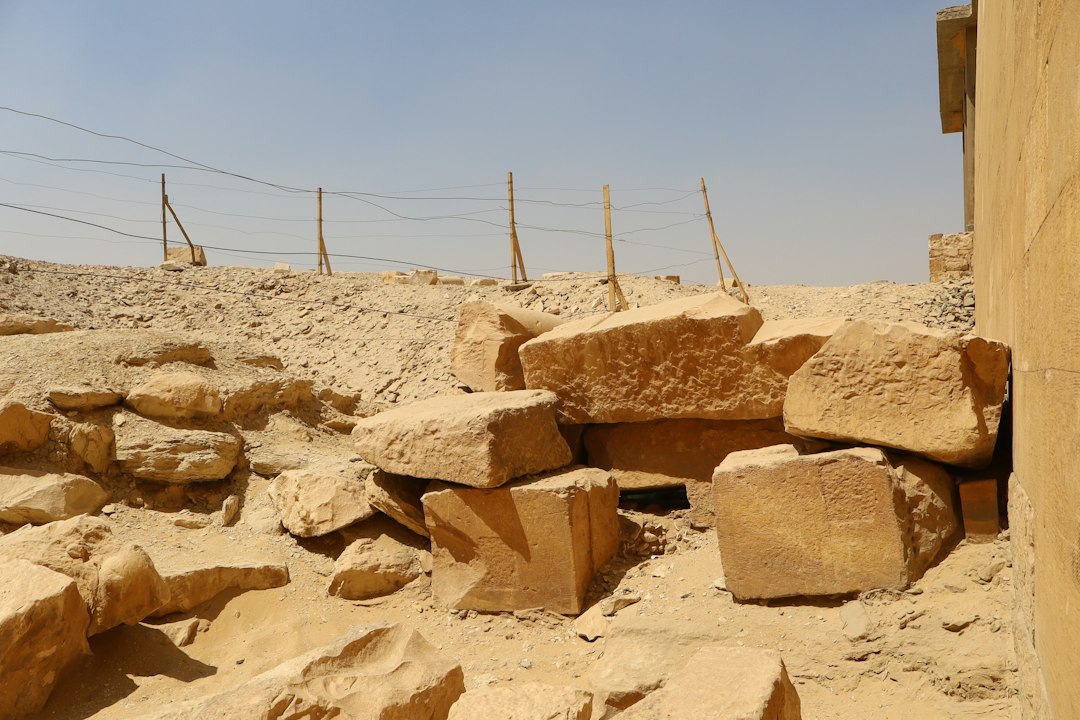
The arid plains surrounding Oued Beht, a seemingly unassuming wadi in Morocco, have long whispered tales of a forgotten past. For archaeologists and historians, these whispers grew louder with each passing year, hinting at a rich tapestry of human activity stretching back millennia. The 2023 excavation season at Oued Beht proved to be a watershed moment, not only confirming these ancient narratives but unearthing discoveries that promise to fundamentally reshape our understanding of prehistoric North Africa. This ambitious undertaking, a collaborative effort involving international experts and local institutions, focused on a series of promising sites identified in previous surveys. The meticulous work carried out over several months has yielded an extraordinary trove of artifacts, architectural remnants, and paleoenvironmental data, painting a vivid picture of a dynamic and complex society that once thrived in this now-parched landscape. The implications of these findings are far-reaching, offering new insights into trade networks, technological advancements, and the very evolution of human settlement in the region.
The 2023 campaign was characterized by a strategic approach, building upon the foundational knowledge established in earlier phases of research. The team employed a combination of traditional archaeological techniques and cutting-edge technology, ensuring a comprehensive and detailed investigation. Ground-penetrating radar and drone imagery were instrumental in identifying subsurface anomalies and mapping the extent of buried structures, guiding the excavation teams to the most promising areas. Once identified, meticulous stratigraphic excavation commenced, carefully documenting each layer of sediment and the artifacts contained within. This rigorous methodology allowed for the precise dating of discoveries and a nuanced reconstruction of the site’s occupation history. The sheer volume and diversity of the unearthed materials underscore the significance of Oued Beht as a pivotal locus of prehistoric human endeavor.
The recent excavation at Oued Beht in 2023 has unveiled significant insights into ancient agricultural practices and societal structures during periods of crisis. This discovery aligns with themes discussed in a related article that explores the dynamics of power and privilege during famines in ancient societies. For further reading on how elite control influenced survival strategies in times of scarcity, you can check out the article here: Elite Control During Ancient Famine: Power and Privilege in Crisis.
Echoes of Daily Life: Artifacts Revealing Ancient Practices
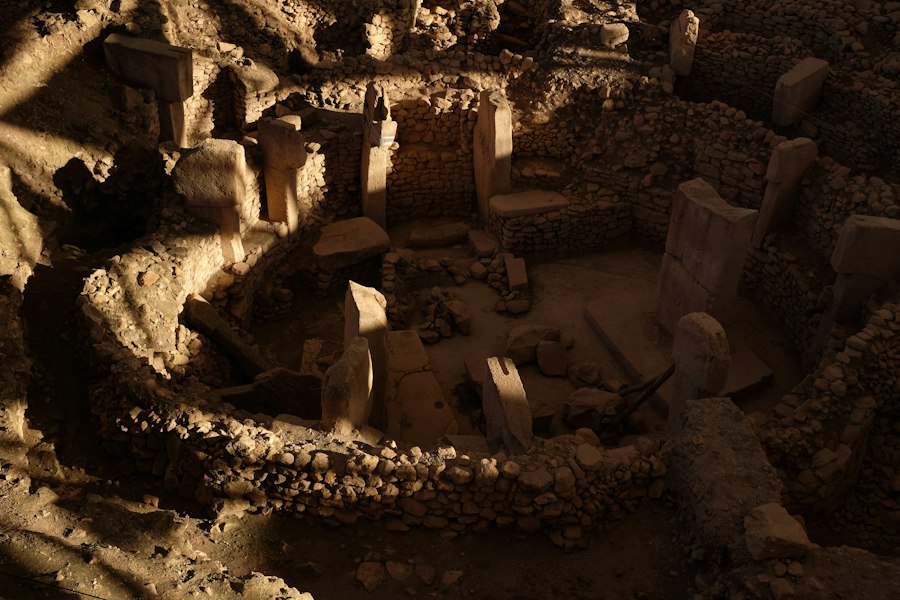
The most tangible evidence of Oued Beht’s past inhabitants comes in the form of a remarkable array of artifacts. The 2023 excavation season yielded an unprecedented quantity and quality of objects, offering a direct window into the daily lives, technological prowess, and cultural practices of the people who called this region home. From utilitarian tools to decorative items, each fragment tells a story, contributing to a richer understanding of their world. The careful cataloging and analysis of these finds are ongoing, but initial assessments are already revolutionizing existing hypotheses.
Tools of Survival and Innovation
The lithic assemblage recovered from Oued Beht in 2023 is particularly noteworthy. The sheer diversity of stone tools speaks to a sophisticated understanding of material properties and a mastery of knapping techniques. Obsidian blades, finely crafted projectile points, and robust scrapers were found in significant numbers, indicating specialized tasks related to hunting, butchery, and resource processing. The presence of materials not locally sourced suggests the existence of established trade routes, a finding that has profound implications for understanding prehistoric economies. The careful selection of specific stone types, often transported over considerable distances, points to a level of planning and social organization that would have been necessary to facilitate such exchanges. Furthermore, the identification of distinct tool typologies at different stratigraphic levels allows for the tracing of technological evolution over time, showcasing incremental improvements and adaptations in their toolkits. The presence of polished axes, for instance, suggests a later stage of development where more advanced woodworking capabilities were likely employed.
Glimmers of Adornment and Symbolism
Beyond the purely functional, the Oued Beht excavations also unearthed a surprising number of personal adornments and objects that hint at symbolic or aesthetic sensibilities. Beads crafted from shell, bone, and semi-precious stones were discovered, indicating a desire for ornamentation and personal expression. The intricate designs and meticulous craftsmanship of some of these items suggest a developed artistic tradition. The analysis of these beads is revealing insights into social stratification and the significance of personal adornment in defining status or group identity. The discovery of carved bone fragments, some bearing abstract geometric patterns, further supports the notion of symbolic representation. While the exact meaning of these carvings remains elusive, their presence at Oued Beht suggests a capacity for abstract thought and potentially early forms of artistic communication. The distribution of these ornamental items within the excavated areas is also being studied to understand if they are concentrated in specific dwellings or communal spaces, which could shed light on social hierarchies or ritualistic practices.
Vessels of Sustenance and Storage
The ceramic assemblage, though fragmentary in many instances, has provided crucial information about Oued Beht’s inhabitants. The discovery of pottery shards, some bearing incised decorations and distinct firing signatures, indicates the development and use of ceramic technology. These vessels would have been essential for cooking, storing food and water, and potentially for ceremonial purposes. The variations in pottery styles across different excavation layers offer a chronological marker and help to map the cultural influences and exchanges that Oued Beht experienced. The analysis of residue found within some of the pots is also underway, which may reveal the types of food and beverages that were processed and consumed, offering a direct glimpse into their diet and agricultural practices. The discovery of large storage jars, for example, implies the ability to preserve surplus food, suggesting a degree of settled life and agricultural development.
Architectural Footprints: Tracing the Structures of a Lost Civilization
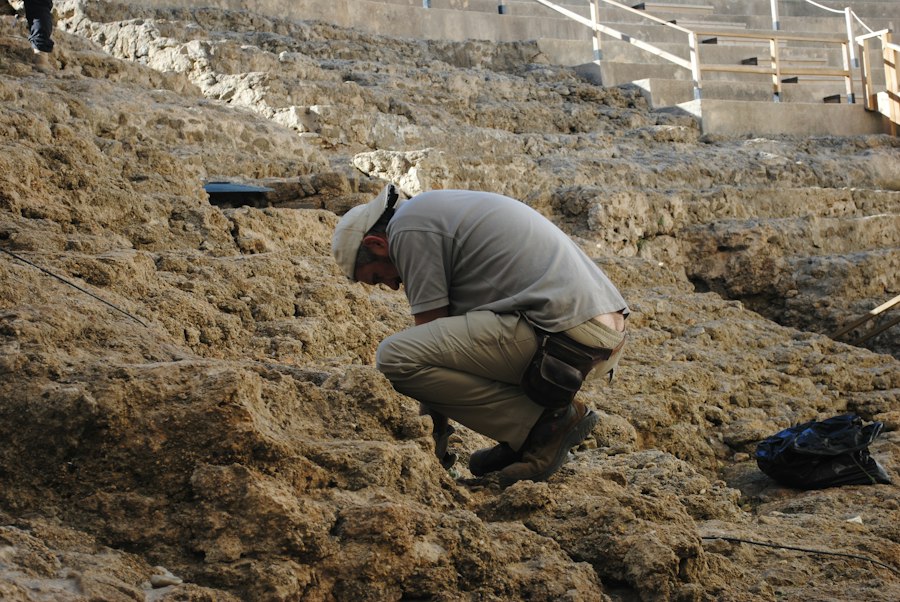
The 2023 excavation season at Oued Beht has yielded significant architectural discoveries that illuminate the settlement patterns and organizational capabilities of its ancient inhabitants. The unveiling of structural remains, ranging from rudimentary foundations to more complex constructions, provides tangible evidence of their ingenuity in shaping their environment and establishing enduring communities. The meticulous mapping and excavation of these structures are crucial for understanding the scale and complexity of their settlements.
Foundations of Dwelling and Community
At several key locations within the Oued Beht excavation site, the team uncovered the well-preserved foundations of ancient dwellings. These structures, often built from readily available local materials such as mudbrick and stone, demonstrate a consistent approach to domestic architecture. The layout of these dwellings, with distinct living spaces and potential hearth areas, speaks to the organization of family units and daily routines. The size and complexity of these structures appear to vary, hinting at possible differences in social standing or household size. The careful excavation of these foundation layers has also revealed evidence of post-holes, suggesting the presence of superstructures that have long since eroded. Understanding the relationship between these foundational elements and the artifacts found within them allows for a more complete picture of domestic life and the arrangement of their living spaces.
Evidence of Collective Endeavor and Infrastructure
Beyond individual dwellings, the Oued Beht excavations have also brought to light evidence of larger, more communal constructions. These include the remains of what appear to be defensive walls, storage facilities, and perhaps even communal gathering spaces. The scale and sophisticated construction of these larger structures suggest a level of social organization and collective labor that would have been necessary for their completion. The discovery of large, carefully constructed pits, for instance, could indicate communal grain storage, a crucial element for supporting a settled population and ensuring resilience against periods of scarcity. The presence of well-defined pathways or roads connecting different parts of the settlement further underscores the organized nature of these ancient communities. The strategic placement of defensive elements, if confirmed, would speak to the importance of security and perhaps inter-group dynamics in their society.
Preservation Challenges and Ongoing Reconstruction
The arid climate of Oued Beht, while contributing to the preservation of some artifacts, also presents significant challenges for architectural remains. Exposure to the elements over millennia has led to the erosion and degradation of many structures. The archaeological team has employed advanced conservation techniques to stabilize and preserve the fragile architectural remnants uncovered. This includes the meticulous documentation of each structural element through 3D scanning and detailed architectural drawings. The ongoing process of reconstructing the appearance and function of these ancient buildings relies heavily on comparative analysis with other known prehistoric sites in the region and the interpretation of the associated artifactual evidence. The ongoing work of architectural reconstruction is a testament to the dedication of the excavation team in bringing these lost structures back to life, even if only in digital or conceptual form.
Voices from the Earth: Paleoenvironmental Insights and Climate Change
The Oued Beht excavation in 2023 has not only illuminated human history but also provided a crucial glimpse into the ancient environment that shaped these early societies. The careful collection and analysis of paleoenvironmental data are revealing significant shifts in climate and landscape over time, offering invaluable context for understanding human adaptation and resilience. This interdisciplinary approach is vital for a holistic understanding of the past.
Sedimentary Clues and Past Watercourses
The geological strata exposed during the excavations have yielded a wealth of information about past hydrological conditions. Analysis of sediment cores, for example, has revealed evidence of ancient riverbeds and ephemeral lakes, suggesting a far wetter environment in the distant past. The composition of these sediments, including the types of pollen and plant remains they contain, allows researchers to reconstruct the vegetation that once thrived in the Oued Beht region. This information is critical for understanding the available resources for prehistoric populations, including the types of flora and fauna that would have supported them. The presence of specific minerals within the soil can also indicate past soil moisture levels and erosion patterns, providing further clues about the prevailing climatic conditions.
Reconstructing Ancient Ecosystems and Biodiversity
The paleoenvironmental team has been meticulously analyzing botanical and faunal remains recovered from the Oued Beht sites. The identification of seeds, charcoal, and animal bones provides direct evidence of the types of plants consumed and the animals hunted or domesticated. This data allows for the reconstruction of ancient ecosystems, revealing the biodiversity that once existed in the region. Understanding the range of available food sources is fundamental to understanding the subsistence strategies employed by Oued Beht’s inhabitants. Furthermore, shifts in the relative abundance of certain species over time can indicate changes in the environment, such as the onset of aridification, which would have directly impacted human settlement and resource availability. The presence of species that require more water, for example, suggests a significantly different climate than the present day.
Understanding Long-Term Climate Variability
The paleoenvironmental data collected at Oued Beht is proving invaluable for understanding long-term climate variability in North Africa. By examining proxy indicators such as stable isotopes in soil carbonates and organic matter, researchers can reconstruct past temperature and precipitation patterns with a high degree of accuracy. This long-term perspective is crucial for placing current climate change trends within a broader historical context. The findings from Oued Beht suggest that the region has experienced significant climatic shifts throughout prehistory, with periods of increased aridity and periods of relative moisture. Understanding how past human populations adapted to these dramatic environmental changes offers valuable lessons for contemporary societies facing similar challenges. The resilience and adaptive strategies of these ancient peoples, as revealed through the archaeological and paleoenvironmental record, can provide insights and inspiration for future planning.
The recent excavation at Oued Beht in 2023 has unveiled significant archaeological findings that shed light on ancient civilizations in the region. This discovery is particularly timely, as it coincides with growing discussions about environmental challenges faced by island communities, which are highlighted in a related article. For those interested in understanding the broader implications of such archaeological work, the article on island vulnerability provides valuable insights into how historical contexts can inform current issues. You can read more about this topic in the article island vulnerability.
Connections Across Continents: Trade, Migration, and Cultural Exchange
| Metric | Value | Unit | Notes |
|---|---|---|---|
| Excavation Start Date | March 15, 2023 | Date | Project commencement |
| Excavation End Date | June 30, 2023 | Date | Project completion |
| Total Area Excavated | 2,500 | Square meters | Measured surface area |
| Artifacts Discovered | 120 | Count | Includes pottery, tools, and bones |
| Human Remains Found | 5 | Individuals | Partial skeletons |
| Average Depth of Excavation | 3.2 | Meters | Depth below surface |
| Number of Researchers | 15 | People | Including archaeologists and assistants |
| Soil Samples Collected | 30 | Samples | For environmental analysis |
| Radiocarbon Dates Obtained | 8 | Samples | Dating artifacts and remains |
The 2023 excavations at Oued Beht have unearthed compelling evidence that challenges previously held notions about the isolation of prehistoric North African societies. The discovery of exotic materials and distinct artifact typologies points towards a vibrant network of trade, migration, and cultural exchange that extended far beyond the immediate region, and perhaps even across continents. This expanding understanding of connectivity is a hallmark of the Oued Beht discoveries.
Exotic Materials as Markers of Trade Networks
The presence of materials at Oued Beht that are not indigenous to the immediate Moroccan landscape is a significant indicator of ancient trade. The identification of obsidian sourced from distant volcanic regions, for instance, suggests that established trade routes were in place to transport this valuable material. Similarly, the discovery of certain types of shell, likely originating from coastal areas hundreds of kilometers away, reinforces the idea of extensive networks of exchange. The analysis of the provenance of these exotic materials is an ongoing and complex process, employing techniques such as X-ray fluorescence spectrometry. This work is crucial for mapping the extent and nature of these ancient trade routes, revealing the interconnectedness of prehistoric communities across vast geographical distances. The meticulous charting of these routes is revealing a level of sophistication in logistics and resource management that was previously underestimated.
Tracing Migratory Pathways and Population Movements
The distinct artifactual styles and technological traditions observed in different stratigraphic layers at Oued Beht can also serve as indicators of migration and population movement. If distinct cultural assemblages are found to be temporally or spatially segregated, it could suggest the arrival of new groups of people who brought their own practices and technologies with them. The meticulous comparative analysis of pottery designs, lithic reduction techniques, and settlement patterns with those found at other prehistoric sites in North Africa, the Mediterranean, and even Sub-Saharan Africa, is crucial for identifying potential links and influences. These comparisons help to piece together the complex puzzle of human dispersal and interaction throughout prehistory. The identification of shared cultural traits, even if subtle, can point to significant demographic shifts and the assimilation of different groups over time.
Echoes of Shared Beliefs and Practices
Beyond material goods, the Oued Beht excavations may also be revealing echoes of shared beliefs and cultural practices that transcend geographical boundaries. While interpreting abstract symbolism is inherently challenging, the recurrence of certain motifs in artwork or decorative elements on artifacts, when compared with similar findings at other sites, could indicate the diffusion of religious ideas, mythological narratives, or social customs. The discovery of burial practices that share similarities with those found in distant regions would be particularly compelling evidence of cultural exchange. The ongoing analysis of iconographic elements, coupled with the careful consideration of ethnographic parallels, allows researchers to explore the possibility of shared worldviews and cosmological understandings among prehistoric peoples. This deeper cultural connection underscores the shared humanity that binds us across time and space.
The Road Ahead: Future Research and the Enduring Legacy of Oued Beht
The 2023 excavation season at Oued Beht has undeniably been a resounding success, but it represents not an endpoint, but a significant milestone in a long and exciting journey of discovery. The sheer volume of new data generated necessitates years of meticulous analysis, interpretation, and further investigation. The findings from this year’s campaign have opened up new avenues of research and have firmly established Oued Beht as a site of paramount importance for understanding prehistoric North Africa and its place within broader global human history.
Expanding the Excavation Footprint and Targeted Investigations
Building upon the successes of 2023, future excavation seasons at Oued Beht will likely involve expanding the explored areas to encompass newly identified promising locations. Targeted investigations will be crucial, focusing on specific research questions that have emerged from the current findings. This might include more in-depth exploration of specific dwelling structures to understand family organization in greater detail, or the careful excavation of areas that show potential for rich artifactual deposits. The application of advanced remote sensing technologies will continue to play a vital role in identifying and prioritizing future excavation targets, ensuring that resources are deployed efficiently and effectively. The ongoing quest for understanding will be guided by the evolving questions that arise from the data itself.
Interdisciplinary Collaboration and Technological Advancement
The future of Oued Beht research is intrinsically linked to continued interdisciplinary collaboration. The insights gained from combining archaeological, paleoenvironmental, anthropological, and geological perspectives are invaluable. Encouraging further partnerships between Moroccan institutions and international research centers will be essential for fostering a comprehensive and robust research program. Furthermore, the integration of emerging technologies, such as artificial intelligence for artifact analysis and advanced geophysical surveying techniques, will undoubtedly accelerate the pace of discovery and deepen our understanding of this ancient landscape. The continuous evolution of scientific tools offers unprecedented opportunities for archaeological inquiry.
Unveiling the Wider Narrative and Enduring Significance
The ultimate goal of the Oued Beht excavations is to weave together the individual discoveries into a coherent and compelling narrative of human history. The findings from 2023 have already begun to reshape our understanding of prehistoric North Africa, highlighting its dynamism, its connectivity, and the remarkable adaptability of its ancient inhabitants. The enduring legacy of Oued Beht will be its contribution to a more nuanced and comprehensive picture of human development, demonstrating that even in seemingly harsh environments, human ingenuity and cultural richness have long flourished. The lessons learned from Oued Beht are not just about the past; they offer profound insights into the resilience of human societies and their capacity to thrive in the face of environmental change, a legacy that resonates powerfully in our contemporary world.

They Found a 4,000-Year-Old Defense Line in Morocco
FAQs
What is the significance of the Oued Beht excavation in 2023?
The Oued Beht excavation in 2023 is significant because it aims to uncover new archaeological findings that could provide insights into the history and culture of the region.
Who is leading the Oued Beht excavation in 2023?
The Oued Beht excavation in 2023 is being led by a team of experienced archaeologists and researchers from renowned institutions in collaboration with local experts.
What time period does the Oued Beht excavation in 2023 focus on?
The Oued Beht excavation in 2023 focuses on a specific time period in history, such as the prehistoric era, ancient civilizations, or a particular dynasty, depending on the research objectives.
How can the public get involved or stay updated on the Oued Beht excavation in 2023?
The public can stay updated on the Oued Beht excavation in 2023 by following the official social media accounts of the excavation team, attending public lectures or events, or volunteering as a participant or supporter.
What are some of the previous discoveries made during excavations at Oued Beht?
Previous excavations at Oued Beht have uncovered artifacts, structures, and remains that have provided valuable information about the ancient inhabitants, their daily lives, customs, and interactions with other cultures in the region.