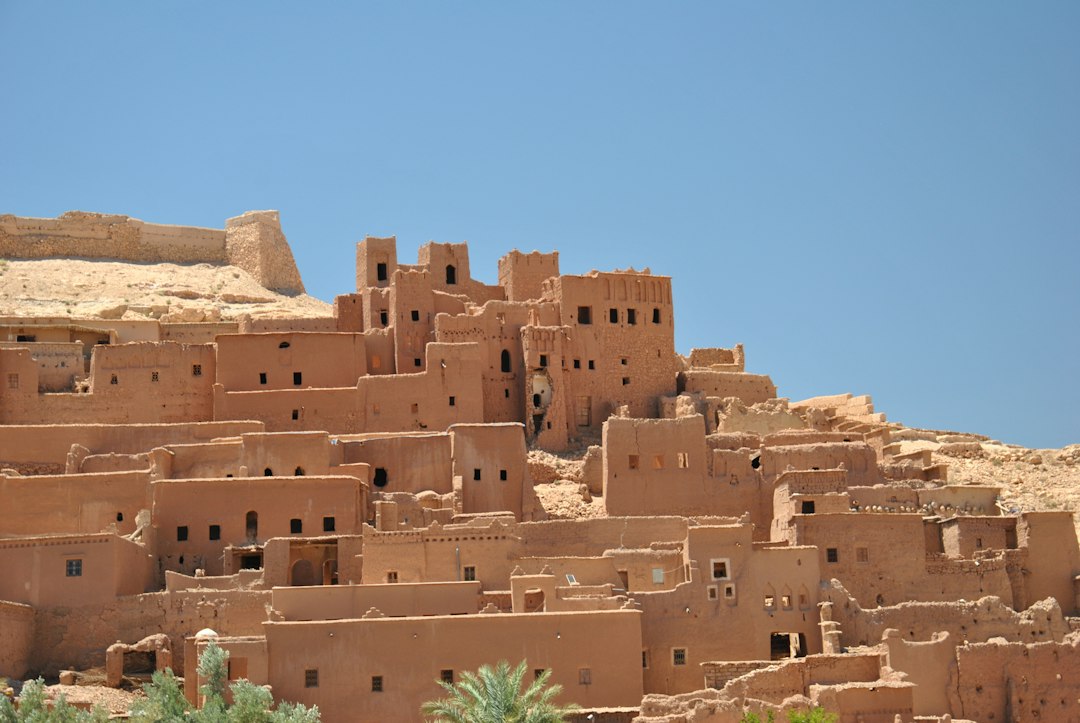
The vast, ochre expanse of the Sahara Desert, stretching across much of Morocco, has long been perceived as a barren and immutable landscape. Yet, beneath its seemingly endless dunes and rocky plateaus lies a history far richer and more complex than commonly imagined. For millennia, this arid region has been a crucible of civilizations, a crossroads of trade routes, and a silent witness to the ebb and flow of empires. The secrets buried beneath the Sahara sands are slowly being unveiled, revealing a tapestry of human endeavor, ingenuity, and cultural exchange that continues to reshape our understanding of North African and indeed, global history.
Whispers of Ancient Nomads and Early Civilizations
The story of Morocco’s Sahara is not one of emptiness, but of sustained human presence, albeit shaped by the desert’s unforgiving nature. Long before the grand dynasties and imposing kasbahs that dot the Moroccan landscape, indigenous Berber tribes, the Amazigh, navigated these harsh territories. Their lives were intimately tied to the rhythms of the desert, their knowledge of water sources, oases, and seasonal grazing grounds passed down through generations. Archaeological evidence suggests human habitation in the Sahara stretching back to the Paleolithic era, with stone tools and rock art providing glimpses into the lives of these early inhabitants. These nomadic peoples, masters of survival, developed sophisticated techniques for water management and resource utilization, demonstrating a remarkable adaptability to an environment that would seem insurmountable to many.
The Dawn of Rock Art: Messages Etched in Stone
One of the most profound revelations from Morocco’s Sahara comes in the form of its prehistoric rock art. Scattered across vast swathes of the region, particularly in areas like the Anti-Atlas Mountains and the Draa Valley, these petroglyphs and paintings offer a direct window into the minds and lives of our ancestors. These ancient images, some dating back over 10,000 years, depict not just animals – giraffes, elephants, lions, and cattle, suggesting a once wetter and more verdant Sahara – but also human figures engaged in hunting, dancing, and ritualistic activities. The sheer quantity and diversity of these artworks speak to a rich spiritual and social life. Some scholars interpret certain motifs as astronomical observations, reflecting an early understanding of celestial patterns. Others see them as expressions of power, fertility rituals, or simply a means of communicating stories and knowledge across time. The act of carving and painting these images was itself a significant undertaking, requiring time, skill, and a deep connection to the landscape. The preservation of these delicate artworks, often hidden in remote canyons and sheltered rock faces, is a testament to their enduring power and the respect they garnered from subsequent generations.
Oasis Civilizations: Seeds of Settlement in the Arid Expanse
While nomadic life was prevalent, the Sahara also fostered the development of early sedentary communities centered around precious oases. These fertile pockets, nourished by underground springs and seasonal rivers, became vital hubs of agriculture and early settlements. Evidence of these oasis civilizations, though less visually striking than rock art, points to a complex social organization and established trade networks. Archaeological digs have uncovered remnants of ancient villages, irrigation systems, and burial sites, revealing a people who had mastered the art of cultivating crops like barley and dates in an otherwise barren environment. These oasis communities were not isolated; they were crucial nodes in the vast trans-Saharan trade routes, exchanging goods and ideas with peoples from both the North African coast and the sub-Saharan regions. The resilience and ingenuity of these early desert dwellers laid the foundation for the sophisticated societies that would later emerge in the region.
Exploring the hidden history of Morocco reveals fascinating connections to ancient civilizations and their technologies. For those interested in uncovering more about lost ancient technologies that may have influenced cultures like those in Morocco, an insightful article can be found at The Mystery of Lost Ancient Technology. This piece delves into the intriguing possibilities of advanced knowledge and practices that have been obscured by time, shedding light on how such innovations could have shaped societies across the globe, including in North Africa.
The Grandeur of Ancient Empires and the Trans-Saharan Silk Road
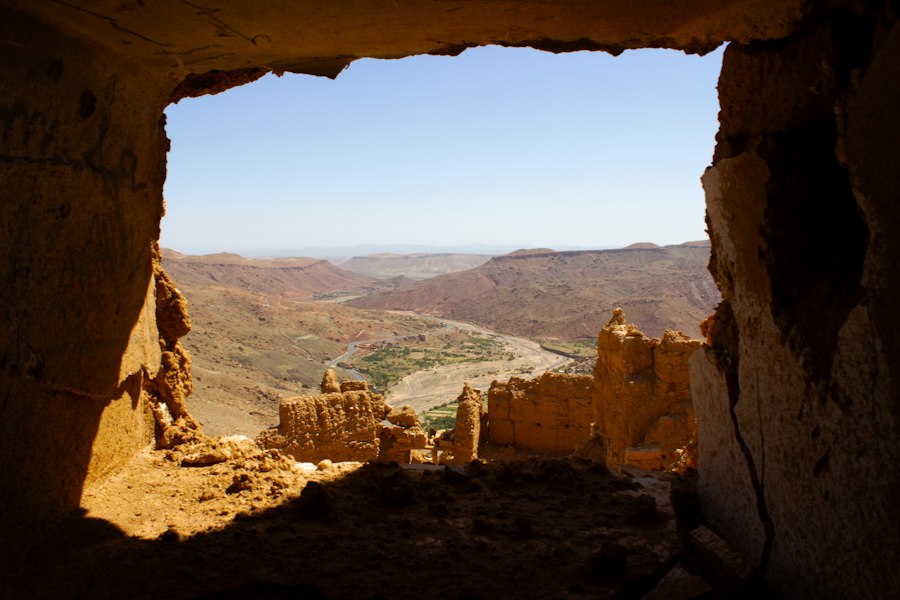
As history progressed, Morocco’s Saharan territories became inextricably linked to the rise and fall of powerful empires and the flourishing of long-distance trade. The desert, once a barrier, transformed into a highway, facilitating the movement of goods, people, and ideas across continents. The trans-Saharan trade routes, often referred to as the “Silk Road of the Sands,” were instrumental in shaping the economic and cultural landscape of Morocco and beyond.
The Camel Caravans: Arteries of Trade and Influence
The domestication and widespread use of the camel were revolutionary, enabling sustained travel and commerce across the Sahara. From the 8th century onwards, these resilient animals formed the backbone of vast caravans that traversed the desert, carrying coveted commodities such as gold, salt, ivory, slaves, textiles, and dates. Cities like Sijilmasa, a once-thriving entrepôt situated on the northern edge of the Sahara, became immensely wealthy and influential due to their strategic position on these trade routes. Sijilmasa was a melting pot of cultures, where Berber, Arab, and sub-Saharan African merchants converged, their interactions shaping the region’s linguistic, religious, and artistic traditions. The gold that flowed north from West Africa fueled economies, funded empires, and was a major driver of European exploration in later centuries. The salt, mined in the Sahara itself, was a precious commodity in the south, essential for food preservation and considered as valuable as gold. These caravans were more than just economic conduits; they were also vehicles for the spread of Islam, which gradually became the dominant faith across the Sahara.
Echoes of Roman and Islamic Dynasties
While the Romans’ direct dominion did not extend deep into the heart of the Sahara, their influence reached its fringes. Roman trade networks certainly connected with Saharan routes, and their presence in northern Morocco indirectly impacted the flow of goods and peoples. However, it was the Islamic caliphates and subsequent Moroccan dynasties that truly cemented the region’s importance within larger political structures. The Almoravid and Almohad dynasties, for instance, exerted significant control over vast swathes of North Africa, including the Saharan territories. Their control of key trade routes allowed them to amass wealth and project power, influencing the political landscape from Andalusia to West Africa. The architecture of this period, with its imposing mosques and fortifications, often reflects the strategic importance of these desert outposts. Excavations in former imperial cities within or bordering the Sahara continue to unearth artifacts that speak to the administrative sophistication and economic power wielded by these dynasties.
Lost Cities and Hidden Fortifications: Architectural Marvels in the Sand
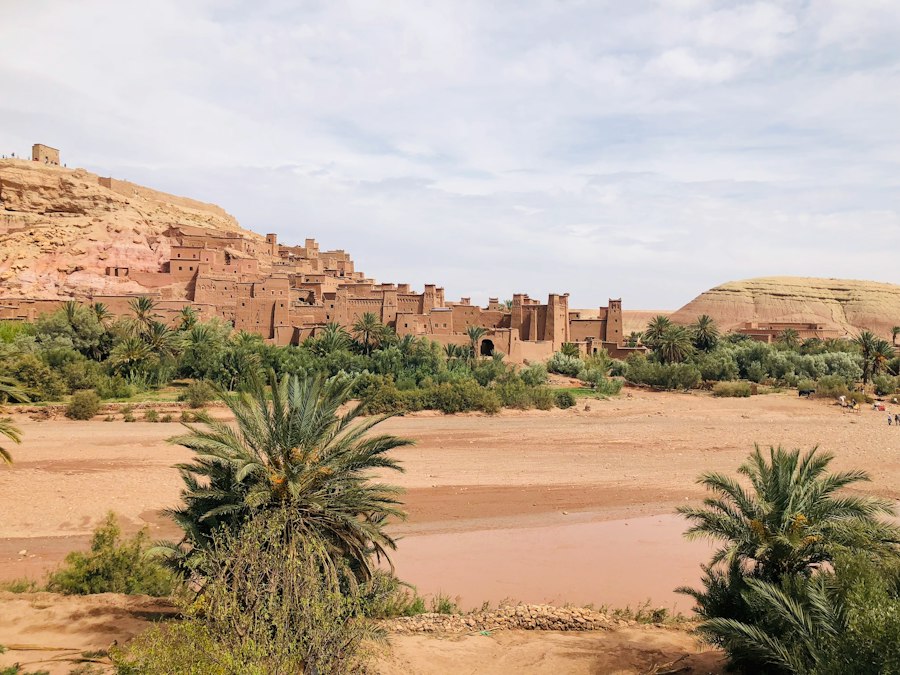
The shifting sands of the Sahara have a tendency to swallow and conceal, but they also act as remarkable preservers. Beneath their embrace lie the remnants of once-thriving settlements, forgotten fortresses, and unique architectural expressions that speak of a rich and often overlooked urban past within the desert. These discoveries challenge the notion of the Sahara as a purely nomadic landscape.
The Kasbahs of the Draa and Ziz Valleys: Fortified Bastions of Life
The kasbahs, traditional fortified villages built from adobe, are perhaps the most visible and enduring architectural legacies of Morocco’s desert history. Particularly concentrated in the Draa and Ziz valleys, these impressive structures were designed to protect communities from raids and the harsh desert elements. The kasbahs, often featuring towering walls, multiple levels, and intricate decorative elements, were not merely defensive structures but also served as administrative centers, granaries, and residential complexes for entire clans. Their construction, using local earth and rudimentary tools, represents a remarkable feat of engineering and communal effort. Exploring these ancient kasbahs, some of which are still inhabited, offers a palpable connection to the past, allowing visitors to walk through narrow alleyways, climb to watchtowers, and imagine the daily lives of the people who built and defended them. The intricate geometric patterns adorning their facades and the clever ventilation systems demonstrate an understanding of desert architecture that remains relevant even today.
Subterranean Secrets: Underground Cities and Water Systems
Beyond the impressive above-ground structures, the Sahara hides even more fascinating subterranean secrets. In certain arid regions, evidence of ancient underground cities and sophisticated water management systems has emerged. These ingenious solutions were developed to cope with extreme heat and water scarcity. Underground dwellings provided natural insulation, keeping interiors cool during scorching days and warm during cold desert nights. Elaborate networks of qanats, underground aqueducts that channeled water from distant sources to settlements, have been discovered in various parts of the Sahara, some dating back centuries. These hidden systems were crucial for the survival of desert communities, enabling agriculture and supporting larger populations than would otherwise be possible. The discovery and study of these subterranean marvels offer invaluable insights into the ingenuity and adaptability of ancient Saharan peoples.
The Sahara’s Role in Cultural Exchange and Religious Diffusion
The Sahara was never a cultural or religious vacuum. Its position as a crossroads meant it was a fertile ground for the exchange of ideas, traditions, and beliefs, playing a pivotal role in the diffusion of Islam and the shaping of distinct cultural identities.
Islam’s Journey Across the Sands: A Spiritual Highway
The Sahara served as a crucial conduit for the spread of Islam from the Arabian Peninsula northward into North Africa and then southward into sub-Saharan Africa. Muslim scholars, traders, and Sufi mystics traversed the desert, establishing mosques, madrasas, and religious communities in oasis towns and caravan stops. The adoption of Islam was not a monolithic process; it often involved syncretism, with local Berber traditions and beliefs blending with Islamic practices. This resulted in unique forms of Islamic expression, evident in the architecture, music, and spiritual practices found in Saharan communities today. The Tijaniyya and Qadiriyya Sufi orders, for example, have a strong presence in the region, their teachings and practices having deeply influenced the spiritual landscape. The desert itself became imbued with spiritual significance, with many Sufi saints and hermits finding solace and spiritual enlightenment in its vastness.
Berber Heritage and Sub-Saharan Connections: A Tapestry of Cultures
The cultural heritage of Morocco’s Sahara is a rich blend of indigenous Berber traditions and influences from sub-Saharan Africa, facilitated by the trans-Saharan trade. The Amazigh languages, with their distinct dialects, continue to be spoken, preserving ancient oral traditions, music, and storytelling. The intricate craftsmanship of Berber carpets, jewelry, and pottery, often featuring geometric patterns and symbolic motifs, reflects a deep connection to nature and ancestral heritage. Furthermore, the trade routes fostered a vibrant exchange of music, dance, and culinary traditions between North Africa and sub-Saharan regions. Instruments like the oud and the gnawa music, with its percussive rhythms and spiritual overtones, demonstrate this cross-cultural pollination. The historical intermingling of peoples and ideas has created a unique cultural mosaic that continues to define the identity of Morocco’s Saharan communities.
Exploring Morocco’s hidden history reveals fascinating connections to ancient civilizations and their remarkable achievements. A related article discusses the intriguing concept of lost technologies that have shaped our understanding of the past. For those interested in this captivating topic, you can read more about it in the article on ancient technology, which delves into the mysteries surrounding the innovations that once thrived in various cultures, including those in Morocco.
Modern Discoveries and the Future of Saharan Archaeology
| Aspect | Description | Time Period | Significance |
|---|---|---|---|
| Ancient Carthaginian Influence | Morocco was part of the Carthaginian trade network, influencing early urban development. | 9th century BCE – 2nd century BCE | Set foundations for Mediterranean trade and cultural exchange. |
| Roman Mauretania Tingitana | Roman province established in northern Morocco, with cities like Volubilis. | 1st century BCE – 3rd century CE | Introduced Roman architecture, law, and infrastructure. |
| Berber Dynasties | Indigenous Berber groups established powerful dynasties such as the Almoravids and Almohads. | 11th – 13th centuries CE | Unified large parts of North Africa and Spain, spreading Islamic culture. |
| Hidden Jewish Heritage | Morocco had a significant Jewish population with unique traditions and contributions. | Throughout history, especially pre-20th century | Influenced Moroccan culture, trade, and religious diversity. |
| Pre-Islamic Rock Art | Ancient petroglyphs and rock carvings found in the Atlas Mountains. | Up to 10,000 years ago | Provides insight into prehistoric human activity and beliefs. |
Recent advancements in technology and a renewed interest in its historical significance are propelling a new era of discovery in Morocco’s Sahara. The secrets buried beneath the sands are no longer solely the domain of legend; they are increasingly becoming accessible through scientific inquiry.
Technological Innovations: Peering Beneath the Dunes
Modern archaeological techniques are revolutionizing the study of the Sahara. Satellite imagery and remote sensing technologies allow researchers to identify subtle topographical features that might indicate the presence of ancient settlements, trade routes, or water sources previously hidden from view. Ground-penetrating radar (GPR) can detect buried structures and artifacts without the need for extensive excavation, offering a less invasive approach to discovery. Drones equipped with high-resolution cameras provide aerial perspectives for mapping and documentation. These technological advancements are not only accelerating the pace of discovery but also enabling archaeologists to study larger areas and gain a more comprehensive understanding of the historical landscape. The ability to “see” beneath the sand without disturbing it is a game-changer in a region where excavation can be challenging and costly.
Unanswered Questions and Ongoing Research
Despite the remarkable progress, much of Morocco’s Saharan history remains a tantalizing enigma. The vastness of the desert and the ephemeral nature of its sandy cover mean that countless secrets undoubtedly still lie hidden. Ongoing research continues to focus on understanding the evolution of Saharan societies, the precise routes and impact of ancient trade, the extent of early human adaptation to arid environments, and the complex interactions between different cultural groups. The challenge of preservation is also paramount, as human activity and climate change pose threats to fragile archaeological sites. Future research will likely focus on interdisciplinary approaches, combining archaeology with paleoenvironmental studies, genetics, and linguistic analysis to paint an even more complete picture of Morocco’s hidden Saharan history. The whispers from beneath the Sahara sands are growing louder, promising to rewrite chapters of human history and reveal the extraordinary resilience and ingenuity of those who once called this formidable landscape home.
They Found a 4,000-Year-Old Defense Line in Morocco
FAQs
What is the hidden history of Morocco?
The hidden history of Morocco refers to lesser-known historical events, cultural influences, and significant figures that have played a role in shaping the country’s past but are not widely recognized or discussed.
What are some examples of Morocco’s hidden history?
Examples of Morocco’s hidden history include the presence of ancient civilizations such as the Berbers, the impact of Islamic scholars and Sufi mystics, and the country’s role in trans-Saharan trade routes.
How has Morocco’s hidden history influenced its present-day culture?
Morocco’s hidden history has influenced its present-day culture through the preservation of traditional practices, the blending of various cultural influences, and the continued reverence for historical figures and events that are not widely known.
Why is it important to uncover and understand Morocco’s hidden history?
Uncovering and understanding Morocco’s hidden history is important as it provides a more comprehensive view of the country’s past, helps to preserve cultural heritage, and allows for a deeper appreciation of the diverse influences that have shaped Morocco over the centuries.
Where can one learn more about Morocco’s hidden history?
One can learn more about Morocco’s hidden history through academic research, historical books, museums, cultural institutions, and guided tours that focus on uncovering lesser-known aspects of the country’s past.