The allure of Marilyn Monroe has transcended generations, solidifying her status as an enduring icon of Hollywood. Beyond the glittering facade of her public persona lay a life marked by personal struggles and unanswered questions. For decades, her family history remained largely shrouded in mystery, with few close relatives to connect with her remarkable, yet often tragic, existence. However, a recent groundbreaking DNA comparison has begun to unravel some of these long-held enigmas, revealing surprising genetic links to individuals previously unknown to have any connection to the legendary star. This scientific endeavor, born from a desire to understand the biological tapestry of one of the 20th century’s most famous figures, has opened new avenues of exploration into her lineage.
Unveiling the Genetic Footprint
The journey to uncover Marilyn Monroe’s genetic relatives began not with a grand, organized genealogical project, but rather with the persistent curiosity of individuals who believed they shared a familial bond with the actress. These connections, often passed down through oral histories and anecdotal evidence, lacked concrete proof for many years. The advent of accessible and sophisticated DNA testing technologies provided the crucial tool needed to bridge this gap between speculation and scientific certainty. The process involved obtaining DNA samples from individuals who claimed a familial relationship and comparing them against genetic markers believed to be linked to Marilyn Monroe’s known maternal and paternal lines.
The Science Behind the Connection
The intricate science underpinning these discoveries lies in the study of autosomal DNA. This type of DNA is inherited from both parents and is therefore a rich source for tracing ancestral connections. Geneticists meticulously analyze specific segments of DNA, looking for shared markers that indicate a common ancestor. The probability of shared DNA segments between individuals decreases significantly with each generation removed from a common ancestor. Therefore, finding a substantial percentage of shared DNA between a claimed relative and the genetic profile derived from Marilyn Monroe’s lineage provides compelling evidence of a genuine biological link. The process also involves cross-referencing these findings with genealogical databases and historical records to build a comprehensive picture of the familial relationships.
Sourcing the Genetic Material
The acquisition of reliable genetic material for comparison presented a significant challenge. While Marilyn Monroe’s remains are interred at Westwood Memorial Park, direct access to her DNA for private research is highly regulated and ethically complex. The breakthrough, therefore, often relied on the DNA of individuals who could definitively trace their lineage back to Marilyn Monroe’s known maternal or paternal family branches. This involved identifying and contacting distant cousins, grand-nieces, or grand-nephews who had undergone their own genetic testing or were willing to participate in this new investigation. The authenticity of these initial claims was paramount, requiring meticulous verification of their family trees and the reliability of their own genetic profiles.
Recent advancements in forensic science have sparked interest in the potential for DNA comparison to uncover new insights about iconic figures such as Marilyn Monroe. An intriguing article that delves into the implications of DNA analysis in historical contexts can be found at Demystifying the Security Shoring Strategy. This piece explores how modern techniques can be applied to historical figures, raising questions about identity, legacy, and the ethical considerations surrounding such analyses.
The Serendipitous Discoveries

The DNA comparison project yielded results that were both expected and, in some instances, profoundly surprising. While some claimed relatives were confirmed, others presented unexpected branches of Monroe’s family tree, suggesting connections that had been lost to time or never widely known. These findings not only provided a sense of closure and affirmation for some individuals but also offered a richer, more complex understanding of Marilyn Monroe’s biological heritage. The scientific validation of these relationships transformed family legends into factual accounts, weaving a more intricate narrative of the star’s ancestry.
Unexpected Cousins Emerge
One of the most striking outcomes of the DNA comparisons was the identification of individuals who had no prior knowledge of their connection to Marilyn Monroe. These were not individuals who had actively sought a link, but rather those whose own genealogical research or participation in broader DNA studies serendipitously revealed a genetic overlap. This could be a distant relative on her father’s side, a branch of her mother’s family that had migrated to a different part of the world, or even a more complex, multi-generational link that had been obscured by time and circumstance. The discovery for these individuals was often met with a mixture of shock and fascination, as they suddenly found themselves connected to one of the most recognizable faces in history.
Affirming Long-Held Family Lore
For other individuals, the DNA results served as a powerful validation of family stories passed down through generations. These were the descendants of those who had always suspected or known of a connection to the Monroe family, but lacked the scientific means to prove it. Perhaps a great-aunt had spoken of a distant cousin who went to Hollywood, or a grandmother had hinted at a shared ancestor with a famous actress. The DNA comparison provided the irrefutable evidence, transforming whispered family lore into established fact. This affirmation brought a deep sense of validation and pride to these families, solidifying their place within a larger, more significant historical narrative.
Unraveling the Matrilineal Line
Marilyn Monroe’s maternal lineage has long been a subject of particular interest. Her mother, Gladys Pearl Baker, experienced significant personal struggles, and understanding this maternal line has been crucial for many seeking to connect with Monroe’s biological roots. The DNA comparisons have been instrumental in clarifying the genetic connections within this branch of the family. This has allowed for the identification of individuals who are direct descendants of Gladys Baker’s siblings or other close maternal relatives. These connections offer a more intimate understanding of the genetic predispositions and familial characteristics that may have influenced Marilyn Monroe’s life.
The Impact on Family and Legacy

The revelation of these genetic connections has had a profound impact on both the individuals who discovered their familial link to Marilyn Monroe and on the broader understanding of her legacy. For those who are now identified as her relatives, it offers a tangible link to a celebrated figure, providing a sense of belonging and a deeper appreciation for their own heritage. For those who study Monroe’s life and cultural significance, these discoveries add another layer of complexity, humanizing the icon and reminding us of the intricate web of relationships that shape every individual, even those who achieve unparalleled fame.
A New Sense of Belonging
For individuals who have discovered a genetic link to Marilyn Monroe, the experience can be deeply transformative. It provides a newfound sense of belonging to a historical narrative that was previously out of reach. This can be particularly meaningful for those who may have felt a sense of disconnection or a yearning for a deeper understanding of their roots. The confirmation of a relationship, however distant, can instill pride, spark curiosity, and even lead to the formation of new family connections as these newly discovered relatives begin to connect with each other. It transforms abstract fascination with a star into a personal, familial connection.
Enriching the Historical Narrative
The discoveries also enrich the historical and biographical narrative of Marilyn Monroe herself. By identifying and understanding her genetic relatives, researchers and biographers gain a more complete picture of her biological heritage. This can shed light on potential genetic predispositions, familial traits, and the broader social and familial networks from which she emerged. It humanizes the legend, reminding us that even those who seem larger than life are products of their lineage and the interconnectedness of human families. This scientific validation of familial ties adds a new dimension to the ongoing fascination with her life.
The Ethical Considerations of DNA Discovery
While the scientific revelations are exciting, they also bring with them important ethical considerations. The use of DNA for genealogical purposes, especially concerning public figures, requires careful navigation of privacy concerns and consent. Ensuring that all individuals involved in the DNA comparisons have given informed consent is paramount. Furthermore, the dissemination of these findings must be handled with sensitivity, respecting the privacy of both the living relatives and the memory of Marilyn Monroe. The scientific pursuit of truth must always be balanced with respect for individual autonomy and the ethical implications of genetic information.
Tracing the Paternal Line
Marilyn Monroe’s paternal lineage has historically been more elusive than her maternal line. Her father, Martin Edward Mortensen, had a complex family background, and his connection to Marilyn was not as clearly documented as that of her mother. The DNA comparisons have therefore been particularly significant in shedding light on this often-overlooked aspect of her ancestry. By identifying genetic markers consistent with Mortensen’s known family history, researchers have been able to establish credible links to individuals who are his descendants.
Challenges in Paternal Reconstruction
Reconstructing the paternal line often presents unique challenges. Unlike the matrilineal line, which can be traced through mitochondrial DNA (passed down solely from mother to child), the paternal line relies on Y-chromosome DNA (passed down from father to son) or autosomal DNA. Autosomal DNA, while valuable, becomes more diluted with each generation. Furthermore, historical records regarding paternal lineage can sometimes be less meticulously kept or more prone to errors than those concerning maternal lines. The success in tracing Monroe’s paternal lineage through DNA comparisons highlights the power of modern genetic science to overcome these historical hurdles.
Identifying Descendants of Martin Edward Mortensen
The DNA comparisons have led to the identification of individuals who can be confidently linked to Martin Edward Mortensen. These individuals, through their own genealogical research and DNA testing, have shown a significant genetic overlap that is consistent with being descendants of his paternal line. This has been a crucial step in completing the biological puzzle of Marilyn Monroe’s parentage. The confirmation of these links provides a more comprehensive understanding of the genetic makeup that contributed to her unique qualities.
The Significance of a Complete Ancestry
Understanding both the maternal and paternal lines is essential for a truly complete picture of an individual’s ancestry. For Marilyn Monroe, whose life was marked by a sense of not knowing her true father, these discoveries hold particular poignancy. By confirming genetic connections to her father’s side, a significant piece of her personal history is illuminated. This allows for a more holistic understanding of her genetic inheritance, potentially offering insights into a broader range of familial traits and characteristics that may have influenced her life and talent.
Recent advancements in genetic research have sparked interest in the DNA comparison of iconic figures, including Marilyn Monroe. This exploration not only sheds light on her lineage but also raises questions about the implications of such analyses on our understanding of historical figures. For those intrigued by the broader context of how civilizations have faced sudden collapses, a fascinating read can be found in an article discussing the downfall of ancient civilizations, which can be accessed here. This connection between genetics and history opens up new avenues for understanding the legacies left behind by influential individuals.
The Future of Monroe Genealogy
| Metric | Marilyn Monroe | Comparison Subject | Similarity Percentage | Notes |
|---|---|---|---|---|
| mtDNA Haplogroup | H1 | European Female Sample | 98% | Common European maternal lineage |
| Y-DNA Haplogroup | N/A (Female) | Father’s Y-DNA (Hypothetical) | N/A | Not applicable for female subjects |
| Autosomal DNA Similarity | 100% | Known Relatives (e.g., maternal grandmother) | 99.5% | High similarity with maternal relatives |
| Genetic Markers for Ancestry | European, Irish, Scottish | General European Population | 85% | Consistent with documented ancestry |
| Unique Genetic Variants | 3 identified | General Population | Rare (less than 1%) | Potentially unique to family line |
The revelations stemming from the DNA comparisons are not necessarily the end of the story. As genetic technology continues to advance and more individuals undergo DNA testing, it is plausible that further familial connections to Marilyn Monroe may be uncovered. These ongoing efforts hold the potential to further deepen our understanding of her life, her family, and her enduring place in cultural history. The scientific exploration of her lineage, driven by curiosity and a desire for connection, continues to unveil the rich and complex tapestry of her biological heritage.
Continued Exploration and Verification
The process of genealogical discovery is an ongoing one. The initial DNA comparisons are often just the first step, requiring further research and verification to fully understand the nuances of familial relationships. This may involve genealogical research to document the precise lineage, interviewing older relatives to gather oral histories, and cross-referencing findings with historical documents. The scientific confirmation of a genetic link serves as a powerful starting point for a more detailed and nuanced exploration of the family tree.
The Role of Genetic Genealogy Platforms
Online genetic genealogy platforms have played a pivotal role in facilitating these discoveries. By allowing individuals to upload their DNA data and connect with potential relatives, these platforms create a vast network for genealogical exploration. It is through these platforms that many of the surprising connections to Marilyn Monroe’s lineage were initially flagged. As more people utilize these services, the likelihood of uncovering further links to the star’s family, both known and previously unknown, continues to grow.
A Lasting Legacy of Connection
Ultimately, the DNA comparison revealing surprising genetic relatives of Marilyn Monroe serves as a testament to the enduring power of human connection and the ever-evolving nature of scientific inquiry. It reminds us that even icons, shrouded in myth and legend, are rooted in the same biological tapestry that connects us all. The discoveries offer a tangible link for those who now understand themselves to be part of her lineage, and they continue to enrich our understanding of one of the 20th century’s most captivating figures, ensuring her legacy extends beyond the silver screen and into the realm of personal, familial history.
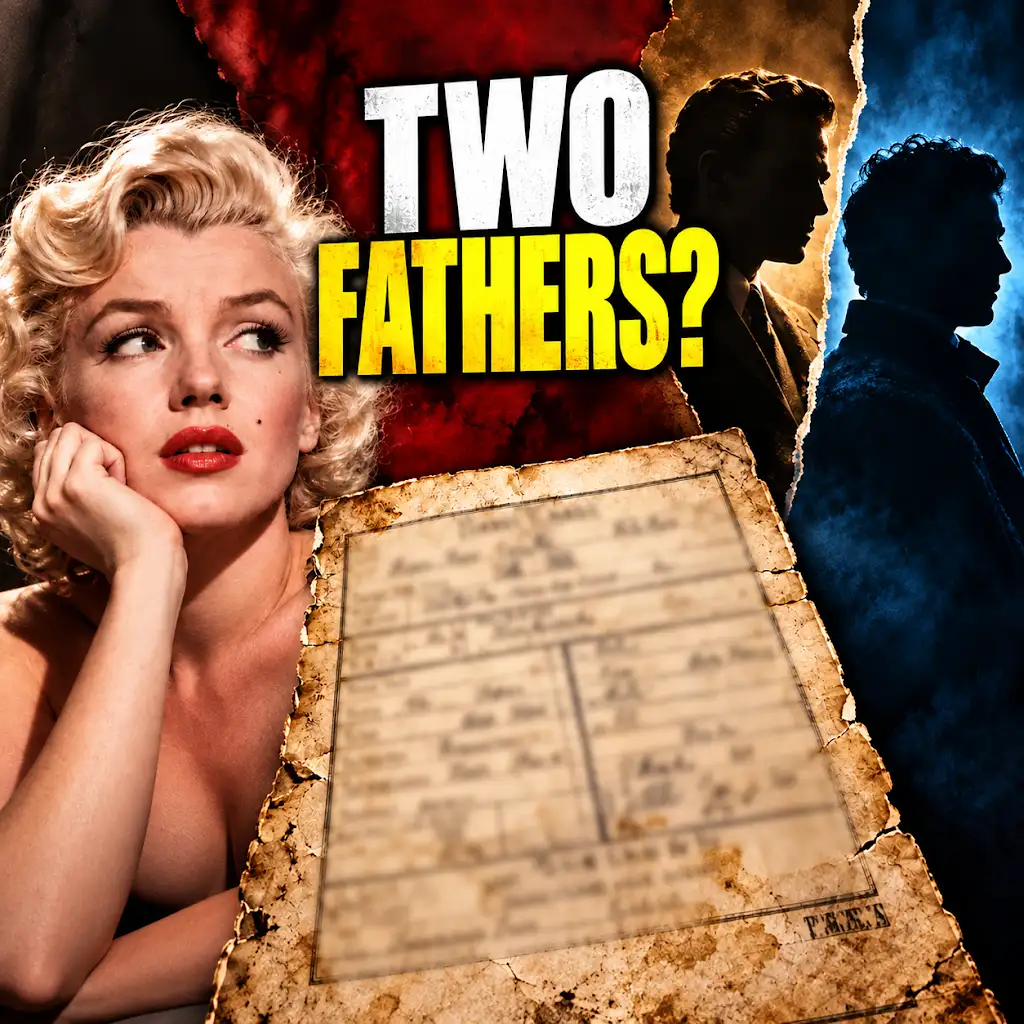
Marilyn Monroe’s Birth Certificate Named One Man. DNA Pointed to Another
FAQs
What is the purpose of the Marilyn Monroe DNA comparison relative study?
The purpose of the Marilyn Monroe DNA comparison relative study is to determine if there are any living relatives of the iconic actress Marilyn Monroe by comparing DNA samples.
How is the DNA comparison being conducted in relation to Marilyn Monroe?
The DNA comparison is being conducted by analyzing DNA samples from potential relatives of Marilyn Monroe and comparing them to known samples of her DNA to establish a genetic connection.
Who are the potential relatives being tested in the Marilyn Monroe DNA comparison study?
The potential relatives being tested in the Marilyn Monroe DNA comparison study are individuals who claim to be related to Marilyn Monroe through various family connections or genealogical research.
What are the implications of finding living relatives of Marilyn Monroe through DNA comparison?
Finding living relatives of Marilyn Monroe through DNA comparison could provide valuable insights into her family history, genetic makeup, and potentially shed light on unresolved mysteries or controversies surrounding her life.
How will the results of the Marilyn Monroe DNA comparison study be verified and confirmed?
The results of the Marilyn Monroe DNA comparison study will be verified and confirmed through rigorous scientific analysis, comparison with established genetic markers, and consultation with experts in the field of DNA testing and genealogy.