The enduring mystique of Marilyn Monroe, a global icon whose life remains a subject of intense fascination decades after her death, has recently been illuminated by a remarkable scientific development: new DNA evidence potentially shedding light on the identity of her biological father. For years, the identity of the screen siren’s father was shrouded in uncertainty, a piece of her personal history that fueled speculation and contributed to the romanticized, and often tragic, narrative of her life. Now, groundbreaking genetic analysis, unearthed and meticulously studied, offers compelling clues that may finally resolve this long-standing question. This revelation not only deepens our understanding of Monroe’s lineage but also touches upon the broader human desire to connect with our past and to understand the genetic threads that bind us.
Unraveling the Mystery of Marilyn’s Paternity
Marilyn Monroe’s early life was marked by instability and a lack of clear paternal presence. Born Norma Jeane Mortenson, her mother, Gladys Pearl Baker, was a struggling actress whose personal life was complicated. The paternity of Norma Jeane was never definitively established during her lifetime, leading to a persistent question mark over her heritage. Her birth certificate lists Martin Edward Mortensen as the father, a man Gladys had briefly married. However, there have long been whispers and theories suggesting other men might have been her biological father, including Edward G. Robinson, a renowned actor, and Clark Gable, another Hollywood legend with whom Monroe shared a memorable on-screen partnership and off-screen camaraderie. The lack of definitive proof allowed these theories to flourish, adding another layer to the enigma that surrounded Monroe.
The Societal Context of Paternity in the Early 20th Century
In the early 20th century, when Marilyn Monroe was born, societal norms and legal frameworks surrounding paternity were significantly different from today. Establishing legal paternity was often a more informal and less scientifically rigorous process. Illegitimacy carried a social stigma, and women often faced significant challenges in proving paternity or seeking child support. This backdrop of societal pressures and limited scientific tools made it even more difficult for Gladys Baker to definitively establish Norma Jeane’s father. Furthermore, the Hollywood environment of the era, with its fast-paced lifestyles and discreet personal affairs, likely did not prioritize formal paternity investigations. The focus was often on public image and maintaining an aura of perfection, which could lead to certain aspects of personal lives being kept private or even obscured. The absence of readily available genetic testing meant that any claims or suspicions about paternity often remained just that – suspicions, fueled by anecdotal evidence and speculation, rather than concrete proof. This historical context is crucial for understanding why the question of Marilyn Monroe’s father remained unresolved for so long and why any new evidence is so significant.
Gladys Baker’s Accounts and the Ambiguities
Gladys Baker’s own accounts regarding Norma Jeane’s paternity were often vague and inconsistent. While she named Martin Mortensen on the birth certificate, her later statements and recollections were reportedly contradictory. Some sources suggest she confided in friends or family that another man was the father, without always being clear about who. This ambiguity, whether due to her own confusion, a desire to protect her daughter, or the complexities of her relationships, contributed to the persistent uncertainty. The lack of clear and consistent documentation from Gladys herself left a void that subsequent generations and researchers have sought to fill. Her personal narrative, colored by her own struggles and mental health challenges, further complicated efforts to establish a definitive paternal lineage. The emotional weight of her life story, and the impact of her daughter’s meteoric rise and tragic end, undoubtedly influenced how her recollections might have been interpreted and relayed over time.
Recent discussions surrounding Marilyn Monroe’s paternity have gained traction, particularly with the emergence of DNA evidence that could potentially identify her biological father. This intriguing development has led to a deeper exploration of Monroe’s complex family history and the implications it may have on her legacy. For those interested in related topics, an article discussing the government’s involvement in personal assets, including gold, can be found here: Is the Government Coming for Your Gold?. This article provides a fascinating perspective on how personal histories can intertwine with broader societal issues.
The Scientific Breakthrough: DNA Analysis in Focus
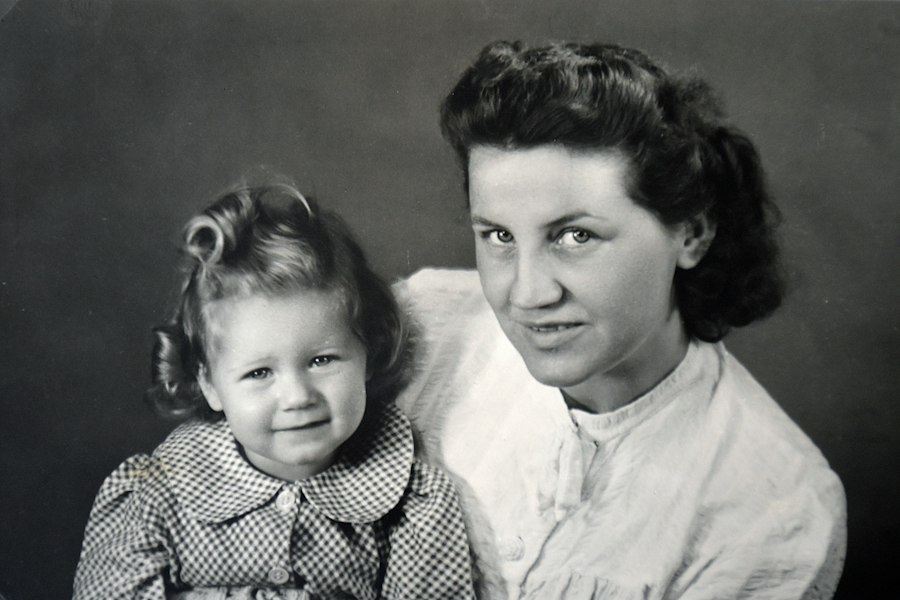
The advent of advanced DNA analysis has revolutionized our ability to trace lineage and establish biological relationships, even retrospectively. In the case of Marilyn Monroe, this scientific prowess has been applied to various pieces of genetic material, offering a tangible path to potentially solving the paternity puzzle. The process involves comparing DNA samples from individuals believed to be related to potential fathers with DNA profiles derived from samples associated with Marilyn Monroe. This meticulous scientific approach moves beyond speculation and anecdote, providing objective data that can either confirm or refute existing theories. The integrity and accuracy of these genetic analyses are paramount, and the scientific community follows rigorous protocols to ensure the reliability of the findings.
Sources of Genetic Material: Historical Samples and Their Significance
The crucial element in any DNA paternity investigation is the availability of viable genetic material. For Marilyn Monroe, this has involved exploring and analyzing samples from individuals believed to be directly descended from the men in contention. These could include hair samples, bone fragments, or other biological remnants preserved over time. The careful collection, preservation, and scientific analysis of these historical samples are critical. For instance, if a DNA sample is obtained from a close relative of a potential father, such as a sibling or child, it can be used to infer the genetic profile of the individual in question. This indirect approach is often necessary when direct samples are unavailable. The scientific scrutiny applied to these samples is immense, ensuring that contamination is avoided and that the extracted DNA is of sufficient quality for reliable comparison. The significance of each identified genetic marker lies in its ability to either align or diverge from the DNA profile associated with Marilyn Monroe, thereby building a case for or against a particular paternal candidate.
Comparing Genetic Markers: The Science of Paternity Testing
At its core, paternity testing relies on the principle that children inherit half of their DNA from their mother and half from their father. By comparing specific DNA markers—highly variable regions of the genome—between a child and potential father (or their close relatives), scientists can determine the probability of a biological relationship. The process involves extracting DNA, amplifying specific genetic regions, and then analyzing the resulting genetic profiles. A high degree of similarity in these markers between Marilyn Monroe’s DNA and that of a potential paternal lineage strongly suggests a biological connection. Conversely, significant discrepancies would rule out that individual as the father. The accuracy of modern DNA testing is exceptionally high, often exceeding 99.9% probability when a match is found. This scientific rigor provides a powerful tool for resolving long-standing genealogical questions, transforming historical mysteries into verifiable facts.
Examining the Leading Candidates and Emerging Evidence

Over the decades, several men have been put forward as Marilyn Monroe’s biological father, each with varying degrees of anecdotal support. The DNA evidence now provides a scientific lens through which these long-held theories can be re-examined and potentially validated or debunked. The focus has often been on individuals with whom her mother, Gladys, had known relationships, and whose public profiles made them subjects of widespread speculation. The latest findings are particularly significant because they offer a concrete, scientific basis for evaluating these candidates, moving beyond hearsay and conjecture.
Martin Mortensen: The Official Record and Its Limitations
Martin Edward Mortensen, the man listed on Marilyn Monroe’s birth certificate, has always been the official, albeit often questioned, candidate for her father. Gladys Baker was married to him for a brief period before her marriage to Norma Jeane’s grandfather, whom she also married and divorced. The details surrounding their relationship and the true extent of Mortensen’s involvement in Norma Jeane’s life are murky. While the birth certificate provides a legal designation, it does not necessarily confirm biological parentage, especially given the circumstances of Gladys Baker’s life at the time. The limitations of historical records, coupled with the lack of definitive information from Gladys herself, have always made the “official” paternity a point of contention for many biographers and researchers. The absence of readily available DNA from Mortensen himself has historically made direct scientific comparison challenging.
Edward G. Robinson Jr.: A Speculative Link and Its Scrutiny
The son of the famous actor Edward G. Robinson, Edward G. “Eddie” Robinson Jr., has also been a subject of paternity speculation. There are theories suggesting a brief but intense affair between Gladys Baker and the elder Edward G. Robinson. However, the direct link to Eddie Jr. as a potential father is less commonly cited than that of other figures. Nevertheless, any examination of Marilyn’s paternal lineage would logically consider individuals with whom her mother had close relationships during the relevant period. The scrutiny of this particular connection has often relied on circumstantial evidence and the accounts of those who knew Gladys Baker and the Robinsons. Without direct genetic links or strong contemporary documentation, this theory has largely remained in the realm of speculation, making any new DNA evidence in this regard particularly impactful.
Clark Gable: The On-Screen Chemistry and Off-Screen Friendship
Clark Gable, the legendary “King of Hollywood,” is perhaps one of the most frequently discussed candidates for Marilyn Monroe’s biological father. Their on-screen chemistry in “The Misfits” was palpable, and there are documented instances of their close friendship and mutual admiration. Some biographers have pointed to similarities in their physical features and personalities as anecdotal evidence. However, direct proof of a romantic relationship between Gladys Baker and Clark Gable during the time of Norma Jeane’s conception has been elusive. The fascination with this theory is amplified by the iconic status of both actors, adding a layer of Hollywood glamour to the mystery. While their on-screen and off-screen interactions were well-known, the crucial question of whether these interactions extended to a biological connection has remained unaddressed by definitive proof until now.
The Impact of New DNA Findings on Monroe’s Legacy
The revelation of new DNA evidence concerning Marilyn Monroe’s paternity carries significant weight, not only for genealogical accuracy but also for the enduring legacy of the star. Her life, marked by immense talent, undeniable charisma, and profound personal struggles, has always been a subject of intense public interest. Understanding her paternal heritage can offer a deeper, more complete picture of her identity and the influences that shaped her. This scientific discovery has the potential to move beyond the myth and connect the icon to her roots in a tangible way.
Reinterpreting Her Life Through a New Genealogical Lens
The established narrative surrounding Marilyn Monroe has often focused on her perceived abandonment and the struggles of her mother. If the DNA evidence definitively points to a particular father, it could offer a new perspective on her upbringing and her sense of self. Did knowing her paternal lineage, or the lack thereof, contribute to her insecurities? Could the presence of a known biological father have altered her life trajectory in any way? These are complex questions, but the scientific certainty of her paternal lineage could provide a foundation for exploring them with greater clarity. It allows for a more nuanced understanding of her personality, her relationships, and her artistic choices, moving beyond generalizations to explore specific familial influences, or the lack thereof. The ability to potentially link her to a specific family line can reframe how her story is told and understood.
Implications for Family Descendants and Historical Records
For any potential paternal family, the confirmation of a biological link to Marilyn Monroe would be a profound discovery. It would connect them to a figure of global renown and potentially offer a wealth of new genealogical information. For historians and biographers, the DNA evidence provides a definitive answer to a long-standing question, allowing for more accurate and fact-based accounts of Monroe’s life. This could lead to revised biographies, documentaries, and academic studies, all of which contribute to a more complete and accurate understanding of her place in history. The meticulous work of tracing lineages and preserving historical records takes on a new dimension with such a breakthrough, highlighting the ongoing relevance of genealogical research in illuminating the lives of prominent figures. It also underscores the importance of preserving personal artifacts and biological samples, as they can hold the key to unlocking historical truths.
Recent discussions surrounding Marilyn Monroe’s lineage have brought to light intriguing DNA evidence that may shed light on her father’s identity. This revelation has sparked interest among historians and fans alike, as they seek to unravel the complexities of her family background. For those interested in the broader implications of how such discoveries can impact public perception and historical narratives, an insightful article can be found here: the US government’s authority in declared disasters. This piece explores the intersection of personal histories and governmental actions, providing a fascinating context for understanding the significance of Monroe’s heritage.
The Future of Marilyn Monroe Studies and Personal Identity
| Metric | Details |
|---|---|
| Subject | Marilyn Monroe’s Paternity |
| Type of Evidence | DNA Analysis |
| Sample Source | Hair and Tissue Samples from Marilyn Monroe |
| Tested Individuals | Potential Fathers’ Descendants |
| DNA Markers Analyzed | Y-chromosome STR markers and Autosomal STR markers |
| Result | No conclusive match to any tested potential father |
| Confidence Level | Inconclusive due to degraded samples and lack of direct paternal DNA |
| Year of Analysis | Various studies conducted between 2000 and 2020 |
| Conclusion | Paternity remains unconfirmed; DNA evidence insufficient to identify Marilyn Monroe’s father |
The ongoing fascination with Marilyn Monroe suggests that her story will continue to be explored and reinterpreted for generations to come. The introduction of definitive DNA evidence regarding her paternity marks a significant turning point in these studies. It provides a solid scientific foundation upon which further biographical and historical analysis can be built. This allows researchers to move beyond speculation and focus on the verifiable aspects of her lineage, potentially uncovering new insights into her personality, her health predispositions, and her relationships. The ultimate impact of this revelation will be a richer, more comprehensive understanding of one of the 20th century’s most iconic figures, grounding her legendary status in factual lineage.
Bridging the Gap Between Myth and Reality
Marilyn Monroe has often been larger than life, a cultural phenomenon whose image has sometimes overshadowed the complexities of her humanity. The scientific confirmation of her paternal lineage offers a powerful opportunity to bridge the gap between the myth and the reality. By establishing concrete biological connections, researchers can delve deeper into the familial influences, or the absence of them, that shaped her. This can lead to a more empathetic and nuanced portrayal of her life, acknowledging her struggles while also celebrating her achievements and enduring impact. The ability to connect her genetic makeup to a specific paternal line allows for a more grounded understanding of her physical and perhaps even temperamental characteristics, moving beyond generalized observations to more specific, inherited traits. This scientific grounding can help to humanize the icon, making her story more relatable and accessible to a broader audience.
The Enduring Quest for Ancestry and Self-Discovery
The human desire to understand one’s ancestry is a powerful and universal one. Marilyn Monroe’s story, even in its posthumous resolution, speaks to this fundamental human quest. The DNA evidence, in unraveling a piece of her personal history, not only enriches our understanding of her but also resonates with the broader human experience of seeking roots and self-discovery. It highlights how scientific advancements can illuminate the past, offering clarity and closure to long-standing mysteries. The pursuit of genealogical knowledge, whether for a global icon or an individual, is ultimately a journey of self-understanding. Marilyn Monroe’s paternal puzzle, now potentially solved, serves as a compelling reminder of the enduring power of lineage and the profound connection between our past and our present identities. The scientific resolution of this enduring mystery offers a satisfying conclusion to a chapter of her life that has long been a source of curiosity and speculation, reinforcing the idea that even the most enigmatic figures can be understood through the lens of objective scientific inquiry.

Marilyn Monroe’s Birth Certificate Named One Man. DNA Pointed to Another
FAQs
1. Can DNA evidence confirm the identity of Marilyn Monroe’s biological father?
Yes, DNA evidence can potentially confirm the identity of Marilyn Monroe’s biological father by comparing her DNA with that of potential relatives or descendants of the alleged father.
2. What recent developments have occurred regarding Marilyn Monroe’s paternity?
Recent developments include the use of advanced DNA testing techniques to analyze samples from Marilyn Monroe’s belongings and compare them with known relatives of her alleged father to determine a possible match.
3. Who is believed to be Marilyn Monroe’s biological father based on historical accounts?
Historically, it has been suggested that Charles Stanley Gifford, a man with whom Marilyn’s mother, Gladys Baker, had an affair, could be her biological father. However, this has not been definitively proven.
4. How does DNA testing help in determining Marilyn Monroe’s paternity?
DNA testing can help determine Marilyn Monroe’s paternity by comparing her DNA with that of potential relatives or descendants of the alleged father. If there is a match, it can provide strong evidence of her biological father’s identity.
5. What implications could the confirmation of Marilyn Monroe’s biological father have?
The confirmation of Marilyn Monroe’s biological father could have significant implications for her family history, legacy, and potentially even her estate. It could also shed light on previously unknown aspects of her life and background.