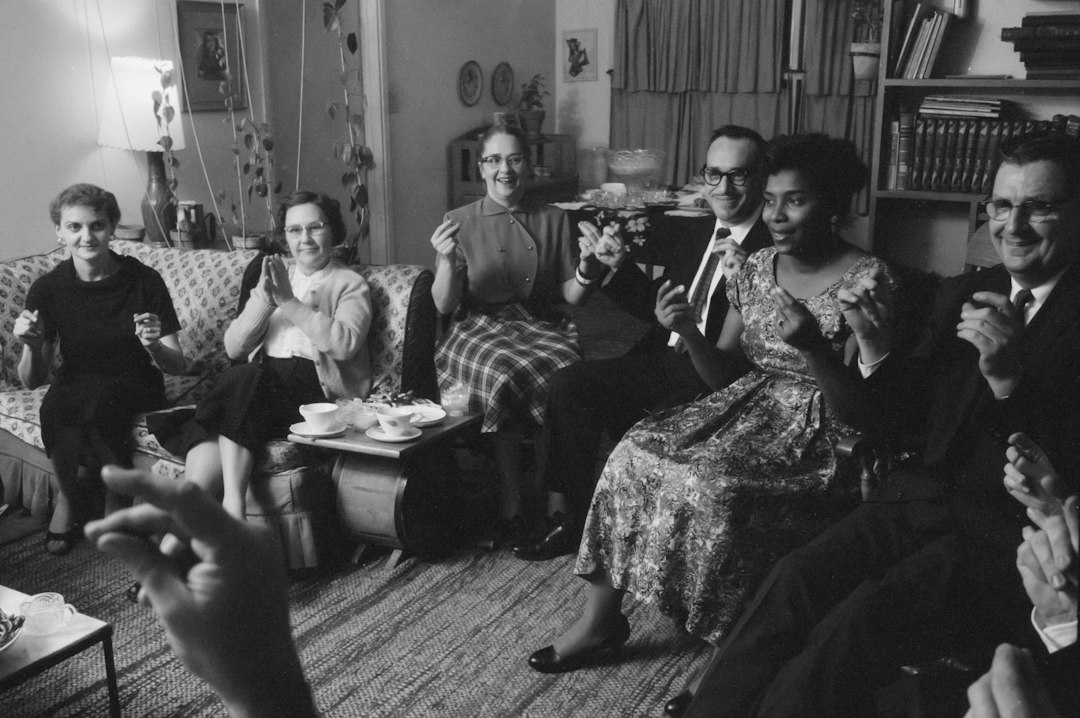
The genesis of education, as the “Educational History Video” likely chronicles, is a story as old as humanity itself. It is a testament to our innate drive to learn, to transmit knowledge, and to prepare future generations for the complexities of existence. The video’s historical journey would undoubtedly begin in the mists of prehistory, where education was not a formal institution but an organic, essential part of survival. Imagine early humans, huddled around a fire, a seasoned elder demonstrating the proper way to knap flint, the subtle art of tracking game, or the medicinal properties of various plants. This was experiential learning at its most fundamental, passed down through imitation, oral tradition, and direct participation. There were no classrooms, no textbooks, only the living laboratory of the natural world and the wisdom of the community. The early forms of education were inextricably linked to the needs of the tribe or clan. Survival depended on mastering skills like hunting, gathering, tool-making, and understanding the rhythms of nature. Social cohesion and the preservation of cultural norms were also paramount, and these were instilled through storytelling, rituals, and the observation of elders. The transition from nomadic hunter-gatherer societies to settled agricultural communities marked a significant shift. As societies became more complex, so too did the demands on education. The need to record information, manage resources, and develop more sophisticated social structures necessitated the development of specialized knowledge and, consequently, more structured learning.
The Dawn of Formal Instruction and Ancient Civilizations
The “Educational History Video” would likely pivot to the emergence of formal schooling in ancient civilizations. With the advent of writing systems, the possibility of codifying knowledge and transmitting it beyond the immediate spoken word arose. In Mesopotamia, the Sumerians developed cuneiform, and with it, the first schools, known as edubbas. These were primarily for training scribes, who were essential for administration, commerce, and religious record-keeping. Young boys from privileged families would spend years mastering complex writing systems, mathematics, and literature. Similarly, ancient Egypt saw the rise of scribal schools attached to temples and the royal court. The ability to read and write hieroglyphs was a gateway to power and influence. The curriculum would have included religious texts, administrative documents, and perhaps even some elements of astronomy and medicine. In ancient Greece, the concept of education began to broaden beyond vocational training. While sophists offered instruction in rhetoric and philosophy to the wealthy elite, the idealized notion of paideia emerged – the holistic development of a well-rounded citizen. Philosophers like Plato and Aristotle discussed the purpose of education and its role in shaping individuals and society. Plato’s Academy, established in Athens, was a precursor to modern universities, fostering philosophical inquiry and intellectual discourse. Aristotle’s Lyceum similarly served as a center of learning. The Spartan model, in stark contrast, prioritized military training and discipline above all else, aiming to produce formidable warriors. This period highlights the diverse approaches to education emerging in different cultures, reflecting their societal values and aspirations. The Roman Empire, known for its pragmatism, emphasized practical education. Roman education focused on rhetoric, law, and administration, preparing citizens for public service and the management of their vast empire. The ludus litterarius was the elementary school, followed by the grammaticus for more advanced studies, and finally the rhetor for public speaking and legal training. The influence of Greek educational philosophy was undeniable, but Roman education was more geared towards the needs of the state and the preservation of Roman culture.
The Role of Religious Institutions in Medieval Learning
As the Western Roman Empire declined, the center of formal learning shifted, in many ways, to religious institutions. The Catholic Church became the primary custodian of knowledge during the early Middle Ages. Monasteries, with their scriptoria, played a crucial role in preserving ancient texts, copying manuscripts, and educating monks. The curriculum in monastic schools was largely focused on religious dogma, Latin, and the study of scripture. However, these institutions also preserved elements of classical learning, ensuring that knowledge from antiquity was not entirely lost. As towns and cities grew in the High Middle Ages, cathedral schools emerged, often serving a broader community and preparing individuals for ecclesiastical careers. These schools began to lay the groundwork for the universities that would soon blossom across Europe. The emergence of universities in cities like Bologna, Paris, and Oxford marked a significant turning point. These institutions were no longer solely under the direct control of the Church, although religious influence remained strong. Universities offered a more structured curriculum, divided into faculties such as theology, law, medicine, and the liberal arts. The Scholastic method, characterized by rigorous debate and logical analysis of texts, dominated academic inquiry. Students would engage in disputations, defending their arguments and critically examining established doctrines. This period saw the formalization of academic disciplines and the development of a more intellectual and systematic approach to learning, even within a strongly religious framework.
For those interested in the fascinating interplay between educational history and geological changes, a related article can be found at Isostatic Rebound and Antarctic Topography: A Changing Landscape. This piece explores how shifts in the Earth’s topography, particularly in Antarctica, can influence educational narratives and historical perspectives on climate change. By understanding these geological processes, educators can better contextualize the impact of environmental changes throughout history.
The Renaissance and the Rebirth of Humanism in Education
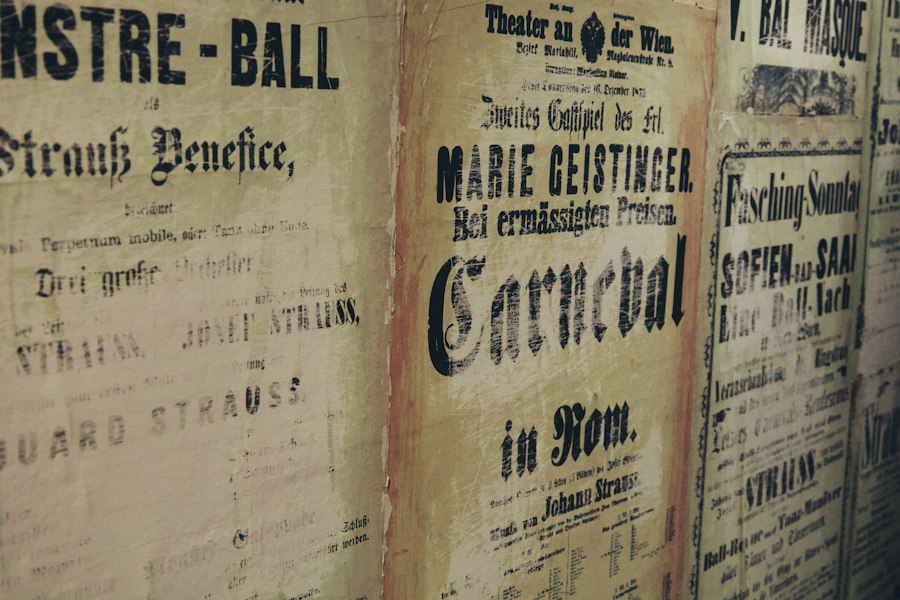
The Renaissance, a period of profound cultural and intellectual reawakening in Europe, ushered in a new era for education. The rediscovery of classical texts and the burgeoning humanist movement shifted the focus from purely theological concerns to a broader appreciation of human potential and achievement. Humanist scholars championed the study of the humanities – grammar, rhetoric, poetry, history, and moral philosophy – believing these subjects were essential for cultivating virtuous and eloquent individuals. This contrasted with the more scholastic and vocational focus of medieval education. The ideal of the uomo universale, the well-rounded individual proficient in many fields, gained prominence. Education was seen not just as preparation for a specific profession or religious life, but as a means of developing the full intellectual and moral capacities of a person. New educational institutions, such as grammar schools and academies, emerged, often influenced by humanist ideals. The printing press, invented by Johannes Gutenberg, revolutionized the dissemination of knowledge. Books became more accessible, leading to increased literacy rates and a wider availability of educational materials. This democratization of information had a profound impact on how knowledge was acquired and shared. The Renaissance also saw a greater emphasis on individual inquiry and critical thinking, laying the seeds for the scientific revolution that would follow. The educational reforms proposed by thinkers like Erasmus of Rotterdam advocated for a more humane and engaging approach to teaching, emphasizing the importance of understanding and reason.
The Enlightenment and the Rise of Reason and Universal Education
The Enlightenment, a philosophical and intellectual movement that swept across Europe in the 18th century, placed a strong emphasis on reason, individualism, and skepticism towards traditional authority. This had a profound impact on educational thought. Thinkers like John Locke, Jean-Jacques Rousseau, and Immanuel Kant championed new ideas about child-rearing and the purpose of education. Locke, in his Essay Concerning Human Understanding, proposed the idea of the tabula rasa, suggesting that the mind is a blank slate at birth and that education shapes an individual’s character and knowledge. Rousseau, in Emile, or On Education, advocated for a more naturalistic and child-centered approach, emphasizing learning through experience and the development of the child’s innate abilities. The Enlightenment fostered a belief in the power of education to improve society and uplift the masses. The concept of universal education, the idea that all individuals, regardless of social standing, should have access to schooling, began to gain traction. This was a radical departure from previous systems that often catered to the elite. The development of secular schools and the expansion of public education systems were direct consequences of Enlightenment ideals. The emphasis on reason and empirical observation also paved the way for the development of scientific education. The “Educational History Video” would likely highlight the growing importance of science, mathematics, and practical skills in the curriculum. This era marked a significant shift towards education as a tool for social progress and individual empowerment, moving away from the exclusive domain of religious or aristocratic circles.
The Industrial Revolution and the Modernization of Education
The Industrial Revolution, beginning in the late 18th century and continuing through the 19th century, brought about unprecedented technological advancements and societal changes, profoundly impacting education. As economies shifted from agrarian to industrial, the demand for a skilled workforce surged. Factories required workers with basic literacy, numeracy, and the ability to follow instructions. This led to the establishment of mass education systems designed to meet the needs of the burgeoning industrial economy. The traditional apprenticeship model, while still present, began to be supplemented by more formalized schooling. Governments recognized the need for a standardized and efficient education system to produce citizens who could contribute to national progress and maintain social order. This led to the development of public school systems, often funded by the state, with standardized curricula and teacher training programs. The focus shifted towards imparting essential skills such as reading, writing, arithmetic, and vocational training. The concept of compulsory education, where attendance at school became mandatory for children, began to take root in many industrialized nations. This was a significant step in ensuring that a baseline level of education was accessible to all. The curriculum often reflected the values of the industrial age: discipline, punctuality, efficiency, and adherence to rules. The “Educational History Video” would undoubtedly showcase the rise of the classroom as we know it, with rows of desks, chalkboards, and teachers imparting knowledge in a more structured and regimented environment. While this period saw a significant expansion of educational access, it also sometimes led to a more utilitarian and less individualized approach to learning, prioritizing conformity and the needs of industry over the holistic development of the child.
The 20th Century and Beyond: Diversification, Innovation, and Global Challenges
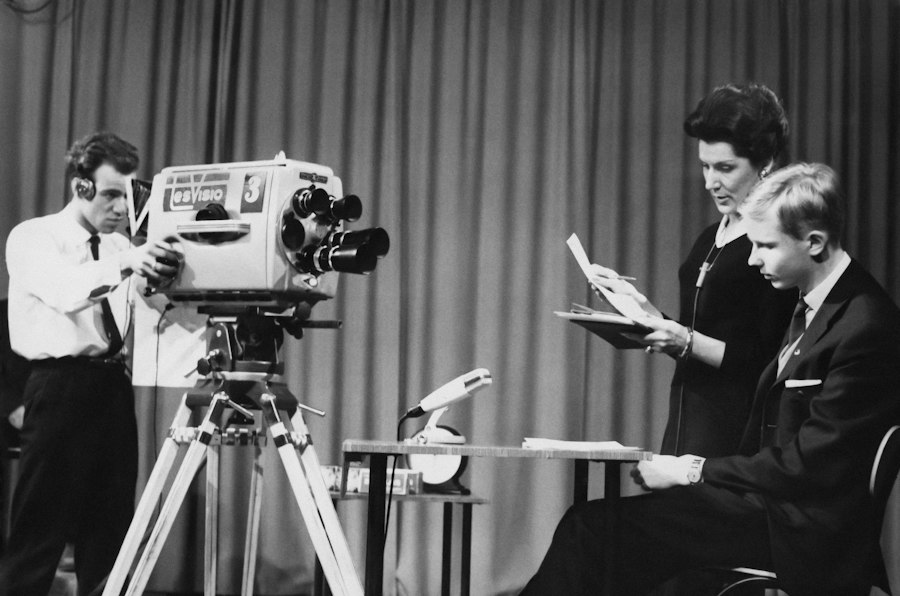
The 20th century witnessed a dramatic evolution and diversification of educational approaches. The rigid structures of industrial-era schooling began to be questioned by progressive educators who advocated for more child-centered, experiential, and holistic learning. Figures like John Dewey emphasized learning by doing and the importance of connecting education to real-world experiences. The rise of psychology and educational research led to a greater understanding of child development and learning processes, influencing pedagogical methods and curriculum design. The latter half of the 20th century saw a surge in higher education enrollment, with universities becoming more accessible to a wider range of the population. Specialization increased, leading to the development of new fields of study and research. The advent of technology began to profoundly impact education. From the early use of audio-visual aids to the explosion of digital learning platforms, the internet, and artificial intelligence, technology has reshaped how knowledge is accessed, delivered, and created. The “Educational History Video” would undoubtedly explore the impact of these technological advancements, from the introduction of computers in classrooms to the rise of online courses and virtual learning environments. Furthermore, the 20th and 21st centuries have been marked by global challenges that have influenced educational priorities. The need for global citizenship, environmental awareness, critical thinking in the face of information overload, and the development of skills for a rapidly changing job market have become paramount. Educational systems are increasingly grappling with issues of equity, inclusion, and the need to prepare students for a diverse and interconnected world. The journey of education, as depicted in such a video, is a continuous process of adaptation, innovation, and a persistent human endeavor to enlighten and empower.
Your 401(k) Withdrawal Can Make More of Your Social Security Taxable
FAQs
1. What is the purpose of educational history videos on YouTube?
Educational history videos on YouTube aim to provide viewers with engaging and informative content about various historical events, figures, and topics. These videos are designed to make learning history more accessible and enjoyable for a wide audience.
2. How can educational history videos on YouTube benefit students?
Students can benefit from educational history videos on YouTube by gaining a better understanding of historical events, improving their critical thinking skills, and enhancing their overall knowledge of the past. These videos can also serve as a valuable supplement to traditional classroom learning.
3. Who creates educational history videos on YouTube?
Educational history videos on YouTube are created by a diverse range of content creators, including historians, educators, and enthusiasts. These creators often conduct thorough research, use visual aids, and employ storytelling techniques to make history engaging and accessible to viewers.
4. Are educational history videos on YouTube reliable sources of information?
While many educational history videos on YouTube are well-researched and accurate, it is important for viewers to critically evaluate the credibility of the sources and information presented in these videos. It is recommended to cross-reference information with reputable sources for verification.
5. How can viewers support creators of educational history videos on YouTube?
Viewers can support creators of educational history videos on YouTube by subscribing to their channels, liking and sharing their videos, leaving positive comments, and considering donating to their channels if they offer that option. These actions help creators continue producing high-quality educational content for the benefit of the audience.