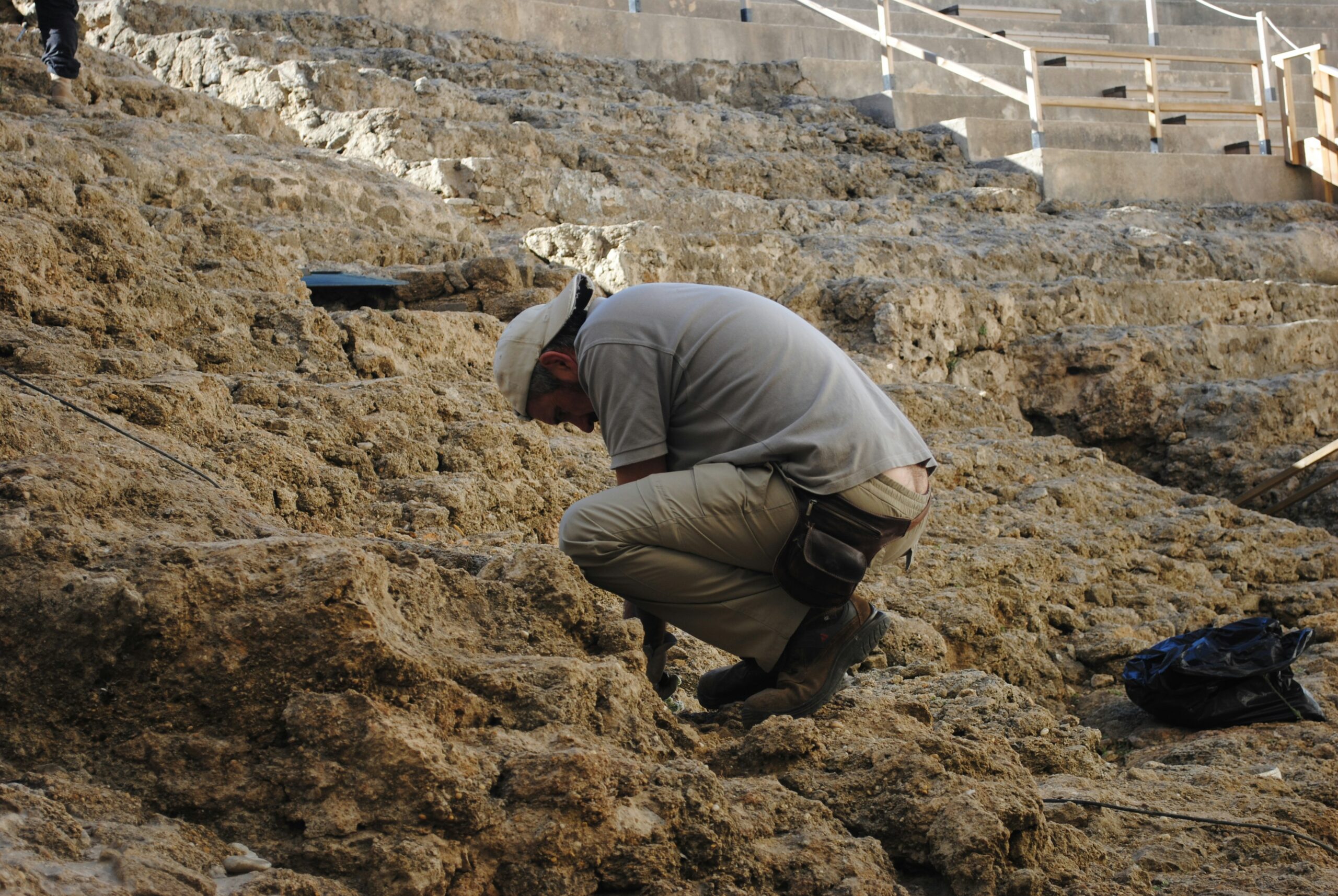
The dry whisper of the past is being heard with increasing clarity, thanks to the tireless efforts of archaeologists uncovering evidence of severe drought that shaped the destiny of ancient civilizations. Far from being isolated incidents, these arid periods were often pivotal moments, forcing societal collapse, migration, and dramatic technological innovation. From the sun-baked ruins of Mesopotamia to the arid landscapes of the Maya heartland, the story of human history is intimately intertwined with the story of water scarcity. Modern scientific techniques, applied to ancient sites, are revealing the stark realities of these climatic shifts and their profound impact on the rise and fall of empires.
Echoes of Aridity: Unearthing Past Droughts
The narrative of ancient civilizations is often one of grand achievements: monumental architecture, sophisticated governance, and advanced knowledge systems. However, beneath this veneer of progress often lies a struggle for survival against the capricious forces of nature, none more potent than drought. Archaeologists, by painstakingly excavating and analyzing the remnants of these societies, are piecing together a compelling picture of how prolonged periods of water scarcity fundamentally altered their trajectories. The evidence is not always dramatic – a sudden abandonment of a city or a mass exodus – but can also be subtle, found in changes in agricultural practices, shifts in settlement patterns, and the very composition of ancient soils. The ability to read these silent testimonies requires a multidisciplinary approach, integrating paleoclimatology, isotopic analysis, and comparative historical studies to form a holistic understanding of these ancient environmental crises.
The Palynological Record: Pollen’s Silent Testimony
One of the most powerful tools in the archaeologist’s arsenal for reconstructing past climates is palynology, the study of ancient pollen and spores. When ancient plants bloom, they release pollen into the atmosphere. This pollen, incredibly resilient, can be preserved for millennia in sediments, lake cores, and peat bogs. Archaeologists and paleoecologists extract these microscopic grains and analyze their types and abundances. A shift in the pollen record can indicate significant changes in vegetation. For instance, a decline in the pollen of water-loving trees and a corresponding increase in the pollen of drought-tolerant grasses or shrubs can be a clear signal of drying conditions. Sites like Lake Van in Turkey have yielded exceptionally long sediment cores, providing a detailed record of vegetation changes spanning thousands of years, directly correlating with evidence of past drought events in the surrounding regions. The careful identification of specific plant species whose pollen indicates arid or mesic environments allows for a quantitative assessment of climatic shifts, offering a granular view of environmental transformations that directly impacted human subsistence strategies.
Isotopic Signatures: Water’s Ancient Memory
Beyond pollen, the chemical signatures locked within ancient materials offer another profound insight into past water availability. Isotopic analysis, particularly of oxygen and hydrogen isotopes in materials like speleothems (cave formations), bone collagen, and ancient water sources, can reveal the isotopic composition of precipitation. This composition is directly linked to temperature and the source of moisture. By analyzing the ratios of different isotopes (e.g., $^{18}$O to $^{16}$O), scientists can infer the temperature at which the water originally evaporated and the amount of rainfall the region received. For example, a higher ratio of heavier oxygen isotopes in speleothems often indicates periods of reduced rainfall and higher evaporation. Similarly, analyzing isotopes in the bones of ancient humans and animals can provide clues about their diet and the water sources they relied upon, indirectly reflecting regional hydrological conditions. This method allows for a direct link between geological archives and the water available to past populations, providing a physical record of the water cycle itself.
Sedimentary Clues: Layers of Environmental Change
The very ground beneath archaeological sites holds a wealth of information. Sedimentological analysis examines the physical characteristics of soil layers, including their texture, composition, and structure. During periods of drought, landscapes undergo significant changes. Rivers may dwindle or disappear, leading to the deposition of fine, wind-blown dust (loess) or the accumulation of salt-rich sediments. Erosion patterns also change; when vegetation cover is reduced, the land becomes more susceptible to wind and water erosion, leading to distinct sedimentary layers. Archaeologists look for evidence of these changes, such as the presence of ancient soils that are lighter in color and more compacted due to reduced organic matter, or the absence of fluvial deposits in areas that were once associated with rivers. The presence of charcoal fragments can also indicate increased fire frequency, a common occurrence during prolonged dry spells. These observable shifts in the geological record provide a tangible, physical manifestation of changing environmental conditions.
Recent studies in archaeology have revealed compelling evidence of how ancient civilizations adapted to drought conditions, shedding light on their resilience and resource management strategies. For a deeper understanding of the complexities surrounding ancient rulers and their responses to environmental challenges, you can explore the article titled “Uncovering the Deceptions of Ancient Rulers” at this link: Uncovering the Deceptions of Ancient Rulers. This article provides valuable insights into the political dynamics that influenced how societies navigated periods of scarcity and hardship.
Civilizations on the Brink: Drought’s Societal Impact

The archaeological record is replete with examples of how prolonged droughts acted as powerful catalysts for societal change, often pushing civilizations to the brink of collapse. These environmental pressures did not merely inconvenience populations; they fundamentally challenged their ability to sustain themselves, leading to a cascade of social, economic, and political consequences. The resilience of a civilization was tested not only by its ability to endure hardship but also by its capacity to adapt and innovate in the face of unprecedented environmental stress.
The Fertile Crescent’s Fraying Edges: Mesopotamian Responses to Aridity
Mesopotamia, often hailed as the cradle of civilization, was inherently vulnerable to fluctuations in its water supply, primarily dependent on the Tigris and Euphrates rivers. Archaeological evidence suggests that periods of severe drought significantly impacted the region’s agricultural productivity. Ancient texts, such as administrative records and royal inscriptions, sometimes allude to crop failures and food shortages, which can be indirectly linked to climatic shifts. Furthermore, studies of lake sediments and paleoclimatic reconstructions in the broader Near East have indicated periods of intensified aridity that coincide with societal disruptions. For example, the collapse of certain Akkadian periods has been tentatively linked to a sudden and severe drought event that led to widespread famine and social unrest, forcing nomadic populations to seek sustenance in settled areas and straining existing resources. The intricate irrigation systems that characterized Mesopotamian agriculture, while an engineering marvel, also made them highly susceptible to water shortages, forcing societies to develop more sophisticated water management techniques, including the construction of larger reservoirs and more extensive canal networks, in response to recurrent dry periods.
Recent studies have highlighted the impact of drought on archaeological sites, revealing how prolonged dry periods can expose ancient artifacts and structures that were previously hidden. This phenomenon not only aids in the discovery of historical treasures but also raises concerns about the preservation of these sites. For a deeper understanding of how external factors influence archaeological practices, you can explore a related article that discusses the role of private companies in military space infrastructure, which indirectly affects resource allocation for archaeological research. This connection underscores the importance of considering various influences on archaeology today. To read more about this topic, visit this article.
The Maya Collapse: A Climate-Driven Downfall?
The classic Maya civilization, with its impressive city-states, advanced calendar system, and intricate art, experienced a dramatic decline and abandonment of many of its major centers around the 9th century CE. While multiple factors likely contributed to this collapse, a growing body of archaeological and paleoclimatic evidence strongly implicates prolonged and severe droughts as a primary driver. Lake sediment cores from the Maya lowlands reveal distinct layers of clay and reduced organic matter, indicative of significantly drier conditions during the period of Maya collapse. These findings are corroborated by isotopic analysis of speleothems from caves in the region, which show clear patterns of reduced rainfall coinciding with the abandonment of Maya cities. The Maya civilization was heavily reliant on rainfall for agriculture, particularly for their maize cultivation, which formed the staple of their diet. When rainfall became scarce, crop yields plummeted, leading to widespread famine, social unrest, and ultimately, the disintegration of their complex political and social structures. The scale of the abandonment and the subsequent decay of once-thriving urban centers stand as a stark testament to the devastating power of climate change on even the most sophisticated ancient societies.
The Indus Valley’s Water Woes: Shifting Rivers and Declining Fortunes
The sophisticated Indus Valley Civilization, encompassing vast urban centers like Mohenjo-daro and Harappa, also experienced significant environmental challenges, including shifts in river courses and periods of drought. Archaeological evidence suggests that changes in the monsoon patterns and the eventual drying up of the Ghaggar-Hakra river system, which is believed to have been a major waterway supporting the civilization, played a crucial role in its decline and eventual fragmentation. Sediment analysis and paleohydrological studies indicate that the river system became increasingly ephemeral, with reduced water flow and periods of complete dryness. This loss of a reliable water source would have had devastating consequences for agriculture, which formed the backbone of the Indus economy. The decline in urbanism, the abandonment of major cities, and the eventual disappearance of the characteristic Indus script are all closely linked to these environmental pressures. The ability of the Indus people to adapt to these changing hydrological conditions, or their failure to do so, is a key area of ongoing archaeological research.
Resilience and Adaptation: Innovations Born from Scarcity
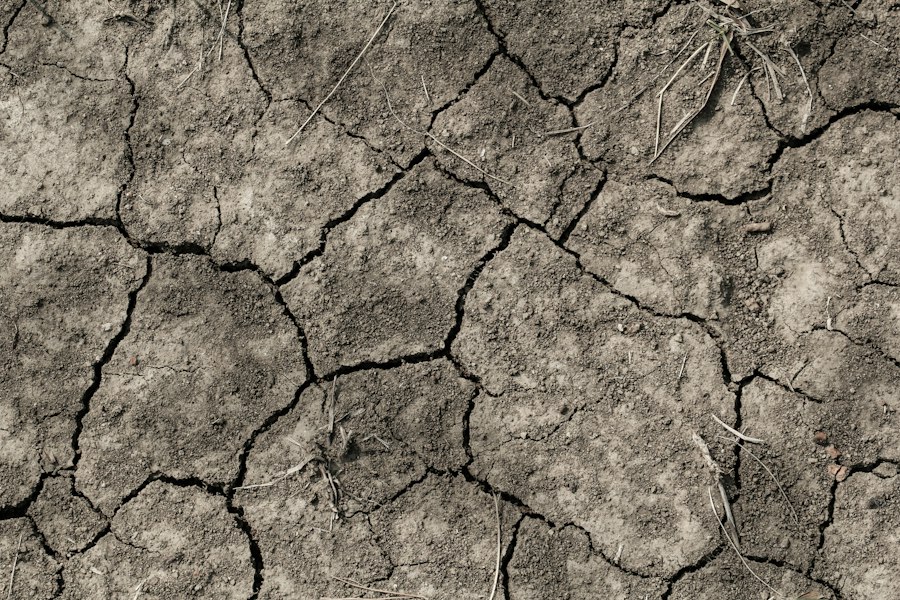
While drought often precipitated crisis, it also spurred remarkable human ingenuity and adaptation. Faced with dwindling water resources, ancient peoples developed sophisticated strategies to manage, conserve, and even augment their water supply. These innovations, born out of necessity, not only allowed them to survive but also shaped the future course of their civilizations. The archaeological record offers a compelling testament to human resilience and the capacity for innovation when confronted with existential environmental threats.
Water Harvesting and Storage: Capturing Every Drop
Across the ancient world, ingenious methods of water harvesting and storage were developed to capture precious rainfall and riverine flows. In arid and semi-arid regions, this often involved the construction of elaborate systems of cisterns, reservoirs, and terraces. The Nabataeans, for example, masters of desert survival, developed sophisticated hydrological engineering to collect and store rainwater in their desert city of Petra, enabling them to thrive in an otherwise inhospitable environment. They carved cisterns into the sandstone cliffs and constructed dams and channels to direct ephemeral floodwaters into these storage facilities. Similarly, in the Mediterranean, civilizations like the Minoans and the Romans developed extensive systems of aqueducts, reservoirs, and underground cisterns to supply their cities with water, demonstrating a profound understanding of hydraulic principles. Even in regions with more consistent rainfall, the need to buffer against unpredictable dry spells led to the development of localized water management techniques, such as the construction of small ponds and wells by agricultural communities. These structures are tangible evidence of a proactive approach to water security.
Agricultural Innovation: Cultivating Resilience
Droughts often forced ancient farmers to rethink their agricultural practices. This led to the development of drought-resistant crops, changes in planting cycles, and innovative irrigation techniques. Archaeologists find evidence of these adaptations in the types of seeds found at ancient sites, the analysis of ancient field systems, and the presence of irrigation infrastructure. For instance, in regions prone to drought, the cultivation of more drought-tolerant grains like millet and sorghum became more prevalent. Changes in planting and harvesting dates, dictated by the unpredictable rainfall patterns, are also discernible in the archaeological record. Furthermore, the development of efficient irrigation systems, such as the shaduf, a levered counterbalanced pole used for lifting water, or the more complex Persian wheel, allowed for the more efficient distribution of water to crops, even during dry periods. The careful study of ancient agricultural landscapes, including the remnants of terraced fields and water channels, provides a visual and physical record of these adaptive strategies.
Social and Economic Restructuring: Adapting to New Realities
Periods of prolonged drought often necessitated significant social and economic restructuring. When agricultural yields declined, entire communities might be forced to migrate to areas with more reliable water sources. This can be evidenced archaeologically by shifts in settlement patterns, the abandonment of previously occupied sites, and the emergence of new settlements in areas that were previously less desirable. Trade networks might also be reconfigured as communities sought alternative sources of food and resources. In some cases, the stress of drought might lead to the consolidation of power by centralized authorities who were better equipped to manage scarce resources. Conversely, it could also lead to the fragmentation of political entities as local communities became more self-reliant. The analysis of burial sites, artifact distribution, and settlement hierarchies can all provide clues about these societal transformations, offering insights into how humans reorganized themselves in the face of environmental adversity.
Looking Forward: Lessons from the Past
The ancient world’s struggles with drought offer a potent and relevant lesson for our present and future. As climate change intensifies, leading to more frequent and severe droughts in many regions, understanding how past civilizations coped with similar challenges is not merely an academic exercise; it is a crucial endeavor for informing our own strategies for resilience and sustainability. The archaeological evidence serves as a stark reminder of the profound impact of water scarcity on human societies and the importance of proactive water management.
The Interconnectedness of Climate and Civilization
The archaeological record unequivocally demonstrates that climate is not a passive backdrop against which human history unfolds, but an active and powerful force shaping its course. The rise and fall of empires, the migration of peoples, and the development of technologies have all been, in significant ways, influenced by the availability and distribution of water. Recognizing this deep interconnectedness is paramount as we face a future where climatic shifts are predicted to become more pronounced. The challenges faced by ancient civilizations, while on a different scale, resonate with the issues we confront today, from agricultural sustainability to water security in growing urban populations.
The Imperative of Water Management
The innovative solutions developed by ancient peoples to manage and conserve water offer valuable insights for contemporary water resource management. Their sophisticated systems of harvesting, storage, and efficient distribution, born out of necessity, provide a historical blueprint for how to adapt to water-scarce environments. As modern societies grapple with increasing demands on limited water resources, studying these ancient techniques can inspire new approaches and reinforce the importance of sustainable water practices. The archaeological evidence serves as a constant reminder that water is a finite and precious resource, demanding careful stewardship and innovative solutions.
Anticipating and Adapting to Future Challenges
By studying the archaeological evidence of ancient droughts and their societal consequences, we can gain a better understanding of the potential impacts of future climate change. This historical perspective allows us to anticipate potential vulnerabilities and develop more effective strategies for adaptation and resilience. It highlights the need for long-term planning, investment in water infrastructure, and the development of climate-resilient agricultural practices. The lessons learned from the past are not merely academic curiosities; they are vital tools for navigating the environmental challenges of the 21st century and ensuring the sustainability of human civilization. The echoes of aridity from ancient civilizations are calling us to action, urging us to learn from their triumphs and their failures in the face of a changing climate.
Your 401(k) Withdrawal Can Make More of Your Social Security Taxable
FAQs
What is drought evidence in archaeology?
Drought evidence in archaeology refers to physical remains or artifacts that provide clues about past droughts and their impact on ancient civilizations. This evidence can include changes in settlement patterns, agricultural practices, water management systems, and other archaeological findings that suggest periods of drought.
How do archaeologists identify drought evidence?
Archaeologists identify drought evidence through various methods such as analyzing sediment cores, studying pollen records, examining tree rings, and conducting archaeological excavations. By combining different sources of data, researchers can piece together a comprehensive picture of past drought events and their effects on human societies.
What can drought evidence tell us about ancient civilizations?
Drought evidence can provide valuable insights into how ancient civilizations coped with and adapted to periods of water scarcity. By studying how past societies responded to droughts, archaeologists can learn about their resilience, resource management strategies, social organization, and technological innovations in dealing with environmental challenges.
Why is studying drought evidence important in archaeology?
Studying drought evidence is important in archaeology because it helps us understand the complex interactions between climate change, environmental factors, and human activities in the past. By examining how past societies responded to droughts, researchers can gain knowledge that is relevant to modern-day challenges such as climate change and water scarcity.
What are some examples of drought evidence found by archaeologists?
Some examples of drought evidence found by archaeologists include abandoned settlements, changes in crop yields, altered land use patterns, reservoirs or irrigation systems that fell into disuse, and written records describing periods of drought and their impact on societies. These findings provide valuable information about how past civilizations were affected by and adapted to drought conditions.