
A new documentary promises to shed light on a long-standing enigma in Hollywood history: the identity of Marilyn Monroe’s paternal grandfather. While the iconic actress’s life has been dissected countless times, her lineage, particularly on her father’s side, has remained a subject of speculation and uncertainty. This groundbreaking film, poised for release, delves into the fragmented historical records and personal testimonies to piece together a more complete picture of the roots that shaped Norma Jeane Mortenson, the woman behind the global phenomenon. The documentary’s exploration is not merely an academic exercise; it seeks to understand how this paternal mystery might have subtly influenced Monroe’s personal life, her search for identity, and the profound sense of abandonment that often seemed to shadow her public persona.
Unearthing the Shadows of Descent
The paternal lineage of Marilyn Monroe has been a subject of considerable debate and conjecture for decades. Her mother, Gladys Pearl Baker, had a tumultuous life, and the identity of Marilyn’s father, Martin Edward Mortensen, has been questioned, with some suggesting that he was not her biological father. This ambiguity has cast a long shadow over Monroe’s understanding of her family history and her own place in the world. The documentary aims to move beyond the often sensationalized narratives and embark on a rigorous investigation, employing historical research, genealogical expertise, and the perspectives of individuals who may hold keys to unlocking this familial puzzle. The film’s creators have stated their commitment to presenting factual findings, acknowledging the limitations of historical evidence, and offering a nuanced portrayal of the complexities involved in tracing lineage, especially when dealing with fragmented records and the passage of time.
The Maternal Narrative: A Foundation of Instability
To understand the paternal quest, it is crucial to first contextualize it within the life of Marilyn’s mother, Gladys Pearl Baker. The documentary dedicates significant time to Gladys’s own struggles, her mental health challenges, and her complicated relationships, which undoubtedly impacted young Norma Jeane. Gladys’s inability to provide a stable paternal figure for her daughter meant that the void of a father, and by extension a paternal grandfather, was keenly felt. The film explores Gladys’s accounts of her relationships, including her marriage to Jack C. Dougherty and her later relationship with Charles Stanley Gifford, who is often cited as a potential biological father. By meticulously examining Gladys’s diaries, letters, and interviews, the documentary seeks to understand the emotional landscape in which Norma Jeane grew up, a landscape where questions about her father’s identity were a constant, unspoken presence.
The Elusive Father: Martin Edward Mortensen
The official record identifies Martin Edward Mortensen as Marilyn’s father. However, the documentary highlights the scant information available about him and the circumstances under which he and Gladys met and parted. Mortensen’s background, his work as a film-developing technician, and his brief marriage to Gladys are all scrutinized. The film acknowledges the conflicting accounts regarding their relationship and the timeline of events. Crucially, it investigates the possibility that Mortensen himself was unaware of Marilyn’s existence or that his paternity was questioned even within his own family. This section of the documentary is dedicated to unearthing any surviving relatives of Mortensen, any public records that might shed light on his life, and any anecdotal evidence that could corroborate or refute his paternity. The challenges in this regard are significant, as Mortensen himself died relatively young, and information about his life after his separation from Gladys appears to be scarce.
The Gifford Connection: A Competing Paternity Theory
The documentary prominently features the theory that Charles Stanley Gifford, a coworker of Gladys’s from the film-processing studio, may have been Marilyn’s biological father. Gifford’s name surfaces repeatedly in discussions of Monroe’s paternity. The film meticulously traces Gifford’s life, his family, and his known connections to Gladys. It explores interviews with Gifford’s children and grandchildren, who may possess memories or family lore that could shed light on his relationship with Gladys and the possibility of fathering Norma Jeane. The documentary’s approach is to present the evidence for and against Gifford’s paternity, allowing viewers to draw their own conclusions based on the available historical and genealogical data. This section emphasizes the painstaking process of DNA testing where possible, the analysis of photographic evidence, and the examination of any written correspondence that might exist between Gladys and Gifford, or between Gifford and others who were privy to their relationship.
In exploring the enduring mystery surrounding Marilyn Monroe’s paternal lineage, one might find it intriguing to consider the broader implications of identity and heritage in contemporary society. A related article that delves into the complexities of identity in different contexts can be found at this link: Tijuana’s Manufacturing Sector Booms. This piece highlights how the evolution of industries and communities can shape personal and collective identities, paralleling the quest for understanding Monroe’s own background.
The Impact of Absence: A Lingering Legacy

The absence of a clear paternal figure, and the subsequent mystery surrounding it, is explored as a significant factor in Marilyn Monroe’s life and career. The documentary argues that this void contributed to her deep-seated insecurities, her relentless pursuit of validation, and her complex relationships with men. The film delves into how this paternal mystery might have manifested in her personal choices, her romantic entanglements, and her ongoing search for a sense of belonging. The impact of this unresolved question on her emotional well-being and her public persona is a central theme, highlighting the profound psychological toll that a lack of familial roots can have.
The Search for a Father Figure: Echoes in Relationships
Marilyn Monroe’s romantic life was often marked by her gravitation towards older, authoritative men, a pattern that the documentary suggests could be linked to her subconscious search for the father figure she never had. The film examines her marriages to Arthur Miller and Joe DiMaggio, as well as her relationships with figures like Johnny Hyde and even her early marriage to James Dougherty. It explores the dynamics of these relationships through the lens of her paternal void, analyzing whether she was seeking a protector, a mentor, or simply someone who could provide the unconditional love and stability that was absent in her childhood. This section uses biographical accounts and psychological interpretations to illustrate how the absence of a paternal anchor might have influenced her choices in love and her ongoing quest for emotional security.
The recent documentary exploring the paternal mystery surrounding Marilyn Monroe has sparked renewed interest in her life and the secrets that have long been buried. This intriguing investigation not only delves into Monroe’s complex relationships but also parallels discussions found in a related article that examines the hidden narratives of historical figures. For those interested in uncovering more about the enigmatic aspects of history, you can read the article here: hidden narratives. This connection highlights how the stories of iconic personalities often intertwine with broader historical themes, inviting viewers to reflect on the legacies they leave behind.
The Quest for Identity: Norma Jeane Versus Marilyn
The documentary posits that the paternal mystery played a significant role in Marilyn Monroe’s struggle to reconcile her private self, Norma Jeane, with her public persona, Marilyn. The film explores how the lack of a defined paternal identity may have contributed to her feeling of being a constructed persona, rather than a fully realized individual with a stable past. Her constant reinvention, her adoption of different names and personas, and her deep-seated anxieties about her own worth are examined in relation to this fundamental question of her origins. The documentary suggests that by not knowing her paternal lineage, she may have felt a lack of inherent belonging, a sense that her identity was not firmly rooted in family history, making her susceptible to the pressures of Hollywood and the expectations placed upon her as a sex symbol.
The Search for Roots: A Lifelong Undercurrent
Throughout her life, Marilyn Monroe expressed a desire to understand her family history and connect with her roots. The documentary highlights instances where she reportedly tried to trace her father or other relatives. These efforts, often met with frustration and dead ends, are presented as a poignant testament to her enduring need for familial connection and a complete understanding of her heritage. The film suggests that this longing for roots was not just a superficial curiosity but a deep-seated need to anchor her identity and find a sense of belonging. This section draws on interviews with those who knew her well, as well as archival material, to illustrate her personal journey in trying to unravel the mystery of her paternity.
Genealogy and Forensic Science: Modern Tools for Ancient Mysteries
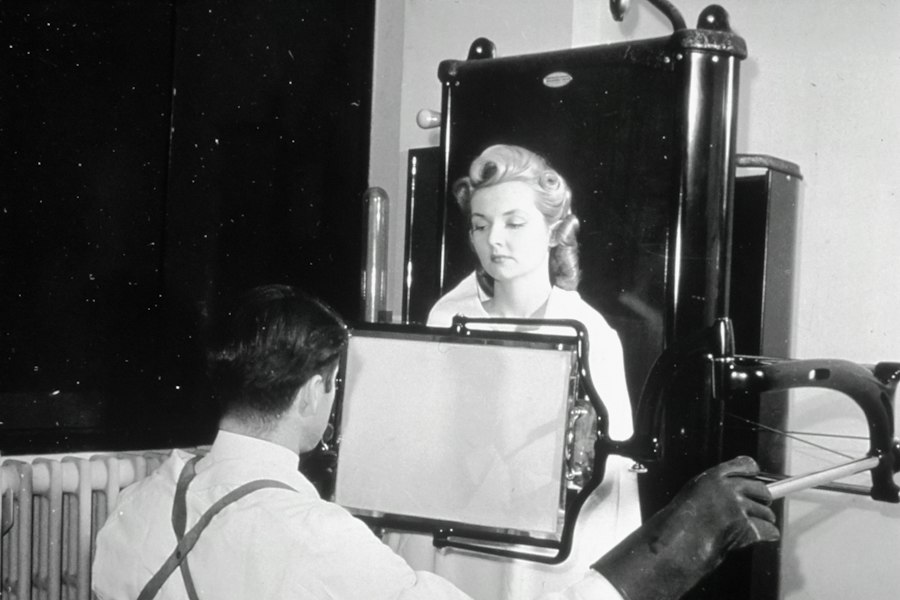
The documentary leverages contemporary genealogical research methods and, where applicable, forensic science to uncover new evidence. This section details the process of tracing family trees, utilizing public records, census data, and crucially, DNA analysis. The film illustrates how modern technology can overcome the limitations of historical record-keeping and provide concrete answers to long-standing questions. The ethical considerations and the complexities of DNA testing, especially when dealing with potentially living relatives or deceased individuals whose samples might be difficult to obtain, are also discussed.
The Power of DNA: Unlocking Genetic Histories
The documentary details the role of DNA testing in potentially resolving the paternity debate. It explains the process of collecting and analyzing genetic material, comparing samples from potential paternal relatives with those of Marilyn Monroe. The film highlights the scientific rigor involved and the potential for definitive answers that historical research alone may not be able to provide. The ethical implications of DNA testing, particularly concerning the privacy of individuals whose genetic information may be revealed, are also addressed, emphasizing the responsible use of this powerful technology.
Charting the Family Tree: The Genealogical Detective Work
This section of the documentary focuses on the painstaking work of genealogists. It showcases how they meticulously build family trees, cross-referencing documents, and identifying ancestral lines. The film illustrates the detective work involved in tracing individuals through historical records, looking for birth certificates, marriage licenses, death records, and other vital documents that can confirm or deny familial connections. The documentary emphasizes the challenges faced by researchers in this particular case, given the fragmented nature of the records and the passage of time, but also celebrates the triumphs of piecing together disparate clues.
Witness Testimony: Oral Histories and Familial Lore
Beyond documentary evidence and scientific analysis, the film also relies on oral histories. It features interviews with surviving relatives of Martin Mortensen, Charles Gifford, and other individuals who may have had direct knowledge of Gladys Baker’s relationships. The documentary acknowledges the subjective nature of memory but also recognizes the invaluable insights that personal anecdotes and family lore can provide. The film carefully presents these testimonies, evaluating their credibility and corroborating them with other available evidence, understanding that personal recollections, while sometimes fallible, can offer crucial context and emotional depth to the historical narrative.
The Broader Implications: Identity, Legacy, and Hollywood’s Obsession
The documentary extends its exploration beyond the purely biographical, examining the broader implications of Marilyn Monroe’s paternal mystery for our understanding of identity, legacy, and Hollywood’s enduring fascination with the star. It probes how the unanswered questions surrounding her origins contributed to her mythic status and how the continued interest in her life speaks to our collective need to understand the complex interplay of nature and nurture. The film suggests that by delving into her roots, it not only seeks to understand Marilyn Monroe but also to gain insight into the universal human quest for belonging and self-knowledge.
The Cult of Celebrity: Unpacking the Myth
The documentary examines how the enigma of Marilyn Monroe’s paternity fueled her mythic status. The lack of clear origins allowed for projection and speculation, contributing to the mystique that surrounded her. The film explores how this ambiguity allowed audiences to imbue her with whatever qualities they desired, making her a more universal, if ultimately unattainable, icon. The documentary questions whether a more complete understanding of her paternal lineage might have demystified her in some ways, but also argues that the pursuit of such knowledge is essential for a more complete and nuanced understanding of her life.
The Search for Belonging: A Universal Human Condition
Ultimately, the documentary argues that Marilyn Monroe’s paternal mystery resonates because it taps into a universal human desire for belonging and self-understanding. The film suggests that the questions surrounding her origins are not unique to her but reflect a deeper human need to know where we come from and how our past shapes our present. By exploring her journey, the documentary offers a reflection on the broader human experience of seeking identity and connection. The film aims to leave viewers contemplating their own familial legacies and the enduring importance of understanding one’s roots.
Hollywood’s Enduring Fascination: The Eternal Star
The continued public fascination with Marilyn Monroe, even decades after her death, is a testament to her unparalleled star power. The documentary explores why, despite the wealth of information available about her life, certain mysteries continue to captivate the public imagination. The paternal question, in particular, offers a tantalizing glimpse into the human fragility beneath the glamorous facade. The film suggests that by seeking to unravel this final piece of the puzzle, it hopes to offer a more complete and perhaps even more poignant understanding of the woman behind the legend, solidifying her place not just as an icon, but as a complex human being whose story continues to unfold.
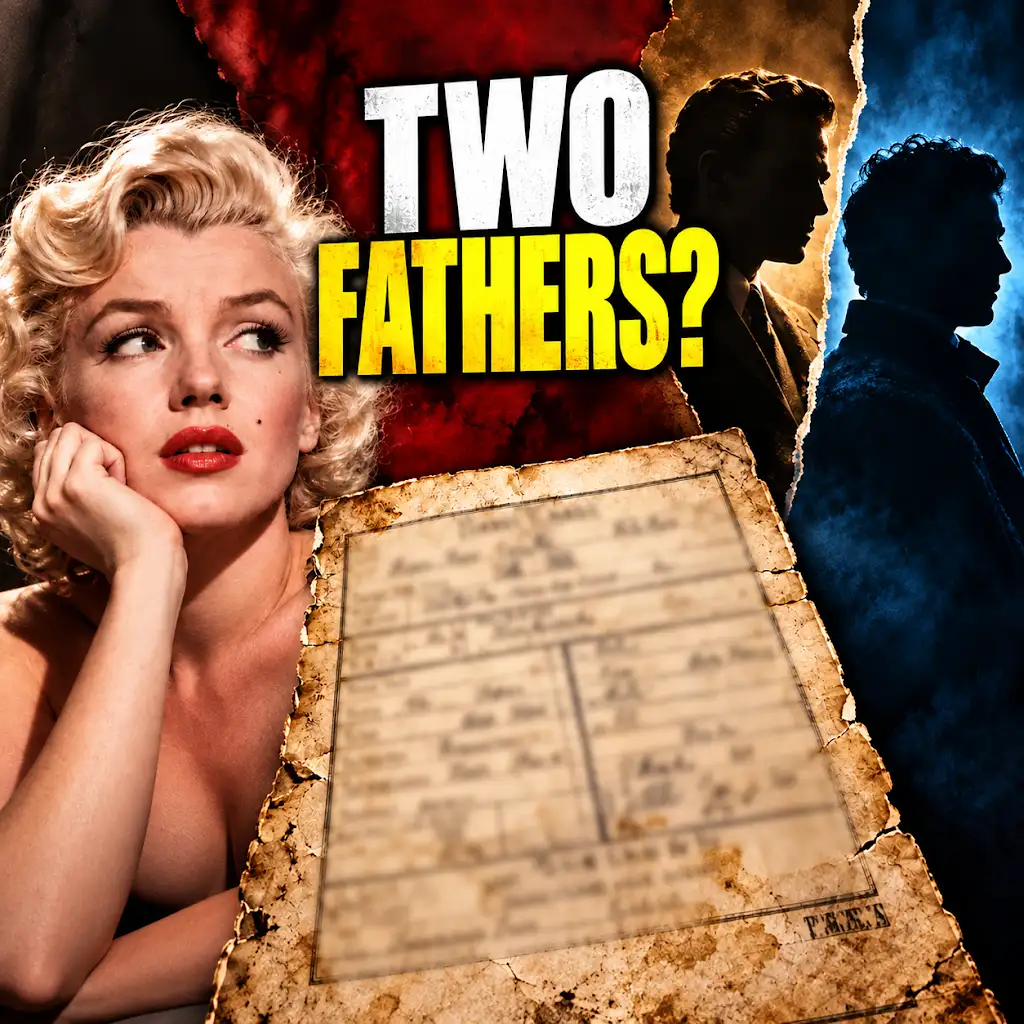
Marilyn Monroe’s Birth Certificate Named One Man. DNA Pointed to Another
FAQs
1. Who is the focus of the documentary on Marilyn Monroe’s paternal mystery?
The documentary focuses on a man named Charles Stanley Gifford, who claims to be Marilyn Monroe’s half-brother and the son of her biological father.
2. What is the central mystery surrounding Marilyn Monroe’s paternity?
The central mystery is the identity of Marilyn Monroe’s biological father, as her mother’s marriage certificate lists her father as unknown.
3. How does the documentary attempt to uncover the truth about Marilyn Monroe’s paternity?
The documentary uses DNA testing and genealogical research to investigate the claims made by Charles Stanley Gifford and explore the possibility of him being related to Marilyn Monroe.
4. What are some of the revelations made in the documentary about Marilyn Monroe’s family history?
The documentary reveals previously unknown details about Marilyn Monroe’s family history, including potential connections to Native American heritage and the circumstances surrounding her mother’s relationships.
5. How has the public responded to the claims made in the documentary about Marilyn Monroe’s paternal mystery?
The public response has been mixed, with some expressing skepticism about the claims while others are intrigued by the possibility of uncovering new information about Marilyn Monroe’s enigmatic past.